

Contact Info
- Greensboro, NC 27406
- Call: 336-707-0498
- Text: 336-707-0498
-
Mon - Fri: 8am - 4pm
Sat - Sun: Closed
Contact Info
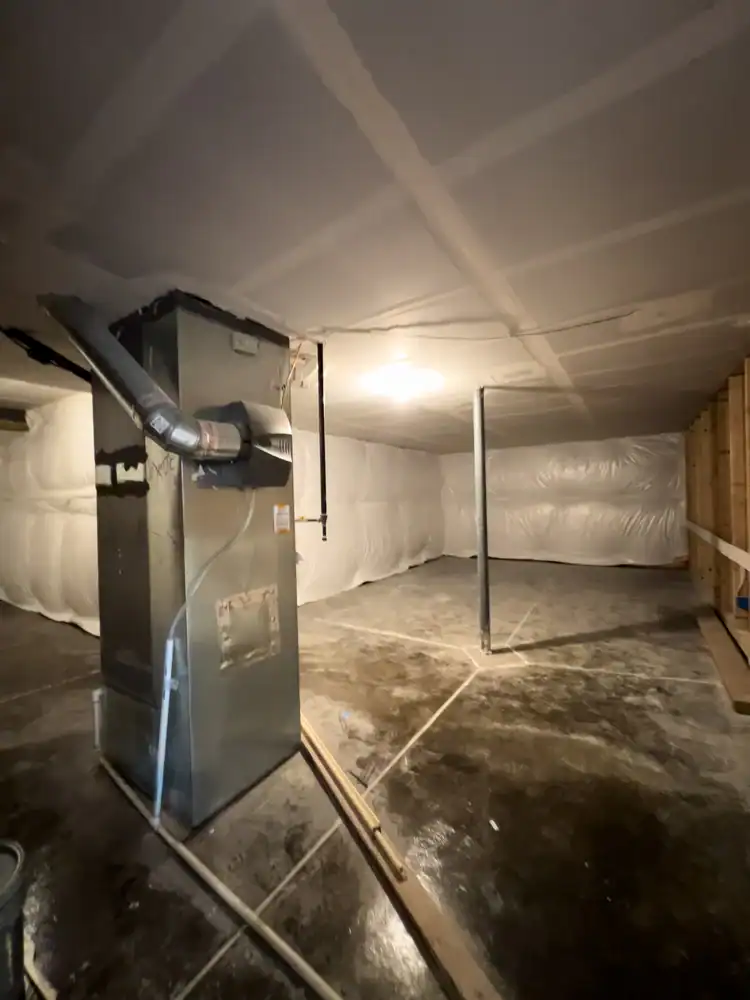
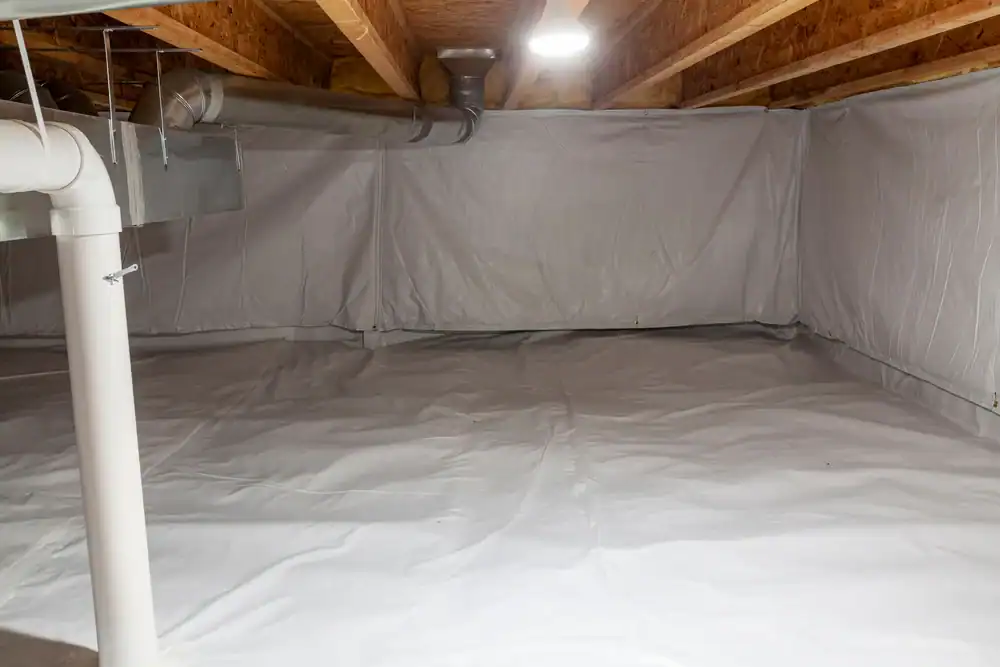
You stop smelling that musty odor every time you walk in the door. Your floors feel warmer in winter because cold air isn’t seeping up through the floorboards. Your HVAC system doesn’t run constantly trying to fight humidity that’s pouring in from below.
When your crawl space is sealed with a proper vapor barrier installation and paired with dehumidifier installation, the air quality in your home improves fast. You’re not circulating mold spores, dust mites, and allergens through every room. Your energy bills drop because your system isn’t working overtime to compensate for an unsealed space that’s basically connected to the outside.
And if you’re thinking about selling down the road, buyers and inspectors in Chapel Hill, NC notice crawl space conditions immediately. A clean, dry, encapsulated crawl space signals that the home has been maintained. It removes objections before they start and can add real value to your asking price.
We’ve been working in the Greensboro and Triangle area for over 30 years. We’ve seen what Chapel Hill’s clay soil and humid summers do to crawl spaces, and we know how to fix it for the long term.
We’re not a national franchise following a script. We’re local, and we’ve been in enough crawl spaces around here to know that every house is different. The approach that works in Southern Village might not be right for an older home near downtown. We assess your specific situation and recommend what actually makes sense, not what’s easiest to sell.
You’ll work with people who’ve done this thousands of times and who understand that your crawl space isn’t just a box to check. It’s connected to your comfort, your health, and your investment.
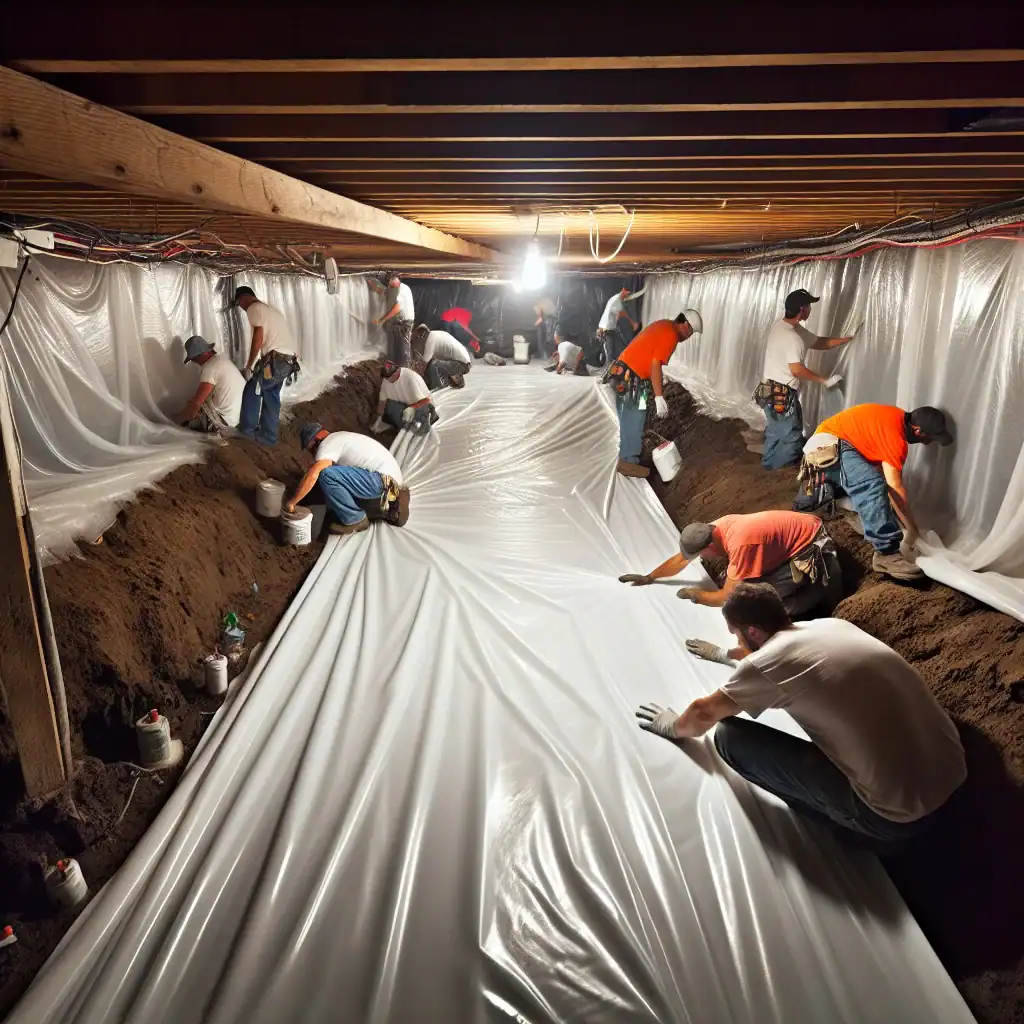
First, we inspect your crawl space to see what we’re dealing with. That means checking for standing water, mold growth, damaged insulation, wood rot, and pest activity. We measure humidity levels and look at how air is moving through the space.
If there’s existing mold or debris, we handle crawl space cleaning before anything else. You can’t encapsulate over a problem and expect it to go away. Once the space is clean and dry, we install a heavy-duty vapor barrier across the floor and up the walls. This isn’t the thin plastic you see at hardware stores. It’s a thick, durable liner designed to keep ground moisture out permanently.
Next, we seal vents and gaps where outside air has been getting in. Then we install a crawl space dehumidifier if needed to control humidity year-round. The dehumidifier runs automatically and keeps relative humidity below the threshold where mold can grow.
After everything is sealed and running, we do a final check to make sure the system is working as it should. You’ll notice the difference in your home within days.

Ready to get started?
Crawl space encapsulation in Chapel Hill, NC isn’t just laying down plastic. It’s a full moisture control system designed for this climate. You’re dealing with temperature swings, clay soil that holds water, and summer humidity that turns vented crawl spaces into mold factories.
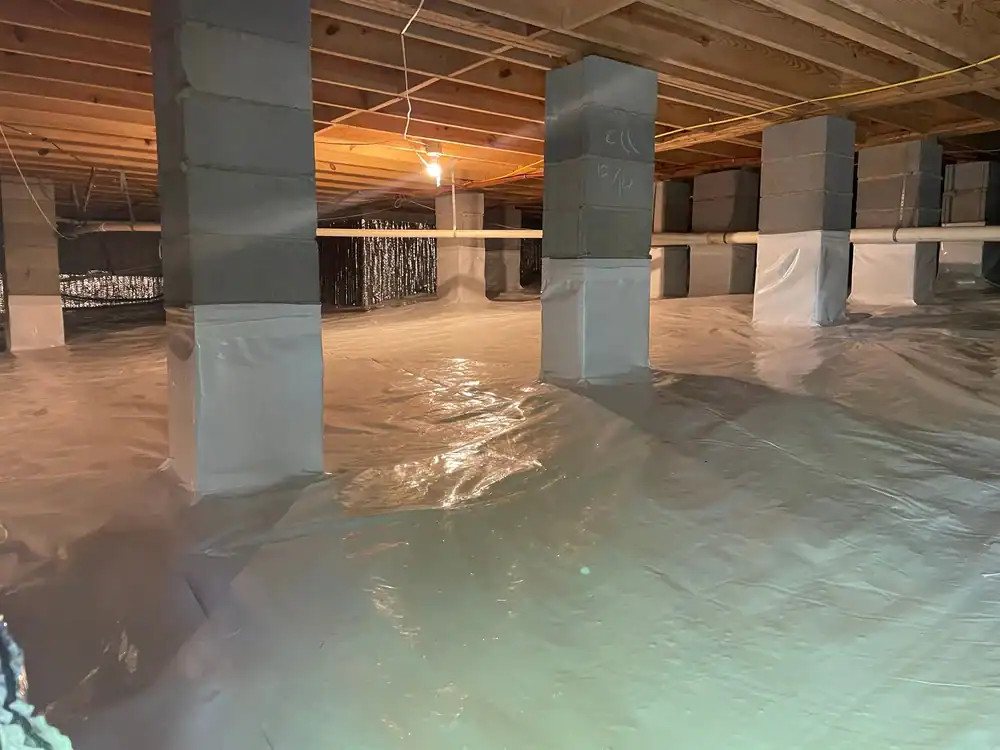
Our encapsulation includes vapor barrier installation that covers the entire floor and extends up the foundation walls. We seal all vents and openings to stop outside air from entering. If your crawl space insulation is damaged or wet, we remove it and install new insulation in the right places. We add a commercial-grade dehumidifier that’s sized for your space and drains automatically so you’re not emptying buckets.
We also address drainage issues if water is pooling under your house. That might mean regrading soil or installing a sump pump. Every Chapel Hill home sits on different soil and has different drainage patterns, especially in neighborhoods built on sloped lots or near wooded areas. We adjust the approach based on what your property actually needs, not a one-size-fits-all checklist.
Cost depends on the size of your crawl space, the condition it’s in, and what needs to be fixed before encapsulation can happen. Most homes in Chapel Hill fall somewhere between $5,000 and $15,000 for a complete system.
If there’s standing water, significant mold, or structural damage, you’ll need remediation first, which adds to the cost. If your space is relatively dry and just needs sealing, you’re on the lower end. Larger homes or spaces that need drainage work, sump pumps, or extensive crawl space insulation replacement will cost more.
The return is real, though. You’ll see lower energy bills within the first year, and homes with encapsulated crawl spaces in this market can sell for up to 10% more than comparable homes without it. It’s not a cosmetic upgrade. It’s a functional improvement that protects your investment and pays you back over time.
Most encapsulation projects in Chapel Hill take between two and five days, depending on the size of the space and what prep work is involved. If we’re just installing a vapor barrier and sealing vents in a clean, accessible crawl space, we can finish in two days.
If we need to remove old insulation, treat mold, install a dehumidifier, and address drainage issues, it takes longer. Larger homes or crawl spaces with low clearance and tight access points slow things down, but we work efficiently and keep you updated throughout the process.
You won’t need to leave your home while we work. The process isn’t invasive to your living space. We contain our work to the crawl space, clean up after ourselves, and make sure everything is sealed and functioning before we leave.
Yes, if it’s done right. Mold needs moisture and organic material to grow. When you encapsulate your crawl space and control humidity with a dehumidifier installation, you remove the moisture that mold depends on.
We treat any existing mold before we encapsulate. You can’t seal mold in and expect it to stop spreading. Once the space is clean, the vapor barrier keeps ground moisture out, and the dehumidifier keeps relative humidity below 60%, which is the threshold where mold starts to thrive.
Chapel Hill’s humid summers are tough on crawl spaces, especially in older homes with vented foundations. Encapsulation changes the environment completely. Instead of a damp, open space that fluctuates with outdoor conditions, you have a controlled, dry area that stays stable year-round. That’s what stops mold for good.
In Chapel Hill, NC, yes. Encapsulation stops most of the moisture, but not all of it. You still have some humidity coming through foundation walls, and North Carolina’s summer air is relentless. A vapor barrier alone won’t keep your crawl space dry enough to prevent mold and wood rot long-term.
A properly sized crawl space dehumidifier keeps humidity levels in check automatically. It drains on its own, runs only when needed, and uses less energy than you’d think. Without it, you’re leaving the door open for moisture to creep back in, especially during the humid months.
We’ve seen plenty of crawl spaces that were encapsulated without dehumidifiers, and they end up with humidity problems within a year or two. The dehumidifier is what makes the system work in this climate. It’s not an upsell. It’s the piece that keeps everything else functioning the way it should.
Most homeowners in Chapel Hill see energy savings between 15% and 20% after crawl space encapsulation. That’s because your HVAC system isn’t fighting against outside air pouring in from below anymore.
When your crawl space is open to the elements, your heating and cooling systems work harder to maintain temperature. In summer, hot humid air enters through vents and raises the humidity in your home. In winter, cold air seeps up through your floors. Your system runs constantly trying to compensate, and your bills reflect that.
After encapsulation, your home holds temperature better. Your floors feel warmer in winter, your air feels less sticky in summer, and your HVAC system cycles less often. The savings add up fast, and for most homes, the system pays for itself within five to seven years just in energy costs alone. That doesn’t even account for the avoided repair costs from moisture damage or the boost in resale value.
We seal them permanently. Vented crawl spaces made sense decades ago, but building science has proven they do more harm than good, especially in humid climates like ours.
When vents are open, you’re inviting outside air into your crawl space. In summer, that air is warm and humid. When it hits the cooler surfaces in your crawl space, it condenses and creates moisture. That’s how you end up with mold, wood rot, and sagging floors even though you have “ventilation.”
Sealing the vents and treating your crawl space as conditioned space is the modern standard. It’s what building codes are moving toward, and it’s what actually works in Chapel Hill’s climate. Once the vents are sealed and the vapor barrier is installed, your crawl space becomes a controlled environment. No more temperature swings, no more moisture problems, and no more energy waste from air leaking in and out all day long.