

Contact Info
- Greensboro, NC 27406
- Call: 336-707-0498
- Text: 336-707-0498
-
Mon - Fri: 8am - 4pm
Sat - Sun: Closed
Contact Info
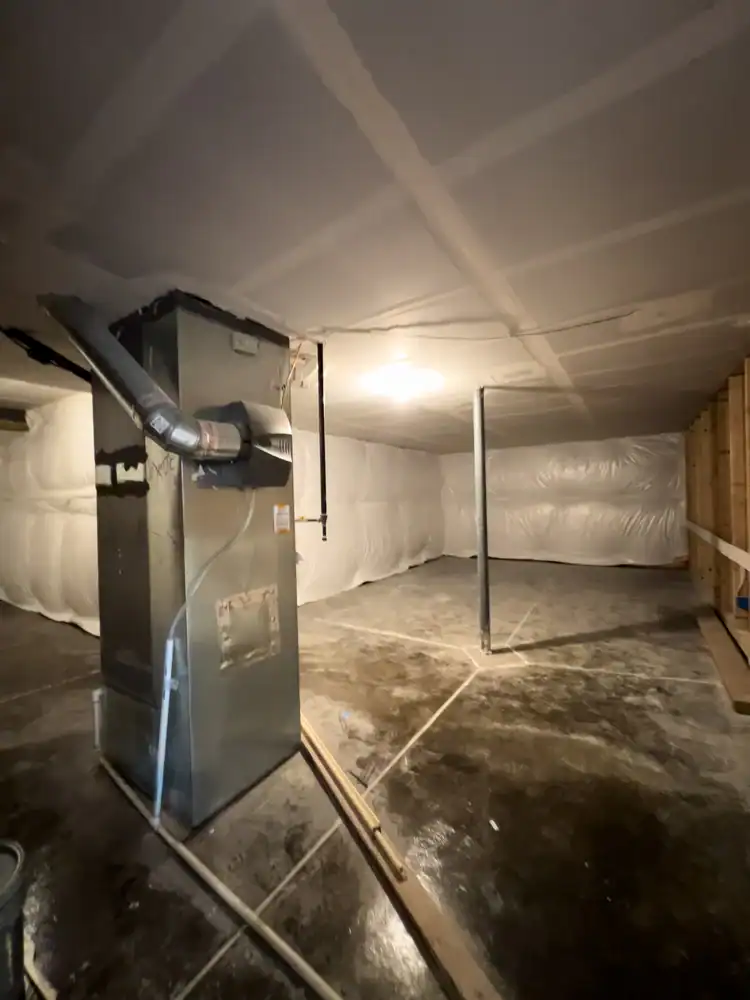
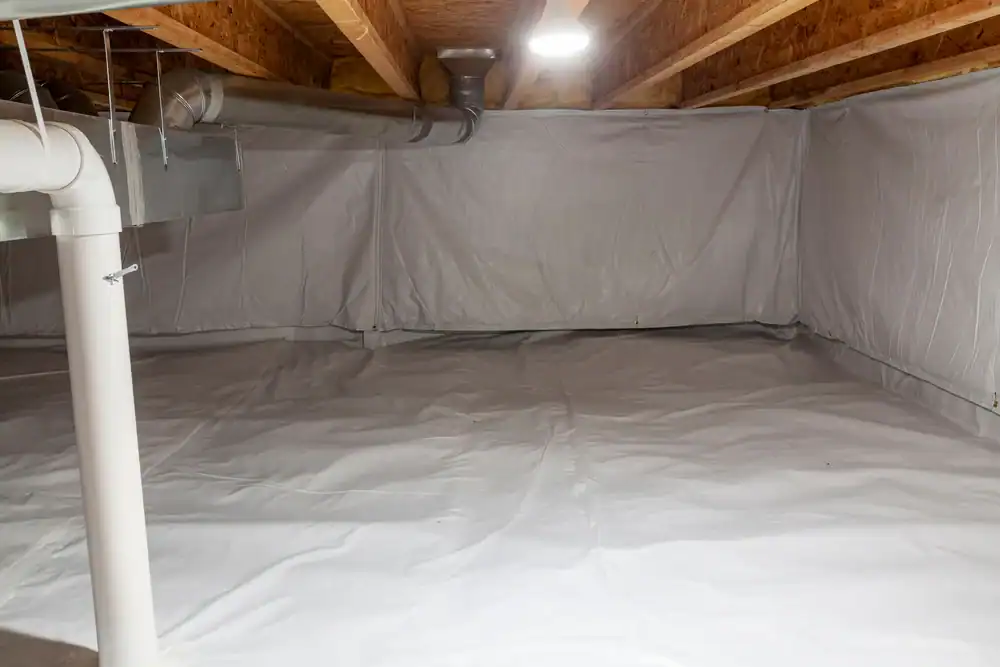
Half the air you breathe in your home comes from your crawl space. If that space is damp, moldy, or full of pests, you’re pulling all of that into your living room, bedrooms, and kitchen.
When we encapsulate your crawl space, you’re not just sealing off a problem area. You’re cutting energy costs by up to 20%, protecting your home’s structural integrity, and eliminating the musty smell that’s been creeping through your vents for months.
Your floors stop feeling cold in winter. Your HVAC system stops working overtime. And you stop wondering if that smell is mold or just “normal.”
Most homeowners in McLeansville don’t realize their crawl space is the source of their comfort problems until they fix it. Then everything changes. Lower bills, cleaner air, and peace of mind knowing your foundation isn’t rotting underneath you.
We’ve been serving Greensboro and McLeansville for over three decades. We’re NADCA-certified, which means our team meets national standards for air quality work—not just crawl space encapsulation, but the whole system.
Rick Watson and our crew aren’t new to North Carolina’s humidity problems. We’ve seen what happens when crawl spaces go untreated in this climate, and we know exactly how to fix it right the first time.
We don’t do residential dryer vents. We focus on what matters most for your home’s air quality: duct cleaning, mold remediation, and crawl space encapsulation. That focus means you’re getting specialists, not generalists who dabble in everything.
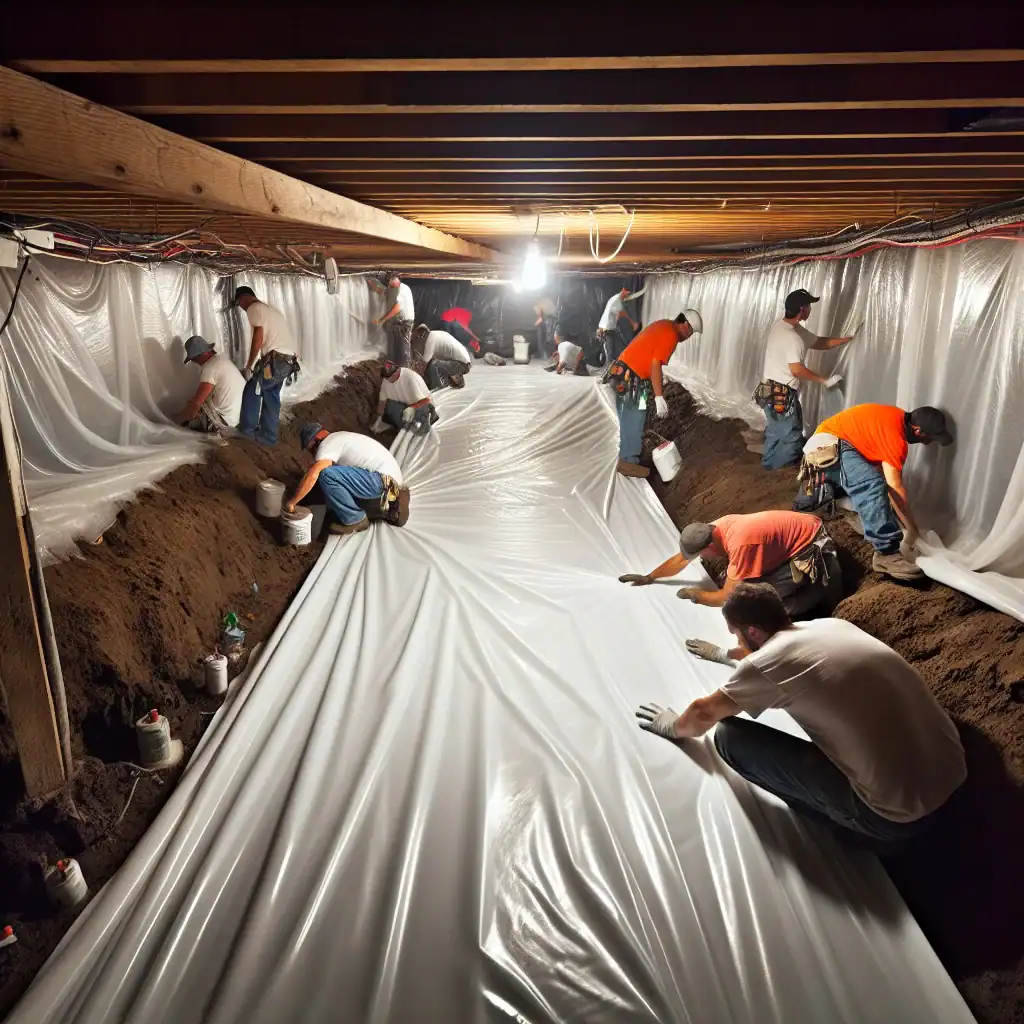
First, we inspect your crawl space to assess moisture levels, existing damage, and what’s causing the problem. You’ll know what we find before we start any work.
Next, we clean out debris, remove damaged insulation, and address any mold or pest issues. A clean foundation is critical—you can’t just cover up existing problems and expect them to disappear.
Then comes vapor barrier installation. We seal your crawl space floor and walls with a heavy-duty liner that blocks ground moisture from entering. This isn’t the thin plastic you see in hardware stores. It’s commercial-grade material designed to last 20+ years.
If your crawl space needs it, we install a dehumidifier to maintain optimal humidity levels between 45% and 55%. This keeps mold from growing and prevents condensation on pipes and beams. Finally, we seal vents and insulate as needed so your crawl space becomes a controlled environment instead of a moisture magnet.

Ready to get started?
McLeansville sits right in the middle of North Carolina’s humid subtropical zone. Summer humidity regularly exceeds 70%, and temperature swings between morning and afternoon create constant condensation cycles in unsealed crawl spaces.
That’s why crawl space encapsulation here isn’t optional—it’s necessary. Without it, you’re fighting a losing battle against mold, wood rot, and structural damage.
Our encapsulation service includes full vapor barrier installation across floors and walls, sealing off the ground moisture that fuels most crawl space problems. We also install crawl space dehumidifiers when needed, because even a sealed space can trap humidity if there’s no way to control it.
We handle crawl space insulation to keep temperatures stable and prevent energy loss. And if your crawl space has existing mold or pest issues, we take care of that before sealing anything up. Encapsulation works when it’s done completely, not halfway.
Most crawl space encapsulation projects in this area cost between $5,000 and $15,000 depending on size and condition. That investment typically pays for itself within a few years through energy savings alone—and that’s before you factor in avoided repair costs from structural damage or mold remediation.
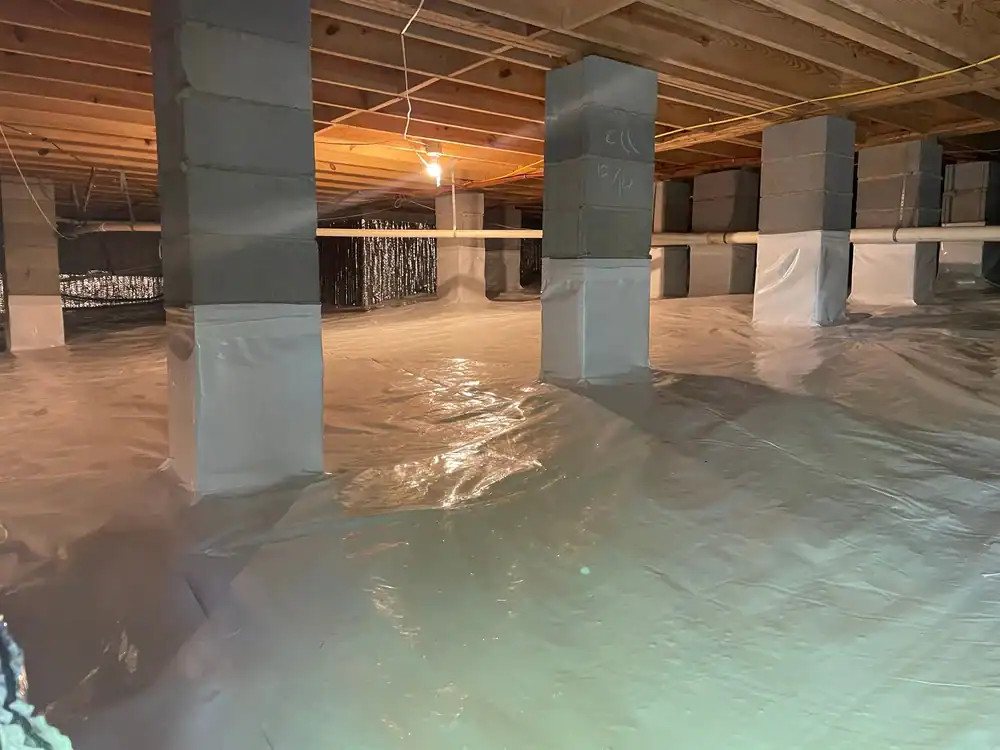
Most homeowners in McLeansville pay between $5,000 and $15,000 for full crawl space encapsulation. The range depends on your crawl space size, current condition, and what additional work is needed like mold removal or structural repairs.
Basic encapsulation runs about $2 to $4 per square foot. If you need dehumidifier installation, upgraded vapor barriers, or extensive prep work, costs can reach $10 per square foot.
Here’s what matters more than the upfront cost: encapsulation typically saves homeowners 15-20% on energy bills. If you’re spending $200 a month on heating and cooling, that’s $30 to $40 back in your pocket every month. Over five years, you’ve recovered a significant portion of your investment—and you’ve avoided thousands in potential structural repairs.
Properly installed crawl space encapsulation lasts 15 to 20 years, sometimes longer. The vapor barrier itself—the heavy-duty liner we install—typically has a lifespan of 20 to 25 years if it’s not damaged.
What affects longevity is installation quality and ongoing maintenance. If your vapor barrier is installed correctly, sealed at all seams, and protected from punctures, it’ll hold up for decades. The dehumidifier will need occasional filter changes and maintenance, but the system itself is built to last.
North Carolina’s climate is tough on crawl spaces, but that’s exactly why encapsulation works so well here. Once your crawl space is sealed and humidity-controlled, there’s nothing left to break down the materials. No moisture means no mold, no rot, and no reason for the system to fail.
Musty odors coming through your vents are the most obvious sign. If your home smells damp or earthy, especially after it rains, that’s crawl space air making its way into your living space.
Cold floors in winter, high energy bills, and visible mold or mildew on walls or ceilings are also red flags. If you’ve noticed sagging floors, squeaky boards, or doors that suddenly don’t close right, your crawl space moisture might be rotting the wooden support beams underneath your home.
Pest problems—especially termites, roaches, or rodents—often point back to crawl space issues. These pests love damp, dark environments, and an unsealed crawl space is an open invitation. If you’re seeing increased pest activity, your crawl space is likely part of the problem.
Yes. Studies show encapsulated crawl spaces reduce energy costs by 15-20% on average. Some homeowners see even higher savings depending on how bad their crawl space was before encapsulation.
Here’s why it works: when your crawl space is unsealed, outside air constantly flows in and out. In summer, hot humid air makes your AC work harder. In winter, cold air seeps up through your floors and forces your heating system to run longer.
Encapsulation stops that air exchange. Your HVAC system maintains temperature more easily because it’s not fighting against outside conditions leaking in from below. The result is lower runtime, less strain on your equipment, and noticeably lower monthly bills. Most homeowners notice the difference within the first billing cycle.
Yes, and that’s one of the underrated benefits of encapsulation. Once your crawl space is sealed, dry, and climate-controlled, it becomes usable space instead of a damp pit you avoid.
You can store seasonal items, boxes, tools, and other belongings without worrying about mold, moisture damage, or pest infestations. The vapor barrier creates a clean, dry surface, and the controlled humidity means your stuff stays in good condition.
That said, you’ll want to keep heavy or sharp objects off the vapor barrier to avoid punctures. And you should still avoid storing anything that’s sensitive to temperature fluctuations, since crawl spaces aren’t heated or cooled like living areas. But for general storage, an encapsulated crawl space adds real functional value to your home.
In most cases, yes. Encapsulation blocks ground moisture, but it doesn’t eliminate humidity that’s already trapped inside or that enters through small gaps. A dehumidifier keeps humidity levels between 45% and 55%, which is the range that prevents mold growth and condensation.
North Carolina’s climate makes dehumidifiers especially important. Even with a sealed crawl space, outdoor humidity can still affect indoor conditions, particularly during summer months when humidity regularly exceeds 70%.
The dehumidifier runs automatically and only when needed, so it’s not a constant energy drain. Most units are designed specifically for crawl spaces and can handle the square footage without issue. Think of it as the final piece that keeps your encapsulation system working long-term. Without it, you’re leaving the door open for moisture problems to creep back in.