

Contact Info
- Greensboro, NC 27406
- Call: 336-707-0498
- Text: 336-707-0498
-
Mon - Fri: 8am - 4pm
Sat - Sun: Closed
Contact Info
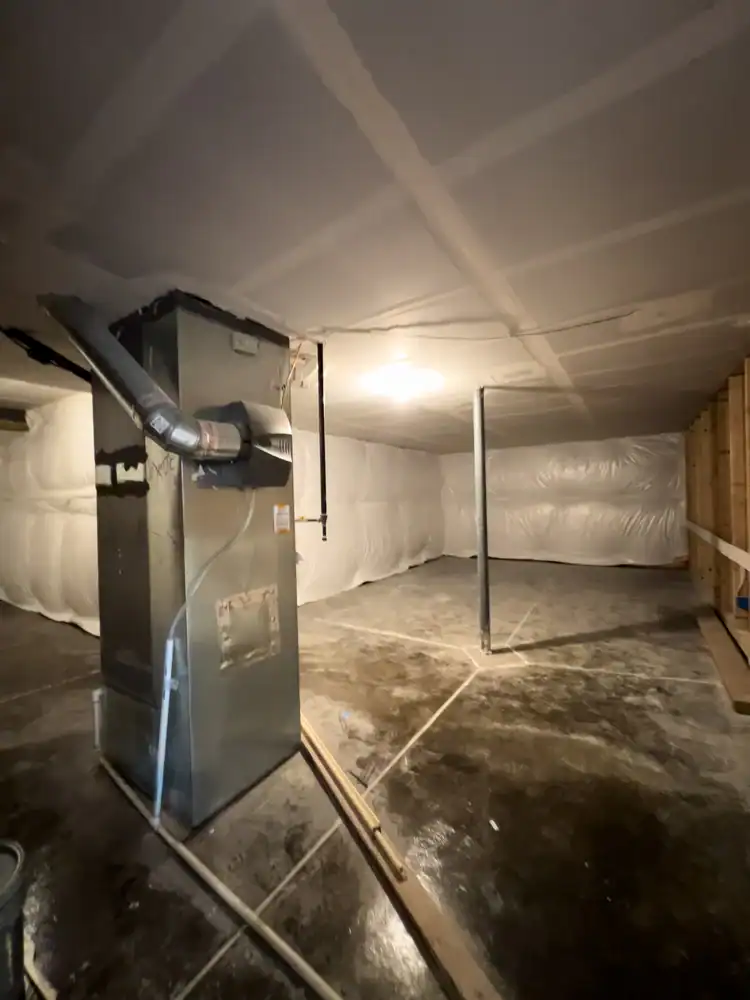
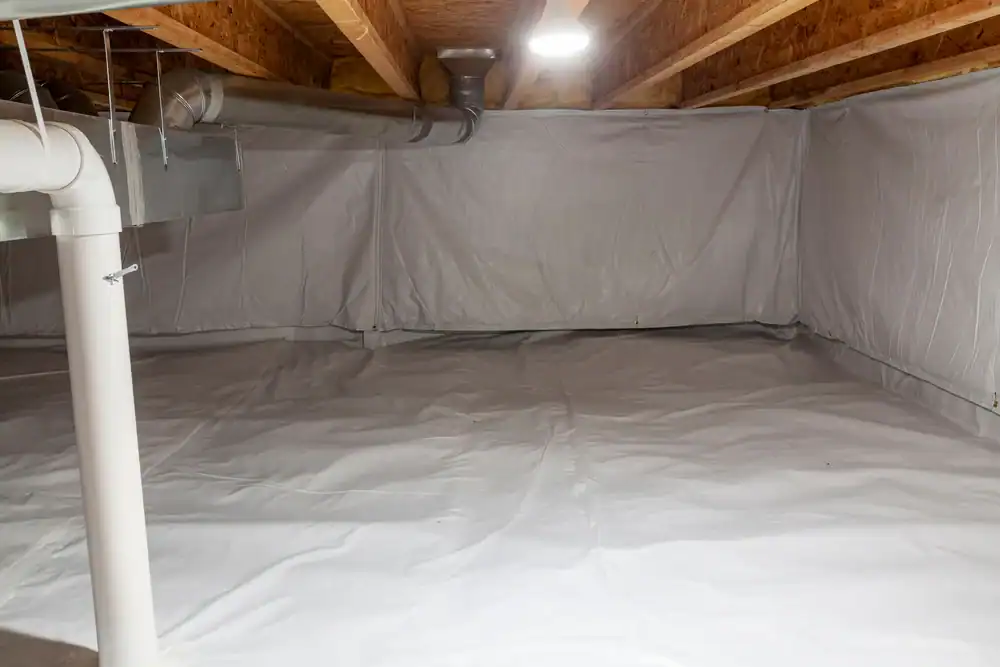
You stop worrying about what’s happening under your floors. The musty smell disappears. Your energy bills drop because your HVAC isn’t fighting against humid air seeping up through the floorboards.
Crawl space encapsulation creates a sealed environment that keeps North Carolina’s humidity where it belongs—outside. That means no more mold growing on floor joists, no more sagging insulation, and no more wondering if you’re breathing in spores every time you walk through your living room.
Your home feels different when the air is actually clean. Floors stay warmer in winter. Allergies calm down. And you’re not dumping money into cooling air that’s being undermined by moisture creeping up from below.
This isn’t about making your crawl space look pretty. It’s about protecting the structure of your home and the health of everyone living in it.
We focus on two things: crawl space encapsulation and HVAC duct cleaning. That’s it. No roofing, no remodeling, no side projects that pull our attention away from what matters.
Monticello’s climate is tough on crawl spaces. High humidity, heavy rainfall, and warm temperatures create the perfect environment for mold and wood rot. We’ve seen what happens when homeowners wait too long—structural damage that costs five times what encapsulation would have.
We use professional-grade dehumidifiers, heavy-duty vapor barriers, and proper sealing techniques that actually hold up over time. You’re not getting a general contractor who watched a YouTube video. You’re getting a team that understands moisture control and indoor air quality because that’s all we do.
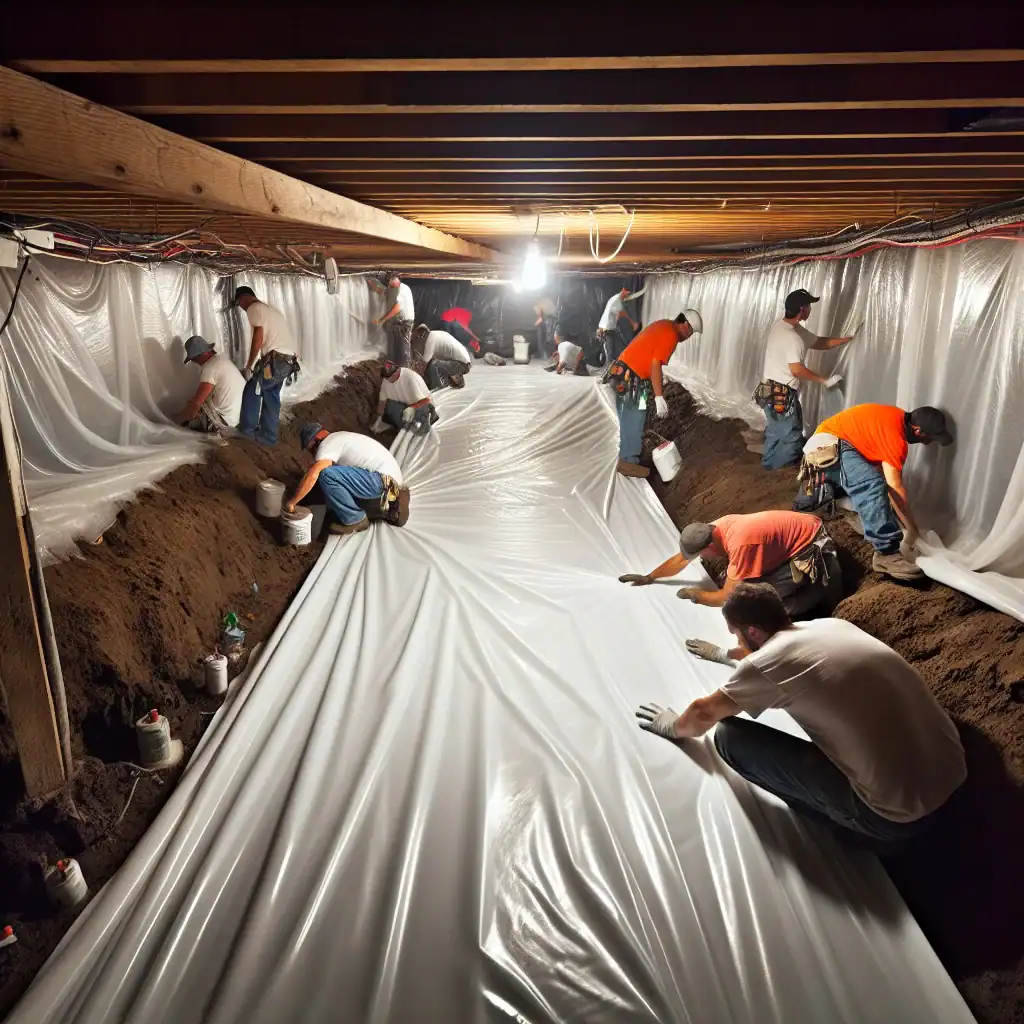
First, we inspect your crawl space to assess moisture levels, existing damage, and what’s causing the problem. We’re looking at drainage, ventilation, insulation condition, and whether you’ve got standing water or mold growth.
Next comes crawl space cleaning. We remove debris, old insulation, and anything that shouldn’t be down there. If there’s mold, we treat it. If there’s standing water, we address drainage before moving forward.
Then we install the vapor barrier—a heavy-duty liner that covers the floor and gets sealed up the walls. This isn’t the thin plastic you see at hardware stores. We’re talking about reinforced material that actually stops moisture from coming up through the soil.
We seal all vents and entry points to create a controlled environment. Then we install a crawl space dehumidifier designed specifically for this application. These aren’t the same units you’d use in a basement—they’re built to handle the unique conditions of an encapsulated crawl space.
Finally, we test humidity levels and make sure everything’s working the way it should. You’ll see the difference in your home within days.

Ready to get started?
Full crawl space encapsulation means complete moisture control. You get professional-grade vapor barrier installation that covers every inch of exposed soil and extends up your foundation walls. We’re sealing out ground moisture that’s been feeding mold and rotting your floor joists.
You get a dedicated crawl space dehumidifier—not a cheap residential unit, but equipment designed to maintain proper humidity levels year-round. In Monticello’s climate, where relative humidity regularly exceeds 60%, this isn’t optional. It’s the difference between encapsulation that works and encapsulation that fails in two years.
We seal all foundation vents and gaps where outside air has been flowing in. That’s how you stop the cycle of humid air condensing on cool surfaces and creating the moisture problems you’ve been dealing with.
Crawl space insulation gets addressed if needed. Sometimes that means removing wet, useless insulation. Sometimes it means installing new insulation in the right places. It depends on what your home needs, not what’s easiest to sell you.
North Carolina homeowners who invest in proper encapsulation see energy savings of 15-20% annually. For a typical home in Monticello, that’s $300-$400 staying in your pocket every year instead of going to the power company.
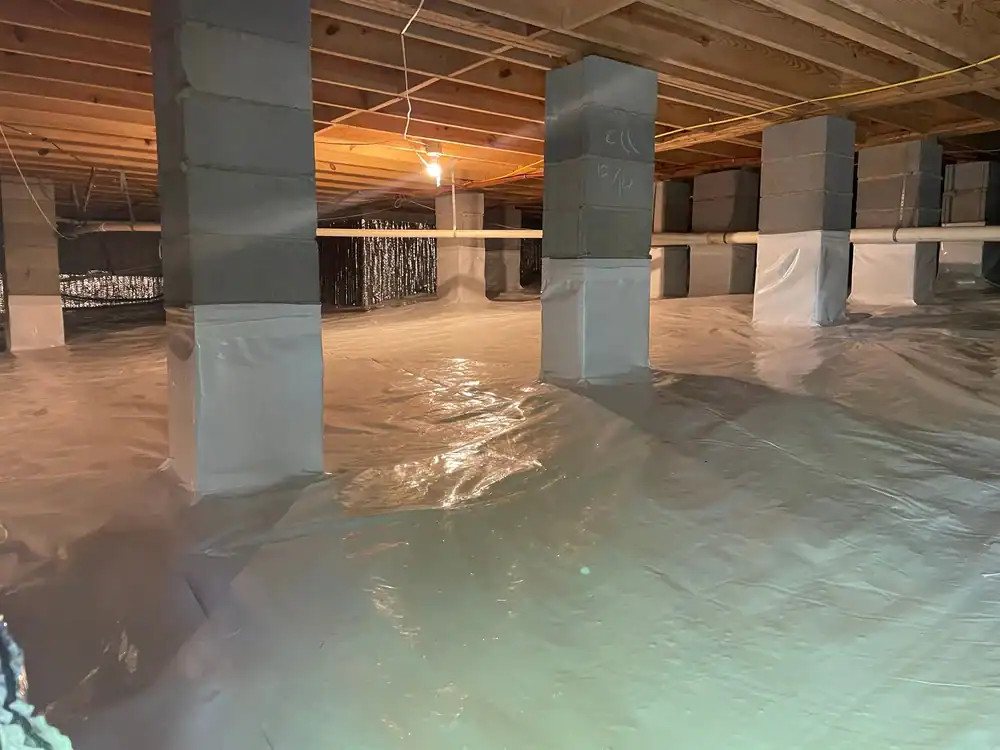
Most crawl space encapsulation projects in North Carolina range from $5,000 to $15,000, depending on the size of your crawl space, the condition it’s in, and what systems you need installed. If you’ve got significant mold or structural damage, costs go up because we’re fixing problems, not just covering them.
The price breaks down into materials and labor. Vapor barrier installation runs $2-$4 per square foot for quality materials. A professional crawl space dehumidifier adds $1,500-$3,000. If you need drainage work or extensive mold remediation, that’s additional.
Here’s what matters: this is a one-time investment that should last the lifetime of your home. You’re not doing this again in five years. The energy savings alone—15-20% annually—mean you’re recouping costs over time while protecting your home’s structure and your family’s health.
Most encapsulation projects take 2-4 days from start to finish. Day one is usually cleaning and prep—removing old insulation, treating mold, and making sure we’re working with a clean space. Days two and three involve vapor barrier installation, sealing vents, and installing the dehumidifier system.
The timeline changes if we’re dealing with standing water or significant structural repairs. Drainage issues need to be fixed before encapsulation, or you’re just trapping water under a vapor barrier. Mold remediation adds time if the growth is extensive.
You can stay in your home during the work. We’re not tearing up your floors or disrupting your daily routine. The crawl space is accessed from the outside, and most homeowners don’t even notice we’re there except for the equipment coming in and out.
Yes, but let’s be specific about why. Right now, humid air from your crawl space is rising into your home through gaps in your flooring. Your HVAC system is working harder to cool that humid air and maintain comfortable temperatures. That’s costing you money every single month.
Field studies in North Carolina show energy savings of 15-20% annually after proper encapsulation. For a 2,000-square-foot home spending $2,000 per year on heating and cooling, that’s $300-$400 back in your pocket every year. Over ten years, you’re looking at $3,000-$4,000 in savings.
The energy savings come from stopping air infiltration and reducing the load on your HVAC system. When your crawl space is sealed and humidity-controlled, your system isn’t fighting against moisture and temperature swings. It’s just maintaining the air that’s already conditioned. That’s less runtime, lower bills, and equipment that lasts longer.
Absolutely. Encapsulation without a dehumidifier is like building a fence with no gate—you’ve done half the job. The vapor barrier stops moisture from coming up through the soil, but you still need to control the humidity in the air that’s already in your crawl space.
North Carolina’s climate means humidity is constant. Even with a sealed crawl space, you need active dehumidification to keep levels below 60%. Above that threshold, mold grows, wood rots, and you’re back to the same problems you paid to fix.
Professional crawl space dehumidifiers are different from the units you’d use in a bedroom. They’re designed to handle larger spaces, they drain automatically, and they’re built to run continuously without breaking down. Skipping this step or using the wrong equipment means your encapsulation will fail. We’ve seen it happen, and it’s expensive to fix.
Vapor barrier installation is one part of encapsulation—it’s the liner that covers your crawl space floor. Full encapsulation means you’re creating a completely sealed, humidity-controlled environment. That includes the vapor barrier, but also sealing vents, installing a dehumidifier, and addressing insulation.
Some companies will lay down a vapor barrier and call it done. That’s not encapsulation. You’ve stopped ground moisture, but you haven’t controlled the air. Humid outside air is still getting in through vents, condensing on cool surfaces, and creating the same mold and rot problems you started with.
Full encapsulation means your crawl space becomes a controlled part of your home’s environment. No outside air, no ground moisture, and humidity levels that stay in the safe zone year-round. That’s what protects your structure and improves your indoor air quality. Anything less is incomplete.
If you’re smelling musty odors in your home, that’s crawl space air rising through your floors. If your energy bills are higher than they should be, or your floors feel cold in winter, you’ve got air infiltration from below. If anyone in your home is dealing with worsening allergies or asthma, mold spores from your crawl space could be the cause.
Visible signs include sagging insulation, condensation on pipes or ductwork, standing water, or mold growth on wood surfaces. If your crawl space vents are open to outside air, you’re dealing with humidity problems whether you can see them or not. North Carolina’s climate guarantees it.
The best way to know for sure is to have someone who understands moisture control take a look. We’ll measure humidity levels, check for mold and structural damage, and tell you exactly what’s happening down there. Most homeowners are surprised by what they find—and relieved they caught it before it became a major structural issue.