

Contact Info
- Greensboro, NC 27406
- Call: 336-707-0498
- Text: 336-707-0498
-
Mon - Fri: 8am - 4pm
Sat - Sun: Closed
Contact Info
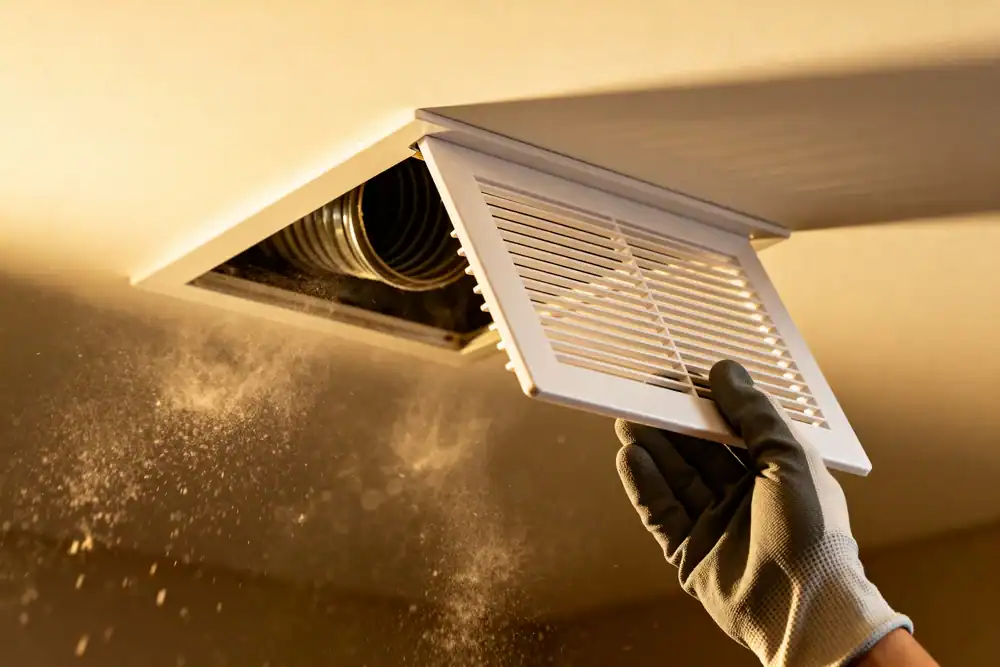
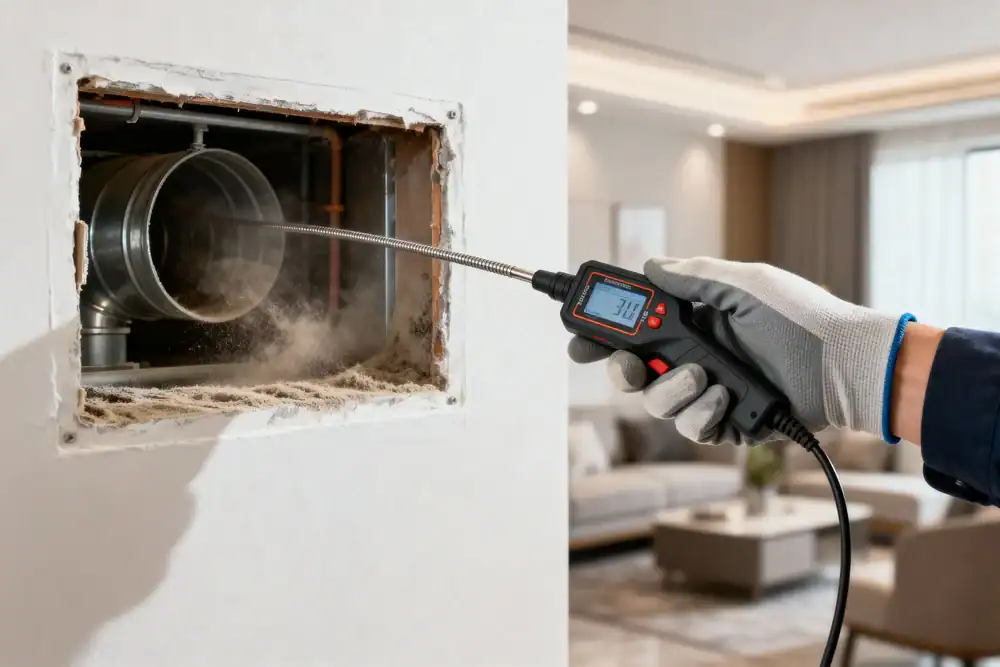
Your HVAC system stops fighting against itself. When supply ducts, return ducts, and air handlers are free from buildup, airflow improves. Equipment doesn’t strain to push air through clogged pathways.
You’ll notice the difference in your energy bills first. Commercial HVAC systems already consume over 30% of your building’s energy—more when ducts are dirty. Clean ductwork means your system runs efficiently instead of burning through power to compensate for restricted airflow.
Your employees feel it too. Indoor air quality directly affects how people work and feel in your building. When allergens, dust, and contaminants aren’t circulating through your ventilation system, you’re not dealing with the productivity losses that come with poor air quality. People breathe easier. They work better.
The equipment itself lasts longer. Debris that fouls heating and cooling coils forces your system to work harder, shortening its lifespan. Regular cleaning protects your investment and reduces the chance of unexpected breakdowns.
We’ve served commercial clients across North and South Carolina for over two decades. We focus exclusively on commercial air duct cleaning—no residential dryer vents, no side services. Just thorough, professional ductwork cleaning for businesses.
Burlington’s mix of manufacturing facilities, office buildings, and retail spaces means HVAC systems here work year-round. High humidity in summer and heating demands in winter put constant stress on ventilation systems. We understand how local conditions affect your equipment.
Our technicians follow National Air Duct Cleaning Association standards and use equipment designed for commercial-scale jobs. We schedule around your business hours—nights, weekends, whenever minimizes disruption to your operations. You get a free consultation before we start any work, and we back every job with a 100% satisfaction guarantee.

We start with an inspection. Before any cleaning begins, we assess your entire system—supply ducts, return ducts, air handler components, and HVAC coils. This tells us what we’re dealing with and what equipment we’ll need.
Next comes the actual cleaning. We use specialized tools to dislodge buildup from duct surfaces, then extract everything with high-powered vacuum systems. The goal is removing accumulated dust, debris, allergens, and contaminants that restrict airflow and circulate through your building. We clean the air handler and its components, not just the visible ductwork.
We don’t leave a mess. All debris gets contained and removed from your property. After cleaning, we can walk you through what we found and what we did. You’ll have documentation of the work completed.
The whole process typically happens outside your normal business hours if that works better for you. We coordinate scheduling so your operations aren’t interrupted, and your HVAC system is back online when you need it.
Ready to get started?
This isn’t a surface-level job. We clean your entire ventilation system—every supply duct, every return duct, and all the components in between. That includes your air handler, blower motor, cooling coils, and heating elements.
In Burlington, where humidity can lead to mold growth in HVAC systems and seasonal pollen adds to indoor air quality challenges, thorough cleaning matters. We remove the contaminants that accumulate in commercial buildings—dust from foot traffic, particulates from manufacturing processes, allergens that affect employee comfort, and the bacteria and fungi that thrive in dark, damp ductwork.
You also get a system that meets health and safety standards. Commercial buildings face stricter regulations around indoor air quality and ventilation. Clean ductwork helps you stay compliant while creating a healthier environment for everyone in your building.
The service includes a post-cleaning walkthrough. We show you what we found, what we removed, and answer any questions about maintaining your system going forward. Most commercial buildings benefit from cleaning every three to five years, but we’ll give you an honest assessment based on your specific situation—not a sales pitch.

Look for visible dust around vents and registers. If you see buildup on the grilles, there’s more inside the ductwork. Check your HVAC filters—if they’re clogging faster than they used to, your ducts are likely full of debris that’s overwhelming the filtration system.
Pay attention to energy bills. A sudden increase without a corresponding change in usage often means your system is working harder to push air through restricted ducts. Your HVAC technician might also mention dirty coils during routine maintenance—that’s a direct sign that contaminants are moving through your ductwork.
Employee complaints about air quality, unexplained allergies, or musty odors are red flags. If people notice the air feels stale or stuffy, or if you’re getting more complaints about headaches and respiratory irritation, your ventilation system probably needs attention. Buildings with high foot traffic, nearby construction, or recent renovations accumulate debris faster and need more frequent cleaning.
Scale and complexity. Commercial HVAC systems are larger, with more extensive ductwork, higher airflow requirements, and components that residential systems don’t have. The equipment we use to clean a commercial system is more powerful and specialized than what works for a house.
Commercial buildings also have different contaminants. You’re dealing with pollutants from more people, business-specific debris like manufacturing dust or kitchen grease, and higher volumes of outdoor air being pulled into the system. Our cleaning process addresses these commercial-specific challenges.
Scheduling matters more in commercial settings. We can’t just show up during business hours and shut down your HVAC system. Most of our commercial jobs happen after hours or on weekends to avoid disrupting operations. The stakes are higher too—poor indoor air quality in a commercial building affects employee productivity and can create liability issues that don’t exist in residential settings.
It depends on your building size and system complexity. A small office building might take four to six hours. Larger facilities with extensive ductwork, multiple air handlers, or complex HVAC configurations can take a full day or longer.
We’ll give you a time estimate after the initial inspection. Factors that affect duration include total duct length, number of vents and registers, how much buildup we’re removing, and accessibility of your ductwork. A system that hasn’t been cleaned in ten years takes longer than one that’s been maintained regularly.
Most of our commercial clients schedule the work outside business hours. We can start after you close and finish before you open, or work over a weekend. The goal is completing the job thoroughly without disrupting your operations. If your building requires HVAC to run continuously, we can work in sections so you’re never without climate control.
Yes, if your ducts are actually dirty. Clean ductwork improves airflow, which means your HVAC system doesn’t have to work as hard to maintain temperature. When debris clogs ducts and fouls coils, your equipment runs longer cycles and uses more energy to achieve the same results.
The energy savings vary based on how dirty your system was before cleaning. Buildings that haven’t had ductwork cleaned in years see more dramatic improvements than those on regular maintenance schedules. You’re also extending equipment life—when your HVAC system isn’t straining against restricted airflow, components last longer and you avoid premature replacements.
Don’t expect miracles if your ducts are already relatively clean or if you have other efficiency problems. Duct cleaning addresses one specific issue—contaminated ductwork restricting airflow. If your energy bills are high because of poor insulation, old equipment, or air leaks, cleaning alone won’t fix that. But for systems carrying significant buildup, the efficiency gains are real and measurable.
Every three to five years for most commercial buildings. That’s the standard recommendation, but your specific situation might call for more frequent service. Buildings with high occupancy, significant dust generation, or employees with allergies benefit from cleaning every two to three years.
Certain industries need more frequent attention. Restaurants accumulate grease in their ventilation systems. Manufacturing facilities deal with industrial dust and particulates. Medical offices and buildings where air quality is critical for health reasons should consider more aggressive maintenance schedules.
Watch for signs that you need cleaning sooner than scheduled. If you notice declining air quality, increased energy costs, or visible contamination around vents, don’t wait for the calendar. After renovations or construction work, schedule a cleaning—drywall dust and construction debris wreak havoc on HVAC systems. The key is being proactive rather than waiting until problems force your hand.
Certification and standards compliance. Ask if the company follows NADCA guidelines and if their technicians are trained and certified. Companies that cut corners on industry standards will cut corners on your job too.
Experience with commercial systems matters. A company that mostly does residential work might not have the equipment or expertise for commercial-scale jobs. Ask about their commercial client list and how long they’ve been serving businesses in your area.
Get specifics about their process. What equipment do they use? How do they contain debris? Will they show you before and after documentation? Companies that are vague about their methods or promise results that sound too good to be true probably are. Look for straightforward answers, transparent pricing, and willingness to provide references. A satisfaction guarantee and proper insurance coverage aren’t optional—they’re baseline requirements.