

Contact Info
- Greensboro, NC 27406
- Call: 336-707-0498
- Text: 336-707-0498
-
Mon - Fri: 8am - 4pm
Sat - Sun: Closed
Contact Info
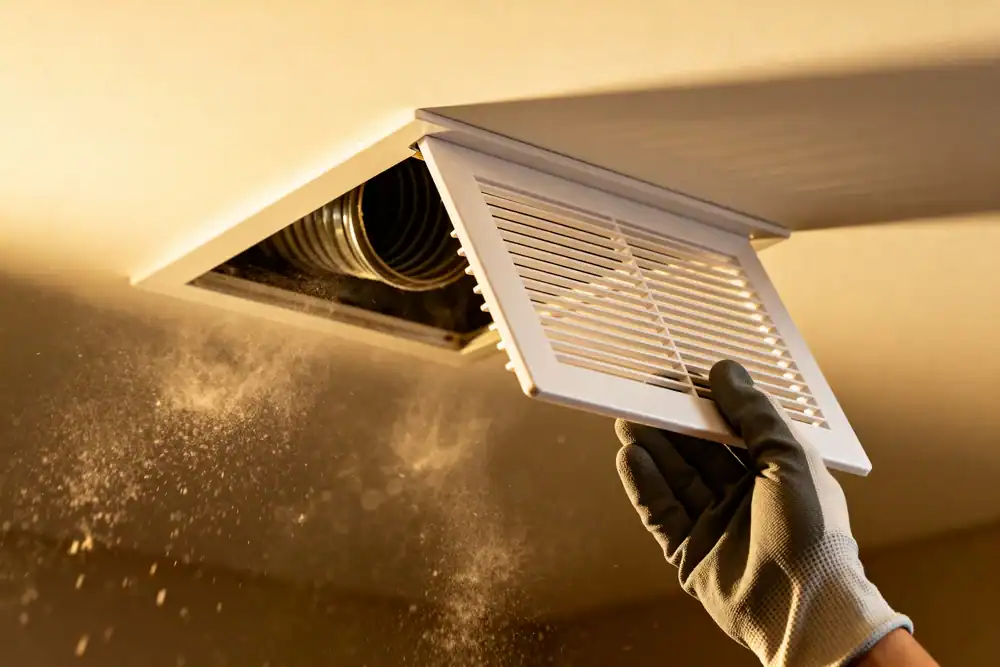
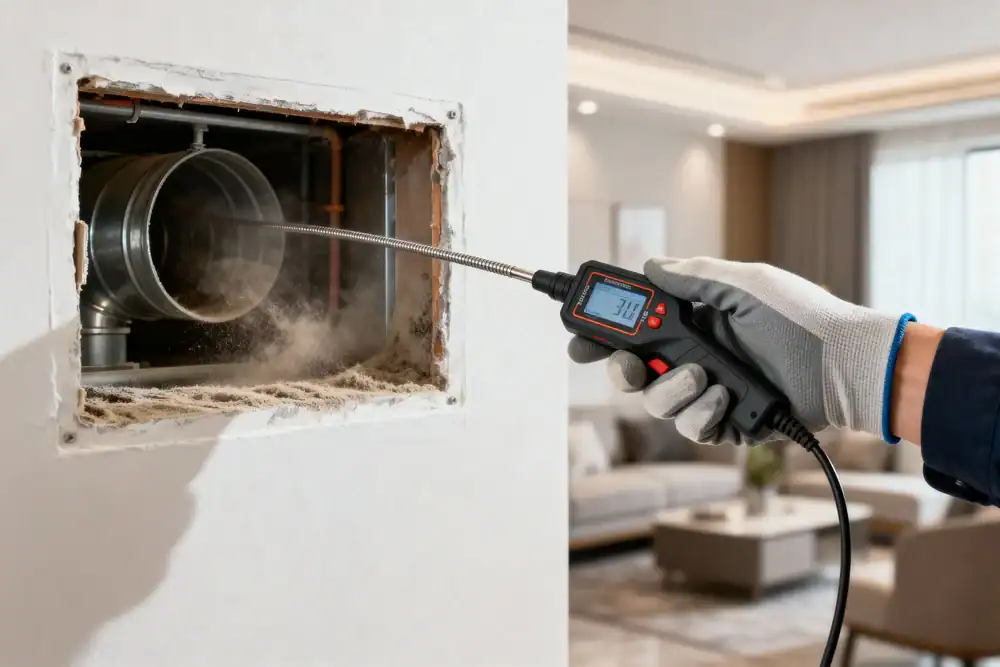
Your energy bill drops because your system isn’t fighting through layers of dust and debris to push air. Most homes see a 25-40% reduction in wasted heating and cooling energy once the blockage is gone.
The air in your home stops recycling the same allergens. Pine pollen, dust mites, pet dander—it’s all been sitting in your ductwork getting blown back into your rooms every time the system kicks on. Once it’s removed, you’ll notice fewer allergy flare-ups and less dust settling on your furniture within hours of cleaning.
That musty smell disappears. If your home smells damp or stale even after you’ve cleaned everything, it’s likely mold or mildew growing inside the ducts. North Carolina’s humidity makes this common. Professional ductwork cleaning addresses the source, not just the symptom.
Your HVAC system lasts longer because it’s not overworking. Clean ducts mean better airflow, less strain on the blower motor, and fewer breakdowns. You’re not just improving comfort—you’re protecting a major investment in your home.
We’ve been cleaning air ducts and improving indoor air quality in Forest Oaks, NC since the early 1990s. We’re NADCA-certified, which means our team follows the National Air Duct Cleaners Association standards—the only nationally recognized certification for this work.
Rick Watson holds both ASCS and CVI certifications. That’s not common in this industry, and it matters because it means the person running your job knows how to properly inspect, clean, and verify results. We’re not a franchise or a carpet company that added duct cleaning as a side service.
Forest Oaks homes deal with specific challenges: high pollen counts, year-round HVAC use, and humidity that creates the perfect environment for mold growth inside ductwork. We’ve seen it all, and we know how to handle the conditions that are unique to this area.

We start with a full inspection of your HVAC system and ductwork. That includes checking your vents, returns, and the main trunk lines. We’ll look for mold, excessive dust buildup, and any damage that could be affecting airflow or air quality.
Once we’ve mapped out the system, we use industrial-grade equipment to remove contaminants. This isn’t a shop vacuum. We’re talking about negative air machines that create suction strong enough to pull debris from deep inside the ducts, combined with rotary brushes and compressed air tools that dislodge buildup from the walls of the ductwork.
We clean every register, grille, and diffuser. We address the blower motor, evaporator coil, and drip pans if needed. The goal is to remove everything that’s restricting airflow or degrading your air quality—not just the easy-to-reach sections.
After the cleaning, we’ll show you the difference. Many of our clients are surprised by how much material comes out of a system that “looks fine” from the outside. We document the work and give you a clear picture of what was removed and what your system looks like now.
Ready to get started?
You get a complete cleaning of your entire HVAC system—not just the ducts. That means supply and return lines, registers, grilles, diffusers, heat exchangers, cooling coils, drip pans, fan motors, and the air handling unit housing.
We also address your crawl space if it’s part of your HVAC airflow. Many Forest Oaks homes have ductwork running through unconditioned crawl spaces, which can introduce moisture, mold, and outside contaminants into your system. If that’s contributing to your air quality issues, we’ll identify it and explain your options.
For commercial properties, we handle larger systems including rooftop units, multi-zone setups, and high-volume ductwork. Restaurants, offices, medical facilities—we’ve cleaned them all. Commercial duct cleaning often involves coordinating around your business hours, and we’re set up to work nights or weekends if that’s what your operation requires.
One thing we don’t do: residential dryer vent cleaning. We focus exclusively on HVAC and air quality systems because that’s where our certifications and expertise lie. If you need dryer vent service, we’re happy to refer you to someone who specializes in that.

Most homes benefit from duct cleaning every three to five years. That’s the general guideline, but your home might need it sooner depending on a few factors.
If you have pets, you’re likely dealing with more dander and hair in the system. If someone in your home has allergies or asthma, you’ll want to clean more frequently to reduce triggers. If you’ve recently completed a renovation, there’s probably drywall dust and construction debris in your ducts that needs to come out.
Forest Oaks homes also deal with heavy pollen seasons. If you’re running your HVAC year-round and you’re near wooded areas, pollen and organic material accumulate faster. You’ll know it’s time when you see dust reappearing quickly after cleaning, notice reduced airflow from your vents, or smell something musty when the system runs.
Yes, but the savings depend on how dirty your system is. The U.S. Department of Energy estimates that 25-40% of heating and cooling energy is wasted when ducts are clogged with debris.
When your ducts are blocked, your blower motor has to work harder to move the same amount of air. That means longer run times, more energy consumed, and higher utility bills. After a thorough cleaning, airflow improves and your system doesn’t have to compensate for the resistance.
Recent studies on commercial systems showed energy savings between 41-60% on fan and blower energy after professional cleaning. Residential systems typically see smaller but still significant reductions. The dirtier your ducts were to begin with, the more noticeable the improvement. Most of our clients report lower bills within the first month, especially during peak heating or cooling seasons.
There are a few clear signs that point to dirty ductwork. If you’re dusting your home and surfaces are covered again within a day or two, your ducts are likely redistributing particles every time the system runs.
Uneven temperatures between rooms can also indicate blockages in certain ducts. If one bedroom is always warmer or cooler than the rest of the house, restricted airflow might be the cause. Musty or stale odors that don’t go away even after deep cleaning your home usually mean mold or mildew inside the HVAC system.
Visible mold around vents, excessive dust blowing out when the system starts, or allergy symptoms that get worse indoors are all red flags. If you’re unsure, we can do an inspection and show you exactly what’s going on inside your ducts. Sometimes the issue is a failing filter, a leak in the ductwork, or an undersized return—problems that cleaning alone won’t fix. We’ll tell you what you actually need, not just what we can sell you.
Yes, when it’s done correctly by someone who knows what they’re doing. Older systems actually benefit more from cleaning because they’ve had decades to accumulate buildup.
The key is using the right equipment and technique for your specific ductwork. Flex duct, sheet metal, and duct board all require different approaches. Aggressive brushing on old, brittle duct board can cause damage. High-pressure air on disconnected joints can make leaks worse.
That’s why certification matters. NADCA-trained technicians know how to inspect first, identify weak points, and adjust the cleaning method to match the condition of your system. We’ve cleaned systems from the 1980s and 90s without issue because we’re not using one-size-fits-all methods. If we find ductwork that’s too damaged to clean safely, we’ll tell you before we start. In some cases, replacement makes more sense than cleaning—but that’s rare, and we’ll give you an honest assessment either way.
Your air filter catches particles before they enter the system, but it doesn’t remove what’s already inside. Over time, dust, pollen, and debris build up on the walls of your ductwork, around your blower motor, and on your cooling coils. Changing the filter regularly helps slow that process, but it doesn’t reverse it.
Think of it like this: replacing your filter is routine maintenance. Duct cleaning is deep cleaning. Even with a new filter every month, you’re still circulating air through ducts that might have years of accumulation coating the interior surfaces.
Duct cleaning also addresses areas your filter doesn’t protect—return ducts, the blower compartment, and the evaporator coil. These components get dirty regardless of how often you change the filter. A clean filter and clean ducts work together. One doesn’t replace the other. If you’re changing filters on schedule and you’re still dealing with dust or airflow problems, the ducts are likely the issue.
Yes. We handle commercial duct cleaning for offices, retail spaces, restaurants, medical facilities, and multi-unit buildings. Commercial systems are more complex than residential—they’re larger, they run longer hours, and they often have specialized filtration or ventilation requirements.
We’re equipped to work on rooftop units, variable air volume systems, and multi-zone setups. We can also coordinate service around your business hours to avoid disrupting your operations. A lot of our commercial work happens at night or on weekends for that reason.
Commercial duct cleaning isn’t just about air quality—it’s about compliance, efficiency, and tenant comfort. Poor indoor air quality affects productivity and health. Dirty coils and blowers increase energy costs. If you’re in food service or healthcare, clean ductwork is part of maintaining a safe environment. We’ll work with your facility manager to schedule the service, document the work, and provide records for your maintenance files or inspections.