

Contact Info
- Greensboro, NC 27406
- Call: 336-707-0498
- Text: 336-707-0498
-
Mon - Fri: 8am - 4pm
Sat - Sun: Closed
Contact Info
Your energy bills drop. Not by a little—by enough that you’ll notice it in the first billing cycle after we’re done.
Clean ductwork means your HVAC system stops working overtime just to push air through clogged vents. That translates to 20-30% lower energy costs for most commercial buildings in the Gibsonville area. Your system runs quieter, maintains temperature more consistently, and doesn’t cycle on and off constantly trying to compensate for restricted airflow.
Your employees stop complaining about stuffy air, random cold spots, or that musty smell that seems to come from nowhere. When ducts are clean, you’re not recirculating dust, mold spores, and whatever else has been building up in there for years. Fewer sick days. Fewer complaints. Better productivity from people who can actually breathe comfortably while they work.
Your HVAC equipment lasts longer. We’re talking 30-50% longer lifespan when your system isn’t straining against dirty ductwork. That’s potentially years of avoided replacement costs—easily $5,000 to $10,000 you don’t have to spend prematurely.
We don’t clean residential dryer vents or handle homeowner jobs. We focus exclusively on commercial and light industrial ductwork cleaning across Gibsonville, Greensboro, and the surrounding Triad area.
That matters because commercial HVAC systems are completely different animals. They’re bigger, more complex, and they require specialized equipment and knowledge that generalist companies just don’t have. We’ve invested in the tools and training to handle these systems correctly—not just make them look clean, but actually restore them to proper function.
We understand what facility managers and business owners in this area deal with. North Carolina’s humidity creates mold problems in poorly ventilated commercial spaces. The mix of seasonal pollen, industrial activity, and vehicle emissions in the Triad means your ductwork is constantly filtering out contaminants. When that builds up, it doesn’t just sit there—it recirculates through your building every time your system runs.

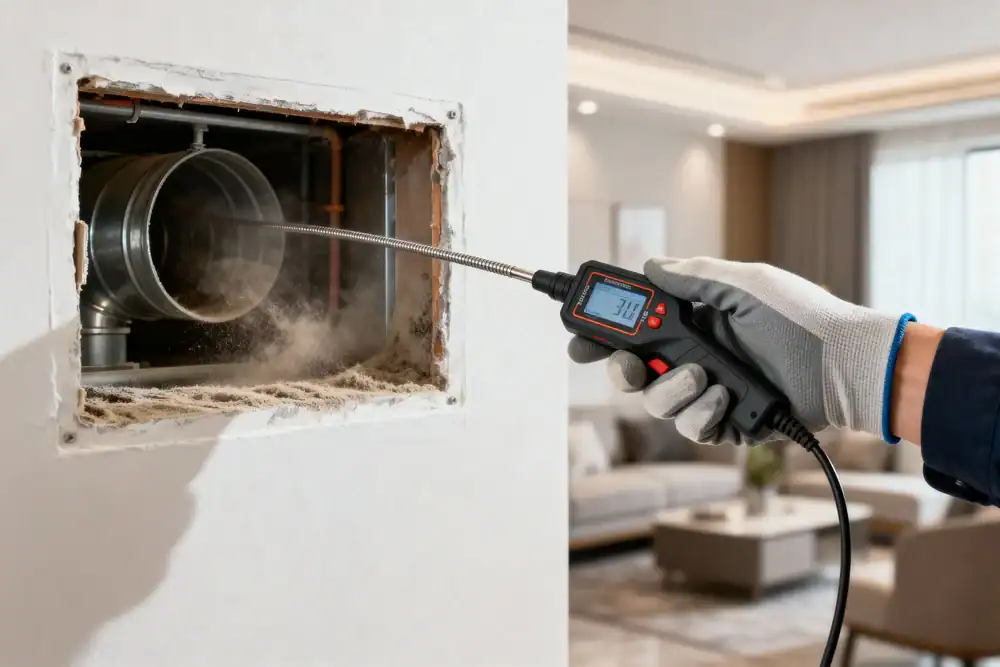
We start with a full system inspection using cameras and diagnostic tools. You need to see what’s actually in there before we start—and we need to identify any damage, disconnections, or problem areas that cleaning alone won’t fix.
Then we seal off your vents and use negative pressure equipment to contain everything we’re about to remove. This isn’t a shop vac operation. We’re using commercial-grade HEPA-filtered vacuum systems that create suction throughout your entire duct network while we physically agitate and remove buildup from every surface.
We clean from the inside out using rotating brushes, compressed air tools, and when necessary, specialized equipment for heavy contamination. Every register, every return, every section of ductwork gets addressed. We’re following NADCA standards for source removal—the only method that actually works.
After cleaning, we do a post-inspection so you can see the difference. We document airflow improvements, pressure changes, and the actual condition of your system. You’re not taking our word for it—you’re seeing measurable results.
Ready to get started?
You get a complete cleaning of your entire HVAC duct system—supply lines, return air ducts, registers, grilles, diffusers, and the air handling unit components. We’re not just hitting the easy-to-reach spots and calling it done.
In Gibsonville and the Triad area, we’re dealing with specific challenges. The humidity here makes mold growth in ductwork a real issue, especially in buildings with inconsistent climate control or areas that don’t get used regularly. We address that with proper cleaning methods and can recommend solutions if we find active mold problems that need remediation beyond standard cleaning.
We also handle the reality of commercial buildings in this region—many are 20+ years old with ductwork that’s never been properly cleaned. Older systems often have construction debris, failed insulation, or damage from previous work that’s been covered up. We find those problems and give you straight answers about what needs to be fixed versus what just needs cleaning.
The service includes documentation of before and after conditions, airflow measurements, and a realistic assessment of your system’s condition. If your ductwork has issues beyond cleaning, we’ll tell you. If it just needs maintenance, we’ll tell you that too.

It depends entirely on your building size and system complexity, but most commercial jobs in the Gibsonville area run between $1,500 and $5,000. Smaller office buildings with straightforward systems cost less. Larger facilities, restaurants with grease buildup, or buildings with accessibility issues cost more.
Here’s what affects pricing: total square footage, number of HVAC units, how accessible your ductwork is, and how contaminated the system is. A 5,000 square foot office with two rooftop units and accessible ductwork is straightforward. A 20,000 square foot warehouse with ductwork running through tight crawlspaces and heavy contamination takes more time and equipment.
We give you an actual quote after seeing your system—not a phone estimate that changes when we show up. Most commercial duct cleaning pays for itself within 6-24 months just from energy savings, and that’s before you factor in equipment longevity and reduced maintenance costs.
Most commercial buildings in Gibsonville need duct cleaning every 3-5 years under normal conditions. But “normal” doesn’t apply to every business.
Restaurants, medical facilities, manufacturing spaces, and buildings with high occupancy need more frequent cleaning—sometimes annually. If your business generates dust, uses chemicals, or has processes that put particulates in the air, your ductwork is working harder and getting dirtier faster. Same goes for buildings with indoor air quality complaints or employees with respiratory issues.
North Carolina’s humidity is also a factor. Buildings that aren’t climate-controlled year-round or have moisture issues need more frequent attention because mold grows fast in damp ductwork. If you’re seeing visible mold, smelling musty odors, or dealing with unexplained increases in energy costs, don’t wait for the 3-year mark. Those are signs your system needs attention now.
It’s real, and it’s measurable. Clean ductwork reduces the energy your HVAC system needs to move air through your building. When ducts are clogged with dust and debris, your system works harder—running longer cycles, using more power, and still not maintaining consistent temperatures.
Studies show commercial buildings can see 20-30% reductions in HVAC energy costs after proper duct cleaning. The exact savings depend on how dirty your system was and how efficient your equipment is, but even modest improvements add up fast when you’re running commercial HVAC systems.
Here’s the thing—you’ll see the difference in your first full billing cycle after cleaning. If your system was significantly restricted, the improvement is obvious. Your HVAC runs less frequently, maintains temperature more easily, and stops cycling on and off constantly. That’s less wear on equipment and lower utility bills every single month.
Commercial systems are exponentially more complex. You’re dealing with larger ductwork, multiple air handling units, longer duct runs, and systems that operate under completely different demands than a house.
Commercial duct cleaning requires different equipment—industrial-grade negative air machines, longer hoses and brushes, and diagnostic tools that can handle large-scale systems. The cleaning process takes longer because there’s simply more area to cover and the contamination is often heavier due to higher usage and longer intervals between cleanings.
The stakes are different too. When a commercial system isn’t working right, it affects employee productivity, customer comfort, and your bottom line through higher energy costs. A residential cleaning might take 2-4 hours. A commercial job can take a full day or more depending on building size. That’s why we only do commercial work—it requires specialized knowledge and equipment that residential-focused companies don’t have.
Visible dust blowing out of vents is an obvious sign, but there are earlier indicators. Unexplained increases in energy bills despite no change in usage patterns usually mean your system is working harder than it should. Poor airflow or inconsistent temperatures between different areas of your building point to restricted ductwork.
Musty or stale odors when your HVAC runs mean something’s growing in there—usually mold or mildew that’s recirculating through your building every time the system kicks on. If employees are complaining about air quality, experiencing more respiratory issues, or you’re seeing more dust accumulation on surfaces despite regular cleaning, your ductwork is likely the source.
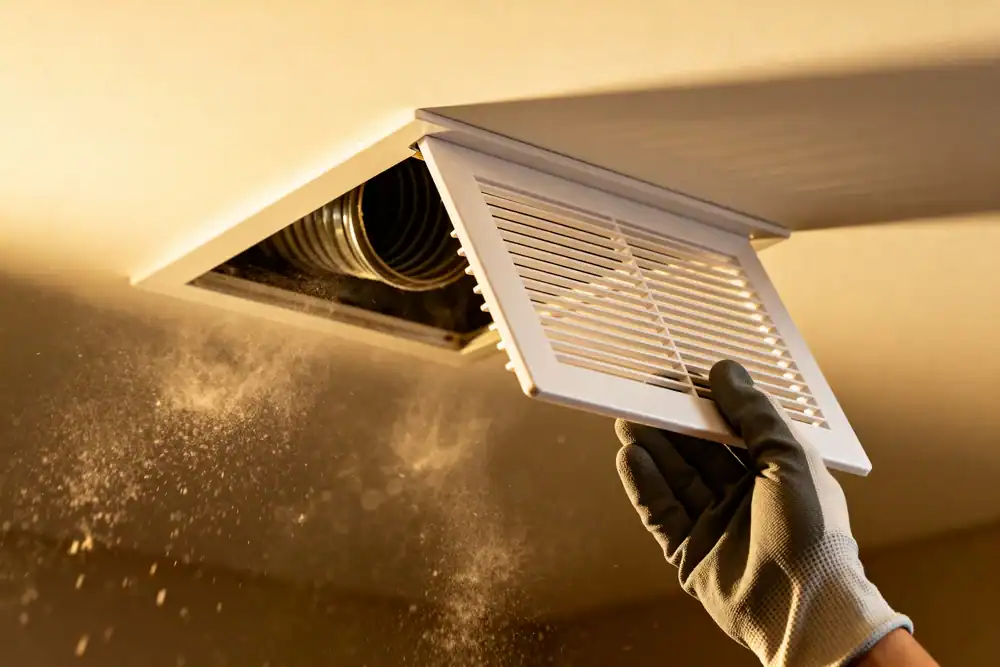
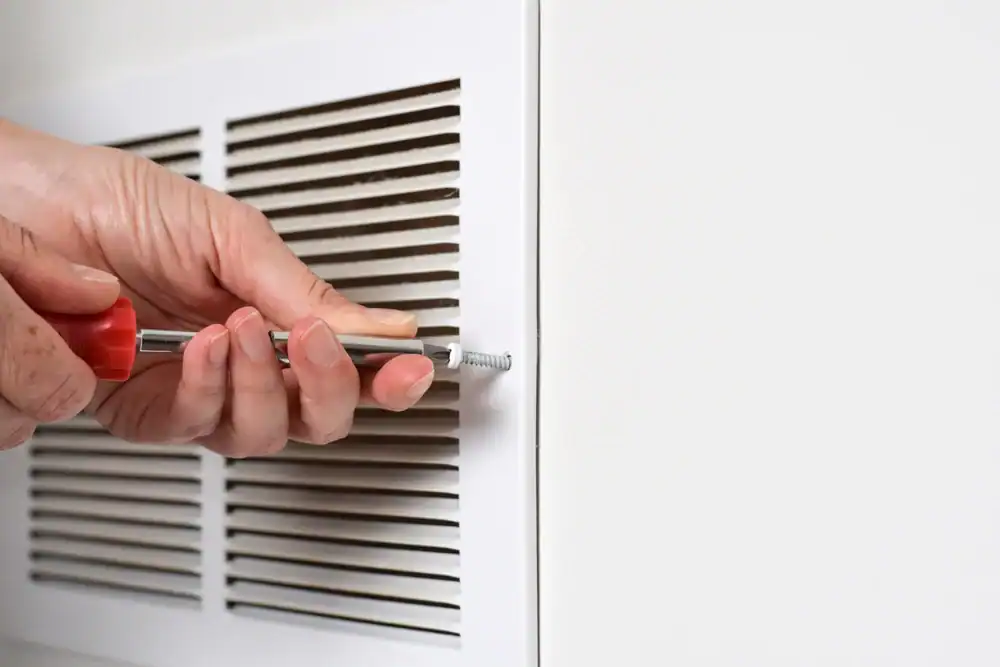
You can also just look. Pull a vent cover off and shine a light into the duct. If you see visible buildup, debris, or any signs of mold growth, the rest of your system is probably worse. The parts you can see are usually cleaner than the sections buried in walls and ceilings where contamination really accumulates.
We handle duct cleaning, and if we find mold during that process, we address it as part of the cleaning when it’s surface contamination. But if you have active mold growth that’s resulted from water damage, ongoing moisture problems, or contamination that’s spread beyond the ductwork, that requires proper mold remediation—not just duct cleaning.
Here’s the distinction: mold on duct surfaces from normal humidity and dust accumulation gets removed during a thorough cleaning. Mold that’s growing because you have a roof leak, condensation problems, or moisture intrusion needs the source fixed first, then proper remediation, then duct cleaning.
We’ll tell you which situation you’re dealing with. If your building needs mold remediation before or in addition to duct cleaning, we’ll be straight about that. North Carolina’s humidity makes mold a common issue in commercial buildings, especially older ones or facilities with climate control problems. Getting it handled correctly the first time costs less than doing it twice.