

Contact Info
- Greensboro, NC 27406
- Call: 336-707-0498
- Text: 336-707-0498
-
Mon - Fri: 8am - 4pm
Sat - Sun: Closed
Contact Info
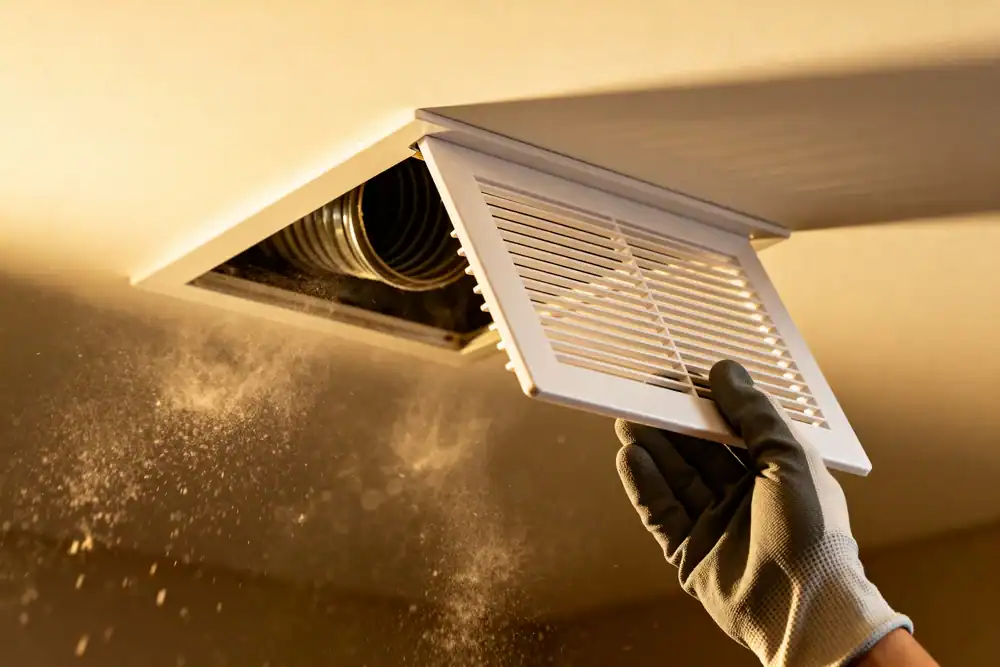
Your HVAC system wasn’t designed to push air through inches of dust and debris. When ductwork is clean, your system runs the way it’s supposed to—using less energy to maintain temperature, putting less strain on components, and circulating air that doesn’t make people cough.
You’ll notice the difference in your energy bills first. Clean ducts reduce HVAC energy consumption by around 11%, which adds up fast when you’re heating or cooling a commercial building. Your equipment lasts longer too, because it’s not working overtime to compensate for restricted airflow.
The air quality improvement is immediate. No more dust settling on desks overnight. Fewer complaints about stuffiness or allergies. Just cleaner air moving through a system that’s finally doing its job efficiently.
We’ve been handling commercial duct cleaning across Guilford, Randolph, Alamance, and Forsyth Counties for over 30 years. We’ve seen what happens when systems get neglected, and we know exactly how to fix them.
We use HEPA-filtered equipment and negative air pressure systems—the same approach that works in healthcare facilities and schools. No shortcuts, no half-measures. Just thorough cleaning that actually makes a difference in how your building performs.
Guilford County has plenty of older commercial buildings with HVAC systems that have been running for decades. We’ve cleaned them all—from small office spaces to large industrial facilities—and we understand what local businesses need to keep their systems running efficiently.

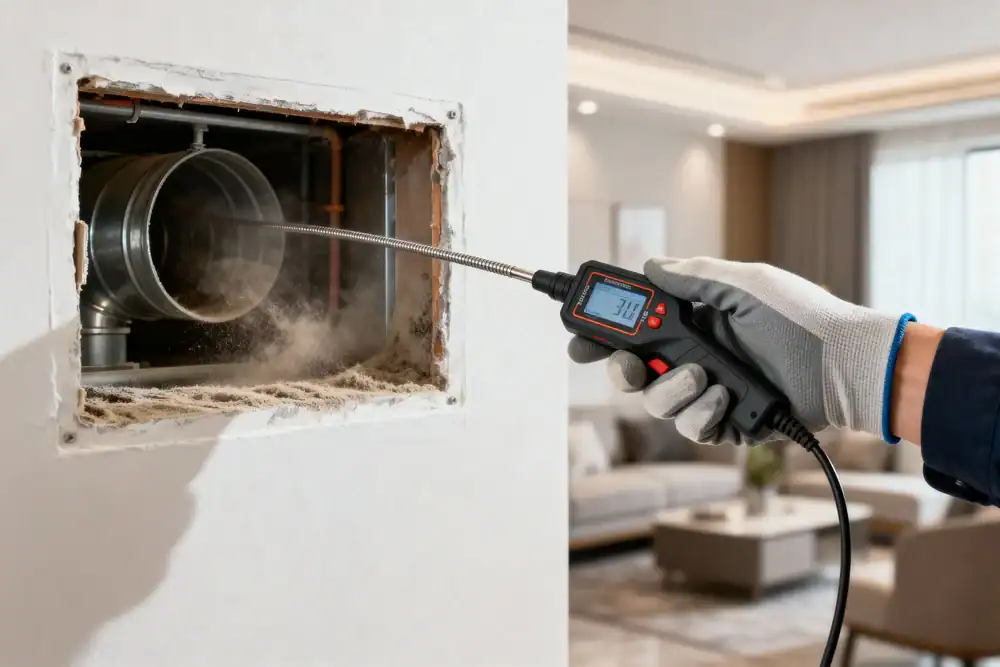
We start with a full system inspection to see what we’re dealing with. That means looking at your ductwork, checking access points, and identifying where buildup is worst. You’ll know upfront what needs attention and why.
Next comes the actual cleaning. We seal off your system and use negative air pressure to pull debris out while HEPA filters capture everything—dust, allergens, particulates, all of it. We clean supply and return ducts, not just the easy-to-reach sections. The equipment we use is designed for commercial systems, so we can handle large ductwork and complex layouts.
After cleaning, we inspect again to make sure everything’s clear. You get a system that’s back to moving air the way it should, without the buildup that’s been costing you money and affecting your indoor environment. The whole process is scheduled around your business operations, so there’s minimal disruption to your day.
Ready to get started?
A real duct cleaning covers your entire HVAC system—supply ducts, return air ducts, registers, grilles, diffusers, heat exchangers, and cooling coils. We’re not just blowing air through your vents and calling it done. We’re removing the accumulated debris that’s been building up for years.
In Guilford County, commercial buildings deal with specific challenges. Pollen counts run high in spring. Humidity in summer creates conditions for mold growth. Older buildings often have ductwork that’s never been properly cleaned. We address all of it—the visible dust on registers and the hidden buildup deep in your system.
You’ll also get documentation of the work. That matters if you’re maintaining LEED certification, following EPA guidelines, or just want proof that your facility is being properly maintained. Nearly half of commercial buildings in developed regions now require annual HVAC inspections, and clean ductwork is part of that compliance picture.

Look at your air registers. If there’s visible dust or debris around the vents, that’s what’s circulating through your building. Check your energy bills too—if your HVAC system is running longer to maintain temperature, clogged ducts are often the reason.
You’ll also notice it in how your space feels. Persistent dust on surfaces, musty odors when the system kicks on, or employees complaining about allergies and stuffiness—these are signs that your ductwork isn’t doing its job. Most commercial systems should be inspected annually, and if it’s been more than a few years since your last cleaning, you’re likely due.
The buildup happens gradually, so you might not realize how bad it’s gotten until you see what comes out during a professional cleaning. We’ve pulled out everything from construction debris to years of accumulated dust and allergens. Once you see it, you understand why your system has been struggling.
We create negative pressure in your duct system using specialized equipment that pulls air and debris toward collection points. HEPA filtration captures everything as it’s removed, so contaminants don’t end up back in your building. We access your ductwork through existing openings or create access points where needed, then use rotating brushes and compressed air tools to dislodge buildup from duct walls.
The process is methodical. We work through each section of your system—supply side and return side—making sure we’re actually removing debris, not just pushing it around. For commercial systems, this often means dealing with larger ductwork, longer runs, and more complex configurations than residential setups.
We also clean components beyond just the ducts themselves. Registers, grilles, cooling coils, and heat exchangers all get attention, because buildup in any part of your system affects overall performance. The goal is a complete cleaning that restores your HVAC system to proper function, not a surface-level job that leaves half the problem untouched.
Cost depends on the size of your system, how much ductwork you have, and how accessible it is. A small office building with a straightforward layout costs less than a large facility with multiple HVAC units and complex ductwork. The condition of your system matters too—if it hasn’t been cleaned in decades, it takes longer.
What you’re really paying for is the equipment, expertise, and time to do it right. Professional commercial duct cleaning uses industrial-grade vacuums, HEPA filtration, and specialized tools that cost significantly more than residential equipment. You’re also paying for technicians who understand commercial HVAC systems and know how to clean them without causing damage.
The return on investment shows up in your energy bills and equipment lifespan. An 11% reduction in HVAC energy consumption adds up quickly for a commercial building. Avoiding premature system replacement because your equipment isn’t burning itself out fighting against clogged ducts saves even more. Most businesses find that professional cleaning pays for itself within the first year through energy savings alone.
Most commercial buildings benefit from professional duct cleaning every three to five years under normal conditions. If your facility has specific challenges—high occupancy, manufacturing processes that create dust, or previous water damage—you might need more frequent cleaning.
Buildings with higher air quality standards need it more often. Healthcare facilities, schools, and office buildings where indoor air quality directly affects occupant health and productivity often schedule annual inspections and cleanings. If you’re maintaining LEED certification or following EPA indoor air quality guidelines, regular duct cleaning is part of that compliance.
You can extend the time between cleanings by changing filters regularly and addressing issues quickly when they come up. But there’s no way to completely prevent buildup in ductwork—it’s just part of how HVAC systems work. The debris accumulates over time, and eventually, you need professional equipment to remove it properly. Waiting too long just means more buildup, harder cleaning, and more damage to your system in the meantime.
Yes, if your ducts are dirty. The air circulating through your building passes through your ductwork multiple times per hour. Whatever’s in those ducts—dust, allergens, mold spores, debris—gets distributed throughout your space. Remove that buildup, and you remove the source of contamination.
You’ll see the difference in reduced dust accumulation on surfaces, fewer odors when the HVAC system runs, and often fewer complaints about allergies or respiratory irritation from occupants. Commercial buildings with better air quality consistently report improved employee productivity and satisfaction, because people simply feel better in spaces where the air is clean.
That said, duct cleaning isn’t a cure-all. If you have ongoing moisture problems, poor ventilation, or other air quality issues, those need to be addressed separately. But dirty ductwork is one of the most common and fixable causes of poor indoor air quality in commercial buildings. Clean ducts mean your HVAC system is circulating clean air instead of redistributing contaminants, and that makes a real difference in how your building feels.
Yes. We’ve been cleaning commercial HVAC systems across Guilford County for over 30 years, including large facilities with complex ductwork and multiple units. The equipment and approach we use are designed specifically for commercial applications, not residential systems scaled up.
Large facilities often have challenges that smaller buildings don’t—longer duct runs, multiple zones, rooftop units, and ductwork that’s harder to access. We plan around those challenges. That means scheduling work during off-hours if needed, coordinating with your facility management team, and making sure we’re not disrupting your operations.
We also understand that commercial clients need documentation. You get a detailed report of what was done, what we found, and what condition your system is in after cleaning. If you’re dealing with regulatory requirements, insurance questions, or just want records for your facility maintenance files, we provide what you need. The goal is a thorough cleaning that’s done professionally, on schedule, and with minimal impact on your business.