

Contact Info
- Greensboro, NC 27406
- Call: 336-707-0498
- Text: 336-707-0498
-
Mon - Fri: 8am - 4pm
Sat - Sun: Closed
Contact Info
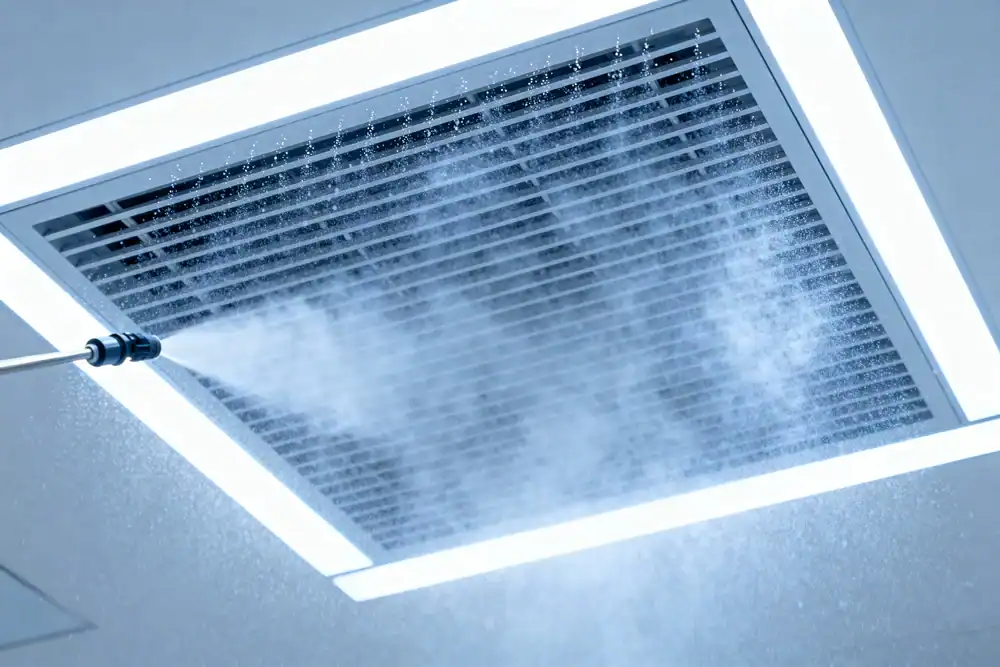
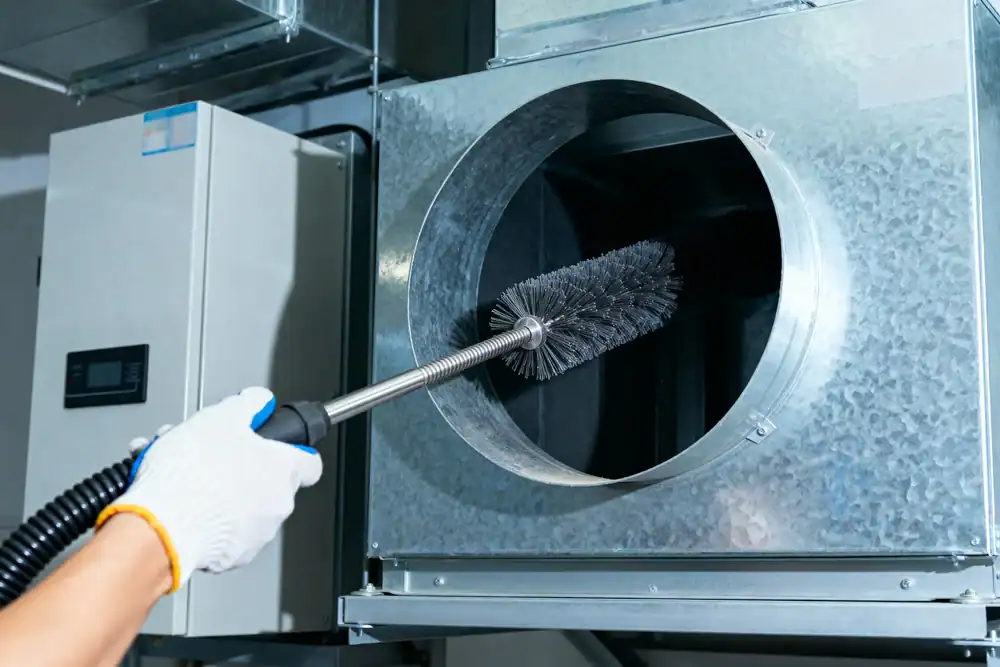
Your HVAC system stops fighting itself. Airflow improves, heating and cooling become predictable again, and your equipment isn’t burning extra energy just to keep up.
Employees stop complaining about stuffiness, dust, or that stale smell that never quite goes away. Customers walk into a space that feels clean—not one that smells like old air and neglect.
You’re also not gambling with fire safety or code violations. Clean ductwork means your system runs cooler, lasts longer, and doesn’t put your property at risk. It’s basic maintenance that most businesses skip until something breaks or someone gets sick.
We operate out of Greensboro and serve commercial properties across Archdale and the surrounding Triad. Rick Watson holds ASCS and CVI certifications. Noah Watson is ASCS certified. Both are trained through NADCA, which means we follow the actual standards for commercial HVAC system cleaning—not just the shortcuts.
We’ve cleaned ductwork in office buildings, warehouses, retail spaces, and restaurants throughout the area. The Triad has over 50 duct cleaning companies, but most don’t have certified personnel or the equipment to handle commercial jobs correctly. We do.
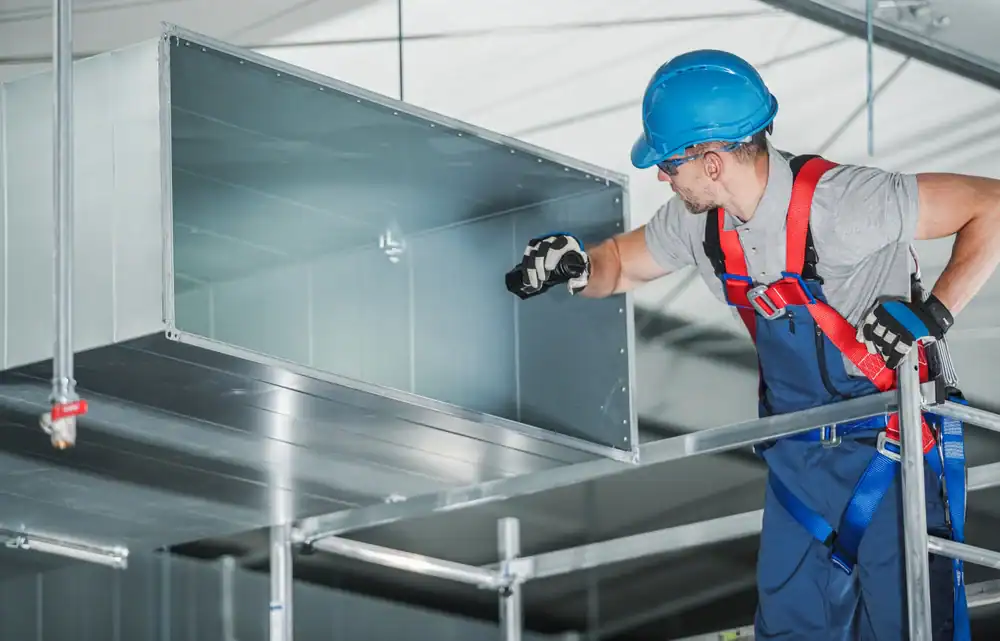
We start with an inspection. That means cameras, airflow readings, and a walk-through of your HVAC setup so we know what we’re dealing with. You’ll see what’s inside your ducts before we touch anything.
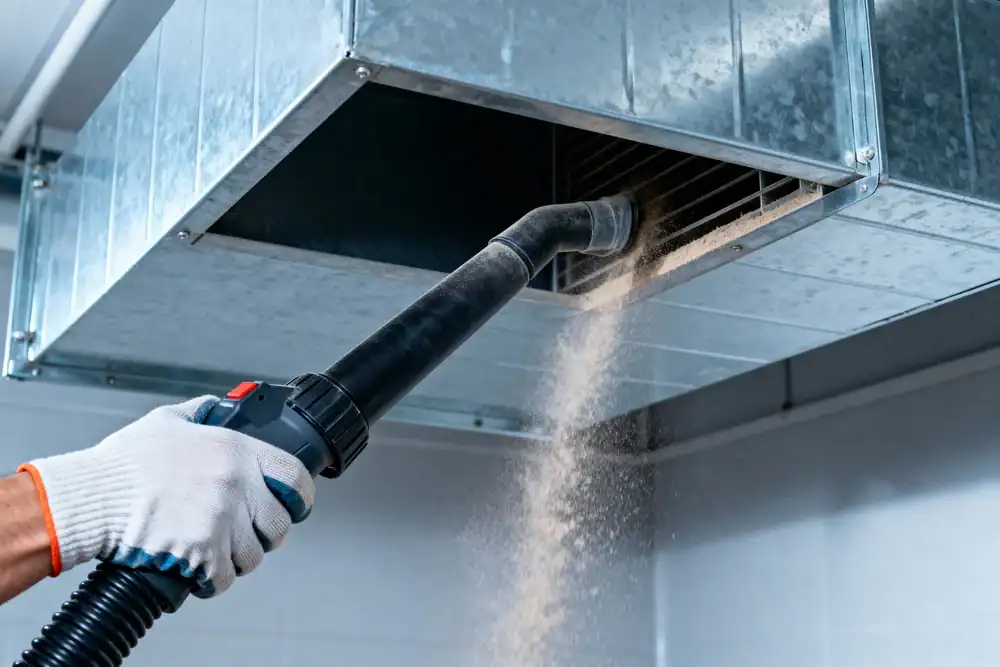
Then we set up containment and negative air pressure using HEPA-filtered equipment. This keeps dust and debris from spreading into your workspace while we’re pulling it out of the system. We clean supply and return ducts, registers, grilles, and the air handler itself—not just the easy-to-reach sections.
Once everything’s cleared, we do a final inspection and show you the difference. You’ll know exactly what was removed and what your system looks like now. Most jobs are scheduled after hours or on weekends so your business isn’t disrupted.
Ready to get started?
You get a full system cleaning—not a quick pass with a vacuum. That includes all accessible ductwork, supply and return vents, diffusers, grilles, registers, and the air handling unit. We also inspect for mold, moisture issues, and any damage that could be costing you efficiency.
Archdale’s mix of older commercial buildings and newer construction means every system is different. Older properties often have decades of buildup. Newer buildings might have construction debris still sitting in the ducts from installation. Either way, we’re pulling out everything that doesn’t belong.
We use truck-mounted equipment with enough suction to clear heavy debris, not just surface dust. If your system hasn’t been cleaned in years—or ever—you’re looking at lint, dirt, insulation fragments, and sometimes rodent droppings. That’s what’s circulating every time your HVAC kicks on.
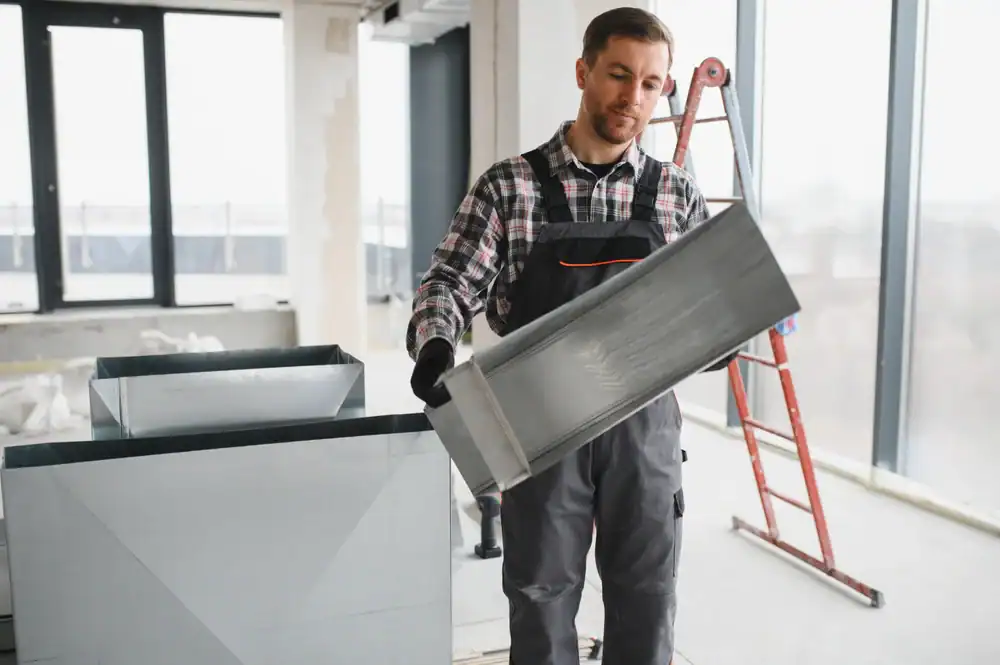
NADCA recommends inspection every two years and cleaning as needed based on what’s found. For most commercial properties, that means a full cleaning every three to five years.
High-traffic businesses like restaurants or retail spaces might need it more often. Same goes for warehouses or industrial facilities where dust and particulates are constant. If your filters are clogging faster than they should, or if employees are complaining about air quality, don’t wait for the schedule—get it checked.
Buildings in the Triad deal with pollen, humidity, and seasonal temperature swings that all affect indoor air. Waiting too long just means your system works harder, costs more to run, and wears out faster.
Not if it’s scheduled right. Most commercial jobs happen after hours, on weekends, or during planned shutdowns so your team and customers aren’t affected.
We contain the work area and use equipment designed to keep dust and debris out of your space. You’re not dealing with a mess in the morning or complaints from tenants. The system is offline during cleaning, but we coordinate timing with you so it doesn’t interfere with peak hours.
For larger facilities, we can work in phases—cleaning sections of the building over multiple visits instead of shutting everything down at once. The goal is to get the work done without creating problems for your operation.
It depends on the size of your system, how much ductwork you have, and what condition it’s in. A small office might run a few hundred dollars. A large warehouse or multi-tenant building could be several thousand.
We don’t quote over the phone because every system is different. What matters is whether the company doing the work is actually cleaning the entire system or just hitting the visible parts and calling it done. Cheap quotes usually mean shortcuts—partial cleaning, no inspection, or skipping the air handler entirely.
You’re paying for certified technicians, commercial-grade equipment, and a process that follows NADCA standards. That’s not the same as a residential duct cleaning company trying to upsell you on a commercial job they’re not equipped to handle.
Commercial systems are bigger, more complex, and require different equipment. You’re dealing with larger ductwork, multiple zones, rooftop units, and air handlers that serve entire floors or buildings. Residential equipment won’t cut it.
Commercial jobs also need to meet different codes and standards. OSHA and EPA regulations apply to commercial indoor air quality in ways they don’t for homes. You need a team that understands those requirements and has the certifications to back it up.
The stakes are higher too. A dirty residential system affects one family. A dirty commercial system affects employees, customers, and your bottom line through higher energy costs, sick days, and potential liability. That’s why NADCA certification matters—it’s proof we know how to handle commercial HVAC cleaning correctly.
Yes. The American College of Allergists says 50% of illnesses are caused or aggravated by poor indoor air. Dust, mold spores, bacteria, and other contaminants build up in ductwork and get pushed into your workspace every time the system runs.
Employees with asthma or allergies feel it first—sneezing, coughing, headaches, fatigue. But even healthy people are affected by poor air quality over time. Productivity drops, sick days increase, and you’re dealing with complaints about the workspace feeling stuffy or uncomfortable.
If your team is constantly dealing with respiratory issues or if air quality has become a recurring complaint, your ductwork is a likely culprit. Cleaning it won’t solve every problem, but it removes one major source of contamination that’s entirely preventable.
Visible dust around vents is the easiest sign. If registers and grilles are caked with buildup, the inside of your ducts looks worse. Musty or stale odors that don’t go away are another red flag—that’s usually mold or accumulated debris.
Rising energy bills without explanation often point to restricted airflow from clogged ductwork. Your system has to work harder to push air through, which burns more energy and wears out components faster. Uneven heating or cooling across the building is another symptom of blocked or dirty ducts.
The only way to know for sure is an inspection. We use cameras to show you what’s inside your system so you’re making decisions based on facts, not guesses. If it’s clean, we’ll tell you. If it needs work, you’ll see exactly why.