

Contact Info
- Greensboro, NC 27406
- Call: 336-707-0498
- Text: 336-707-0498
-
Mon - Fri: 8am - 4pm
Sat - Sun: Closed
Contact Info
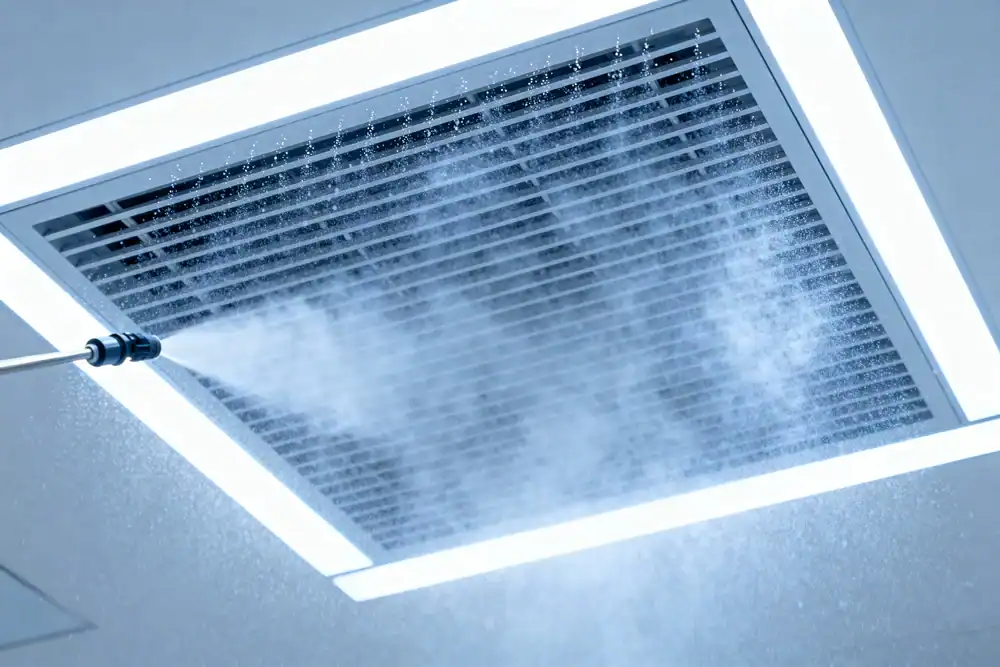
Your HVAC system stops working overtime. According to the US Department of Energy, 25 to 40 percent of the energy used for heating or cooling gets wasted when ducts are clogged with dust and debris. That’s money leaving your building every month.
When your ductwork is clean, your system moves air the way it was designed to. You’ll see lower energy bills—sometimes up to 25% savings. Your equipment lasts longer because it’s not straining against blockages. And your employees aren’t breathing in whatever’s been sitting in those ducts since the last tenant.
Clean ducts also mean fewer service calls. When your HVAC isn’t fighting through layers of buildup, it breaks down less. You’re not dealing with emergency repairs during a heat wave or scrambling to fix airflow issues before a health inspection.
This isn’t about perfect air. It’s about functional air that doesn’t cost you extra or make people uncomfortable. That’s what commercial air duct cleaning does when it’s done right.
We operate out of Burlington, NC with NADCA certification and two ASCS-certified technicians on staff. Rick Watson holds both ASCS and CVI credentials. Noah Watson is ASCS certified. Those aren’t just letters—they mean we’ve passed the exams that prove we understand HVAC design and cleaning methodology.
Burlington’s climate creates specific challenges. Humidity leads to mold growth in ductwork. Seasonal pollen clogs filters faster. We’ve seen what happens when commercial systems go years without proper cleaning, and it’s not subtle.
We use high-powered vacuum systems and robotic cameras to clean and document what we find. You get before-and-after footage, not just our word. We’ve been NADCA members since 2023 and follow their standards because they’re the only ones that matter in this industry.
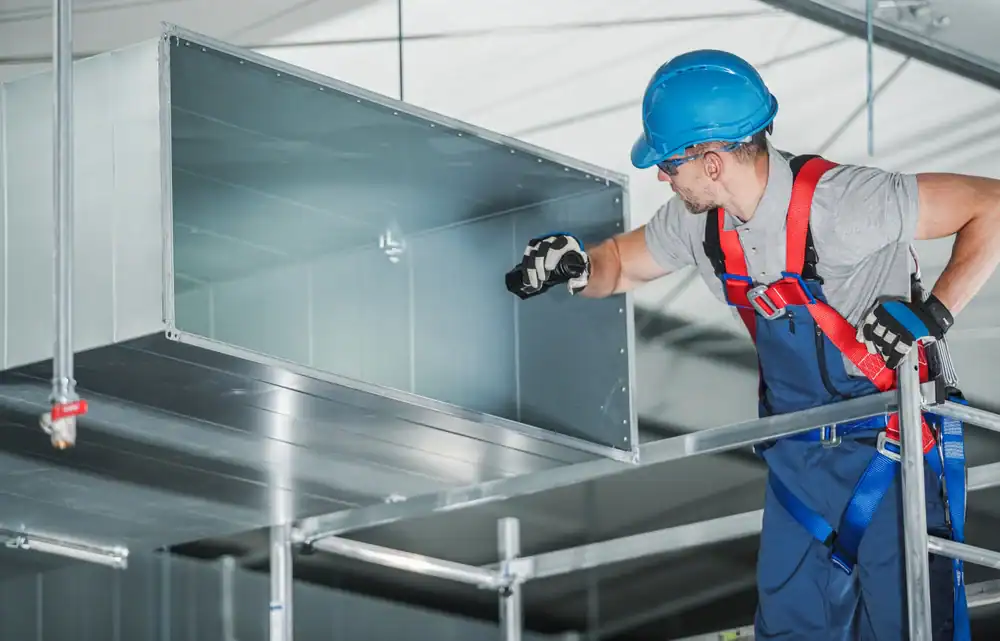
We start with a camera inspection. You see what’s in your ducts before we touch anything. Dust, debris, mold, construction materials—whatever’s in there shows up on video. This isn’t a sales tactic. It’s documentation.
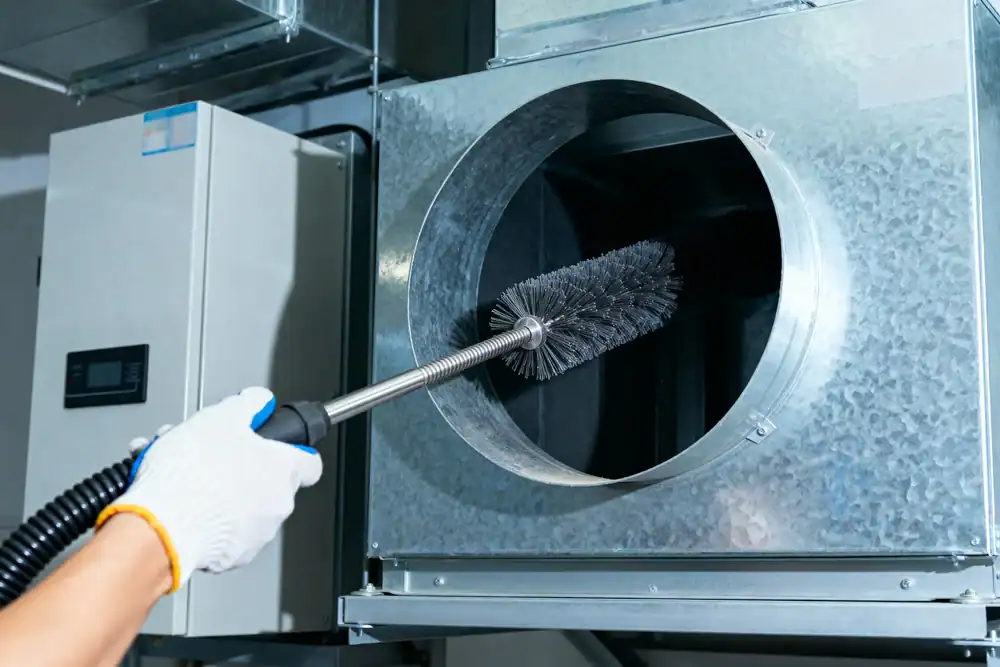
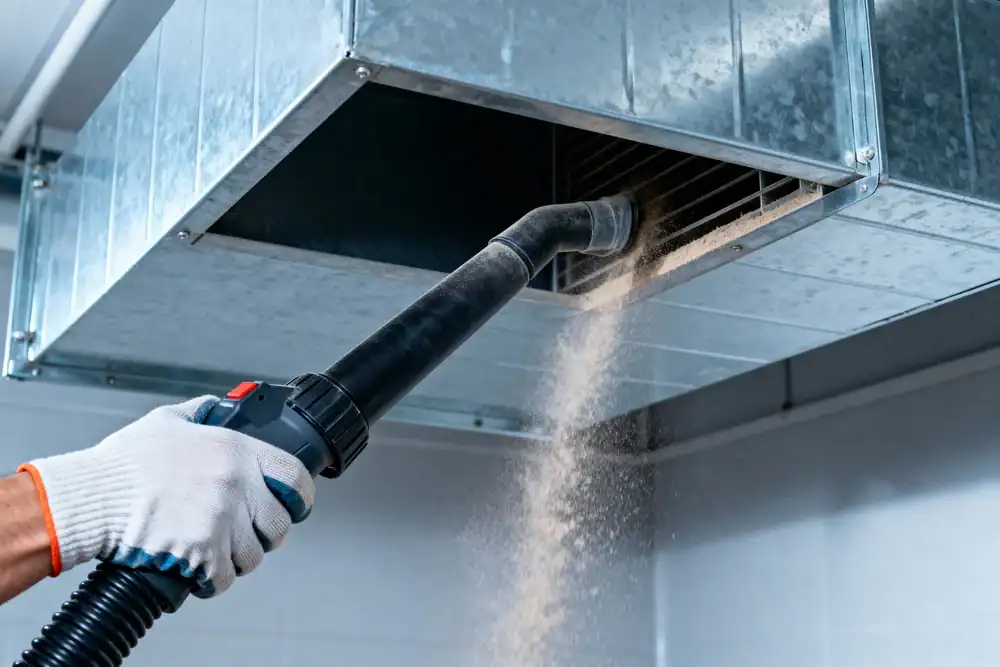
Next, we connect high-volume vacuum equipment to your system. This creates negative pressure that pulls contaminants out while we use rotating brushes and compressed air tools to dislodge buildup from duct walls. The debris goes straight into our containment system, not into your building.
We clean supply and return ducts, registers, grilles, and diffusers. If your system has accessible coils and blower components, we address those too. The goal is to remove what’s blocking airflow and degrading your indoor air quality.
After cleaning, we run another camera through to show you the difference. You get a report with before-and-after images, findings, and recommendations if we spotted issues like damaged insulation or disconnected ductwork. Then your system runs cleaner until the next service interval.
Ready to get started?
You get a full system cleaning—not just the easy-to-reach sections. That means supply ducts, return ducts, registers, grilles, diffusers, and accessible HVAC components. We use truck-mounted or portable vacuum systems depending on your building layout, along with rotary brushes, compressed air whips, and contact cleaning tools.
Every job includes video inspection before and after. You’re not taking our word that the work was done. You’re seeing it. We document problem areas like mold growth, damaged insulation, or disconnected sections that need repair.
In Burlington, we’re dealing with high humidity for most of the year. That creates conditions for mold and mildew inside ductwork, especially in systems that don’t get regular maintenance. We address that buildup and give you a realistic timeline for when you’ll need service again based on your building type and usage.
We also handle duct sealing and indoor air quality assessments if your system needs more than cleaning. But we’ll tell you that upfront, not after we’ve already started the job. You’ll know what you’re paying for before we begin.
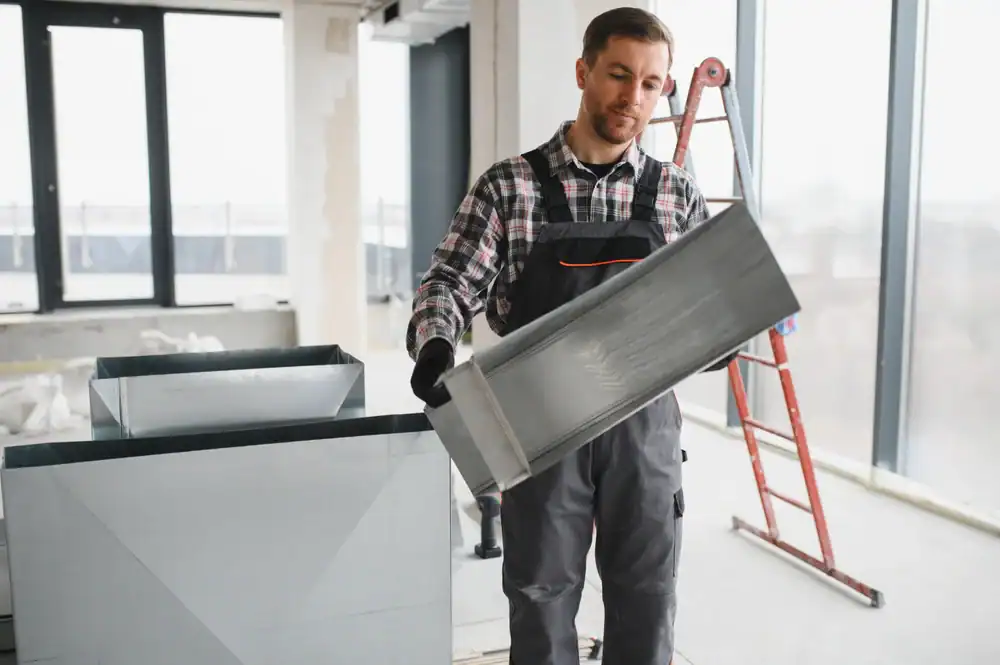
Most commercial buildings in Burlington benefit from duct cleaning every three to five years. That timeline shifts based on your industry and building use. Restaurants, medical offices, and manufacturing facilities usually need more frequent service because of grease, contaminants, or higher air quality standards.
If you’re seeing dust around vents, noticing musty odors, or dealing with uneven heating and cooling, don’t wait for the scheduled interval. Those are signs your system is already compromised. Burlington’s humidity accelerates mold growth in ductwork, especially in buildings with poor ventilation or older HVAC systems.
New construction or recent renovations also mean you should clean sooner. Drywall dust, sawdust, and debris get pulled into ducts during construction and won’t clear out on their own. That material restricts airflow and forces your system to work harder from day one.
Yes, but the savings depend on how dirty your system is. The EPA reports that dust and debris can reduce HVAC efficiency by 21%. When your system is clean, it doesn’t have to work as hard to move air, which directly cuts energy consumption.
Buildings that haven’t had duct cleaning in years see the biggest impact. If your ducts are clogged with dust, pollen, and debris, your HVAC is running longer cycles to reach the same temperature. That’s wasted energy every single day. Clean ducts restore proper airflow, and your system returns to normal operating efficiency.
You might also notice fewer repairs. When your HVAC isn’t straining against blockages, components last longer. That’s another cost savings that adds up over time, even if it’s not as immediate as a lower utility bill.
Look at your vents. If there’s visible dust or debris around the registers, that’s coming from your ductwork. Check your air filters—if they’re clogging faster than they used to, your ducts are feeding them contaminants.
Uneven temperatures across your building are another indicator. When some rooms are too hot and others are too cold, it often means airflow is blocked somewhere in the system. Musty or stale odors when the HVAC kicks on usually point to mold or mildew growth inside the ducts.
You can also request a camera inspection without committing to a full cleaning. We’ll run a camera through your ducts and show you what’s in there. If it’s minimal dust, we’ll tell you to wait. If it’s packed with debris or showing mold growth, you’ll see exactly why cleaning makes sense. No guessing involved.
Commercial systems are bigger, more complex, and have higher stakes. You’re not just dealing with comfort—you’re managing air quality for employees, customers, and regulatory compliance. Commercial ductwork often spans multiple floors, includes longer duct runs, and serves spaces with different ventilation needs.
The equipment is different too. Commercial jobs require more powerful vacuums, longer hoses, and specialized tools to reach all sections of the system. A residential setup won’t cut it when you’re cleaning a 10,000-square-foot office building or a restaurant with kitchen exhaust tied into the HVAC.
Commercial cleaning also involves more documentation. You need records for insurance, health inspections, and building maintenance logs. We provide detailed reports with video evidence and findings because commercial clients need that paper trail. It’s not just about getting the ducts clean—it’s about proving they’re clean.
Yes. NADCA sets the standards for how duct cleaning should be done, and certified technicians have to prove they understand HVAC systems and proper cleaning methods. An ASCS certification means the technician passed an exam covering HVAC design, airflow, contamination assessment, and cleaning techniques.
Non-certified companies can still clean ducts, but there’s no guarantee they’re following best practices. We’ve seen jobs where contractors used shop vacs and called it done. That doesn’t remove embedded debris or address the root contamination issues. It just moves dust around.
NADCA members also agree to a code of ethics that protects you as the customer. If something goes wrong or the work isn’t done to standard, there’s accountability. You’re not just hiring someone with a truck and a vacuum—you’re hiring someone who’s been trained and tested on the right way to do this work.
Dirty ducts circulate dust, allergens, mold spores, and other contaminants throughout your building. For employees with asthma or allergies, that makes symptoms worse. Even healthy employees can experience headaches, fatigue, or respiratory irritation when air quality is poor.
Burlington’s climate creates conditions for mold growth inside ductwork, especially in buildings with humidity control issues. When mold spores circulate through your HVAC system, they affect everyone in the building. That can lead to increased sick days, complaints about air quality, and in some cases, worker’s compensation claims tied to respiratory health.
Cleaning your ducts won’t solve every indoor air quality issue, but it removes a major source of airborne contaminants. If your team is dealing with unexplained health complaints and your ducts haven’t been cleaned in years, that’s a reasonable place to start. Clean air doesn’t guarantee perfect health, but dirty air definitely makes things worse.