
Contact Info
- Greensboro, NC 27406
- Call: 336-707-0498
- Text: 336-707-0498
-
Mon - Fri: 8am - 4pm
Sat - Sun: Closed
Contact Info
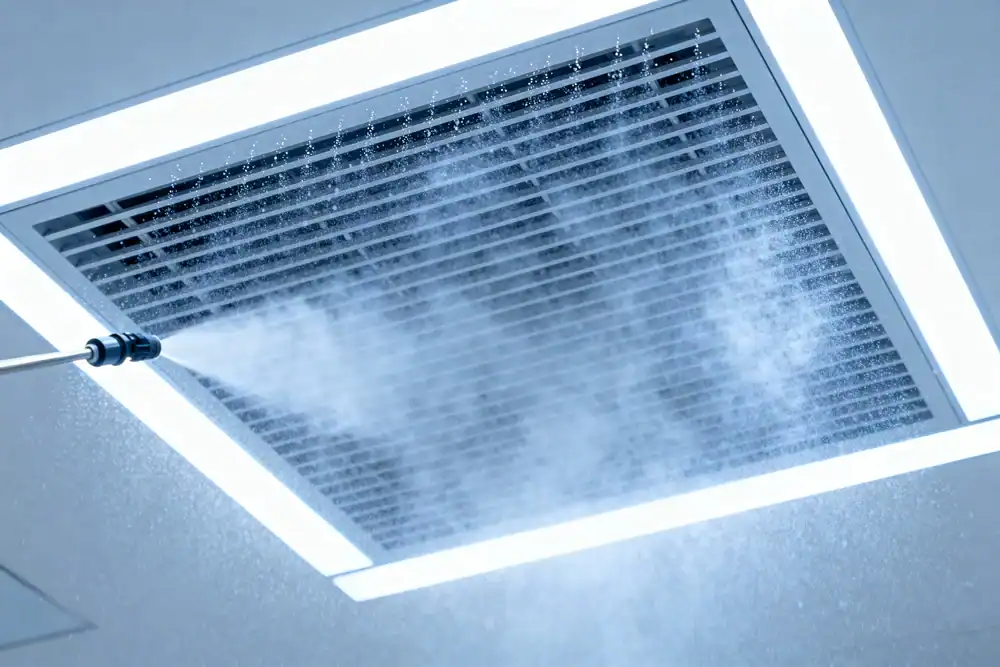
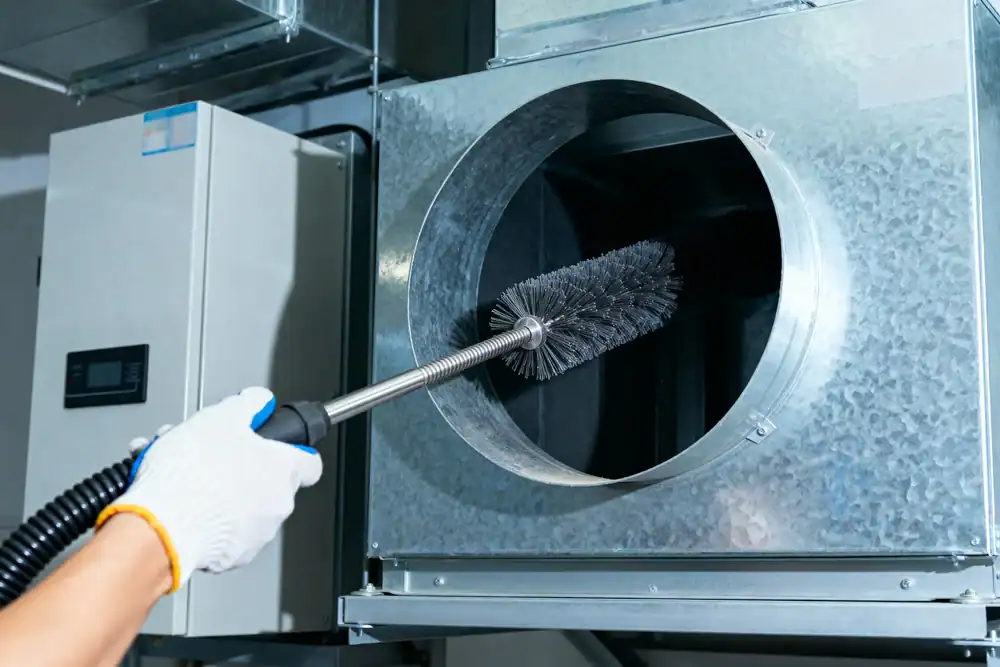
Your energy bills drop. Not a little—sometimes by 15% or more, depending on how long it’s been since your system got proper attention.
Your HVAC system stops working overtime. When airflow improves by up to 46%, your equipment doesn’t strain to push air through clogged ductwork. That means fewer breakdowns, less wear on components, and years added to your system’s lifespan.
Your facility feels different. Employees notice cleaner air. Dust stops settling on surfaces as fast. If anyone on your team deals with allergies or respiratory issues, they’ll feel the difference within days. Half of all workplace illnesses connect back to poor indoor air quality—that’s not a small problem.
You stay compliant. OSHA and EPA both require routine maintenance of air-handling systems. Getting your ductwork professionally cleaned isn’t just smart—it’s part of keeping your operation above board.
We’ve been improving indoor air quality across the Greensboro area for over 30 years. We’re not new to this, and we’re not figuring it out as we go.
Rick Watson and Noah Watson both hold ASCS certifications from NADCA—the National Air Duct Cleaners Association. That’s the standard that matters in this industry. We’re BBB accredited with an A+ rating, and we’ve been serving commercial facilities throughout Colfax, Winston-Salem, Kernersville, and the surrounding Triad region since day one.
The businesses around here—warehouses off I-40, office buildings in the business parks, schools, medical facilities—they all deal with the same HVAC challenges. We know what works in this climate and in these buildings because we’ve been doing this work locally for decades.
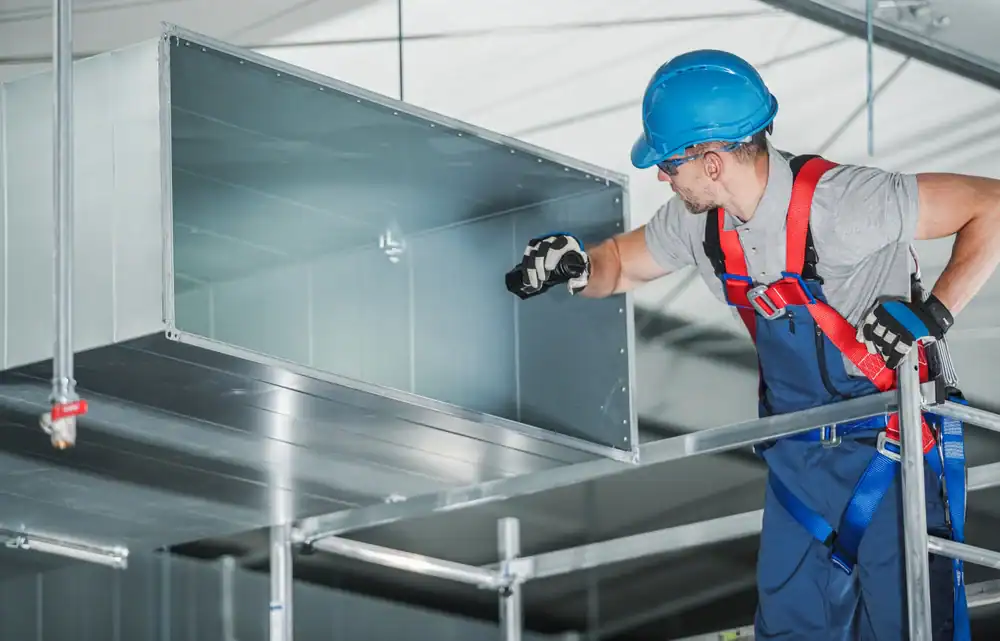
We start with an inspection using camera equipment. You’ll see exactly what’s inside your ductwork—dust buildup, debris, anything that shouldn’t be there. No guessing, no assumptions.
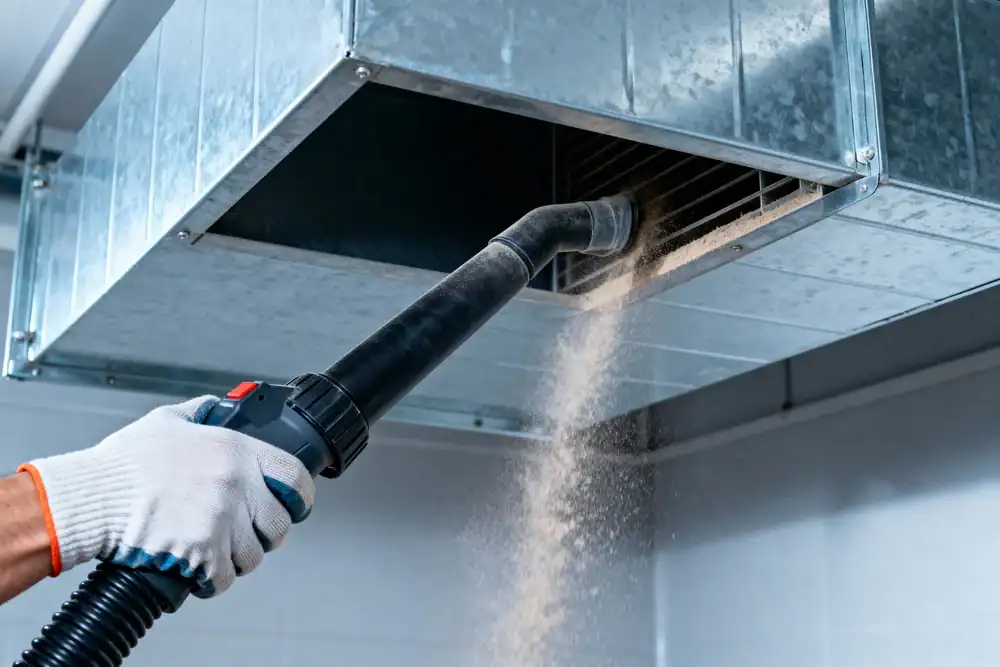
Then we use high-powered vacuum systems and specialized tools to remove contaminants from your ducts, vents, and HVAC components. We’re talking about equipment designed specifically for commercial systems—not residential gear pushed beyond its limits. Our process follows NADCA’s ACR standards, which are specified for commercial projects worldwide.
We clean the supply and return ducts, registers, grilles, diffusers, heat exchangers, cooling coils, drip pans, fan motors, and the air handling unit housing. If it’s part of your air distribution system, it gets addressed.
The whole process causes minimal disruption. Most commercial jobs take a few hours to a full day depending on system size. You don’t shut down operations. Your team keeps working. We just make sure your HVAC system stops wasting energy and starts doing its job right.
Ready to get started?
You’re looking at a complete cleaning of your commercial HVAC system’s air distribution network. That includes all accessible ductwork, supply and return vents, registers, and the components inside your air handler.
In the Colfax area, we see a lot of facilities dealing with the same issues: warehouses with years of dust accumulation, office buildings where HVAC efficiency has gradually dropped, and older commercial properties where ductwork has never been professionally serviced. The Triad’s mix of humidity and seasonal temperature swings creates conditions where dust, pollen, and moisture can build up fast inside duct systems.
What you get is measurable improvement. Airflow increases. Energy consumption drops—sometimes dramatically if your system’s been neglected. Your HVAC equipment runs cooler and quieter because it’s not fighting against restricted airflow anymore.
We also offer ongoing maintenance programs if you want to keep your system in top shape year-round. Some facilities need annual cleaning. Others can go longer depending on their environment and usage. We’ll tell you what makes sense for your specific situation—not what makes us the most money.
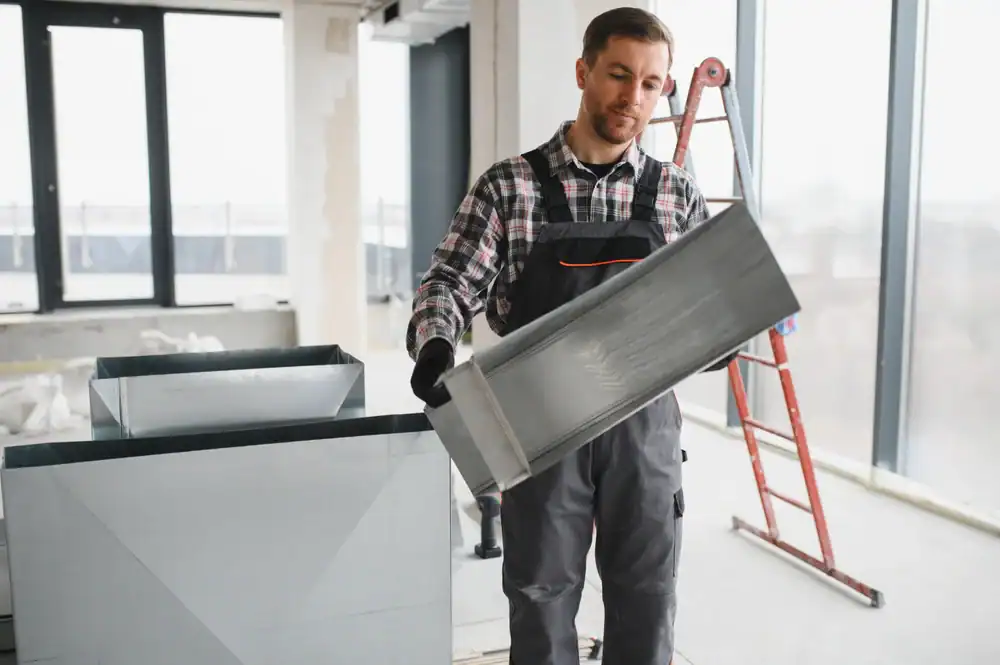
Most commercial duct cleaning jobs run between $300 and $500 for smaller systems, but that number moves based on your facility size, how much ductwork you have, and how long it’s been since the last cleaning.
A 5,000 square foot office building costs less than a 20,000 square foot warehouse. More ductwork, more access points, more time—the price reflects the scope. If your system hasn’t been cleaned in years (or ever), expect the job to take longer because there’s more buildup to remove.
Here’s what matters: that cost pays for itself. When your energy bills drop 15% and your HVAC system lasts five years longer than it would have otherwise, you’re not spending money—you’re preventing much bigger expenses down the road. Replacing an HVAC system costs tens of thousands. Cleaning your ducts costs hundreds. The math isn’t complicated.
NADCA recommends commercial systems get inspected every two years and cleaned as needed. In practice, most Colfax businesses benefit from cleaning every three to five years depending on their specific situation.
If you run a warehouse with constant activity, open loading docks, or manufacturing processes that create dust, you’re looking at more frequent cleaning—possibly every two to three years. Office buildings with less environmental stress can often go four to five years between cleanings.
The real answer comes from inspection. We can look at your system and tell you whether you need cleaning now, in six months, or in two years. Some facilities we inspect don’t need service yet. We’ll tell you that instead of selling you something you don’t need. When buildup starts restricting airflow or you notice energy costs creeping up, that’s your signal.
Yes, but the amount depends on your current system condition. Facilities with significant buildup see the biggest improvements—sometimes 15% to 20% reductions in HVAC energy costs.
Here’s why it works: when dust and debris clog your ductwork, your HVAC system has to run longer and work harder to move the same amount of air. Clean ducts can improve airflow by up to 46%, which means your equipment reaches temperature faster and cycles off sooner. Less runtime equals lower energy consumption.
The EPA estimates that 25% to 40% of energy used for heating and cooling gets wasted in contaminated HVAC systems. Even a modest improvement in efficiency adds up over months and years. If you’re spending $2,000 a month on HVAC energy costs, a 15% reduction saves you $300 monthly—$3,600 annually. The cleaning pays for itself in the first few months.
Most commercial jobs take four to eight hours depending on your facility size and system complexity. Larger buildings with extensive ductwork might need a full day or occasionally two days for thorough cleaning.
The good news: you don’t shut down. Your team keeps working. We coordinate timing to minimize any impact—early mornings, evenings, or weekends if that works better for your operation. The noise from our equipment is noticeable but not overwhelming, and we contain our work area to avoid disrupting your space.
We’ll walk through your facility beforehand and map out the most efficient approach. You’ll know exactly when we’re starting, how long we’ll be there, and which areas we’ll be working in. No surprises, no extended downtime, no reason to send employees home or close sections of your building.
NADCA certification means the technicians doing your work have been trained and tested on proper cleaning methods, safety protocols, and industry standards. It’s the difference between someone who knows how to do this right and someone who bought equipment and started calling themselves a duct cleaner.
NADCA’s ACR standards specify exactly how commercial ductwork should be cleaned—what equipment to use, what methods work, how to avoid damaging your system, and how to verify the work was done properly. Companies that follow these standards use camera inspections, proper containment, and commercial-grade vacuum systems that actually remove contaminants instead of just stirring them up.
Non-certified companies might use shortcuts: inadequate equipment, incomplete cleaning, or methods that can actually damage your ductwork. When you hire NADCA-certified technicians, you’re getting people who’ve proven they know what they’re doing. Our certifications aren’t decorations—they’re proof of training, competence, and commitment to doing this work correctly.
Absolutely. Poor indoor air quality causes or worsens about half of all illnesses, and your HVAC system is either part of the problem or part of the solution.
When ductwork is contaminated with dust, pollen, mold spores, and other debris, your system circulates those particles throughout your facility every time it runs. Employees with allergies, asthma, or respiratory sensitivities notice it first, but even healthy people perform better in cleaner air. Studies show indoor air quality directly impacts productivity, comfort, and well-being.
Clean ducts mean fewer airborne irritants cycling through your building. You’ll see less dust settling on surfaces, fewer complaints about stuffiness or poor air quality, and often fewer sick days. It’s not a cure-all—if you have other air quality issues, duct cleaning alone won’t solve everything—but it removes a major source of contamination that affects everyone in your facility daily.