

Contact Info
- Greensboro, NC 27406
- Call: 336-707-0498
- Text: 336-707-0498
-
Mon - Fri: 8am - 4pm
Sat - Sun: Closed
Contact Info
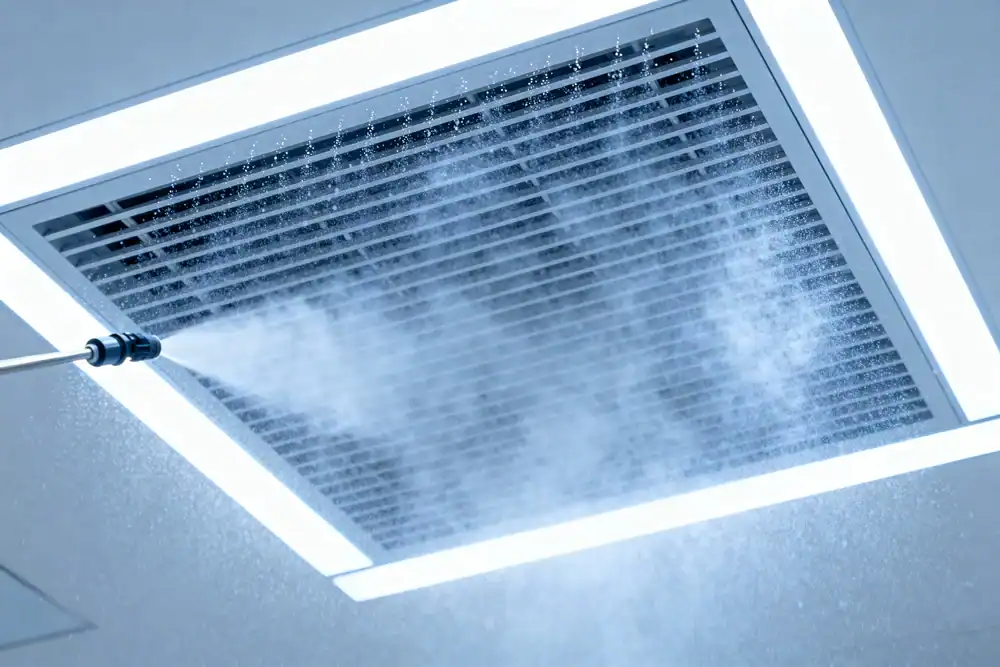
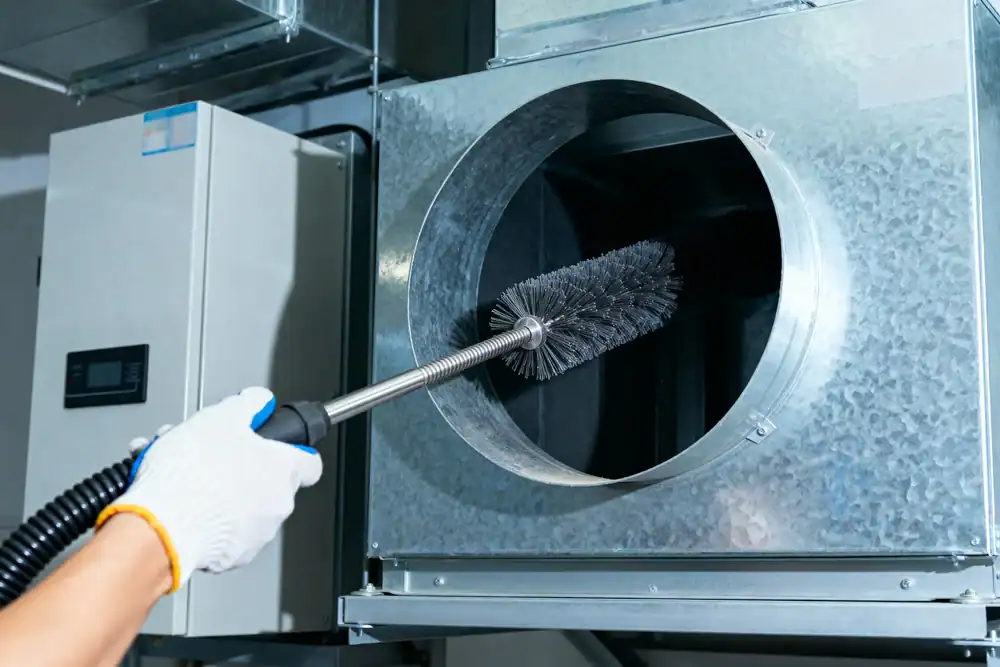
Your HVAC system is working harder than it should. Dust, debris, and buildup in your ductwork force your equipment to burn more energy just to maintain temperature. That means higher utility bills every month and a system that’s wearing out faster than it needs to.
Clean ductwork changes that. When we remove the buildup from your air ducts, your system moves air the way it was designed to—efficiently. You’ll see energy consumption drop by 41% to 60% on average, and airflow can improve by up to 46%. That’s not marketing talk—that’s data from NADCA’s energy study.
But it’s not just about the money. Your employees are breathing whatever’s sitting in those ducts. Allergens, dust, mold spores, bacteria—it all recirculates through your building every time the system runs. Clean air ducts mean fewer sick days, better focus, and a workspace that doesn’t smell stale or musty. Research shows that better indoor air quality can boost productivity by 10%. That’s a real return you can measure.
We’ve been cleaning commercial ductwork across the Southeast for years. We’re not a residential company dabbling in commercial work—we focus exclusively on businesses, facilities, and institutions that need real expertise and minimal disruption.
Our team includes more NADCA-certified Air System Cleaning Specialists than any other company in the region. That certification isn’t just a badge—it means our technicians are trained to handle complex HVAC systems in hospitals, schools, industrial plants, and office buildings throughout Highland Park West, NC. Every job follows strict NADCA standards, and every technician is background-checked and trained to work in occupied facilities without causing chaos.
We’ve cleaned ductwork in government buildings, medical centers, manufacturing plants, and retail spaces. We know what’s at stake when air quality fails in a commercial environment, and we know how to fix it without shutting down your operation.
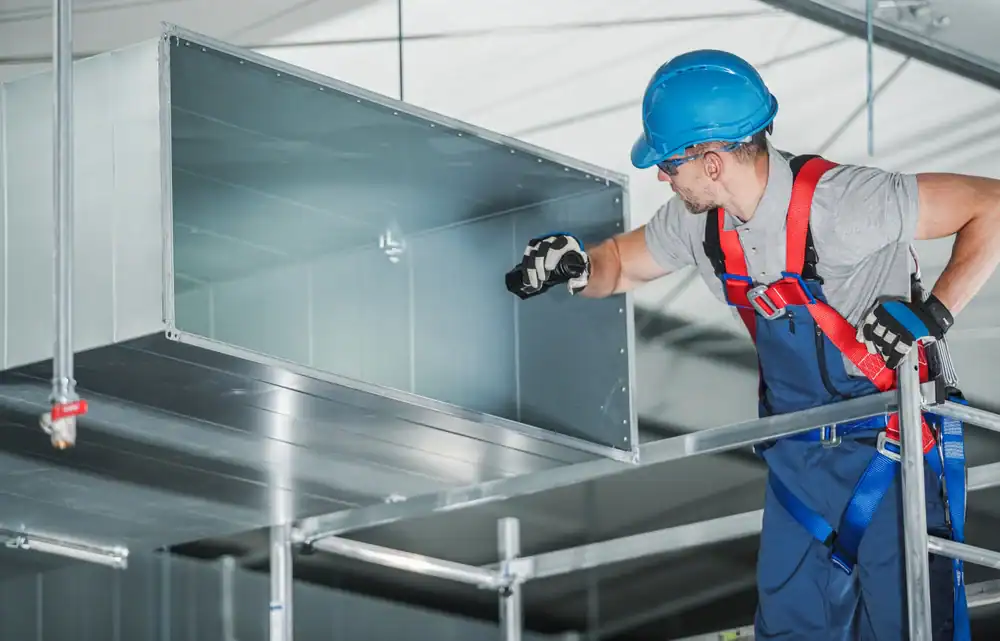
We start with an inspection of your entire HVAC system—ductwork, plenums, coils, and air handlers. This tells us where the buildup is worst and what equipment we’ll need. You’ll know upfront what we’re dealing with and what the timeline looks like.
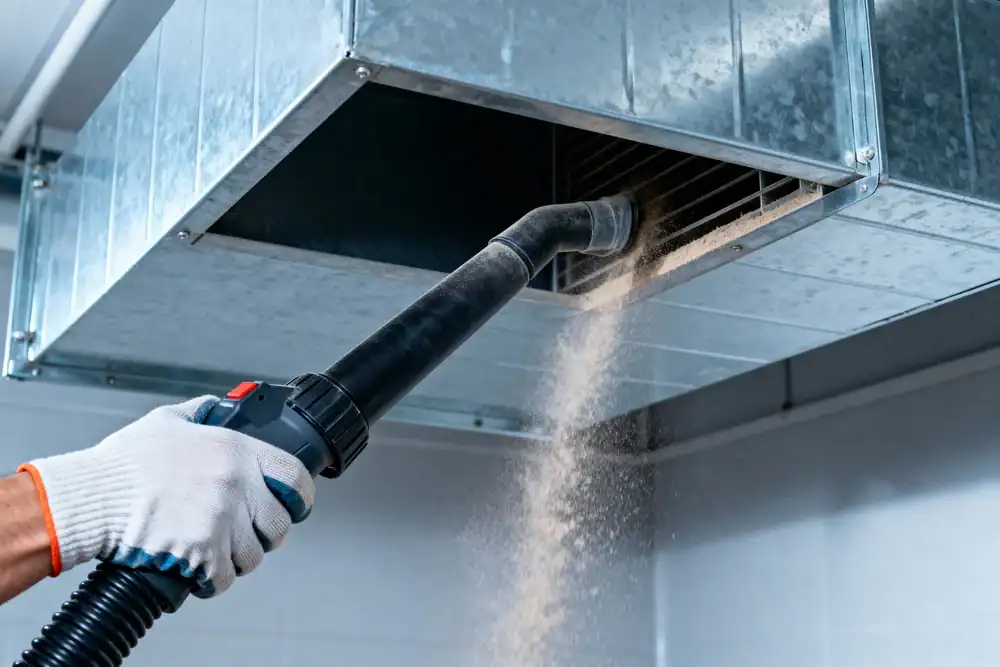
Once we’re on-site, we use HEPA-filtered vacuum systems and specialized air whips to dislodge debris from every section of ductwork. The vacuum creates negative pressure, so contaminants get pulled into our filtration system instead of spreading through your building. We clean the supply ducts, return ducts, grilles, diffusers, cooling coils, and blower components—not just the easy-to-reach sections.
After cleaning, we do a final walkthrough and show you the difference. You’ll see improved airflow immediately, and your energy bills will reflect the change within the first billing cycle. We schedule most jobs during off-hours or weekends so your business keeps running without interruption. You get clean ducts without the downtime.
Ready to get started?
You’re not just getting a quick vacuum job. Our commercial air duct cleaning covers your entire ventilation system—supply and return ducts, plenums, registers, grilles, diffusers, heat exchangers, cooling coils, drip pans, fan motors, and air handling units. We use advanced brushes, air whips, and HEPA vacuum systems designed for commercial-scale jobs.
Highland Park West, NC has its share of humidity and seasonal pollen, which means your HVAC system is constantly filtering outdoor contaminants on top of the usual dust and debris from daily operations. If your facility has high foot traffic, manufacturing processes, or food service, that buildup accelerates. Our vent cleaning process is designed to handle the specific challenges commercial buildings face in this region—mold growth from moisture, dust from construction or production, and odors that get trapped in ductwork over time.
We also address compliance concerns. If you operate a healthcare facility, school, or food service business, indoor air quality isn’t optional—it’s regulated. Our NADCA-certified process ensures your system meets health and safety standards, and we document everything so you have records if you need them. You get cleaner air, lower energy costs, and peace of mind that you’re not risking fines or liability from poor air quality.
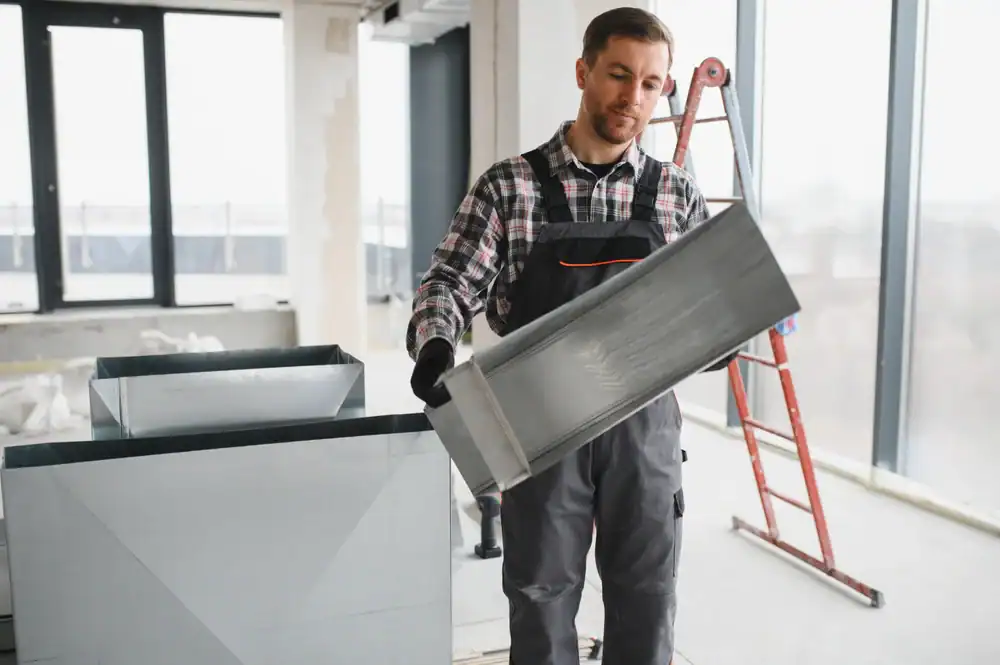
Cost depends on the size of your facility, the complexity of your HVAC system, and how much buildup we’re dealing with. A small office building will cost less than a hospital or industrial plant with multiple air handlers and extensive ductwork. Most commercial jobs range from a few thousand dollars to significantly more for large facilities, but you’re not just paying for cleaning—you’re paying for energy savings that start immediately.
The NADCA energy study found that professional duct cleaning reduces fan and blower energy consumption by 41% to 60%. If your facility spends $5,000 a month on HVAC energy costs, a 50% reduction saves you $2,500 every month. That’s $30,000 a year. The cleaning pays for itself faster than most equipment upgrades, and you’re also extending the life of your HVAC system by reducing strain on the components.
We’ll give you a clear estimate after inspecting your system. No surprises, no upselling. You’ll know exactly what you’re paying for and what kind of return to expect.
NADCA recommends inspecting commercial HVAC systems annually and cleaning them every three to five years under normal conditions. But “normal” doesn’t apply to every business. If you run a restaurant, medical facility, manufacturing plant, or any operation that generates dust, grease, chemicals, or heavy foot traffic, you’ll need cleaning more often—sometimes annually.
Signs that you need cleaning sooner include visible dust around vents, musty or stale odors when the system runs, uneven heating or cooling, increased energy bills, or employee complaints about air quality. If you’ve had recent renovations, that construction dust is sitting in your ducts and recirculating every day until you remove it.
Highland Park West’s humidity also accelerates mold growth in ductwork, especially if your system has any moisture issues or poor drainage. If you’re noticing condensation, water stains, or a damp smell, don’t wait—mold spreads fast in dark, moist environments, and your ducts are the perfect breeding ground. An inspection will tell you whether you need a full cleaning or just targeted maintenance.
Not if it’s scheduled right. We handle most commercial duct cleaning jobs during evenings, weekends, or off-hours so your employees and customers never see us. Our crews are trained to work in occupied buildings without causing noise disruptions, blocking access, or creating messes in common areas.
For facilities that operate 24/7—like hospitals or manufacturing plants—we coordinate with your team to clean sections of the building at a time. We’ll map out a schedule that keeps your operations running while we work through the system in phases. You won’t have to shut down or send people home.
The actual cleaning process does require accessing ductwork, which sometimes means moving furniture, opening ceiling panels, or working in mechanical rooms. We handle all of that, and we put everything back the way we found it. You’ll get clean ducts without the chaos, and most clients don’t even realize we were there until they notice the difference in air quality and temperature control.
Commercial systems are bigger, more complex, and held to stricter standards. Residential duct cleaning usually involves a single furnace and a straightforward duct layout. Commercial buildings have multiple air handlers, variable air volume systems, complex zoning, and ductwork that spans thousands of square feet. The equipment, training, and process are completely different.
Commercial jobs also require NADCA certification and compliance with health and safety regulations that don’t apply to homes. If you’re running a school, hospital, or food service operation, your indoor air quality is regulated. You can’t just hire someone with a vacuum and hope for the best—you need certified technicians who understand commercial HVAC systems and know how to document their work for inspections and audits.
We don’t do residential dryer vents or homeowner duct cleaning. We focus exclusively on commercial and industrial facilities because that’s where the expertise matters most. Our crews are trained to handle large-scale systems, work around business operations, and meet the standards that commercial clients actually need. You’re not getting a residential company trying to scale up—you’re getting specialists who do this work every day.
It depends on the size of your building and the condition of your system. A small office with a single HVAC unit might take four to six hours. A large facility with multiple air handlers, extensive ductwork, and years of buildup can take several days. We’ll give you a timeline during the initial inspection so you can plan accordingly.
Most jobs follow a similar pattern: inspection and prep, then systematic cleaning of each section of ductwork, followed by a final walkthrough and air quality check. We don’t rush through it just to finish faster—cutting corners means leaving debris behind, and that defeats the entire purpose. You’re paying for a thorough cleaning, and that’s what you’ll get.
If timing is tight, we can break the job into phases and clean sections of your building over multiple visits. That works well for businesses that can’t afford any downtime or facilities that need to keep certain areas operational at all times. We’ll work with your schedule to make it happen without compromising the quality of the cleaning.
You’ll notice better airflow almost immediately. Vents that were barely pushing air will suddenly move it the way they’re supposed to. Rooms that were always too hot or too cold will start maintaining consistent temperatures. Your HVAC system won’t have to run as long or work as hard to keep your building comfortable.
Energy bills drop within the first month. The NADCA study showed energy reductions between 41% and 60%, and airflow improvements up to 46%. Those aren’t best-case scenarios—they’re averages. Your system will use less power, and you’ll see that reflected in your utility costs. Over time, you’ll also spend less on maintenance and repairs because your equipment isn’t straining against blockages and buildup.
Air quality improves too. Dust around vents disappears. Stale odors fade. Employees stop complaining about stuffiness or allergies. If you’ve been dealing with recurring respiratory issues or high sick-day rates, clean ducts often make a measurable difference. You’re removing the contaminants that have been circulating through your building for years, and the air your team breathes every day gets noticeably cleaner.