
Contact Info
- Greensboro, NC 27406
- Call: 336-707-0498
- Text: 336-707-0498
-
Mon - Fri: 8am - 4pm
Sat - Sun: Closed
Contact Info
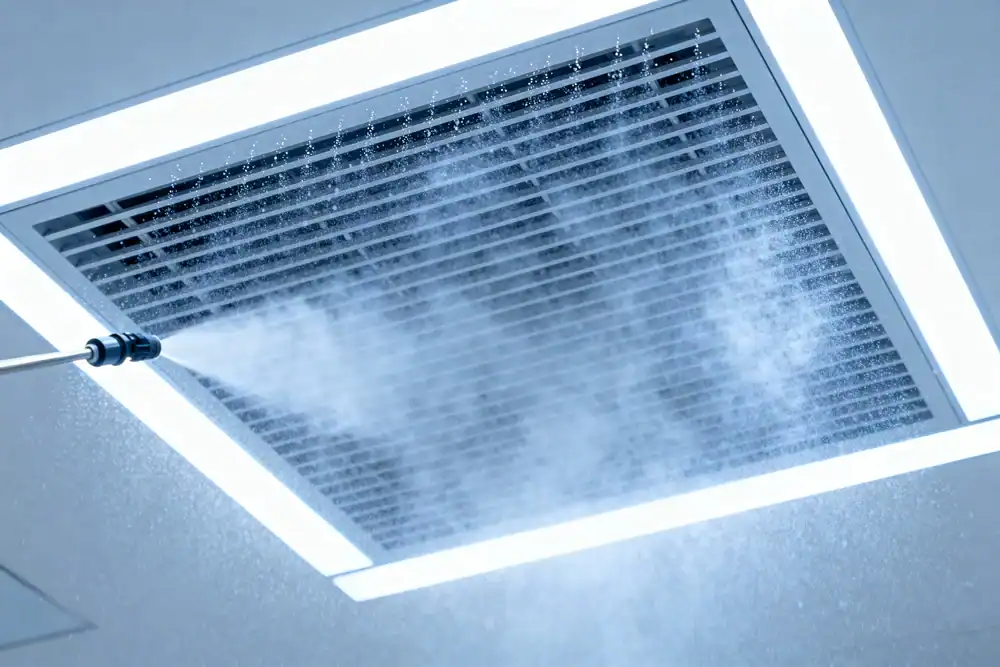
Your energy bills drop. Not by a little—by 20% to 30% in most commercial buildings. That’s because clean ductwork lets your HVAC system move air without fighting through years of accumulated dust, debris, and contamination.
Your system stops working overtime. When airflow isn’t restricted, your heating and cooling equipment runs at the efficiency it was designed for. Fans and blowers use 41% to 60% less energy while actually delivering 10% to 46% more airflow than before cleaning.
Your occupants stop complaining about headaches, itchy eyes, and stuffiness. Indoor air in commercial buildings typically contains 200% to 500% more pollutants than outdoor air. Professional ductwork cleaning removes the mold spores, bacteria, allergens, and accumulated particulate matter that’s been circulating through your building for years.
Your equipment lasts longer. HVAC systems that receive regular maintenance, including air duct cleaning, can last 30% to 50% longer than neglected systems. That’s potentially adding five years to a system that should last fifteen.
We’ve been improving indoor air quality for businesses across the Greensboro and Randleman, NC area since the early 1990s. We’re not new to this, and we’re not learning on your building.
Our team includes NADCA-certified technicians—Rick Watson holds both ASCS and CVI certifications, and Noah Watson is ASCS certified. That means we follow the industry standards that were developed specifically to protect commercial HVAC systems during cleaning. We’re also BBB accredited with an A+ rating.
Randleman’s mix of manufacturing facilities, office buildings, and commercial properties means we’ve seen just about every type of commercial HVAC system and ductwork configuration. We know what works in this climate, and we know what North Carolina building managers are dealing with when it comes to humidity, pollen, and indoor air quality challenges.
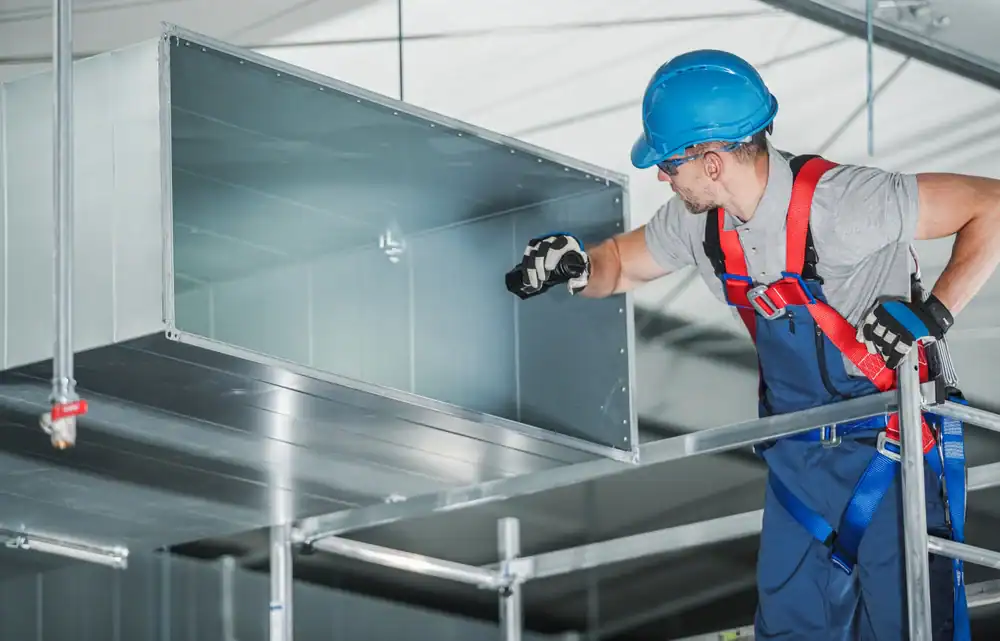
We start with a full system inspection. That means accessing your ductwork, looking at your HVAC components, and identifying where contamination has built up. We’re checking for mold growth, excessive dust and debris, and any damage that needs addressing before we clean.
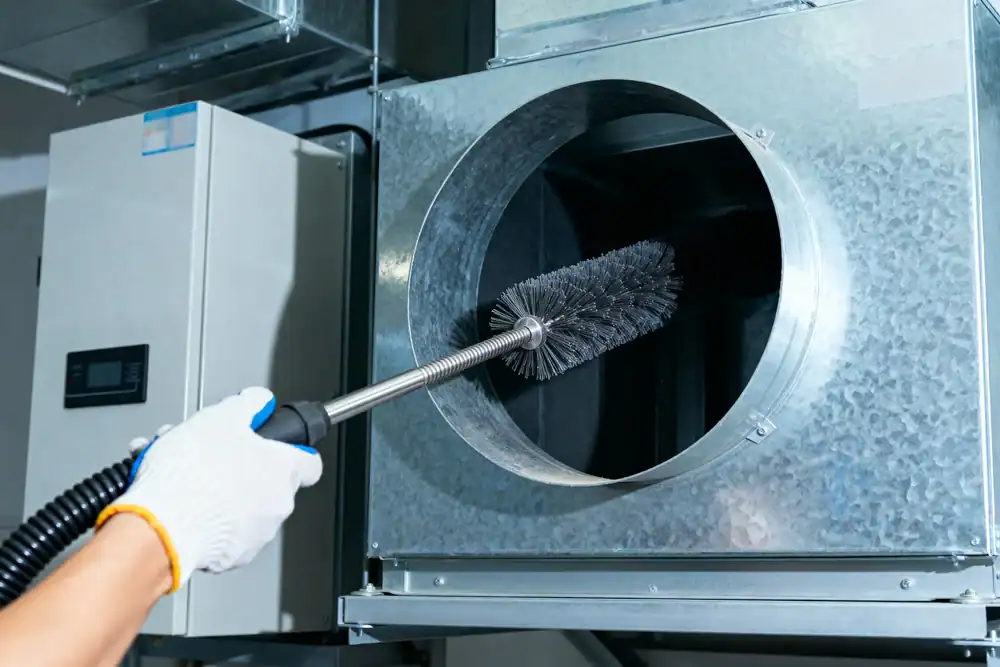
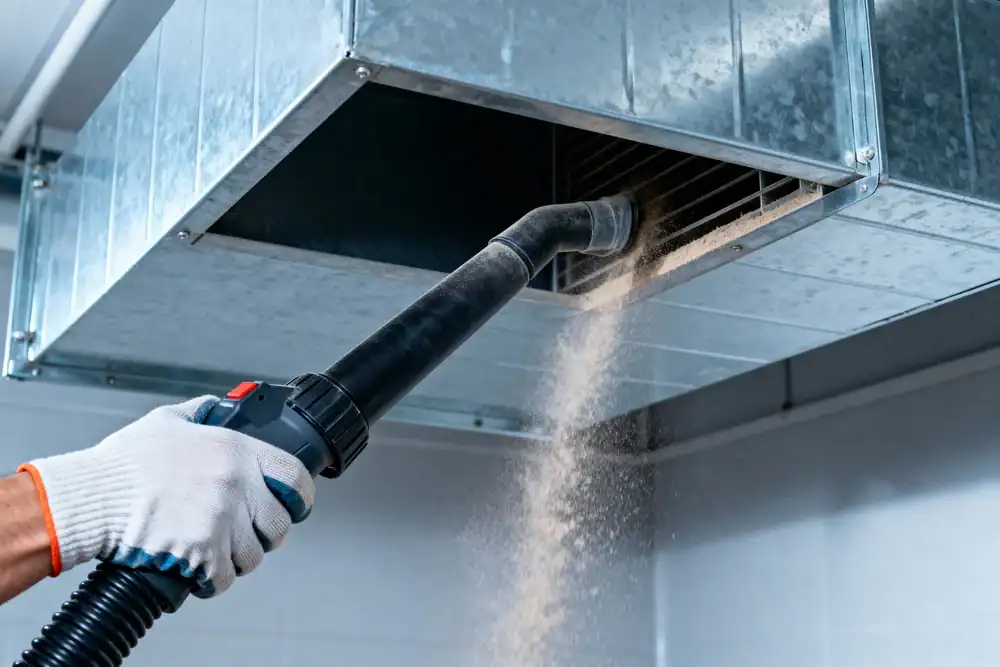
Next comes the actual cleaning. We use specialized equipment designed for commercial systems—high-powered vacuums that create negative pressure throughout your ductwork, combined with mechanical agitation tools that dislodge stuck-on contamination. This isn’t a quick blow-through with a shop vac. We’re removing the buildup that’s been accumulating for years.
We clean the entire system. That includes supply and return ducts, registers and grilles, heating and cooling coils, drip pans, fan motors and housings, and the air handling unit housing. Cleaning just the ducts while leaving contaminated components doesn’t solve your problem.
After cleaning, we verify the work. You’ll see the difference in the amount of debris we’ve removed, and you’ll measure the difference in your energy bills and indoor air quality. Most facility managers notice improved airflow and fewer occupant complaints within days of service.
Ready to get started?
You’re getting a complete HVAC system cleaning, not just ductwork. We clean supply ducts, return air ducts, registers, grilles, diffusers, heat exchangers, cooling coils, condensate drain pans, fan motors, fan blades, and the air handling unit housing. If air moves through it, we clean it.
In Randleman and the surrounding Piedmont area, humidity is a major factor in commercial HVAC contamination. Your system is constantly dealing with moisture, which creates ideal conditions for mold and bacterial growth. Our cleaning process addresses both the visible contamination and the microbial growth that’s affecting your indoor air quality.
We also handle the issues that come with commercial ductwork cleaning. That means coordinating service around your business hours, working in occupied buildings without disrupting operations, and providing documentation for your maintenance records and regulatory compliance needs. Both OSHA and EPA regulations require routine maintenance of air-handling systems in commercial buildings—professional duct cleaning is part of meeting those requirements.
For businesses in Randleman dealing with manufacturing dust, retail environments with high customer traffic, or office buildings where employee health complaints are increasing, commercial air duct cleaning isn’t optional maintenance. It’s the difference between a system that’s costing you money and making people sick, and one that’s running efficiently while providing clean air.
Most commercial buildings benefit from professional duct cleaning every three to five years, but your specific timeline depends on your building type and use. Manufacturing facilities, restaurants, medical offices, and buildings with high occupancy rates typically need more frequent cleaning—sometimes every two to three years.
If you’re seeing visible dust buildup around vents, noticing musty odors when the HVAC system runs, or getting complaints about indoor air quality from building occupants, those are signs you need cleaning now regardless of when you last had service. Same goes if your energy bills have been creeping up without explanation.
Buildings in Randleman face specific challenges that can accelerate contamination. High humidity promotes mold growth in ductwork. Seasonal pollen is heavy in this area. If your building is near agricultural or industrial operations, you’re dealing with additional airborne particulates. These factors mean your ductwork might need attention sooner than the standard timeline suggests.
Yes, and the savings are measurable. Research shows that commercial HVAC systems with clean ductwork use 41% to 60% less fan and blower energy while delivering 10% to 46% more airflow compared to systems with contaminated ductwork. For most commercial buildings, that translates to energy bill reductions of 20% to 30%.
Here’s why it works: when your ductwork is clogged with dust, debris, and contamination, your HVAC system has to work harder to push air through the resistance. Your fans run longer, your heating and cooling equipment cycles more frequently, and you’re paying for all that extra runtime. Clean ducts eliminate that resistance.
The savings show up fast. Most facility managers see the difference in their first utility bill after service. Over a year, those savings typically exceed the cost of the cleaning service itself. Over the extended lifespan of your HVAC equipment—which also benefits from reduced strain—the return on investment is significant.
Commercial duct cleaning requires different equipment, different expertise, and a different approach than residential work. Commercial systems are larger, more complex, and have different contamination issues than home HVAC systems.
Your commercial ductwork likely includes multiple air handlers, longer duct runs, different duct materials, and components like variable air volume boxes that don’t exist in residential systems. Cleaning these systems requires industrial-grade equipment—powerful enough to handle the volume and reach of commercial ductwork—and technicians who understand how commercial HVAC systems operate.
Commercial cleaning also involves coordination that residential jobs don’t require. We’re working around your business operations, maintaining air quality in occupied spaces during service, and providing documentation for your maintenance records and regulatory compliance. That’s why you need a company with commercial experience and NADCA certification, not someone who primarily cleans residential systems trying to scale up their equipment.
Musty odors when your HVAC system runs are the most obvious sign of mold growth in ductwork. If you smell that distinctive mildew smell coming from your vents, especially when the system first kicks on, you’ve got mold somewhere in your HVAC system.
Visible mold growth around vents and registers is another clear indicator, but it’s often just the tip of the problem. What you see at the register is usually a small portion of the growth happening deeper in your ductwork where moisture accumulates. Dark staining or discoloration around supply vents can also indicate mold.
Increased allergy symptoms and respiratory complaints from building occupants often point to mold contamination. If your employees or customers are experiencing symptoms that improve when they leave the building, your indoor air quality is compromised. In Randleman’s humid climate, mold growth in commercial ductwork is common—your HVAC system creates the perfect environment with moisture from condensation and organic material from accumulated dust and debris. Professional inspection and cleaning removes existing growth and eliminates the conditions that allow it to return.
NADCA certification means your duct cleaning company follows established industry standards instead of making up their own process. The National Air Duct Cleaners Association developed these standards specifically to protect HVAC systems during cleaning and ensure the work actually improves indoor air quality.
NADCA-certified technicians are trained in proper cleaning methods, appropriate equipment use, and how to avoid damaging ductwork and HVAC components during service. They understand the difference between surface cleaning and the thorough mechanical cleaning that actually removes contamination. They know how to access and clean all system components, not just the easy-to-reach sections.
For commercial buildings, this matters even more than residential work. Your HVAC system is a significant investment, and improper cleaning can cause damage that costs thousands to repair. You’re also dealing with regulatory requirements—both OSHA and EPA mandate routine maintenance of commercial air-handling systems. NADCA certification provides documentation that your cleaning was performed to industry standards, which supports your compliance efforts and protects you if indoor air quality issues arise.
Yes, we regularly clean commercial ductwork in occupied buildings during business hours. The key is proper planning and coordination to minimize disruption to your operations.
We work section by section, isolating areas of your ductwork so we can clean thoroughly without shutting down your entire HVAC system. For most commercial buildings, we can maintain heating or cooling in occupied areas while we work on other sections. We schedule the work around your needs—if certain areas need to remain operational during specific hours, we plan our work sequence accordingly.
Some noise is unavoidable when we’re running our equipment, but we’re not creating the kind of disruption that forces you to close or send employees home. Most businesses continue normal operations during our service. For facilities that absolutely cannot have any interruption during business hours—like medical offices with scheduled patients or retail locations during peak seasons—we can schedule service during evenings, weekends, or slower periods. The work takes the same amount of time either way, but we adapt to your operational requirements.