
Contact Info
- Greensboro, NC 27406
- Call: 336-707-0498
- Text: 336-707-0498
-
Mon - Fri: 8am - 4pm
Sat - Sun: Closed
Contact Info
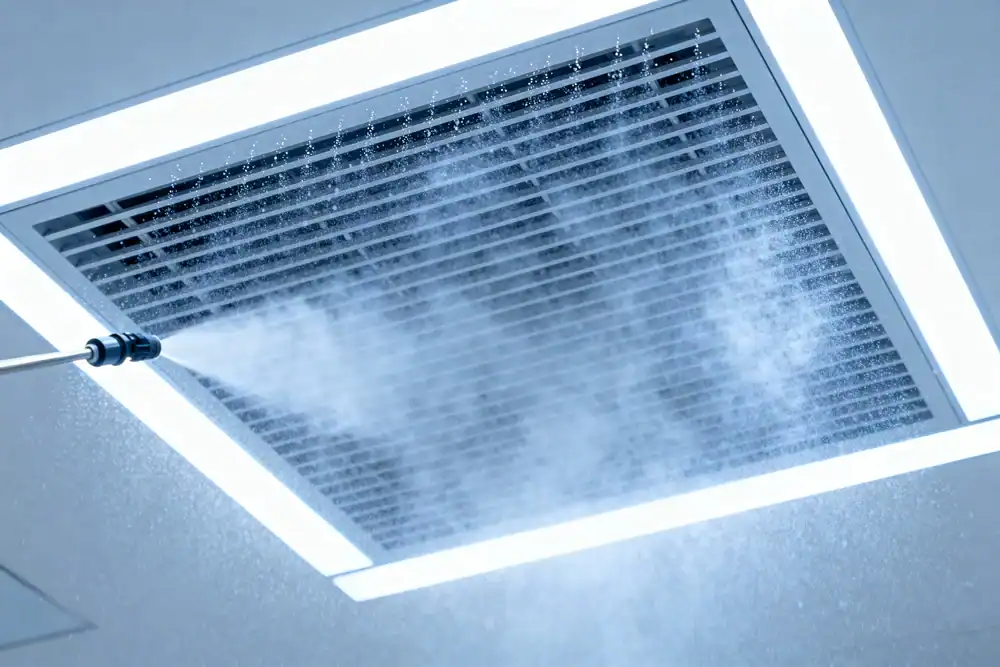
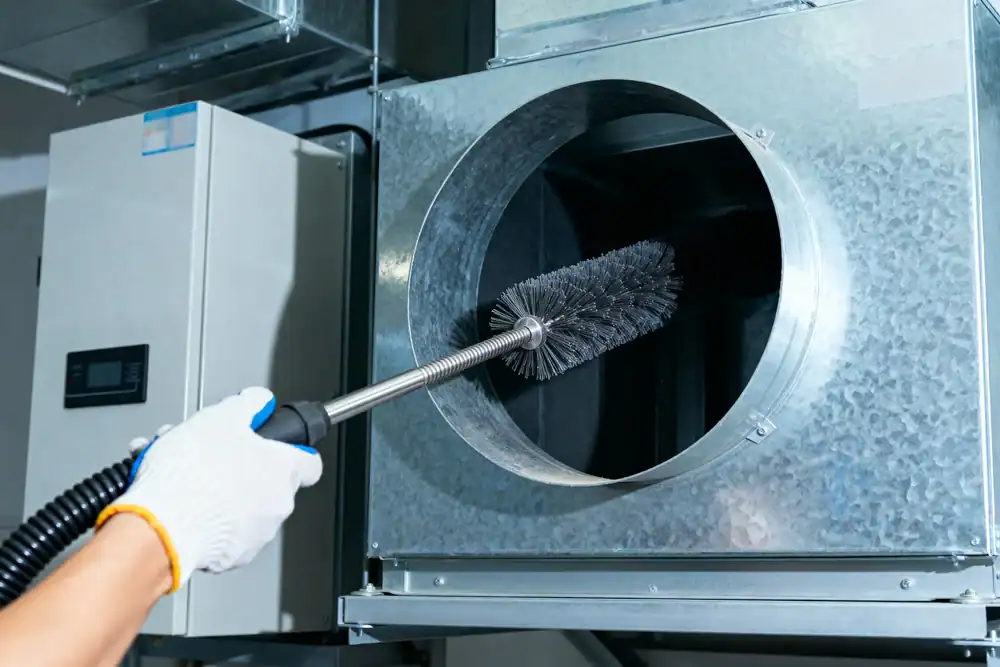
When your ductwork is clogged with dust, debris, and contaminants, your HVAC system works harder than it needs to. That means higher energy costs, more frequent breakdowns, and air quality that affects everyone in your building.
Clean ducts mean your system runs efficiently. You’ll see the difference in your energy bills—up to 40% of HVAC energy gets wasted when ducts are dirty. Your equipment lasts longer because it’s not straining to push air through blockages. And your employees and customers breathe cleaner air, which directly impacts productivity and comfort.
This isn’t about making your building smell better for a week. It’s about creating an environment where your HVAC system operates the way it was designed to, your operating costs drop, and the air quality supports the people who spend their days inside your facility.
We’ve been cleaning commercial ductwork in the Greensboro area for over 30 years. We’re NADCA certified, which means we follow ACR—the industry standard for commercial HVAC cleaning that’s specified on projects worldwide.
Our lead technician holds both ASCS and CVI certifications. We’re not a franchise or a national chain. We’re local, we’re BBB accredited, and we’ve built our reputation by doing thorough work for businesses in Sedgefield and throughout Guilford County.
You’re working with people who know commercial systems inside and out. We understand the regulations, the complexity of larger ductwork, and the scheduling challenges that come with keeping your business running while we work.
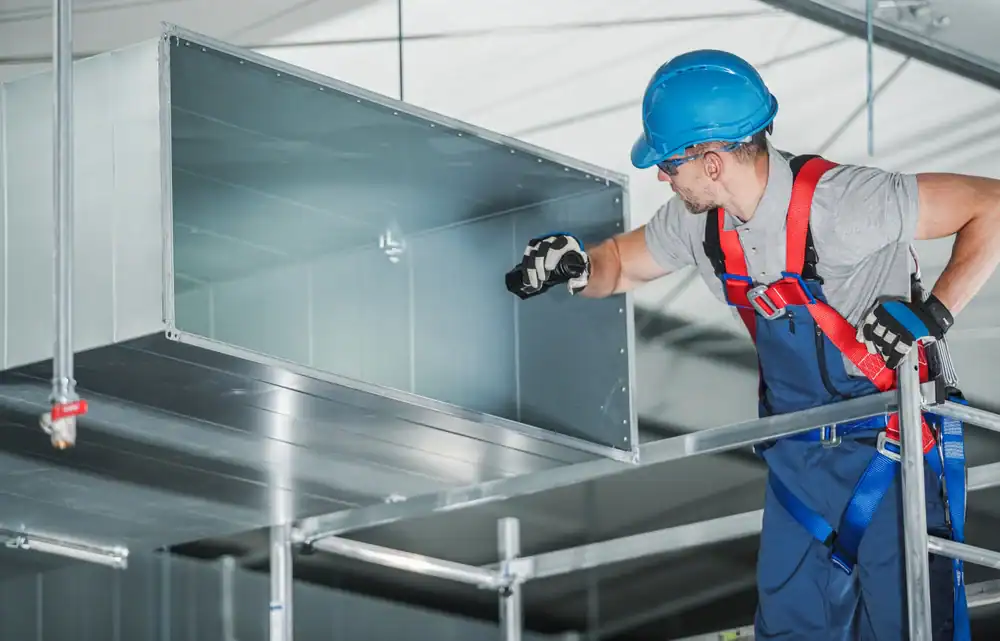
We start with an inspection. That means accessing your ductwork to assess contamination levels, identify problem areas, and check for issues like mold growth, construction debris, or excessive dust buildup.
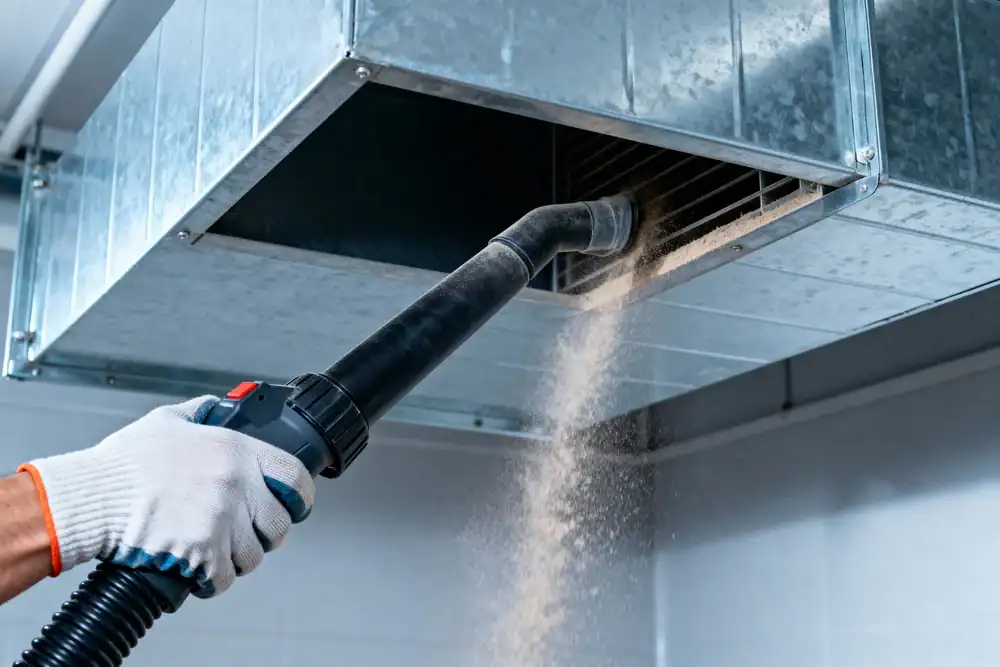
Once we know what we’re dealing with, we use specialized equipment designed for commercial systems—not residential tools scaled up. We clean the supply and return ducts, registers, grilles, diffusers, and the air handling unit components. Everything gets addressed.
We schedule around your operations. If you need us there nights, weekends, or during a shutdown, we make it work. The goal is thorough cleaning without disrupting your business. When we’re done, you’ll have documentation of the work completed and a system that’s actually clean—not just surface-level.
Ready to get started?
You’re getting a complete system cleaning. That includes all accessible ductwork, supply and return plenums, registers, grilles, diffusers, heating and cooling coils, drip pans, fan motors, and the air handling unit housing.
In Sedgefield’s commercial corridor along South Boulevard—where you’ve got restaurants, retail spaces, and office buildings—duct systems accumulate grease, dust, and contaminants faster than you’d expect. High-traffic facilities need cleaning every 2-3 years to maintain air quality and system efficiency.
We also inspect for issues that could become expensive problems: mold growth from moisture, fire hazards from debris buildup, or damaged ductwork that’s leaking conditioned air. If we find something, you’ll know about it before it turns into an emergency repair.
This is about maintaining your investment. Your HVAC system is one of the most expensive pieces of equipment in your building. Keeping it clean extends its life, reduces operating costs, and ensures it’s doing its job—which is keeping your space comfortable and your air clean.
Most commercial facilities need duct cleaning every 2-3 years. That’s more frequent than residential because commercial systems are larger, run longer hours, and handle higher volumes of air and contaminants.
If you operate a restaurant, medical facility, or any business with specific air quality requirements, you might need cleaning more often. High-traffic environments accumulate debris faster. Construction or renovation work also means you should schedule a cleaning afterward—drywall dust and debris get everywhere.
NADCA recommends every 3-5 years as a baseline, but that’s a general guideline. Your actual schedule depends on your building use, system size, and indoor air quality concerns. If you’re seeing dust buildup around vents, noticing odors, or dealing with increased energy costs, those are signs it’s time.
Commercial systems are bigger, more complex, and subject to stricter regulations. The equipment we use, the time required, and the approach are all different.
Commercial ductwork often includes multiple air handlers, longer duct runs, and accessibility challenges—ducts hidden above ceilings, within walls, or in mechanical rooms. We’re dealing with larger volumes of air and contamination. The stakes are higher because poor indoor air quality affects multiple people and can impact your business operations.
We also navigate OSHA and EPA requirements for commercial buildings. Your system needs to meet specific standards for air quality and maintenance. Residential duct cleaning doesn’t carry those same regulatory considerations. The process is more involved, takes longer, and requires NADCA certification to do it right.
Yes, if your ducts are dirty. Up to 40% of HVAC energy gets wasted when dust and debris clog your system. Your equipment has to work harder to move air through blocked ductwork, which means it’s running longer and consuming more energy.
A recent NADCA energy study confirmed that HVAC cleaning improves system performance and efficiency. When your system isn’t straining against buildup, it uses less energy to maintain temperature. You’ll see the difference in your utility bills, especially during peak heating and cooling months.
The other financial benefit is equipment longevity. Systems that run efficiently last longer and need fewer repairs. You’re not just saving on monthly energy costs—you’re extending the life of a major capital investment and reducing the likelihood of expensive emergency repairs.
Yes. We schedule commercial duct cleaning around your operations—nights, weekends, or during planned shutdowns. The goal is thorough cleaning without affecting your business.
We understand that downtime costs money. If you’re running a restaurant on South Boulevard during lunch and dinner rushes, or you’ve got an office full of employees during business hours, we’ll work when it makes sense for you. Most commercial cleanings can be done in sections if needed.
The actual work does require access to ductwork, which sometimes means moving ceiling tiles or accessing mechanical spaces. We coordinate with you on timing and access so there’s minimal disruption. You’ll know exactly when we’re there, what we’re doing, and how long it’ll take.
Look for visible dust around vents and registers. If you’re seeing buildup on the outside, there’s significantly more inside the ductwork. Musty or stale odors coming from your HVAC system are another clear sign.
Increased energy bills without explanation often point to system inefficiency caused by dirty ducts. If your HVAC system is running longer cycles to maintain temperature, or if you’re getting complaints about uneven heating and cooling, contaminated ductwork could be the cause.
Employee health complaints—increased allergies, respiratory issues, or general discomfort—can also indicate poor indoor air quality from dirty ducts. If you’ve had recent construction or renovation work, or if it’s been more than 3-5 years since your last cleaning, it’s time for an inspection. We can assess your system and give you a straight answer about whether cleaning is necessary.
NADCA certification is the standard. It means the company follows ACR—the NADCA Standard—which is the benchmark for commercial HVAC cleaning worldwide. This isn’t optional if you want the job done right.
Individual technicians should hold ASCS (Air System Cleaning Specialist) certification at minimum. CVI (Certified Ventilation Inspector) certification is another credential that shows expertise in assessing and inspecting ventilation systems. These certifications require training, testing, and ongoing education.
You should also verify they’re insured and bonded for commercial work. Check for BBB accreditation or local business credentials. Commercial duct cleaning involves accessing expensive equipment and working in occupied buildings—you need a company that’s qualified, insured, and accountable. Don’t hire based on price alone. Hire based on credentials, experience, and whether they actually understand commercial HVAC systems.