

Contact Info
- Greensboro, NC 27406
- Call: 336-707-0498
- Text: 336-707-0498
-
Mon - Fri: 8am - 4pm
Sat - Sun: Closed
Contact Info
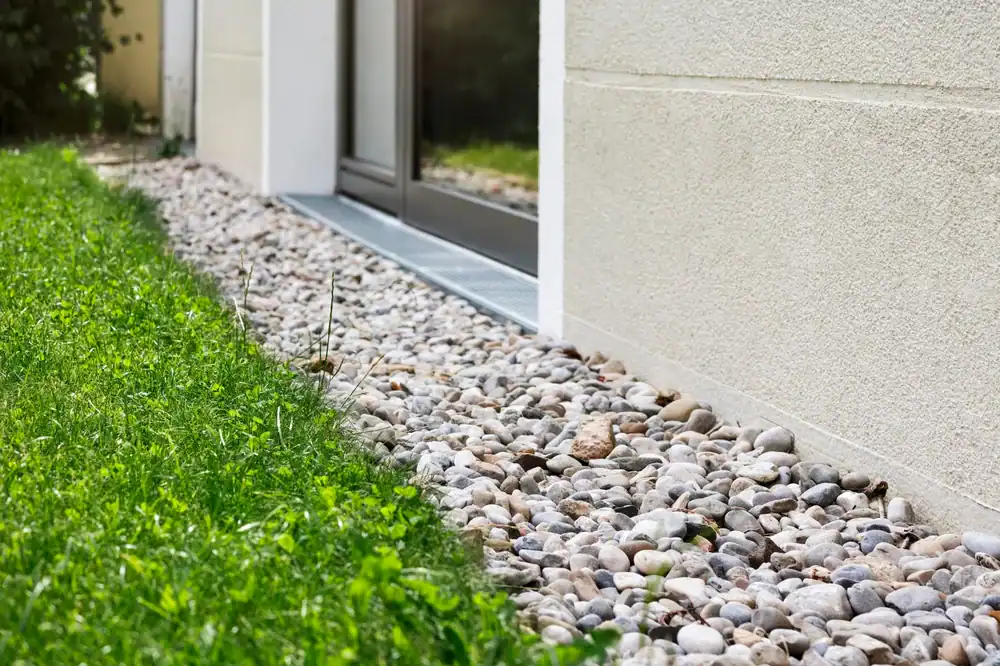
You stop waking up to that musty smell creeping up through your floors. Your crawl space stays dry instead of turning into a swamp every time it rains.
The air inside your home gets cleaner because you’re not breathing in mold spores and mildew from below. Your foundation stops shifting and cracking from constant water pressure.
You avoid the $11,000 average water damage claim that most homeowners face when drainage problems go unchecked. Your property value stays intact instead of dropping because of structural issues buyers can smell the moment they walk in.
French drains work by collecting groundwater before it pools around your foundation and redirecting it to a safe drainage point. That means no more standing water in your yard after storms, no more soggy landscaping, and no more wondering if your foundation is slowly deteriorating underneath your house.
We’ve spent over 30 years fixing moisture problems in the Greensboro area, and we’ve seen every version of what Archdale’s clay soil does to homes. That heavy red clay doesn’t drain—it holds water like a sponge and then bakes hard as concrete in summer.
We’re NADCA certified with ASCS credentials, which means our team knows exactly how water moves through your property and what it takes to stop it. Rick and Noah Watson run this business the same way they’d handle their own homes—with the right materials, the right installation, and zero shortcuts.
Most of our work comes from referrals because people remember what it’s like to finally have a dry crawl space after years of fighting moisture. We’ve been in enough Archdale crawl spaces to know what works and what’s just a temporary patch.

We start by inspecting your property to see where water collects and how it’s moving toward your foundation. That tells us where to place the trench drain and how deep it needs to go to intercept groundwater before it becomes your problem.
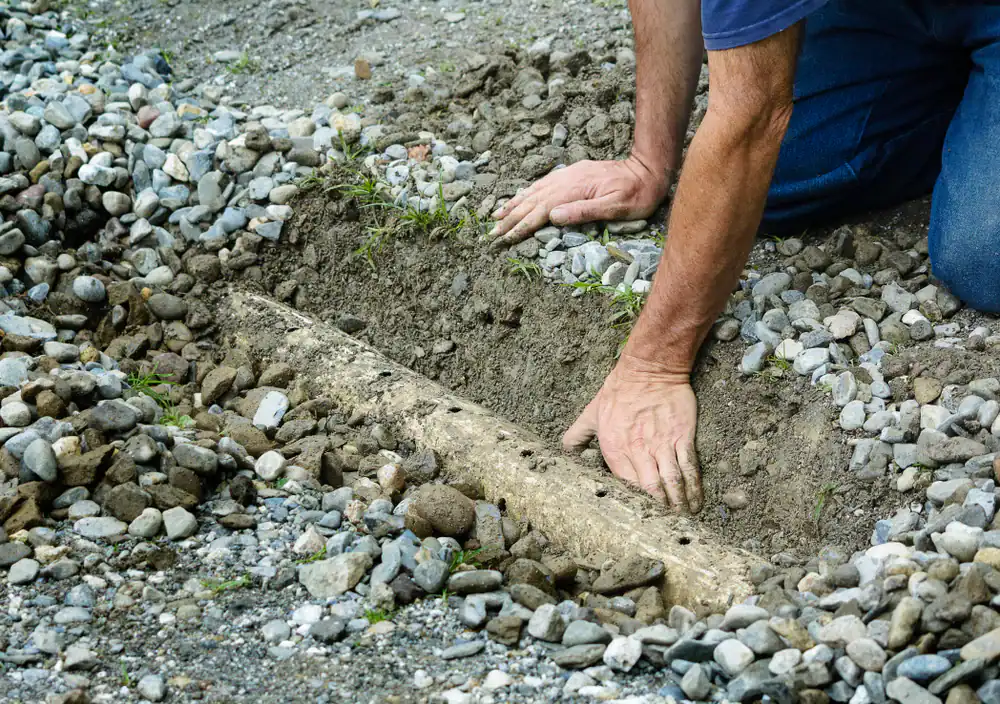
Next, we dig a trench along your foundation or wherever water pools in your yard. The trench gets lined with landscape fabric to keep clay soil from clogging the system. Then we lay perforated pipe surrounded by gravel that filters water and keeps everything flowing.
The pipe slopes toward a discharge point—usually a drainage ditch, dry well, or area away from your house where water can safely disperse. We cover everything back up, and you’re left with a system that works invisibly underground.
After installation, water that used to sit against your foundation gets pulled into the French drain and carried away. Your crawl space stays dry, your foundation stops taking on moisture, and you stop dealing with the mold and mildew that comes with poor surface drainage.
Ready to get started?
You get a system designed specifically for Archdale’s clay soil, which is critical because clay doesn’t behave like normal dirt. It swells when wet, shrinks when dry, and holds moisture longer than almost any other soil type. That means your French drain needs proper depth, the right gravel, and correct slope to actually work long-term.
We use perforated pipe that won’t collapse under clay’s weight and landscape fabric that filters sediment without clogging. The gravel we install creates a channel that pulls water away from your foundation even when the surrounding clay is saturated.
You also get a system that ties into your crawl space perimeter if needed, which is where most Archdale homes take on moisture. When we connect French drains to crawl space waterproofing, you’re controlling water at the source instead of just reacting to it after it’s already inside.
This isn’t a temporary fix. Properly installed French drains last decades because they work with gravity and natural water flow instead of fighting it. You’re investing in a permanent solution that protects your foundation, improves your indoor air quality, and eliminates the standing water that kills landscaping and creates mosquito breeding grounds in your yard.

Most French drain installations in the Archdale area run between $1,000 and $5,000 depending on how much trench we’re digging and whether we’re tying into existing crawl space waterproofing. Smaller jobs around a single section of foundation might come in under $1,000. Larger projects that wrap around your entire house or handle severe drainage issues can reach $10,000.
The cost depends on trench length, soil conditions, and how far we need to run the discharge line. Clay soil costs more to excavate than sandy soil because it’s harder to dig and requires more careful grading to ensure proper water flow.
You’re not just paying for pipe and gravel. You’re paying for a system that’s designed to handle Archdale’s specific soil conditions and installed at the correct depth and slope to actually move water away from your foundation. Cheap installations fail because they skip steps—wrong gravel size, improper slope, no landscape fabric, or trenches that aren’t deep enough to intercept groundwater before it reaches your crawl space.
If your crawl space moisture is coming from groundwater or surface water pooling around your foundation, yes—a French drain is exactly what you need. It intercepts water before it can seep through your foundation walls or create hydrostatic pressure that forces moisture up through your crawl space floor.
Most Archdale homes sit on clay soil that doesn’t drain naturally, so water collects around foundations after every heavy rain. That water eventually finds its way into your crawl space through cracks, gaps, or just by saturating the soil underneath your house until humidity levels spike above 60%. Once you’re above 60% humidity, mold and mildew start growing.
A French drain stops that cycle by redirecting water away from your foundation before it becomes a moisture problem. You might also need crawl space encapsulation or a vapor barrier depending on your specific situation, but the French drain handles the water coming from outside your foundation. If you’re smelling musty odors or seeing standing water in your crawl space after storms, a French drain is usually part of the solution.
A properly installed French drain lasts 20 to 30 years or longer if it’s built right from the start. The key is using the correct materials and installing them at the proper depth with the right slope for water flow.
Systems fail early when contractors skip landscape fabric, use the wrong gravel size, or don’t slope the pipe enough for gravity to move water efficiently. Clay soil is especially hard on French drains because it clogs perforations if you don’t filter it properly. That’s why we wrap perforated pipe in landscape fabric and surround it with clean gravel—it creates a barrier that keeps sediment out while letting water flow freely.
You’ll get the most life out of your system if you keep gutters clean and make sure downspouts aren’t dumping water directly onto the drain field. French drains are designed to handle groundwater and surface runoff, not concentrated gutter discharge. Redirect downspouts at least 10 feet away from your foundation, and your French drain will keep working for decades without maintenance.
You can, but most DIY French drains fail within a few years because they’re not installed deep enough, sloped correctly, or built with the right materials. You’re also risking damage to underground utilities, plumbing, or electrical lines if you dig without knowing what’s below your yard.
French drains need to sit below the level where water is pooling, which in Archdale usually means digging 18 to 24 inches deep or more depending on your property’s grade. The trench has to slope at least 1% grade toward the discharge point or water won’t flow—it’ll just sit in the pipe. You need landscape fabric to wrap the pipe, clean gravel (not dirt or sand), and a discharge location that won’t flood your neighbor’s yard or violate local drainage codes.
If you get any of that wrong, you’ve just spent a weekend digging a trench that doesn’t solve your problem. Worse, you might redirect water into your home’s interior, damage your HVAC system, or create new drainage issues that cost more to fix than hiring a professional in the first place. We’ve repaired plenty of failed DIY installs, and it almost always costs more than doing it right the first time.
A French drain is buried underground and handles groundwater and subsurface drainage. A trench drain sits at ground level with a grated top and moves surface water—like what you see in driveways, patios, or along the edge of garages.
French drains use perforated pipe surrounded by gravel to collect water that’s seeping through soil. They’re invisible once installed and work continuously to pull moisture away from your foundation. You’d use a French drain to stop crawl space flooding, prevent foundation water damage, or dry out a yard that stays soggy after rain.
Trench drains are open channels that catch water flowing across a surface. You see them in areas where water sheets across pavement or hardscaping and needs to be captured before it floods a garage or basement entrance. They’re more expensive per linear foot because they require concrete work and metal grates, but they handle high volumes of surface water quickly.
Most Archdale homes with foundation moisture problems need French drains, not trench drains, because the issue is groundwater saturating clay soil around the foundation. If you’ve got water running across your driveway into your garage, that’s a trench drain situation. If your crawl space smells musty and you see water pooling in your yard, you need a French drain.
You need a French drain if water pools in your yard after rain, your crawl space stays damp or smells musty, or you’re seeing foundation cracks and settling from constant moisture. Those are all signs that water isn’t draining away from your house naturally.
Archdale’s clay soil makes drainage problems worse because it holds water instead of letting it percolate down into the ground. After heavy storms, you’ll see standing water in low spots around your foundation or along the sides of your house. That water is either going to evaporate slowly or soak into your foundation and crawl space—neither option is good for your home.
If you’re running a dehumidifier constantly in your crawl space and it’s still humid, or if you smell mold and mildew coming up through your floors, water is getting in from outside. A French drain intercepts that water before it reaches your foundation and redirects it to a safe drainage area. You’ll also want a French drain if your basement floods during storms, your landscaping stays soggy for days after rain, or you’re seeing erosion around your foundation from poor surface drainage.