

Contact Info
- Greensboro, NC 27406
- Call: 336-707-0498
- Text: 336-707-0498
-
Mon - Fri: 8am - 4pm
Sat - Sun: Closed
Contact Info
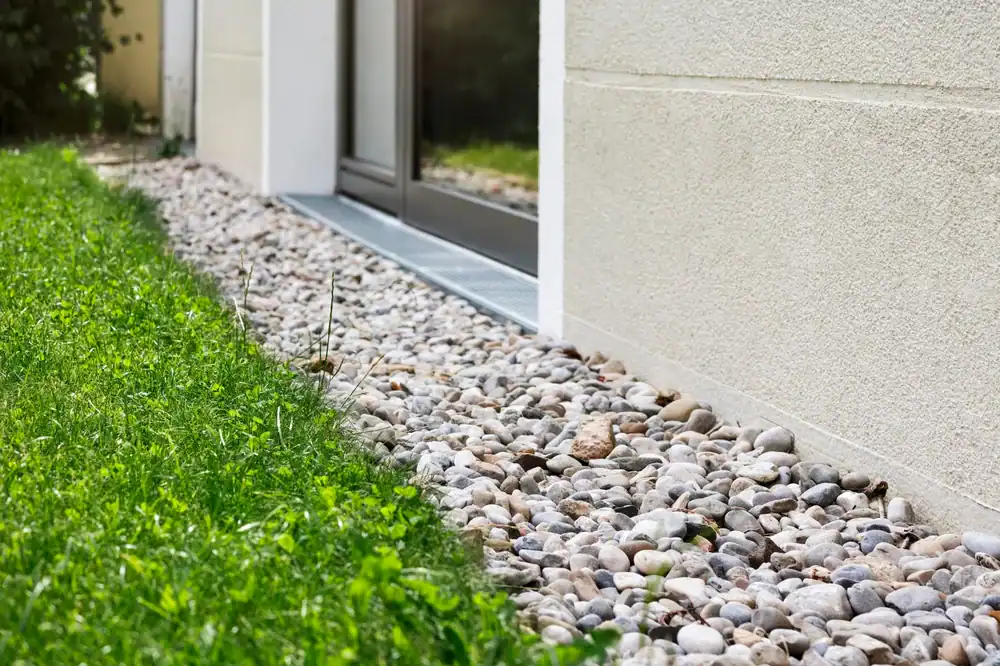
You stop worrying every time rain hits the forecast. Your basement stays dry during those intense summer storms that roll through Randolph County. Your foundation isn’t sitting in pooled water, slowly cracking under hydrostatic pressure.
A properly installed french drain system moves water away from your home before it becomes a problem. That means no more soggy spots in your yard, no more musty smells creeping up from the crawl space, and no more middle-of-the-night panic when the weather turns.
North Carolina’s climate doesn’t mess around. Between humid summers and remnants of Atlantic hurricanes, we see enough rainfall to cause real damage if your property doesn’t have a way to handle it. French drains work under any conditions—heavy storms, prolonged rain, even flooding events—because they’re designed to move enormous amounts of water efficiently.
This isn’t about a temporary fix. It’s about protecting your home’s structural integrity and avoiding the kind of repairs that run into five figures.
We’ve been serving Asheboro and the surrounding areas for over three decades. We’re a family-owned business with NADCA-certified personnel, BBB accreditation, and a track record that speaks for itself.
We started with crawl space encapsulation and air quality services, but we’ve expanded because homeowners kept asking us to solve their water problems. French drain installation became a natural extension of what we already do—keeping homes dry, healthy, and structurally sound.
Asheboro sits in an area where drainage matters. The clay-heavy soil common in Randolph County doesn’t absorb water quickly, which means runoff pools around foundations if there’s no system in place to redirect it. We’ve seen what happens when drainage gets ignored, and we know how to prevent it.

We start with an assessment of your property. Where’s the water coming from? Where’s it pooling? What’s the slope of your yard, and where can we direct runoff so it moves away from your foundation?
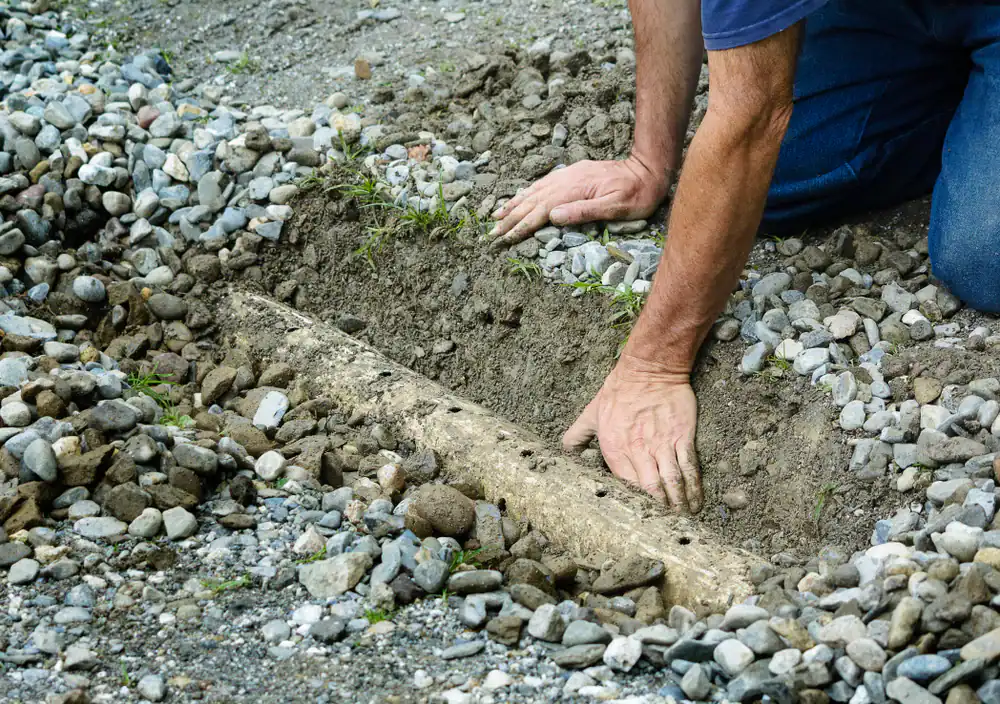
Once we’ve mapped that out, we trench along the problem areas—usually around your foundation, near downspouts, or along landscape features that aren’t draining properly. The trench gets lined with filter fabric to keep soil and debris out of the system.
Then we lay perforated pipe designed to collect and channel water. The pipe sits on a bed of gravel, which allows water to flow in from all directions. More gravel goes on top, and we wrap the whole thing in fabric before backfilling with soil.
The water flows through the pipe to a discharge point—away from your home, into a drainage area, or toward a dry well depending on your property. Most installations take a day or two depending on the scope. You’re not looking at weeks of disruption.
Ready to get started?
A complete french drain system includes the trench, filter fabric, perforated pipe, gravel, and proper grading to ensure water moves in the right direction. Depending on your property, we might also install a surface drain to handle water that pools on top of the ground, or connect downspouts directly into the drainage line.
In Asheboro, we’re dealing with soil that doesn’t drain well on its own. The red clay common in this area holds water, which is why so many homes here deal with foundation seepage and crawl space moisture. A french drain gives that water somewhere to go instead of sitting against your foundation.
We also handle trench drains for driveways, patios, and other hardscapes where water needs to move quickly across a surface. These work alongside french drains to manage both surface runoff and subsurface water.
Every system gets sloped correctly—typically one inch per eight feet of pipe—so gravity does the work. No pumps, no power, no ongoing costs. Just a reliable drainage system that works every time it rains.

Most systems run between $3,000 and $10,000 depending on how much drainage you need and how accessible the area is. If you’re just handling one side of your house with a 60-foot run, you’re looking at the lower end. A full perimeter system with multiple discharge points costs more.
The price breaks down to about $20 to $60 per linear foot. That includes labor, materials, grading, and cleanup. More complex jobs—like working around landscaping, dealing with rocky soil, or tying into an existing sump pump system—add to the cost.
Compare that to foundation repair, which averages over $10,000 in North Carolina, or mold remediation after a flooded basement. French drain installation is cheaper than fixing the damage that happens when you don’t have proper drainage.
A properly installed french drain lasts 30 to 40 years. The pipe itself is durable, and as long as the filter fabric keeps soil out of the system, it’ll keep working.
The key is using the right materials and installing everything correctly from the start. Cheap fabric breaks down. Wrong gravel clogs the pipe. Improper slope means water sits instead of flowing. That’s why most calls we get for french drain repair are from systems that weren’t done right the first time.
Maintenance is minimal. You’re not looking at ongoing costs or regular servicing. The system works passively—gravity moves the water, and the design keeps debris out. If you ever notice water pooling again, it usually means something upstream (like a clogged gutter) is overwhelming the system, not that the drain itself failed.
If water’s getting into your basement because of exterior drainage problems, yes. A french drain redirects water before it reaches your foundation, which eliminates the pressure that pushes moisture through basement walls or up through the floor.
Most basement flooding in Asheboro happens because water pools around the foundation during heavy rain. The soil gets saturated, pressure builds, and water finds its way inside. A perimeter french drain intercepts that water and moves it away before it becomes a problem.
If your basement floods because of a high water table or interior issues, you might need additional waterproofing—like an interior drain system or sump pump. But for the majority of homes dealing with storm-related flooding, exterior french drains solve it. We’ll assess your specific situation and tell you what’ll actually work.
You can, but most DIY installations fail within a few years. The most common mistakes are using the wrong fabric, choosing gravel that’s too small, sloping the pipe incorrectly, or not accounting for where the water will discharge.
We get calls all the time from homeowners who tried it themselves and ended up with a system that clogs, doesn’t drain, or just moves the water to a different problem area. Then they’re paying for removal and reinstallation on top of the original cost.
Professional installation means contractor-grade trenching equipment, proper materials, and experience with how water moves across different types of property. We also pull permits when needed and make sure everything meets local building codes. If you’re protecting a foundation or handling significant drainage issues, it’s worth doing once and doing it right.
A french drain handles subsurface water—the water that soaks into the ground and saturates soil around your foundation. It’s installed underground with perforated pipe and gravel to collect and redirect groundwater.
A trench drain handles surface water—the runoff that flows across driveways, patios, or other hard surfaces. It’s a channel with a grate on top that catches water before it pools or runs toward your home.
You might need both depending on your property. If you’ve got a sloped driveway that sends water toward your garage, a trench drain at the base catches it. If your yard stays soggy after rain and water’s seeping into your crawl space, a french drain solves that. We’ll look at your specific drainage issues and recommend what actually fits.
Not much. The system’s designed to work on its own. The filter fabric keeps soil and debris out of the pipe, and the gravel allows water to flow freely without clogging.
The main thing is making sure your gutters and downspouts stay clear. If they dump leaves and sediment into the drainage system, that can cause problems over time. Some systems include cleanout access points where you can flush the line if needed, but that’s rare.
If you notice water pooling in areas that used to drain fine, it’s usually an issue upstream—clogged gutters, a shifted downspout, or new landscaping that’s redirecting water. The drain itself typically keeps working as long as it was installed correctly. That’s the advantage of a passive system with no moving parts.