

Contact Info
- Greensboro, NC 27406
- Call: 336-707-0498
- Text: 336-707-0498
-
Mon - Fri: 8am - 4pm
Sat - Sun: Closed
Contact Info
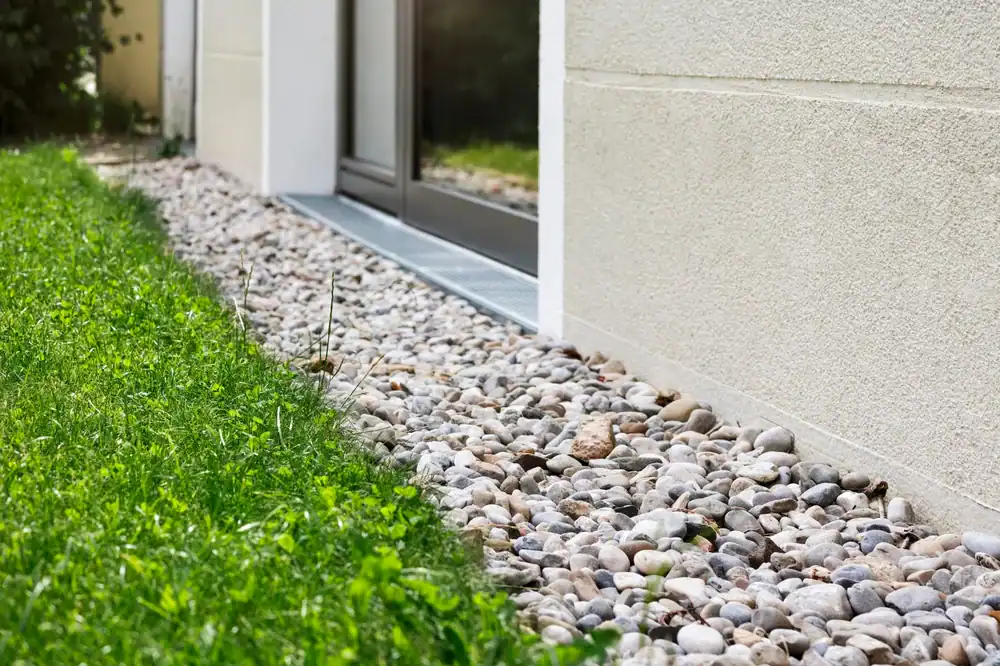
You stop worrying every time the forecast shows rain. Your foundation stays dry, your basement stays usable, and you avoid the kind of water damage that costs thousands to repair.
A properly installed French drain redirects water away from your home before it can pool around your foundation. That means no more standing water after storms, no more moisture creeping into your crawl space, and no more wondering if you’re going to wake up to a flooded basement.
North Carolina’s humid climate and heavy rainfall create real problems for homeowners in Climax. When water sits against your foundation, it doesn’t just disappear. It seeps in, causes cracks, creates mold, and weakens the structure of your home. The right drainage system stops that cycle before it starts.
We’ve been solving moisture problems in the Greensboro area for over 30 years. We’re NADCA certified, BBB A+ rated, and we understand exactly how water behaves around homes in this part of North Carolina.
We started as indoor air quality specialists because we saw how moisture issues were making people sick. French drain installation became part of what we do because you can’t fix air quality without controlling water. The two problems are connected.
Climax sits in an area where soil conditions and seasonal weather create drainage challenges. We’ve seen what happens when water isn’t managed properly, and we know how to fix it before small problems become expensive disasters.

We start with an inspection of your property to see where water is collecting and where it needs to go. Every yard is different, so we map out the drainage pattern based on your specific slope and soil conditions.
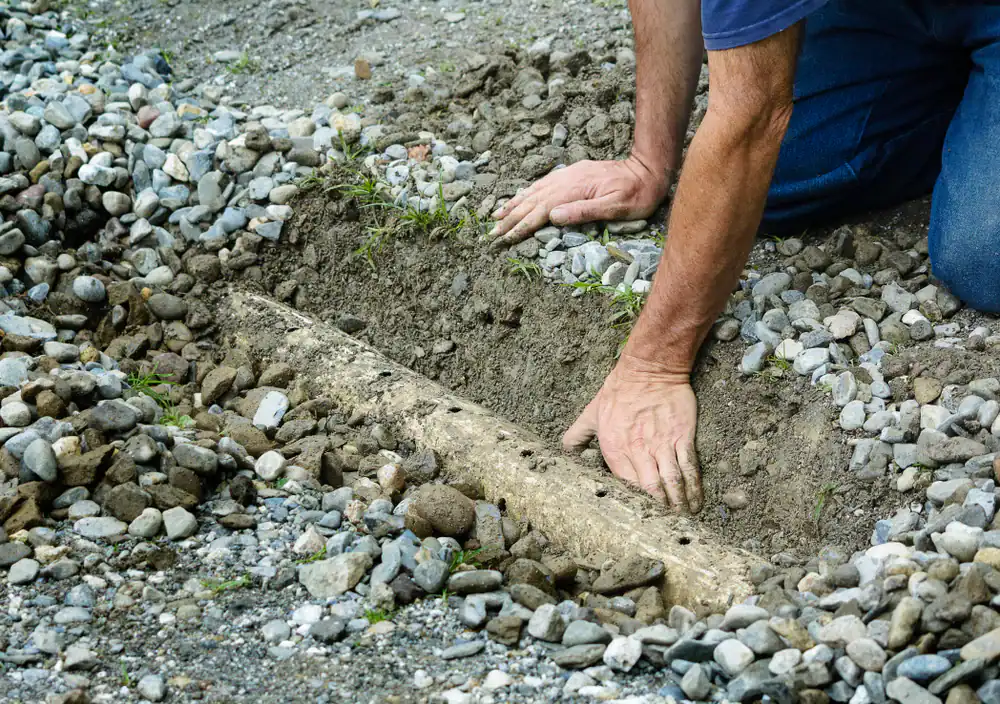
Next, we dig a trench along the problem area—usually around your foundation or in low spots where water pools. The trench gets lined with fabric to prevent soil from clogging the system. Then we lay perforated pipe surrounded by gravel, which captures water and channels it away from your home.
The pipe directs water to a safe drainage point away from your foundation. We make sure the slope is correct so gravity does the work. Once everything is in place, we cover the trench and restore your landscaping.
The whole system works passively. No pumps, no electricity, just smart engineering that keeps water moving in the right direction every time it rains.
Ready to get started?
You get a system designed for your property, not a one-size-fits-all trench. We account for your soil type, your home’s elevation, and where water naturally flows on your lot.
Most residential French drain projects in North Carolina run between $2,500 and $5,000 depending on length and complexity. That’s significantly less than repairing foundation damage, which FEMA estimates can cost over $23,000 for just two inches of water in a standard home.
We use quality materials—perforated pipe, proper gravel, and durable fabric—because shortcuts lead to clogs and failures. The system includes proper slope calculation, secure pipe connections, and a drainage outlet that won’t cause problems for you or your neighbors.
Climax’s mix of clay soil and seasonal rainfall means surface drainage alone won’t cut it. You need subsurface drainage that intercepts water before it reaches your foundation. That’s what a French drain does, and that’s what protects your home long-term.

A properly installed French drain typically lasts 20 to 30 years in North Carolina, sometimes longer if it’s maintained correctly. The lifespan depends on the quality of materials used and whether the system was designed with adequate slope and drainage capacity.
The main threat to longevity is clogging. Soil particles can work their way into the gravel and pipe over time, especially if the fabric liner wasn’t installed properly or if tree roots invade the system. That’s why we wrap the pipe in quality filter fabric and use the right size gravel—it keeps soil out while letting water flow freely.
North Carolina’s freeze-thaw cycles are mild compared to northern states, so you don’t get the kind of ground movement that tears systems apart. Your bigger concern here is heavy rainfall overwhelming an undersized system or roots from nearby trees seeking out the water source. Regular inspection every few years helps catch small issues before they become expensive problems.
A French drain is buried underground and captures water that’s seeping through soil. A trench drain sits at ground level with a grated top and catches surface water runoff. They solve different problems, and sometimes you need both.
French drains work for foundation drainage, yard flooding, and moisture control around your home. The perforated pipe sits in a gravel-filled trench below ground, intercepting water before it reaches your foundation or creates soggy spots in your yard. You don’t see it once it’s installed.
Trench drains are what you see in driveways, patios, and pool decks—the long metal grates that catch water flowing across hard surfaces. They’re designed for high-volume surface runoff that needs to be channeled away quickly. If you have water pooling on your driveway or patio, a trench drain handles that. If you have water seeping into your crawl space or basement, you need a French drain.
A French drain can fix basement flooding if the water is coming from outside your foundation. If the problem is a plumbing leak, a high water table, or hydrostatic pressure pushing water up through your basement floor, you need a different solution.
Most basement flooding in Climax happens because water pools around the foundation during heavy rain and finds its way through cracks or seams. An exterior French drain intercepts that water before it reaches your foundation walls. We install it along the perimeter of your home at footing level, capturing water and directing it away.
If your basement only floods during or right after storms, and you see water coming through the walls rather than up through the floor, an exterior French drain is likely the right fix. If water appears even when it hasn’t rained, or if it’s coming up through floor cracks, you might need an interior drainage system or sump pump instead. We can assess your specific situation and tell you exactly what will work.
French drain repair typically costs $500 to $2,000 depending on what’s wrong and how much of the system needs work. New installation runs $2,500 to $5,000 for most homes. Repair makes sense if the problem is localized, but if the whole system is failing, replacement is usually smarter.
Common repair issues include clogged pipes, damaged sections where tree roots invaded, or areas where the pipe has collapsed or disconnected. If we can excavate just the problem section, replace that portion, and reconnect it to the working parts of your system, repair is cost-effective.
But if your French drain is 20+ years old and showing multiple failure points, or if it was installed incorrectly from the start without proper slope or materials, you’re better off replacing it. Piecemeal repairs on a fundamentally flawed system just delay the inevitable. We’ll inspect your existing drain and give you an honest assessment of whether repair or replacement makes more financial sense for your situation.
Permit requirements for French drain installation in Climax depend on the scope of work and where the drainage water will discharge. Most residential French drains don’t require a permit if they’re draining to a safe location on your property, but it’s worth confirming with Randolph County before work starts.
You’ll likely need a permit if your drainage system connects to a public storm sewer, if it involves significant grading or earth moving, or if it affects a drainage easement or neighboring property. The county wants to make sure water isn’t being redirected in ways that cause problems downstream.
We handle permit questions as part of our consultation. We know local requirements and can tell you upfront whether your project needs approval. Most straightforward installations around single-family homes don’t trigger permit requirements, but commercial properties or complex drainage situations might. Getting this right from the start prevents headaches later.
You can install a French drain yourself if you have the time, tools, and physical ability to dig trenches and haul materials. But getting the slope right, choosing proper materials, and ensuring long-term performance requires experience most homeowners don’t have.
The most common DIY mistakes are incorrect slope (water won’t drain), wrong pipe type (solid instead of perforated), inadequate gravel depth, or no filter fabric (system clogs quickly). Any of these errors means your drain won’t work properly, and fixing it later means digging everything up again. You’ll spend more money correcting the mistakes than you would have spent hiring us initially.
We also know where utility lines run, how to handle your specific soil conditions, and where water can safely discharge without creating new problems. We have the equipment to dig efficiently and the expertise to design a system that actually solves your drainage issue. For most homeowners dealing with foundation water problems, professional installation is worth the investment.