

Contact Info
- Greensboro, NC 27406
- Call: 336-707-0498
- Text: 336-707-0498
-
Mon - Fri: 8am - 4pm
Sat - Sun: Closed
Contact Info
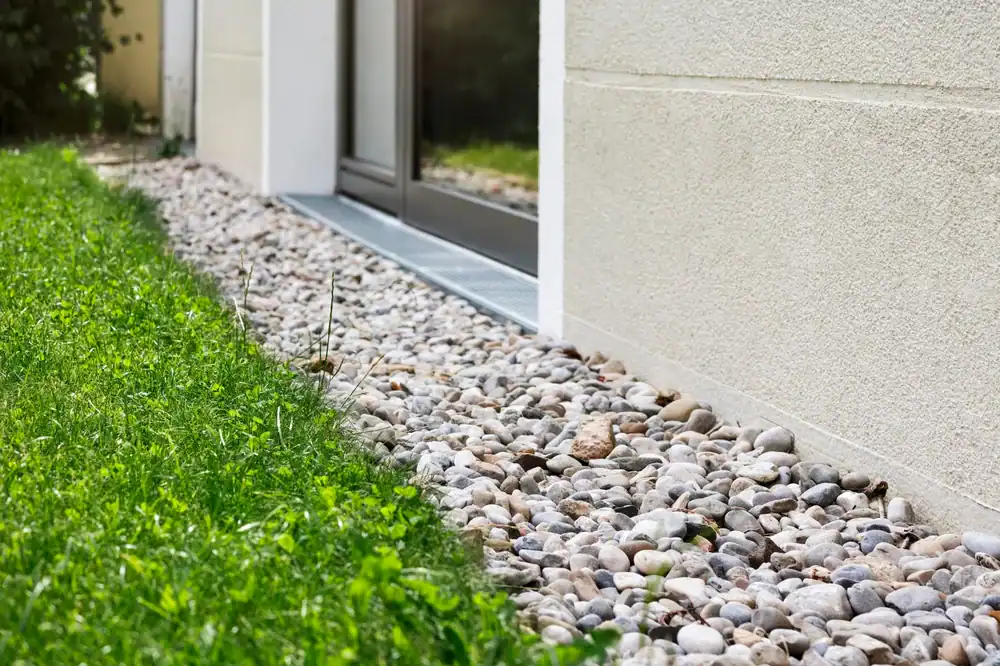
You stop worrying every time rain’s in the forecast. Your crawl space stays dry, which means no musty smell creeping through your vents. The air in your home gets cleaner because mold doesn’t have moisture to feed on.
Your foundation stops taking damage. Water won’t pool around your home’s base, so you’re not looking at cracks, settling, or the kind of structural problems that cost five figures to fix.
You also protect your property value. Buyers notice wet basements and drainage issues during inspections. A working French drain system shows you’ve handled the problem the right way, and that matters when it’s time to sell.
We’ve been working in the Greensboro area since the early 90s. We started with indoor air quality, which taught us how much damage moisture does to homes in North Carolina. Crawl spaces, basements, ductwork—water finds a way in, and it doesn’t take long before you’re dealing with mold, rot, or worse.
French drain installation became part of what we do because it solves the problem at the source. Deep River sits in an area with clay-heavy soil that holds water after storms. That’s why so many homes here deal with standing water, soggy yards, and basements that leak every spring. We’ve seen it hundreds of times, and we know how to fix it.
Rick Watson holds certifications through the National Air Duct Cleaners Association, and our team uses the same careful approach on drainage work that we bring to air quality jobs. You’re not getting a crew that rushes through installs or cuts corners on materials.

We start by walking your property to see where water’s coming from and where it needs to go. That means checking the slope of your yard, looking at how your downspouts drain, and identifying low spots where water pools. Every property is different, so the trench path gets planned based on your specific layout.
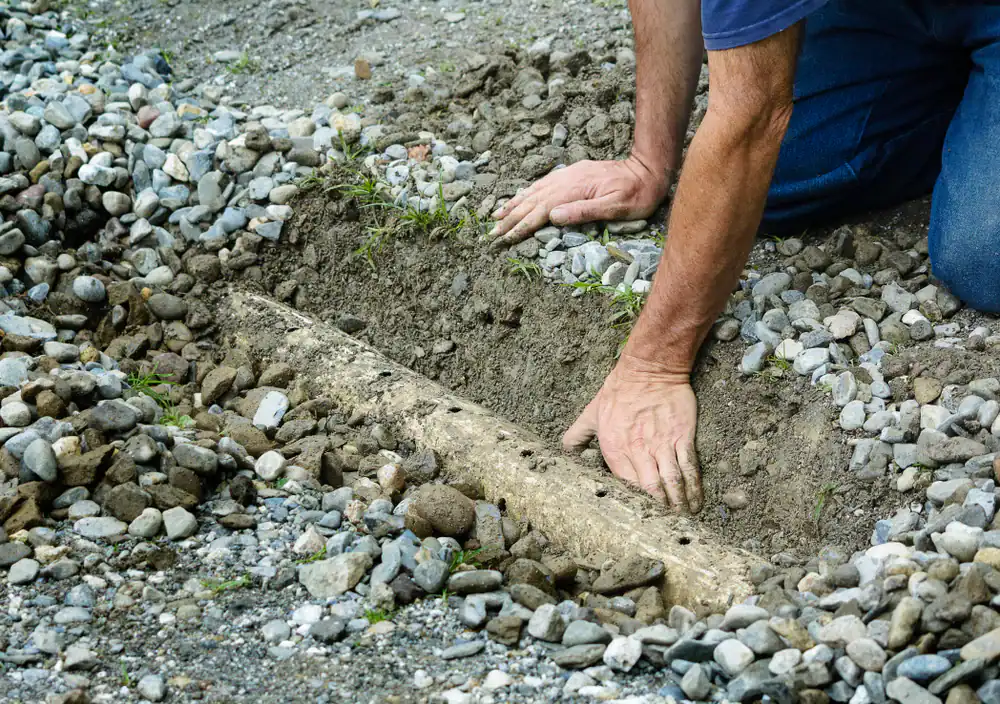
Next, we dig the trench. For crawl space drainage, that’s usually along the perimeter of your foundation. For yard drainage or landscape drainage solutions, we follow the natural grade to move water toward a safe discharge point. Depth and slope matter—if either one’s off, the system won’t work right.
We lay perforated pipe in a bed of gravel, then cover it with more gravel and filter fabric to keep soil from clogging the system. The pipe collects groundwater and moves it away from your foundation, either to a drainage ditch, dry well, or another outlet that won’t cause problems. Once it’s buried and graded, you won’t see it, but you’ll notice the difference every time it rains.
Ready to get started?
A French drain installation from us includes the full setup: trenching, grading, perforated drainage pipe, gravel bedding, and filter fabric. We also connect your system to a discharge point that keeps water away from your home for good. If your crawl space needs it, we can add a sump pump to handle water that collects below grade.
In Deep River, NC, the soil doesn’t drain well on its own. Clay holds moisture, which is why so many properties here deal with standing water and foundation issues after heavy rain. A surface drainage system or trench drain handles water before it soaks into the ground near your home. That’s especially important if you’ve noticed pooling near your foundation or soggy spots in your yard that won’t dry out.
We also handle French drain repair for systems that aren’t working anymore. Older installs sometimes fail because the pipe gets clogged, the slope wasn’t right to begin with, or the discharge point stopped working. We’ll assess what’s wrong and either fix the existing setup or replace it with a system that’s built to last 30 to 40 years.

Most French drain systems in North Carolina run between $20 and $60 per linear foot, depending on depth, soil conditions, and whether you need interior or exterior drainage. A typical crawl space installation around a home’s perimeter might need 60 to 100 feet of drain, which puts the project somewhere between $1,400 and $6,000 for most properties.
The price goes up if you’re dealing with difficult access, rocky soil, or a system that needs to tie into a sump pump or extend to a farther discharge point. Deep foundation drains cost more than shallow landscape drainage because they require more excavation and stronger materials.
You’re paying for a system that lasts decades and protects your foundation from water damage that could cost tens of thousands to repair. Cheaper installs that skip proper grading or use low-quality materials end up failing within a few years, which means you’re paying twice.
A properly installed French drain can last 30 to 40 years without major issues. The key is using the right materials and getting the slope correct during installation. If the trench is graded properly and the pipe is surrounded by clean gravel with filter fabric, water will keep moving through the system for decades.
Problems happen when installers rush the job or use the wrong type of pipe. Corrugated pipe with small perforations clogs faster than smooth-wall pipe with larger slots. Skipping the filter fabric lets soil wash into the gravel and block water flow. And if the slope is off by even a degree or two, water won’t drain efficiently.
We’ve repaired systems that failed after five years because they weren’t installed right the first time. When you do it correctly from the start, you won’t be digging up your yard again anytime soon.
Yes, if the flooding is caused by groundwater pressure or surface water pooling around your foundation. A French drain intercepts that water before it reaches your basement walls, which eliminates the source of the problem. Most basement flooding in Deep River happens because water saturates the soil around the foundation and finds its way through cracks or seams.
An exterior French drain installed along the perimeter of your foundation collects groundwater and redirects it to a safe discharge point. That drops the water table around your home and takes pressure off your basement walls. For homes with below-grade basements, an interior French drain combined with a sump pump handles water that’s already made it to the basement level.
If your flooding is caused by something else—like a broken pipe, poor grading, or clogged gutters—a French drain won’t solve it. That’s why we assess your property first to make sure we’re addressing the actual cause of the water intrusion.
You can, but most DIY French drain installs fail because the slope isn’t right or the materials aren’t appropriate for the job. Grading a trench so water flows consistently over 50 or 100 feet is harder than it looks. If the slope is too shallow, water sits in the pipe. If it’s too steep in one section and flat in another, you get uneven drainage and sediment buildup.
You also need to know where to discharge the water. Sending it toward your neighbor’s property or too close to another part of your foundation just moves the problem. And if you’re working near your home’s footing, digging incorrectly can undermine your foundation and cause serious structural damage.
The cost difference between a DIY install and a professional one isn’t huge when you factor in tool rental, materials, and the time it takes to dig and grade everything correctly. And if the system doesn’t work, you’ll end up paying someone to fix it anyway—usually for more than the original install would have cost.
A French drain is buried underground and collects water through perforated pipe surrounded by gravel. It handles groundwater and subsurface drainage, which makes it the right choice for foundation waterproofing and crawl space moisture control. You don’t see it once it’s installed.
A trench drain sits at ground level with a grated top that catches surface water. It’s used in driveways, patios, and other paved areas where you need to move water quickly off the surface. You’ll see trench drains at the end of sloped driveways or along garage floors.
Both systems move water away from areas where it causes problems, but they’re designed for different types of drainage issues. Some properties need both—a French drain to handle subsurface water around the foundation and a trench drain to manage surface runoff from a driveway or walkway.
You probably need one if your basement floods after heavy rain, your crawl space stays damp, or you have standing water in your yard that won’t drain. Musty smells coming from your crawl space or basement are another sign—that smell means moisture, and moisture means you’ve got a drainage problem.
Check your foundation after a storm. If you see water pooling within a few feet of your home, that water is soaking into the soil and putting pressure on your basement walls. Over time, that leads to cracks, leaks, and structural damage. Clay soil like we have in Deep River makes the problem worse because it doesn’t absorb water quickly.
If your gutters and downspouts are working but you’re still getting water intrusion, the issue is usually groundwater. A French drain solves that by lowering the water table around your foundation and giving that water a path away from your home.