

Contact Info
- Greensboro, NC 27406
- Call: 336-707-0498
- Text: 336-707-0498
-
Mon - Fri: 8am - 4pm
Sat - Sun: Closed
Contact Info
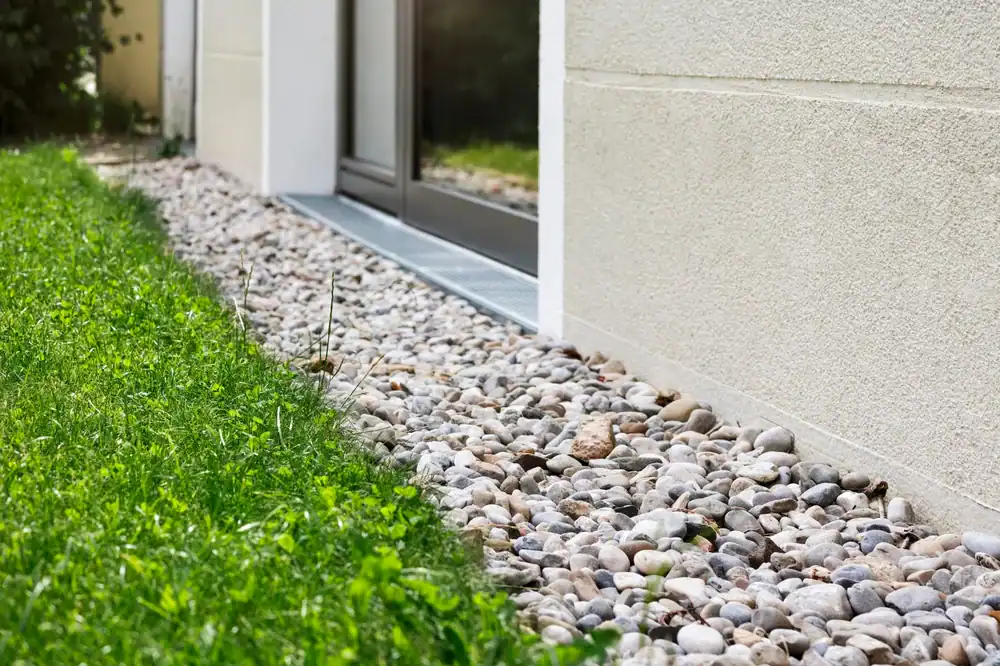
You stop finding puddles in your basement after every storm. The musty smell disappears because moisture isn’t sitting under your house anymore. Your crawl space stays dry, which means mold doesn’t get the environment it needs to grow and spread through your home.
Your foundation stops taking on water pressure from saturated soil. That pressure causes cracks, shifting, and expensive structural repairs down the road. When water moves away from your house instead of toward it, your property value stays intact and you’re not explaining drainage issues to future buyers.
Your landscaping doesn’t get destroyed by standing water or erosion. Grass actually grows instead of turning into mud pits. You can use your yard without stepping into soggy ground days after it rains.
We’ve spent over 30 years working on homes in the Greensboro area, including Julian. We understand how North Carolina soil behaves when it gets saturated. We know what happens during those sudden afternoon storms that dump inches of rain in less than an hour.
Our team holds NADCA certifications with Air Systems Cleaning Specialist and Certified Ventilation Inspector credentials. That training matters because drainage problems don’t exist in isolation—they affect your air quality, your crawl space conditions, and your home’s overall health. We look at the whole picture, not just where to dig a trench.
We’ve seen what happens when drainage systems get installed wrong. We’ve fixed plenty of them. That experience shapes how we approach your property from the first inspection.

We start with a property inspection to identify where water collects, how it flows across your yard, and where it’s entering your foundation or crawl space. We’re looking at soil type, existing grade, downspout placement, and how much water volume you’re dealing with during heavy rain.
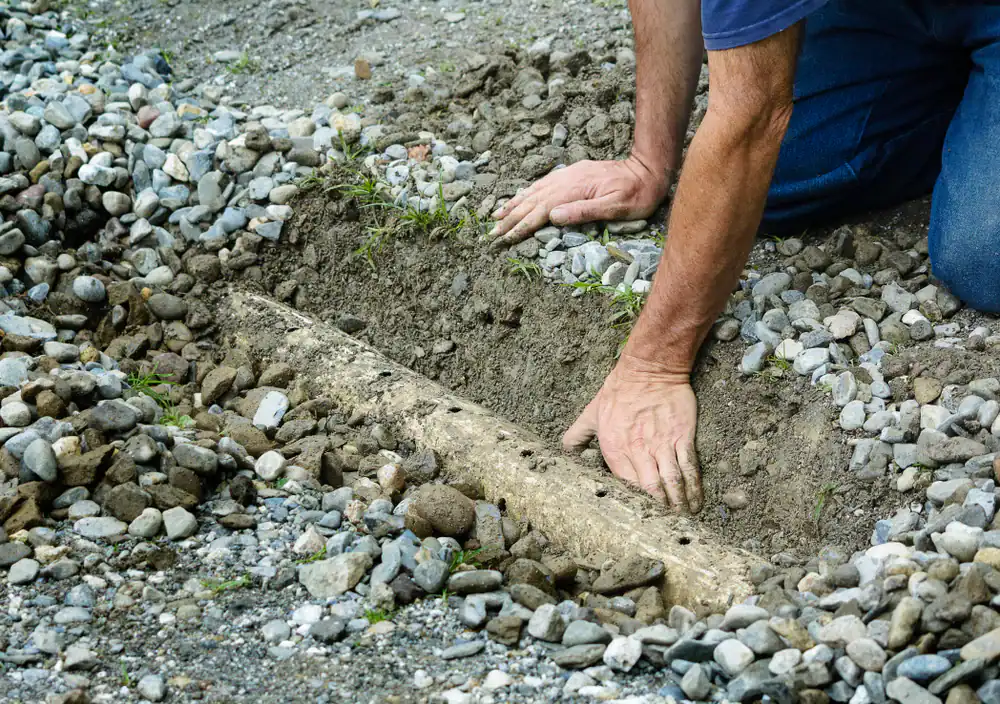
Once we map out the problem areas, we design a system that intercepts water before it reaches your foundation. That usually means digging a trench around the perimeter or across problem zones in your yard. The trench gets filled with gravel and a perforated pipe that captures both surface water and subsurface water, then carries it away to a safe discharge point away from your house.
We customize depth and placement based on your property’s water table and soil conditions. Some properties need a shallow surface drain to handle runoff. Others need a deeper system to manage groundwater. We match the solution to what’s actually happening on your land, not a one-size-fits-all approach.
After installation, we grade everything properly so water flows toward the drain, not around it. The system works with gravity and requires no energy to operate. Once it’s in place, it handles water automatically every time it rains.
Ready to get started?
You get a drainage system built for North Carolina weather patterns. Julian sits in an area that experiences both steady seasonal rain and sudden storm events that overwhelm inadequate drainage. Your system gets designed to handle high-volume water flow, not just average conditions.
We install premium materials that last—commercial-grade perforated pipe, proper gravel that won’t clog, and filter fabric that keeps soil out of the system. Cheap materials fail within a few years. You’re paying for installation labor either way, so the materials need to hold up for decades.
You also get a system that integrates with your existing property features. If you have downspouts that dump water near your foundation, we connect those to the drainage system. If you have a low spot in your yard that floods, we route the discharge away from that area. If your driveway creates runoff problems, we install a trench drain or surface drainage to intercept it.
The work happens outside, so your daily routine doesn’t get disrupted. We’re not tearing up your interior or turning your house upside down. Most residential installations in the Julian area fall in the $2,500 to $5,000 range depending on system size and site complexity.

A properly installed French drain system lasts 20 to 30 years or longer if it’s built with quality materials and correct technique. The pipe itself doesn’t wear out—it’s the surrounding components that determine longevity.
Systems fail early when installers use inadequate gravel that compacts and stops draining, skip the filter fabric that prevents soil intrusion, or don’t establish proper slope for water flow. We see plenty of 5-year-old systems that already need replacement because they were installed cheap and fast.
North Carolina soil has a lot of clay content, which means fine particles can work their way into a drainage system over time if it’s not protected correctly. That’s why filter fabric and the right gravel size matter. Your system needs to handle both the volume of water Julian gets during storm season and the soil conditions specific to this area.
A French drain sits underground and captures subsurface water through a perforated pipe surrounded by gravel. It’s designed to intercept groundwater and water that’s already soaking into the soil around your foundation.
A trench drain sits at surface level with a grated top and captures water before it has a chance to soak into the ground. You typically see trench drains across driveways, at the base of slopes, or in areas where you need to grab surface runoff quickly before it flows toward your house or floods a low area.
Many properties need both. If you have a sloped driveway that sends water rushing toward your garage, a trench drain intercepts that surface flow. If you have foundation moisture from groundwater pressure, a French drain around the perimeter handles that subsurface problem. We assess what type of water issue you’re dealing with—surface runoff, subsurface saturation, or both—and design the system accordingly.
Yes, when it’s sized correctly for your property’s water volume and soil conditions. Julian experiences both steady rainfall and intense storm events that drop several inches in a short period. Your drainage system needs capacity for those peak flow situations, not just average rain.
We calculate how much water your roof sheds during heavy rain, how much runoff your yard generates based on square footage and slope, and where water naturally flows across your property. That determines pipe diameter, trench depth, and how many drainage lines you need.
Undersized systems get overwhelmed during storms and water backs up instead of draining away. That’s why some homeowners think French drains don’t work—they’ve seen systems that were never built to handle the actual water volume. A properly designed system moves water away from your foundation even during the worst weather Julian sees. The system has no moving parts and works entirely on gravity, so it keeps functioning when you need it most.
The water flows through the underground pipe to a discharge point away from your foundation—usually to a lower area of your property, a drainage ditch, or into a dry well depending on your lot layout and local regulations.
We identify the best discharge location during the initial property assessment. The goal is moving water far enough away that it can’t flow back toward your house or create problems in another area of your yard. If your property slopes naturally, we use that grade to carry water to the lowest point. If your lot is relatively flat, we may need to create drainage to a specific area designed to handle the water volume.
Some properties require a sump pump system if there’s no good gravity-fed discharge option. That’s less common, but it’s the right solution when your house sits in a low spot or you’re dealing with a high water table. We walk you through what makes sense for your specific property and explain why we’re recommending a particular approach.
Gutters handle roof water. French drains handle groundwater and water that’s already on the ground flowing toward your foundation. Most properties with drainage problems need both systems working correctly.
If you’re seeing water in your basement or crawl space only during rain, and your gutters are dumping water right next to your foundation, extending those downspouts away from the house might solve the problem. But if you’re seeing moisture even when gutters are working fine, you’re dealing with groundwater pressure or surface water flowing across your yard toward the house.
Signs you need a French drain include standing water in your yard after rain, water stains on your foundation walls, musty smells in your crawl space or basement, or cracks in your foundation that seem to get worse over time. These indicate water is saturating the soil around your house and creating pressure against your foundation. Gutters can’t fix that—you need a drainage system that intercepts water before it reaches your foundation perimeter.
A well-built system with proper filter fabric and gravel rarely clogs completely, but sediment can accumulate over many years and reduce flow capacity. That’s why the installation quality matters so much upfront.
Systems without filter fabric let soil particles wash into the pipe and gravel, which eventually blocks water flow. Systems with inadequate gravel or the wrong gravel size compact over time and stop draining effectively. When we install a system, we’re building it to resist clogging for decades, not just a few years.
If you do experience reduced drainage performance, the system can be inspected and cleaned. We can flush the pipes, replace gravel in problem sections, or add cleanout access points if the original installation didn’t include them. Prevention is always cheaper than repair, which is why we don’t cut corners on materials or installation technique. You’re better off paying for a system that works correctly from day one than dealing with repairs five years later.