French Drain Installation in McLeansville, NC

Stop Water Before It Damages Your Foundation

Your basement stays dry, your foundation stays stable, and you stop worrying every time it rains in McLeansville, NC.
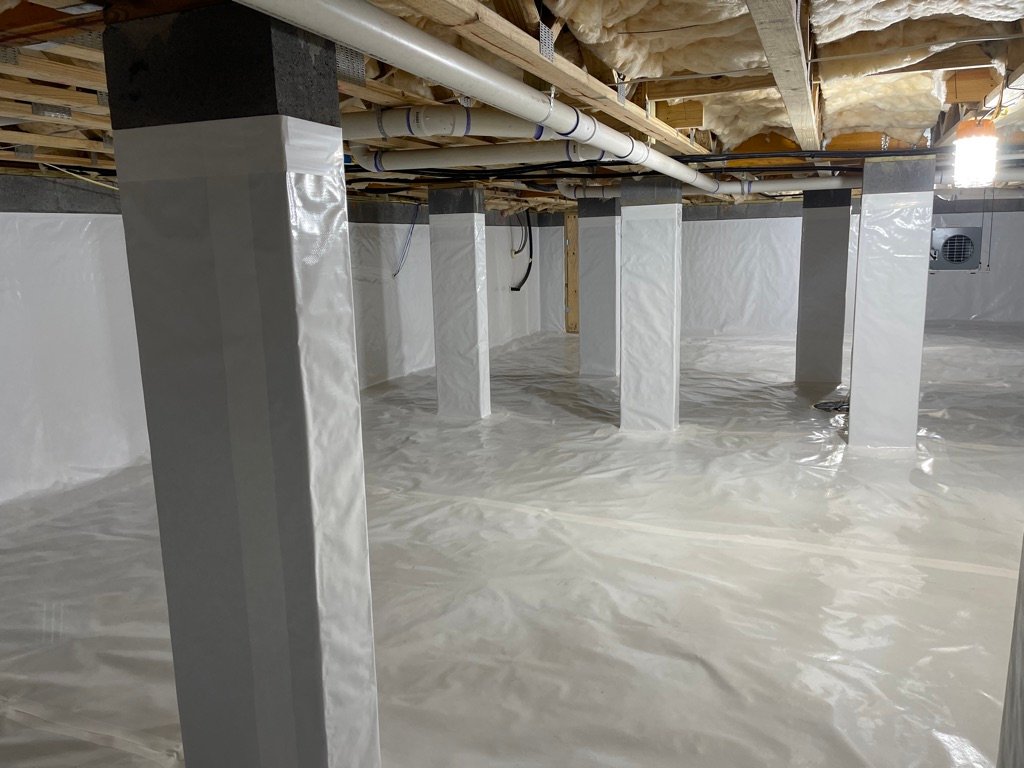
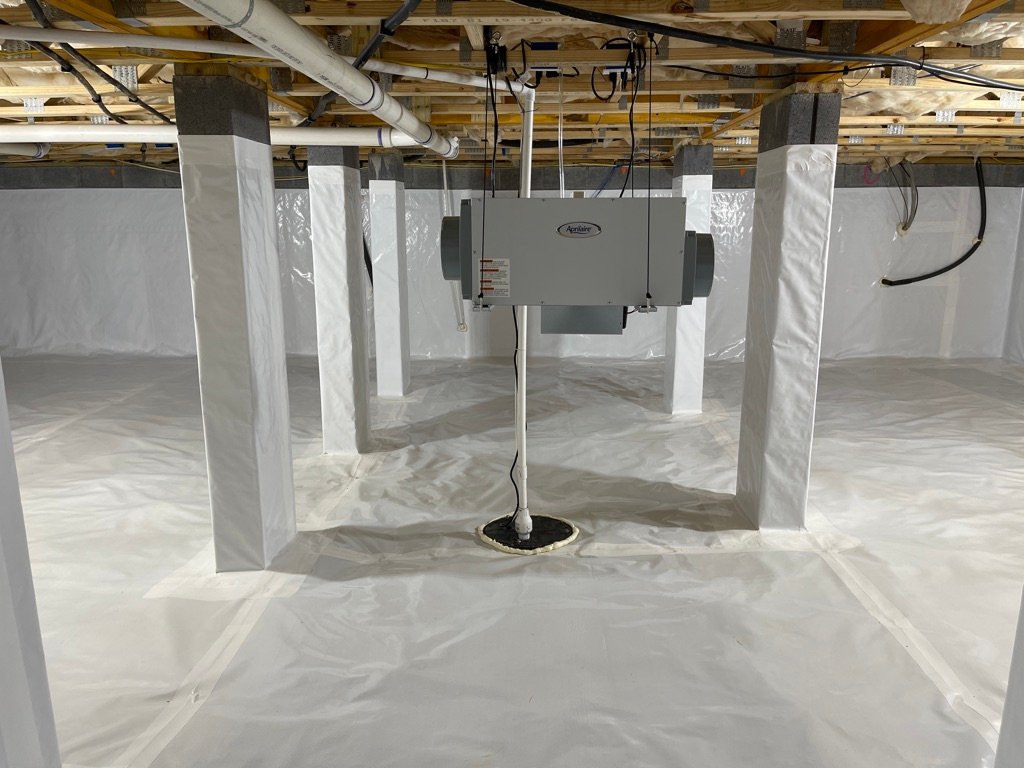
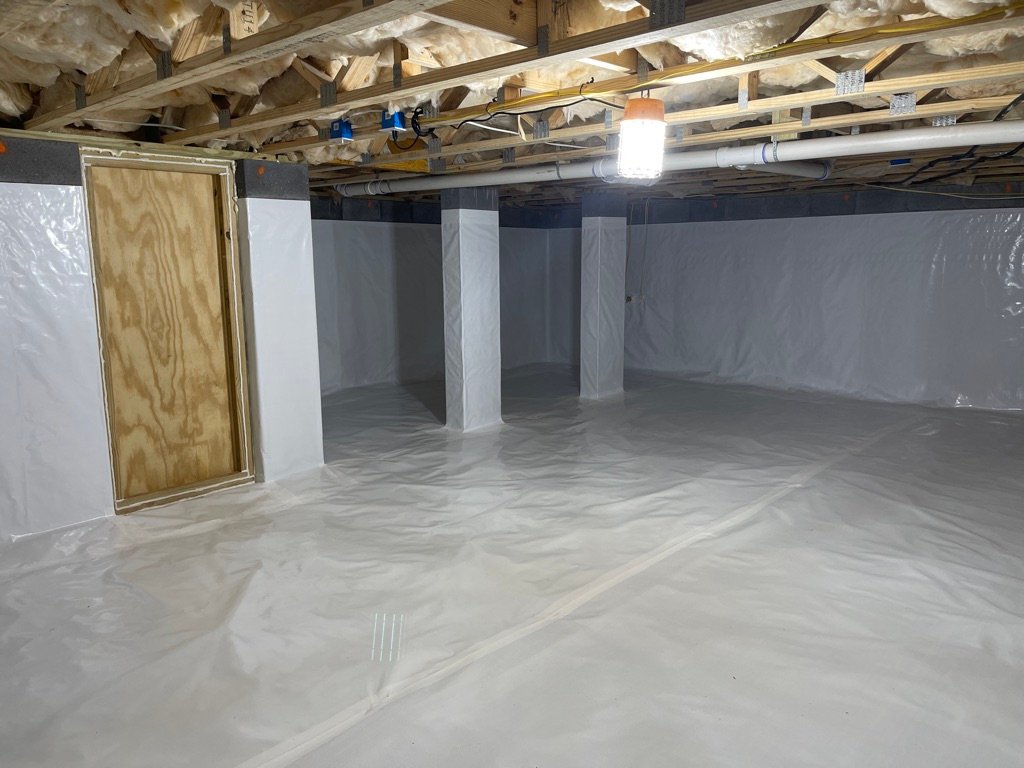
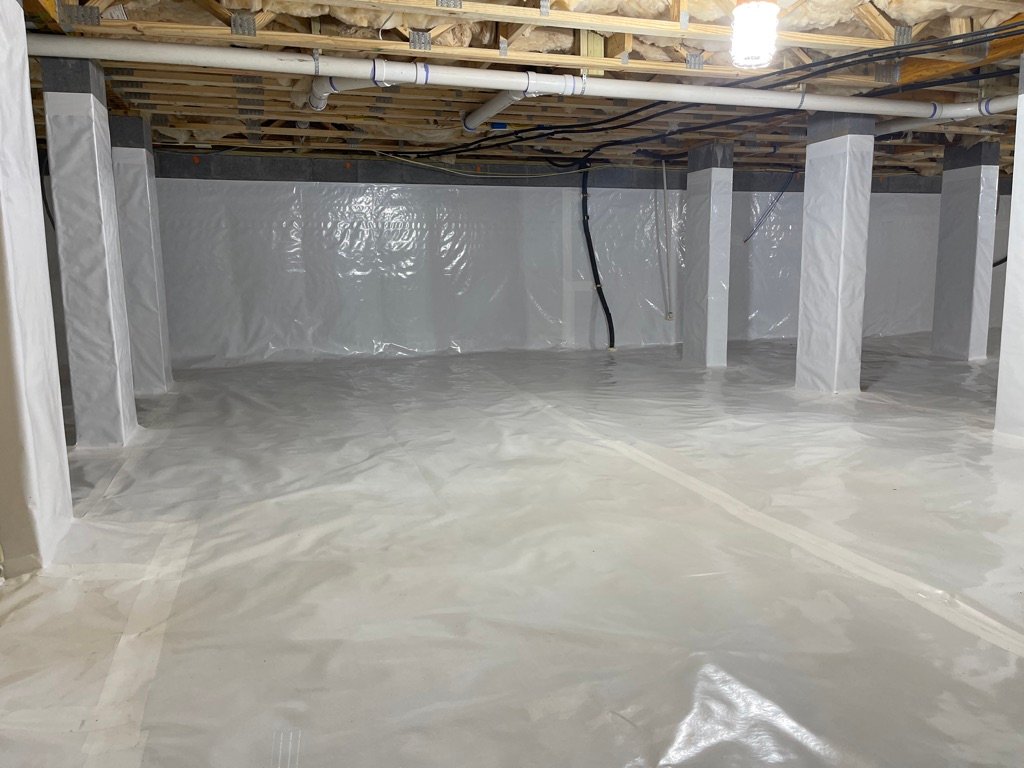
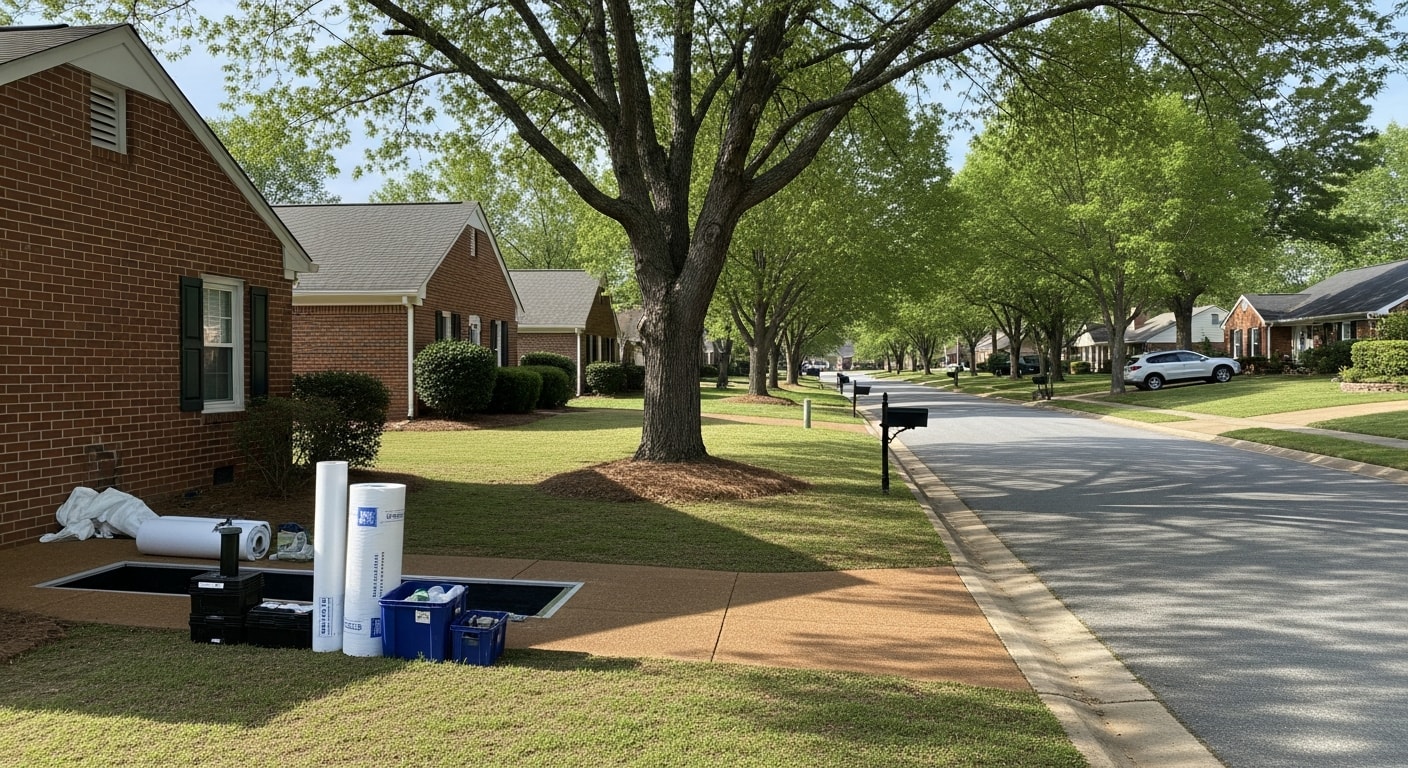
French drain installed along the foundation for effective water management in Alamance, NC.
French drain being installed for effective water drainage in Alamance, NC. Expert service by Clean A.

Basement Waterproofing in McLeansville, NC

What Proper Drainage Actually Does for Your Home

Water finds the path of least resistance. In McLeansville, that path usually leads straight to your foundation because of the clay-heavy soil we deal with here.

When clay gets wet, it expands. When it dries out, it contracts. That constant movement puts pressure on your foundation walls, creates cracks, and eventually lets water into places it shouldn’t be.

A properly installed french drain system intercepts that water before it reaches your foundation. It redirects surface runoff and subsurface water to a discharge point away from your home. That means your basement stays dry, your crawl space doesn’t turn into a mold factory, and your foundation isn’t constantly fighting against saturated soil.

You’re not just avoiding the immediate problem of a wet basement. You’re preventing the long-term issues that come with it—structural damage, decreased property value, mold growth, and the kind of repair bills that make you wish you’d handled drainage years earlier. FEMA estimates that just two inches of water in a 2,500-square-foot home causes over $26,000 in combined damage to the structure and your belongings.

McLeansville French Drain Contractors

Three Decades of Keeping Local Homes Dry

We’ve been working in the Greensboro area for over 30 years. We’ve seen what McLeansville’s soil does to foundations, and we know how to fix it before it becomes expensive.

We’re BBB A+ accredited and NADCA certified, with personnel holding ASCS and CVI certifications. That’s not just paperwork—it means we follow proven methods and stay current on the best practices for drainage and waterproofing.

Most of our work comes from referrals. People who had water problems, got them fixed right, and told their neighbors. That’s how we’ve built our reputation in a community like McLeansville—we show up, do the work correctly, and the results speak for themselves.

French Drain Installation Process

Here's What Happens When We Install Your System

We start with an inspection of your property to identify where water is pooling, how it’s moving across your yard, and where your foundation is most vulnerable. Every property drains differently based on grade, soil composition, and existing landscape features.

Once we understand your specific drainage pattern, we design a system that intercepts water at the source. That usually means trenching along the foundation perimeter or in areas where water naturally collects. We dig to the appropriate depth based on your water table and soil type—this isn’t a one-size-fits-all measurement.

The trench gets filled with gravel and a perforated pipe wrapped in filter fabric. The fabric keeps soil and debris out while allowing water to flow freely into the pipe. From there, the system carries water to a discharge point—typically a dry well, drainage ditch, or another area where runoff won’t cause problems.

We can also tie in your downspout drains so gutter runoff gets directed away from your foundation instead of dumping right next to it. Most installations are completed in hours, not days, because we use contractor-grade trenching equipment that moves efficiently without tearing up your entire yard.

French drain system installed along the foundation for effective water management.

Explore More Services

About Clean Air LLC

Landscape Drainage Solutions McLeansville

What You Get With a Professional Installation

A properly installed french drain system is customized to your property. We account for McLeansville’s clay soil, which doesn’t drain well on its own and creates unique challenges compared to sandier regions.

You get a system designed for your specific water volume, graded correctly so water flows where it’s supposed to go, and built with materials that last. We’re talking about perforated pipe that won’t collapse, gravel that promotes drainage, and filter fabric that prevents clogging over time.

If you need surface drainage solutions in addition to subsurface work, we can install trench drains or channel drains in areas like driveways or patios where water pools on the surface. These integrate with your french drain system to handle both surface runoff and groundwater.

The goal is a complete waterproofing approach that addresses your home’s vulnerabilities. That might mean french drain installation along the foundation, downspout extensions, and grading adjustments to direct water away from problem areas. We look at the whole picture because water doesn’t care about partial solutions—it finds any gap you leave.

French Drain for Effective Water Management in Alamance, NC.

How much does french drain installation cost in McLeansville, NC?

Most residential french drain installations in the McLeansville area fall between $2,500 and $5,000, depending on the length of the system and site conditions. You’re typically looking at $23 to $38 per linear foot in North Carolina.

The cost depends on how much trench we need to dig, how deep we need to go based on your water table, and whether we’re dealing with obstacles like tree roots, existing utilities, or difficult soil. A 60-foot installation around one side of your foundation runs between $1,400 and $2,300. If you need drainage around the entire perimeter, the footage—and cost—goes up accordingly.

Surface drains cost less than deep subsurface systems because they require less excavation. But if your problem is groundwater seeping into your basement or crawl space, you need a system that goes deep enough to intercept it before it reaches your foundation. That’s where the investment pays off—you’re preventing damage that costs far more to repair than the drain costs to install.

A professionally installed french drain system typically lasts 20 to 30 years or longer if it’s maintained properly. The pipe itself is durable, and the gravel doesn’t break down. What causes problems over time is clogging from soil infiltration or root intrusion.

That’s why the filter fabric matters. It keeps fine soil particles from washing into the gravel and pipe, which is what causes most drainage systems to fail prematurely. If the fabric is installed correctly and the system is designed with proper slope, water keeps flowing and the drain keeps working.

You can extend the life of your system by keeping gutters clean so you’re not overwhelming the drain with debris-filled runoff, and by avoiding planting trees or large shrubs directly over the drain line. Roots seek out water, and they will find your drain pipe if you give them the opportunity. Most systems come with a one- to two-year warranty, but if it’s built right, you shouldn’t need to think about it for decades.

If your basement floods because of exterior water pressure or poor drainage around your foundation, yes—a french drain is the most effective solution. It intercepts water before it can build up against your foundation walls and find its way inside.

Basements flood for a few reasons. Sometimes it’s because the grading around your home slopes toward the foundation instead of away from it. Sometimes it’s because your gutters dump thousands of gallons of water right next to the house every time it rains. And sometimes it’s because the water table is high and groundwater has nowhere to go except into your basement.

A french drain addresses all of those issues by creating a path for water to follow that leads away from your home. If you’re also dealing with cracks in your foundation walls or floor, those need to be sealed as part of a complete waterproofing strategy. But the drain stops the source of the problem—the water itself. Once you control where water goes, your basement stays dry and you’re not dealing with mold, damaged belongings, or that musty smell that never quite goes away.

You can, but most DIY installations fail because of incorrect slope, inadequate depth, or poor material choices. If the trench isn’t graded properly—even by a small amount—water won’t flow and you’ve just dug an expensive hole that doesn’t work.

You also need to know where your utilities are buried, how deep to dig based on your specific water table, and what type of pipe and gravel to use for McLeansville’s clay soil. Contractor-grade trenching equipment makes the job faster and cleaner, but it’s not something most homeowners have sitting in the garage.

The bigger issue is what happens if it doesn’t work. If you install a drain that fails, you’re still dealing with water damage while you pay someone to come fix it correctly. That’s why most people hire professionals for french drain installation—it’s not just about digging a trench, it’s about designing a system that actually solves the problem. A proper installation costs more upfront than a DIY attempt, but it works the first time and lasts for decades.

A french drain handles subsurface water—the kind that saturates the soil and puts pressure on your foundation. A trench drain handles surface water—the kind that pools on your driveway, patio, or yard after a heavy rain.

French drains are buried systems. You dig a trench, fill it with gravel and a perforated pipe, and cover it back up. Water seeps into the pipe through the perforations and gets carried away underground. You don’t see it, and once it’s installed, it’s out of sight.

Trench drains are surface systems with a visible grate. Water flows into the grate, down into a channel, and out to a drainage point. You’ll see these in front of garage doors, along driveways, or in low spots where water collects on the surface. They’re designed to capture runoff before it has a chance to pool or flow toward your foundation.

Most homes benefit from both. The french drain handles groundwater and keeps your foundation dry. The trench drain handles surface runoff and keeps water from pooling in problem areas. When they’re integrated into a complete landscape drainage solution, you’re covered no matter how the water shows up.

If your existing drain has stopped working, it’s usually because of clogging, pipe damage, or incorrect installation from the start. Sometimes a repair works—if the pipe is intact and we can clear the blockage. But if the system was never designed correctly, you’re better off with a new installation.

Signs your drain needs attention include water pooling in areas that used to stay dry, a wet basement after it was previously dry, or visible settling and erosion near the drain line. If tree roots have infiltrated the pipe or the trench was never sloped properly, a repair won’t fix the underlying design flaw.

We’ll inspect the system to figure out what’s actually wrong. If it’s a simple clog or a damaged section of pipe, french drain repair is the cost-effective option. If the whole system is failing because it wasn’t built right in the first place, you need a new installation that’s designed and graded correctly. Most homeowners don’t know which situation they’re dealing with until someone who knows drainage takes a look—and that’s where an honest assessment saves you money in the long run.

Other Services we provide in Mcleansville