

Contact Info
- Greensboro, NC 27406
- Call: 336-707-0498
- Text: 336-707-0498
-
Mon - Fri: 8am - 4pm
Sat - Sun: Closed
Contact Info
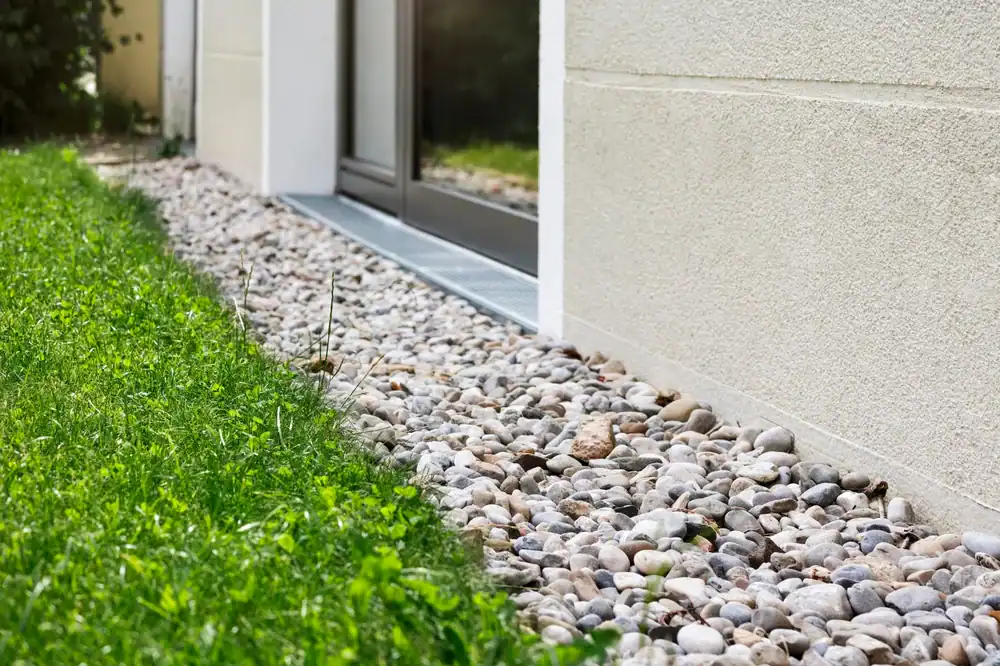
When your crawl space stays dry, everything changes. That musty smell disappears because there’s no moisture feeding it. Your floors feel warmer in winter because you’re not sitting on top of a damp, cold pit.
Mold stops growing. Your family stops breathing in spores that trigger allergies and respiratory issues. The air quality in your home improves because up to 50% of the air you breathe comes up through your crawl space.
Your foundation stops shifting. Clay soil in Mebane expands when wet and contracts when dry, putting constant pressure on your foundation walls. A properly installed French drain system relieves that hydrostatic pressure before it causes cracks or movement. You’re not just fixing a drainage problem – you’re protecting the structural integrity of your biggest investment.
We’ve spent over 30 years improving indoor air quality for homes and businesses around Greensboro and Mebane. We’re BBB accredited with an A+ rating, and our team includes NADCA-certified specialists who understand how crawl space moisture affects everything above it.
We know Mebane’s soil. Cecil clay covers most of the Piedmont, and while it’s great for farming, it’s terrible for drainage. It holds water, gets soft, and puts pressure on foundations. We’ve seen what happens when homeowners ignore crawl space moisture – cracked foundations, buckled floors, mold remediation bills in the thousands.
We’re not the cheapest option, and that’s intentional. You’re paying for a system that actually works in clay soil, installed by people who’ve done this hundreds of times. We’re local, we’re certified, and we show up when we say we will.

We start with an inspection of your crawl space and the grading around your home. We’re looking for where water enters, how it flows, and what’s causing the moisture problem. Sometimes it’s surface drainage. Sometimes it’s groundwater. Often it’s both.
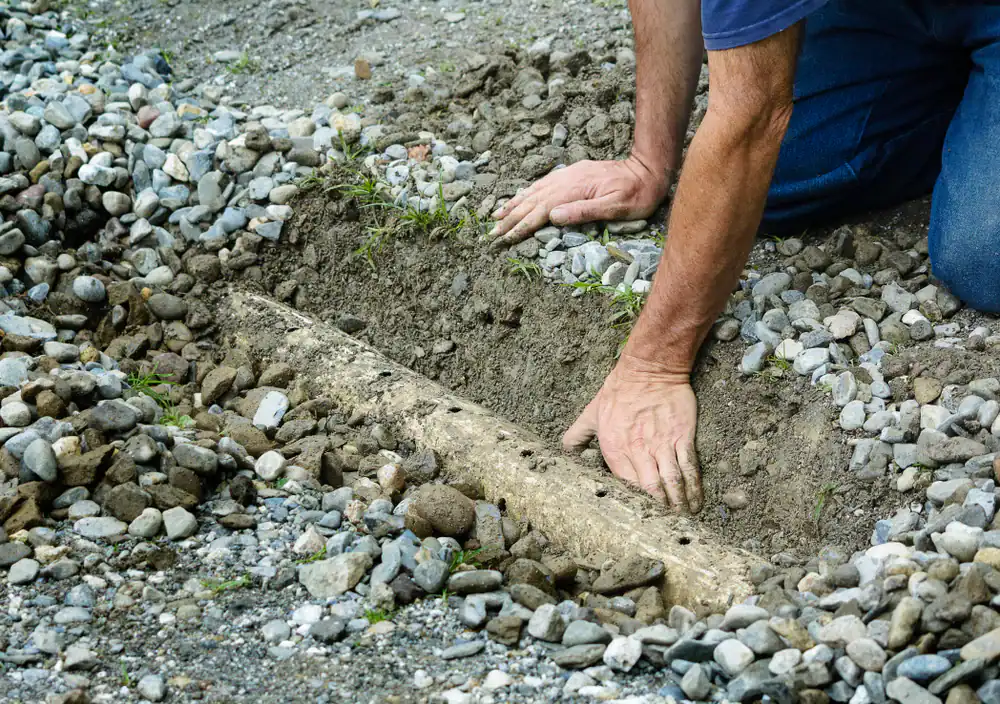
Next, we dig a trench along the problem area – usually around the perimeter of your crawl space or along the foundation wall. In Mebane’s clay soil, this takes longer than sandy soil, but it’s necessary to reach the depth where we can intercept water before it reaches your foundation. We install perforated pipe in the trench, surrounded by gravel that filters out sediment and allows water to flow freely into the pipe.
The pipe slopes toward a discharge point – either a daylight drain if your property allows it, or a sump pump system if you need to move water uphill or away from the house. We make sure water exits far enough from your foundation that it won’t circle back. Then we backfill, compact, and restore the area. The whole system is designed to handle Mebane’s heavy clay soil and the water volume we see during spring storms.
Ready to get started?
You get a complete assessment of your drainage problem, not just a quick quote. We look at your crawl space, your grading, your downspouts, and any signs of water intrusion. If a French drain isn’t the right solution, we’ll tell you what is.
The installation includes excavation, perforated pipe, drainage gravel, proper slope, and a discharge system that moves water away from your home. If you need a sump pump, we install that too. If your crawl space needs encapsulation after the drainage system is in place, we handle that as well – vapor barriers, dehumidifiers, the works.
Mebane sits in the Piedmont where clay soil is the norm. That means most homes here deal with drainage issues at some point. We’ve worked with enough properties in this area to know what works and what doesn’t. Trench drains, surface drainage solutions, landscape drainage – we adjust the system to fit your property’s specific challenges. You’re not getting a cookie-cutter install. You’re getting a system designed for your soil, your slope, and your water problem.

Most crawl space French drain projects in Mebane run between $2,000 and $8,000, depending on the size of your crawl space, how much trench we need to dig, and whether you need a sump pump system. Clay soil takes longer to excavate than sandy soil, which affects labor costs.
If your property has significant grading issues or needs extensive landscape drainage work beyond the crawl space, the cost goes up. Same if we’re working around existing landscaping or hardscaping that needs to be protected or restored.
We give you a detailed estimate after the inspection so you know exactly what you’re paying for. No surprise charges. The investment protects your foundation, improves your air quality, and prevents mold – all of which cost a lot more to fix after the damage is done.
Clay soil is the problem. Mebane sits in the Piedmont where Cecil clay is everywhere, and clay doesn’t drain – it holds water. When it rains, water saturates the clay around your foundation and has nowhere to go, so it seeps into your crawl space through cracks, vents, or the soil itself.
Clay also expands when wet and contracts when dry. This constant movement creates gaps and cracks in your foundation over time, giving water even more entry points. If your gutters dump water near your foundation or your property slopes toward your house, you’re making the problem worse.
A French drain intercepts that water before it reaches your crawl space. It gives the water a path to follow – through the gravel, into the perforated pipe, and away from your foundation. Without that system, the water just keeps coming back every time it rains.
A properly installed French drain in Mebane’s clay soil should last 20 to 30 years, sometimes longer if it’s maintained. The key is using the right materials – heavy-duty perforated pipe, clean drainage gravel, and proper slope – and installing it deep enough to intercept groundwater.
Clay soil is harder on drainage systems than sandy soil because it doesn’t filter water as well. Sediment can clog the perforations in the pipe over time if the system isn’t designed correctly. That’s why we surround the pipe with gravel that acts as a filter and keeps clay particles out.
You can extend the life of your French drain by keeping gutters clean, maintaining proper grading around your home, and checking the discharge point occasionally to make sure water is flowing freely. If you notice water backing up or your crawl space getting wet again, call us. Usually it’s a simple fix.
You can dig a trench and lay pipe yourself, but whether it actually solves your drainage problem depends on whether you know what you’re doing. Most DIY French drains fail because the slope is wrong, the pipe isn’t deep enough, or the discharge point doesn’t move water far enough away from the house.
Clay soil makes DIY installation even harder. It’s dense, it’s heavy, and it requires more effort to excavate than sandy or loamy soil. If you hit groundwater while digging – which is common in Mebane – you need to know how to manage that or your trench becomes a muddy mess.
Hiring a contractor costs more upfront, but you get a system that’s designed for your specific property and installed correctly the first time. We know how deep to dig in clay soil, how to slope the pipe for proper drainage, and where to discharge water so it doesn’t come back. If it doesn’t work, we fix it. If you do it yourself and it fails, you’re paying twice – once for materials and once for us to redo it.
If the smell is coming from your crawl space, yes. Musty odors are caused by moisture, and moisture in crawl spaces creates the perfect environment for mold and mildew. A French drain keeps your crawl space dry by redirecting water away from your foundation before it can seep in.
Once the crawl space stays dry, the mold stops growing and the smell goes away. But if you already have significant mold growth, you might need mold remediation before the odor completely disappears. We can handle that too – we’ve been doing mold remediation and air quality work in the Greensboro and Mebane area for over 30 years.
Keep in mind that if your HVAC system is pulling air from a moldy crawl space and circulating it through your home, a French drain alone won’t fix the smell. You might also need duct cleaning or crawl space encapsulation to fully address the air quality issue. We’ll walk you through what’s needed during the inspection.
French drains handle subsurface water – the groundwater that saturates clay soil and seeps into your crawl space. Trench drains handle surface water – the runoff from driveways, patios, or areas where water pools on top of the ground. Most homes in Mebane need a French drain because clay soil holds groundwater near the foundation.
If you have both problems – standing water on your lawn and a wet crawl space – you might need both systems. We install trench drains along driveways or low-lying areas to capture surface runoff before it adds to the groundwater problem. The two systems work together to manage water from multiple sources.
During the inspection, we’ll identify where your water is coming from and recommend the right solution. Sometimes it’s a French drain. Sometimes it’s a combination of French drain, trench drain, and better grading. We’re not trying to upsell you – we’re trying to fix the problem so you don’t call us back in six months.