

Contact Info
- Greensboro, NC 27406
- Call: 336-707-0498
- Text: 336-707-0498
-
Mon - Fri: 8am - 4pm
Sat - Sun: Closed
Contact Info
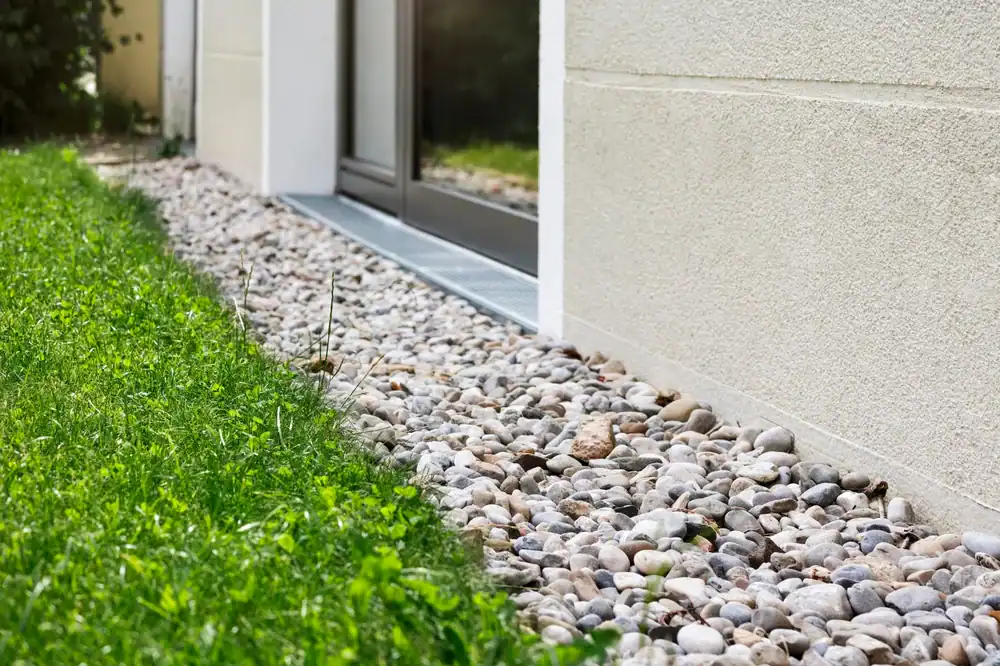
You stop worrying every time rain hits the forecast. Your basement stays dry during heavy storms, and you’re not constantly checking for water seeping through the walls or pooling around your foundation.
The standing water in your yard disappears. Your grass stops dying in those soggy spots, and you’re not tracking mud through the house every time you walk outside. Your crawl space stays dry, which means mold doesn’t get the moisture it needs to grow and spread through your home’s air.
Your foundation stops taking damage from water pressure and soil expansion. You avoid the cracks, settling, and structural problems that come from groundwater pooling where it shouldn’t. The investment you’ve made in your home stays protected instead of slowly deteriorating from water damage you can’t always see until it’s expensive to fix.
We specialize in moisture control and drainage solutions for homes in Saxapahaw and throughout Alamance County. We’re NADCA certified, and our lead technician Rick Watson holds ASCS and CVI certifications – credentials that matter when you’re trusting someone to protect your home from water damage.
We’ve seen what the Haw River flooding does to properties here. When the river hit over 32 feet recently – nearly matching the Hurricane Fran record – we watched homes flood and families spend months recovering. That’s why we focus on drainage systems that actually handle the water volume this area gets during major weather events.
Our work combines French drain installation with crawl space encapsulation and moisture management. Most drainage contractors stop at the trench. We look at the whole picture – where water’s coming from, where it’s going, and what it’s doing to your indoor air quality along the way.

We start with a property inspection to identify where water’s collecting and why. That means looking at your yard’s slope, checking soil conditions, examining your foundation perimeter, and figuring out where runoff from your roof and driveway is actually going. We’re not guessing – we’re mapping the water flow.
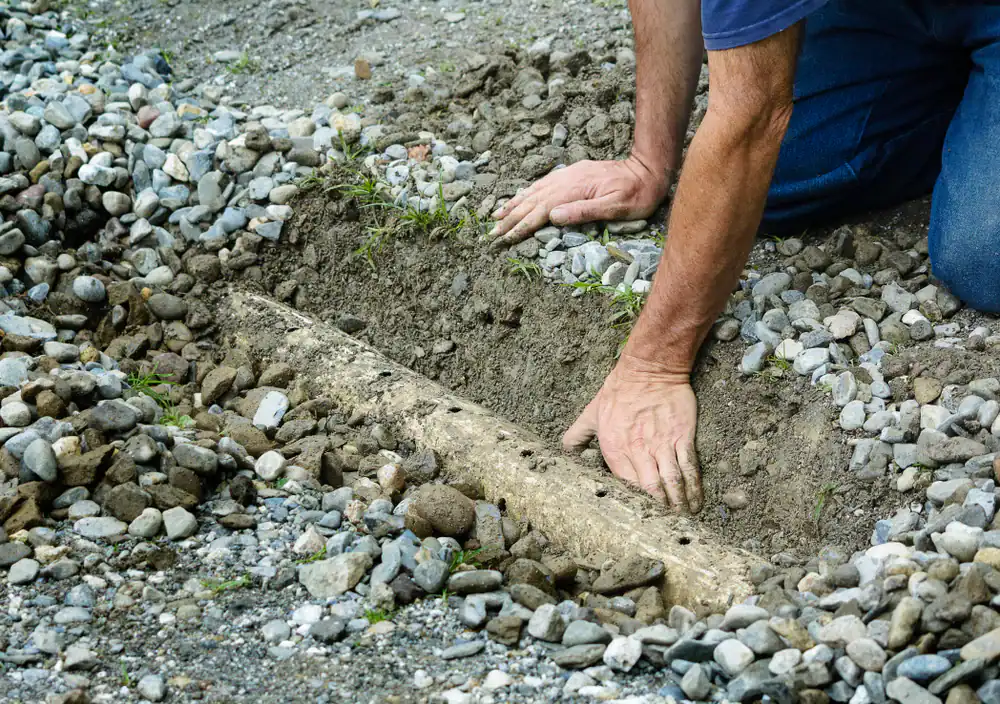
Once we know the problem areas, we design a French drain system with the right depth, placement, and slope to move water away from your foundation. Most systems need to be 18-24 inches deep with a consistent grade that keeps water flowing toward the discharge point. We use contractor-grade trenching equipment to dig the trench, line it with landscape fabric to prevent clogging, and fill it with the right size gravel before installing perforated pipe.
The pipe gets covered with more gravel and fabric, then we backfill the trench. If your downspouts are dumping water right next to your foundation, we tie those into the system too. The whole installation typically takes hours, not days. You get a drainage system that moves water where it needs to go – away from your house – and keeps working for 30 to 40 years when maintained properly.
Ready to get started?
You get a drainage system designed for your specific property conditions. Saxapahaw sits in a flood-prone area with clay soil that doesn’t drain well naturally. That means your French drain needs proper depth, the right gravel type, and a slope that accounts for how water moves through heavy clay during the kind of rainfall events we see here.
We install perforated pipe surrounded by drainage rock and wrapped in filter fabric that keeps soil and debris from clogging the system. The trench gets positioned to intercept groundwater before it reaches your foundation or pools in your basement. If you’ve got surface drainage problems – water sitting on your lawn or driveway – we can add surface drains that tie into the same system.
Your installation includes connecting downspout drains so roof runoff doesn’t discharge right next to your foundation. Most foundation problems start with gutters dumping thousands of gallons too close to the house. We make sure that water gets routed to a safe discharge point away from your property. You also get guidance on maintenance – what to watch for, how to keep the system clear, and when to call if something changes. The goal is a system that works right the first time and keeps working through every storm season.

Most residential French drain installations in North Carolina run between $2,500 and $5,000 for a complete system. You’re typically looking at $20 to $60 per linear foot depending on how deep we need to dig, what kind of soil we’re working with, and whether we’re tying in downspouts or adding surface drains.
A basic perimeter drain around a standard foundation might need 100-150 linear feet of trench. If your property has significant slope issues or we’re dealing with clay soil that requires extra excavation, costs go up. Same if you need a sump pump installed to handle the discharge or if we’re connecting multiple drainage points into one system.
The investment makes sense when you compare it to foundation repair costs. Fixing foundation cracks and structural damage from water infiltration runs thousands more than preventing the problem in the first place. You’re also avoiding the mold remediation, basement waterproofing, and property damage that comes with recurring flooding. A well-installed French drain protects your home for 30-40 years.
A properly installed French drain lasts 30 to 40 years when you keep it maintained and clear of debris. The perforated pipe doesn’t break down, and the gravel doesn’t disappear. What kills French drains early is clogging – when soil, roots, or sediment work their way into the pipe and block water flow.
That’s why we wrap the pipe and gravel in filter fabric during installation. The fabric lets water through while keeping soil particles out. It’s the difference between a system that works for decades and one that fails in five years because tree roots invaded the pipe or clay soil clogged the perforations.
You’ll want to check the discharge point once or twice a year to make sure water’s flowing freely and nothing’s blocking the outlet. If you’ve got trees near the drain line, roots can eventually work their way in – but that usually takes years and you’ll notice wet spots returning before it becomes a major problem. Keep your gutters clean so you’re not washing sediment into the system, and the drain will keep working through every heavy rain event Saxapahaw throws at it.
A French drain stops basement flooding by intercepting groundwater before it builds up pressure against your foundation walls. When heavy rain saturates the soil around your house, that water has to go somewhere. Without drainage, it pushes against your basement walls, finds cracks, and seeps inside.
The French drain creates a path of least resistance. Water flows into the gravel trench and through the perforated pipe instead of pooling against your foundation. The system routes that water away to a safe discharge point – usually a drainage easement, dry well, or area of your property where runoff won’t cause problems.
If you’re already getting water in your basement during storms, a French drain addresses the source of the problem instead of just treating the symptoms. Waterproofing paint and interior sealants might slow the leak, but they don’t stop the water pressure building up outside. A proper exterior drainage system eliminates that pressure. For homes in Saxapahaw where flooding can dump serious water volume fast, that’s the difference between a dry basement and one that needs three months of cleanup after a major storm.
Yes, and clay soil is actually one of the main reasons you need a French drain in the first place. Clay doesn’t drain well naturally – it holds water instead of letting it percolate down into the ground. That’s why you see standing water in your yard for days after heavy rain and why your foundation takes constant moisture pressure.
Installing a French drain in clay soil requires digging deep enough to get below the problem zone and using the right gravel size to maintain water flow. We’re creating an artificial drainage path since the native soil won’t do the job. The trench needs proper slope – usually at least 1% grade – so gravity keeps water moving through the system even when the surrounding clay is saturated.
The filter fabric becomes especially important in clay soil because you’re dealing with fine particles that can work their way into the gravel and clog the pipe over time. We wrap everything to keep clay out while letting water in. Saxapahaw properties deal with heavy clay throughout the area, so this is standard work for us. The drain works because it gives water an easier path than trying to soak through clay that’s already waterlogged.
Permit requirements for French drain installation depend on the scope of work and where you’re discharging the water. Most basic residential French drains around your foundation don’t require a permit in Alamance County. You’re managing stormwater on your own property without altering drainage patterns that affect your neighbors.
You might need a permit if the installation involves major grading changes, if you’re discharging into a stormwater system or drainage easement, or if the work affects wetlands or protected areas. Some municipalities also require permits for any excavation work beyond a certain depth or length.
We handle the permit research and application if your project needs one. It’s part of making sure the installation meets local building codes and drainage regulations. The last thing you want is a drainage system that works great but violates code and has to be redone. We check requirements before we dig so you’re not dealing with compliance issues down the road. For most homeowners dealing with basement flooding or yard drainage problems, we’re talking about straightforward installations that don’t trigger permit requirements.
A French drain handles groundwater and subsurface drainage – water that’s already in the soil around your foundation. It’s buried underground with perforated pipe that collects water seeping through the ground. You don’t see it once it’s installed. It solves problems like basement seepage, foundation moisture, and soggy areas in your yard where water won’t drain.
A trench drain handles surface water – runoff flowing across your driveway, patio, or yard. It’s a surface-level channel with a grate on top that catches water before it floods an area or flows where you don’t want it. You see trench drains at the end of driveways, across garage entrances, or in areas where water sheets across pavement.
Some properties need both. If you’ve got surface flooding in your driveway and groundwater seeping into your basement, a French drain alone won’t catch the surface runoff. We’d install a trench drain to intercept that surface flow and tie it into the French drain system so everything discharges to the same point. It depends on where your water’s coming from and what problems you’re trying to solve. We assess both surface and subsurface drainage during the property inspection so you get the right system for your specific situation.