

Contact Info
- Greensboro, NC 27406
- Call: 336-707-0498
- Text: 336-707-0498
-
Mon - Fri: 8am - 4pm
Sat - Sun: Closed
Contact Info
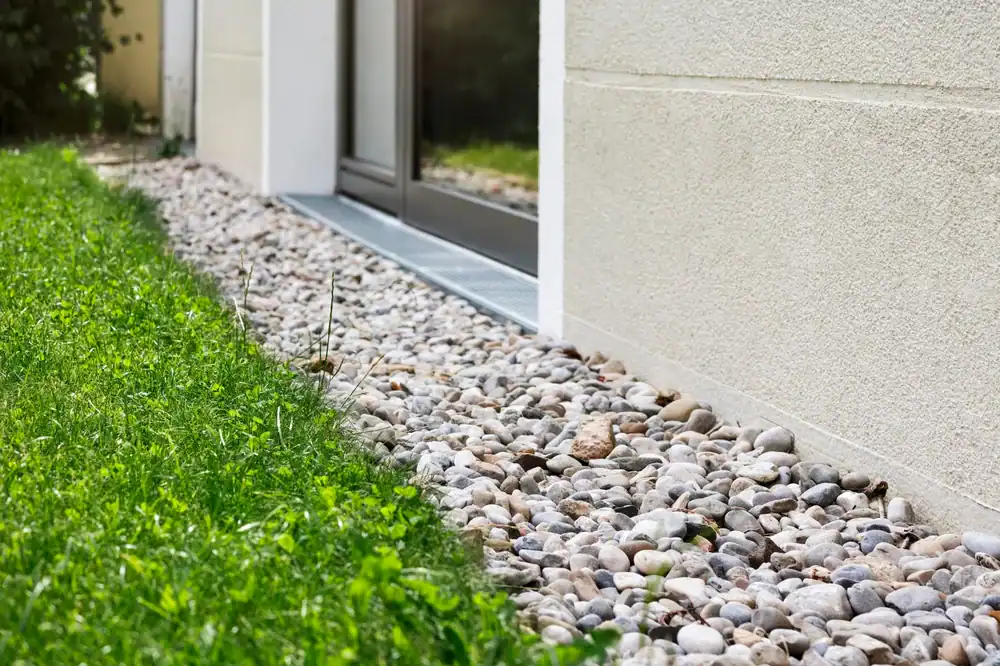
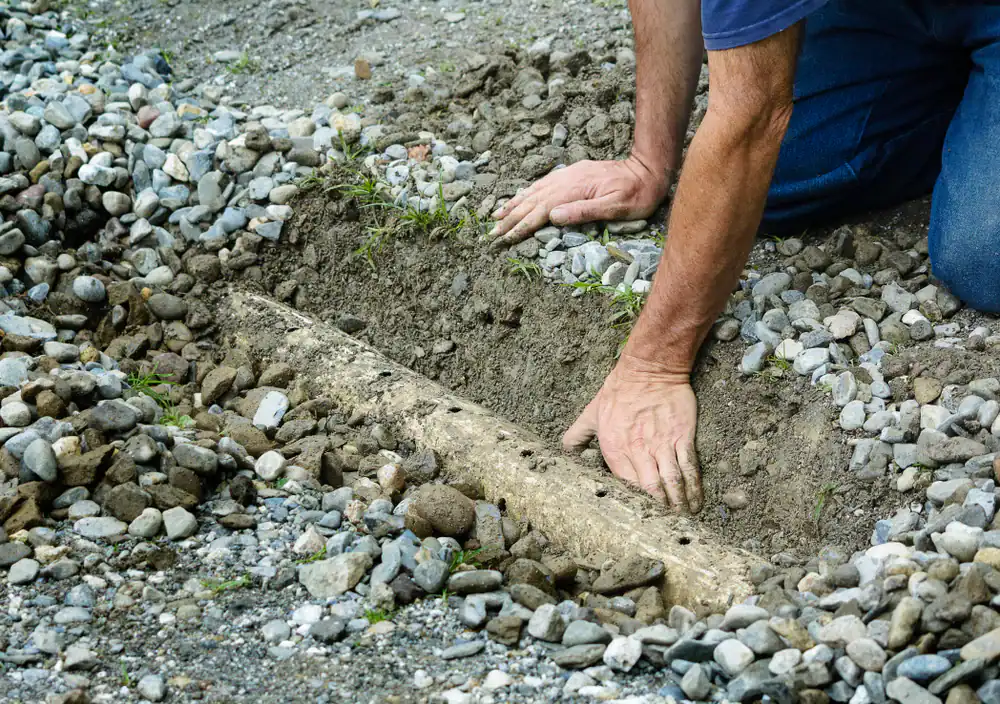
You’re not dealing with surface puddles. You’re dealing with water that’s already moving toward your foundation, and in Sedalia’s clay soil, that’s a bigger problem than most people realize.
When clay absorbs water during heavy rain, it expands and pushes against your foundation. When it dries out, it shrinks and creates voids underneath. That cycle cracks foundations, floods basements, and creates the perfect environment for mold growth in as little as 48 hours.
A properly installed French drain intercepts that water before it becomes your problem. It redirects runoff away from your home through perforated piping that moves water to a safe drainage area or sump pump. Your foundation doesn’t take the hit. Your basement doesn’t flood. And you’re not paying for damage that FEMA estimates at over $23,000 for just two inches of water in a typical home.
This isn’t about landscaping. It’s about protecting the structure you live in.
We’ve spent over 30 years working in the Greensboro area, and we understand what North Carolina ground does to homes. We started with indoor air quality because moisture problems don’t stay outside—they move into your crawl space, your ducts, and eventually your living areas.
French drain installation became part of what we do because drainage and air quality are connected. If water gets to your foundation, it’s going to affect what you breathe inside.
We’re NADCA certified, we use contractor-grade trenching equipment, and we’ve worked with enough Sedalia properties to know exactly how your soil behaves when it rains. You’re not getting a crew that learned drainage from YouTube. You’re getting people who’ve done this work long enough to know what actually holds up.

We start by evaluating your property. That means looking at where water collects, how your soil drains, what your water table looks like, and where runoff is coming from. Every property in Sedalia drains differently, so we’re not using a template.
Once we know where the water’s going, we trench the drainage path using professional equipment. Depth and placement depend on your specific situation—sometimes that’s along your foundation, sometimes it’s across your yard to intercept surface water before it reaches your home. We install perforated piping wrapped in filter fabric to prevent clay and sediment from clogging the system.
If your downspouts are dumping water near your foundation, we tie those into the system too. There’s no point in installing a French drain if your gutters are still working against you.
The system drains to either a lower area of your property or into a sump pump, depending on your grading. Once it’s installed and tested, we backfill the trench. If you went with a buried system, your lawn stays functional. If you chose an open trench drain for faster surface water movement, you’ll see exactly where the water’s going.
The whole process typically takes hours, not days, and you’ll know it’s working the first time it rains.
Ready to get started?
You’re getting a system designed around your property’s soil type, water volume, and existing drainage issues. We’re not selling you the same setup we installed next door—we’re building something that works for your specific situation.
That includes the right type of French drain for your needs. If you need fast surface drainage and don’t mind seeing the system, an open trench drain moves water quickly and makes maintenance easy. If you want to preserve your lawn’s appearance and functionality, a buried system does the job without disrupting your landscaping.
We only use premium materials—perforated piping, proper filter fabric, and gravel that won’t break down. The system gets built to handle Sedalia’s clay soil, which is notorious for clogging cheaper installations.
If your downspouts are part of the problem, we integrate those into the drainage plan. If you need a sump pump to move water off your property, we’ll tell you upfront. And if there’s a simpler fix, we’ll tell you that too.
In Guilford County, where over 729,000 properties face flood risk in the next 25 years, this isn’t optional maintenance. It’s the difference between a dry basement and expensive water damage that your homeowner’s insurance probably won’t cover.

A properly installed French drain can last decades if it’s maintained. The piping itself doesn’t wear out—it’s the filter fabric and gravel that can get clogged over time, especially in Sedalia’s clay-heavy soil.
The biggest factor in longevity is installation quality. If the system wasn’t trenched deep enough, if the grading is wrong, or if low-quality materials were used, you’ll have problems within a few years. We build systems with contractor-grade equipment and premium materials specifically because we want them to last.
Maintenance is straightforward. You’ll want to check the outlet point after heavy rains to make sure water’s flowing. If you have an open trench system, clear any debris that accumulates. For buried systems, occasional flushing keeps everything moving. Most homeowners don’t think about their French drain until they need it, and that’s exactly how it should work.
If your basement floods because of external water pressure or poor surface drainage, yes. A French drain intercepts that water before it reaches your foundation and redirects it away from your home.
But if you’re dealing with groundwater coming up through your basement floor, or if you have foundation cracks that are letting water in, a French drain is only part of the solution. You might also need interior waterproofing, foundation repair, or a sump pump system.
That’s why we evaluate your property before we dig. We’re looking at where the water’s coming from, not just where it’s showing up. If a French drain solves your problem, we’ll install it. If you need additional work, we’ll tell you what that looks like. The goal is a dry basement, not just a drainage system.
In Guilford County, drainage installation typically runs between $800 and $5,500 depending on the scope of work. That range covers everything from a simple 20-foot trench drain to a full perimeter system with downspout integration and sump pump installation.
Your cost depends on how much trenching is needed, what type of system you’re installing, soil conditions, and whether we’re tying in gutters or other drainage features. Clay soil takes longer to trench than sandy soil, and that affects labor.
We give you a clear estimate after we evaluate your property. No surprises, no upselling. You’ll know what the job costs and what you’re getting before we start. And when you compare that to the $23,000+ that FEMA says two inches of basement water can cost you, the math makes sense.
You can, but most DIY French drains fail within a few years because the details matter more than people realize. Depth, grading, pipe placement, filter fabric quality, gravel type—all of it affects whether your system actually works when it rains.
The biggest issue we see with DIY installations is improper grading. If your trench doesn’t slope correctly, water sits in the pipe instead of draining away. If you don’t use the right filter fabric, clay soil clogs the system. If you trench too shallow, the drain can’t intercept subsurface water.
We have contractor-grade trenching equipment that makes the job faster and more precise. We know how Sedalia soil behaves, and we’ve installed enough systems to spot problems before they happen. If you want to save money upfront and risk doing it twice, DIY is an option. If you want it done right the first time, call someone who’s been doing this for 30 years.
A French drain is typically buried and designed to handle subsurface water and runoff before it reaches your foundation. It uses perforated piping surrounded by gravel and filter fabric to collect and redirect water underground.
A trench drain is usually open or covered with a grate and handles surface water quickly—think of the drains you see in driveways or along patios. It’s designed to catch water that’s already on the surface and move it away fast.
Both systems redirect water, but they’re used in different situations. If you’re dealing with a wet basement or foundation pressure from subsurface water, you want a French drain. If you have standing water in your driveway or water pooling on your patio, a trench drain makes more sense. Sometimes you need both, depending on how water moves across your property.
Yes, but clay soil makes installation more challenging and requires better materials. Clay doesn’t drain well on its own—it absorbs water, swells, and then shrinks when it dries. That’s why so many Sedalia homes have foundation and drainage problems in the first place.
A French drain works in clay soil if it’s installed correctly. That means using high-quality filter fabric that won’t clog with clay particles, proper gravel that creates drainage space, and perforated piping that can handle the volume of water your property deals with during heavy rain.
The trench also needs to be deep enough to intercept water before it reaches your foundation, and it needs to drain to a point where clay soil won’t just absorb it again. We’ve been digging in North Carolina clay for decades, so we know what works and what doesn’t. Your system gets built for the soil you actually have, not the soil we wish you had.