

Contact Info
- Greensboro, NC 27406
- Call: 336-707-0498
- Text: 336-707-0498
-
Mon - Fri: 8am - 4pm
Sat - Sun: Closed
Contact Info
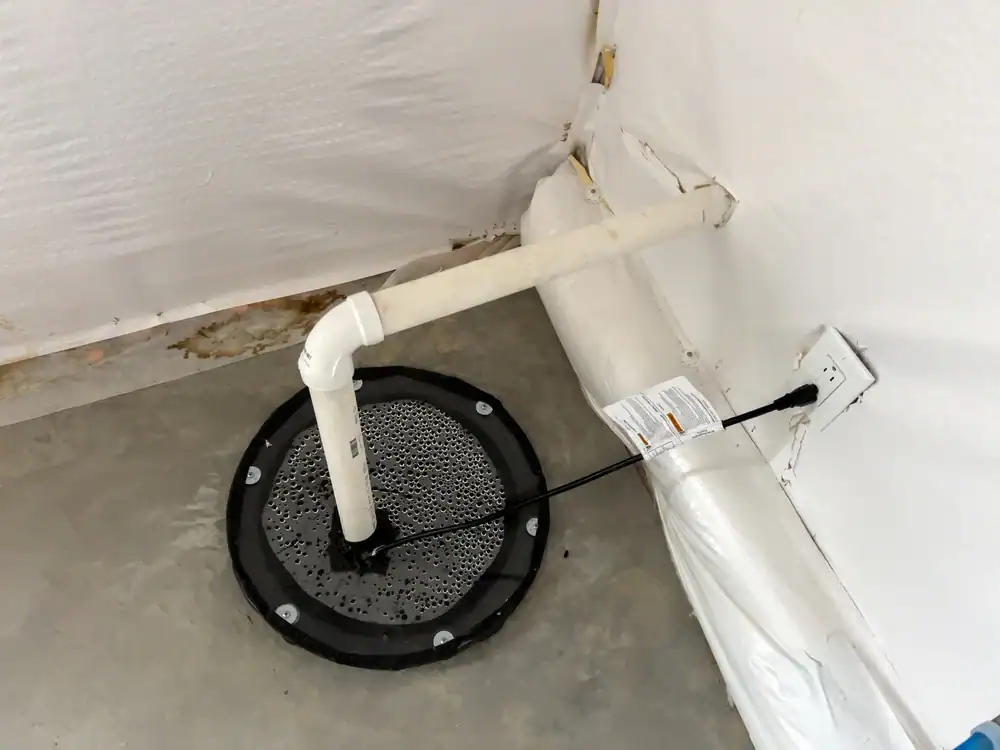
You don’t think about your sump pump until water starts pooling in your basement. By then, you’re already dealing with damage.
A functioning sump pump means you sleep through storms without checking your basement at 2 AM. It means your finished basement stays usable year-round. It means you’re not replacing carpet, drywall, and belongings every time Chapel Hill gets hit with heavy rain.
Most sump pump problems can be repaired without replacing the entire system. A failed float switch, clogged discharge line, or worn impeller—these are fixable issues that cost a fraction of full replacement. The key is catching them before the next storm rolls through.
We’ve been protecting Chapel Hill homes from water damage for years. We’ve seen what happens when properties in Meadowmont, Southern Village, and Governors Club experience the kind of flooding that’s becoming more common here.
Chapel Hill isn’t just dealing with average rainfall anymore. Recent storms have displaced dozens of families and caused water rescues across town. We’ve worked in crawl spaces and basements throughout the area, and we understand how water moves through local properties.
When you call us for sump pump repair, you’re getting technicians who’ve diagnosed hundreds of pump failures and know exactly what to look for.
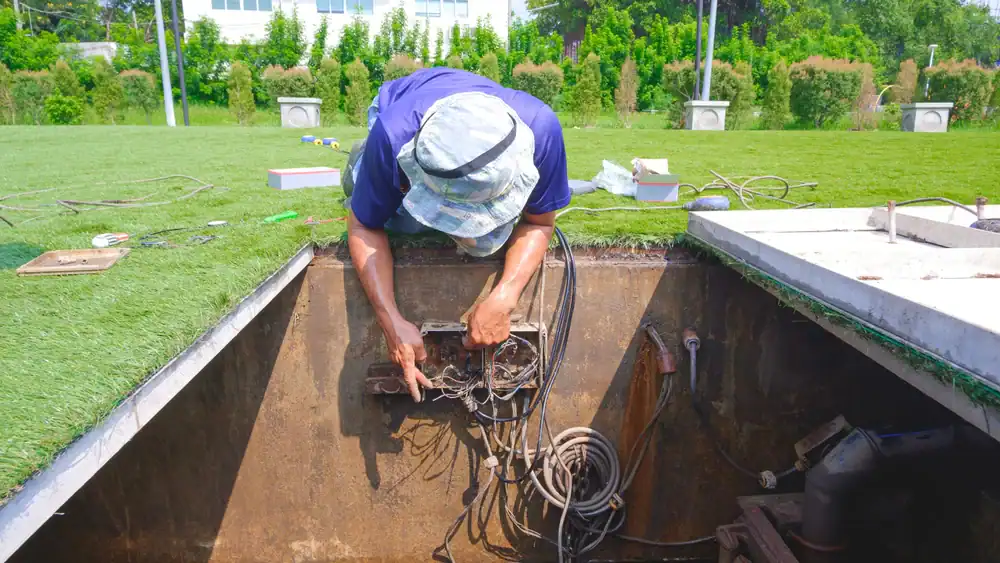
You call us because your sump pump isn’t working, or you’ve noticed warning signs like constant running, strange noises, or water that isn’t pumping out. We schedule a diagnostic visit, often same-day if you’re dealing with active water issues.
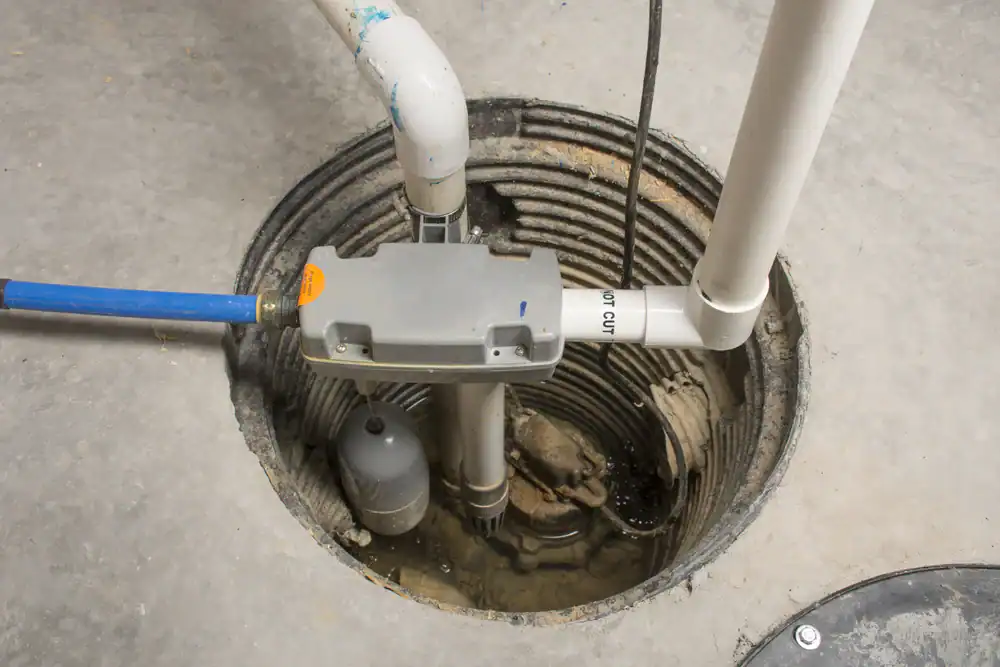
Our technician inspects the entire system—the pump itself, the float switch, the check valve, the discharge line, and the sump pit. We test the pump under load to see how it’s actually performing, not just whether it turns on.
Most repairs happen on the spot. We carry common replacement parts and can fix motor issues, replace faulty switches, clear clogged lines, and address electrical problems during the first visit. If your pump is undersized for your home or installed incorrectly, we’ll tell you that too.
You get a clear explanation of what failed, why it failed, and what we did to fix it. If you need sump pump replacement instead of repair, we’ll explain exactly why and size the new system correctly for your property.
Ready to get started?
Sump pump repair covers everything from motor failures to switch problems to discharge line issues. We clean sump pits that have filled with debris, replace worn impellers, fix pumps that won’t shut off, and address backup pump failures.
Emergency plumber services matter in Chapel Hill because pump failures don’t wait for business hours. When a storm hits and your basement starts flooding, you need someone who answers the phone and shows up fast.
Regular sump pump maintenance means we test your system before storm season, clean the pit, inspect all components, and make sure your discharge line isn’t frozen or clogged. Chapel Hill’s rainfall patterns make annual maintenance worth it—you’re preventing problems during the months when your pump works hardest.
We also handle sump pump installation when repair isn’t enough. That includes proper sizing based on your basement size and local water table, backup pump installation for extra protection, and making sure discharge lines drain away from your foundation.

If your pump is more than seven years old and showing multiple problems, replacement usually makes more sense than repair. But age alone doesn’t determine this.
A pump that won’t turn on might just need a new float switch. A pump running constantly could have a stuck switch or a check valve problem. Strange noises often mean worn bearings or a damaged impeller—both repairable. If you’re seeing rust, cracks in the housing, or the motor keeps burning out, you’re looking at replacement.
We diagnose the actual problem before recommending anything. Most pumps can be repaired if you catch issues early. The ones that need replacement are usually dealing with motor failure, physical damage, or they were never sized correctly for the home in the first place.
The most common failure is loss of power during storms, which is why battery backup systems exist. But mechanical failures happen too, and they always seem to happen when the pump is working its hardest.
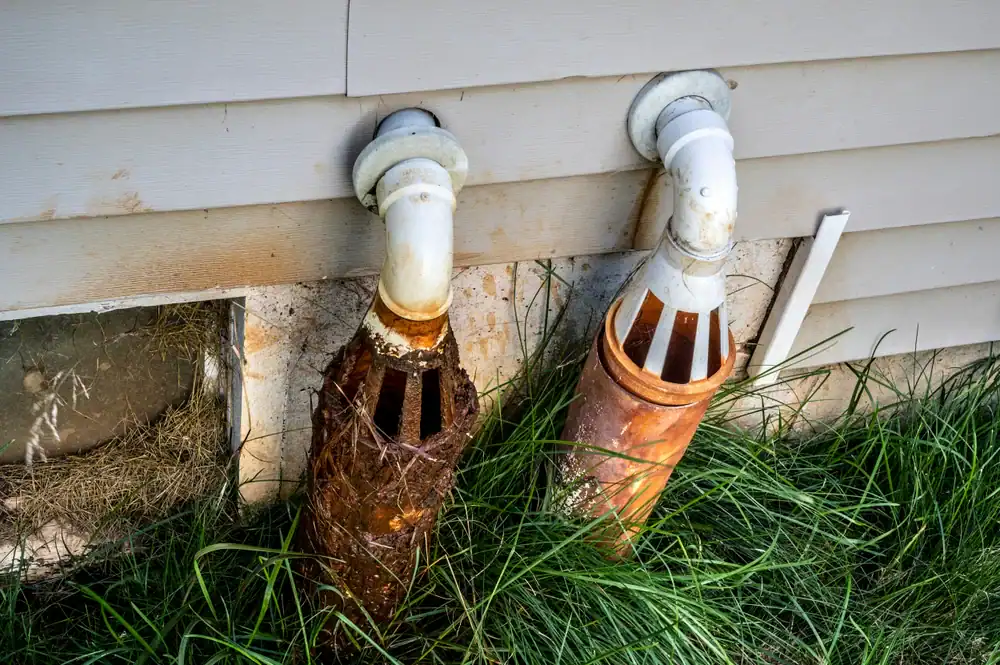
Float switches get stuck from debris in the sump pit. Discharge lines freeze in winter or get clogged with mud and roots. Check valves fail and let water flow back into the pit, making the pump cycle constantly until it burns out. Pumps that are undersized for Chapel Hill’s heavy rainfall simply can’t keep up with water inflow during major storms.
We’ve also seen plenty of pumps fail because they haven’t been maintained. A sump pit full of gravel and sediment will eventually jam the float or damage the impeller. Testing your pump before storm season and keeping the pit clean prevent most emergency failures.
Repairs typically run a few hundred dollars depending on what’s broken. Replacing a float switch or check valve is straightforward. Clearing a clogged discharge line or fixing electrical connections costs less than you’d spend on one room of water damage repairs.
Full sump pump replacement and installation costs more, but you’re getting a properly sized system with a warranty and the option to add battery backup. If your current pump has failed multiple times or can’t handle Chapel Hill’s rainfall, replacement stops the cycle of repeated repairs.
The real cost comparison is repair versus water damage. Two inches of water in a 2,500-square-foot basement causes around $27,000 in damage according to FEMA. Spending money on a working sump pump system—whether that’s repair or replacement—is always cheaper than dealing with flooding.
If you have a finished basement or you’ve experienced flooding before, yes. Chapel Hill storms knock out power regularly, and that’s exactly when your primary pump needs to be running.
A battery backup pump kicks in when the power goes out or when your primary pump can’t keep up with heavy water inflow. It’s a second line of defense that keeps running when everything else fails. Given that Chapel Hill gets significantly more rain than the national average and storm intensity is increasing, backup pumps have gone from optional to essential for most homes.
We install battery backup systems that can run for hours on a single charge. They’re not meant to replace your primary pump—they’re insurance for the situations where your primary pump can’t do its job. If your basement has ever flooded or come close, you need this protection.
Once a year, ideally before spring when Chapel Hill sees the heaviest rainfall. Annual maintenance catches small problems before they become emergency repairs during a storm.
During a maintenance visit, we clean your sump pit, test the pump and float switch, inspect the check valve and discharge line, and make sure everything cycles properly. We’re looking for early warning signs—unusual noises, longer run times, debris buildup, rust, or components that are wearing out.
You should also test your pump yourself every few months. Pour a bucket of water into the sump pit and make sure the pump turns on, removes the water, and shuts off properly. If anything seems off—it’s running longer than usual, making new noises, or not shutting off completely—call for service before you’re dealing with a flooded basement.
Constant running is the biggest red flag. If your pump won’t shut off, something is wrong with the float switch, check valve, or the pump is undersized and can’t keep up with water inflow.
Strange noises—grinding, rattling, or loud humming—mean internal components are failing. Visible rust or corrosion on the pump housing indicates it’s deteriorating. If you notice the pump cycling on and off rapidly, that’s short cycling, usually caused by a stuck float or check valve problem.
Water not pumping out efficiently or taking longer to clear the pit than it used to means the impeller is clogged or worn. If you see any of these signs, get it checked now. Waiting until the next storm means you’re gambling with thousands of dollars in potential water damage.