

Contact Info
- Greensboro, NC 27406
- Call: 336-707-0498
- Text: 336-707-0498
-
Mon - Fri: 8am - 4pm
Sat - Sun: Closed
Contact Info
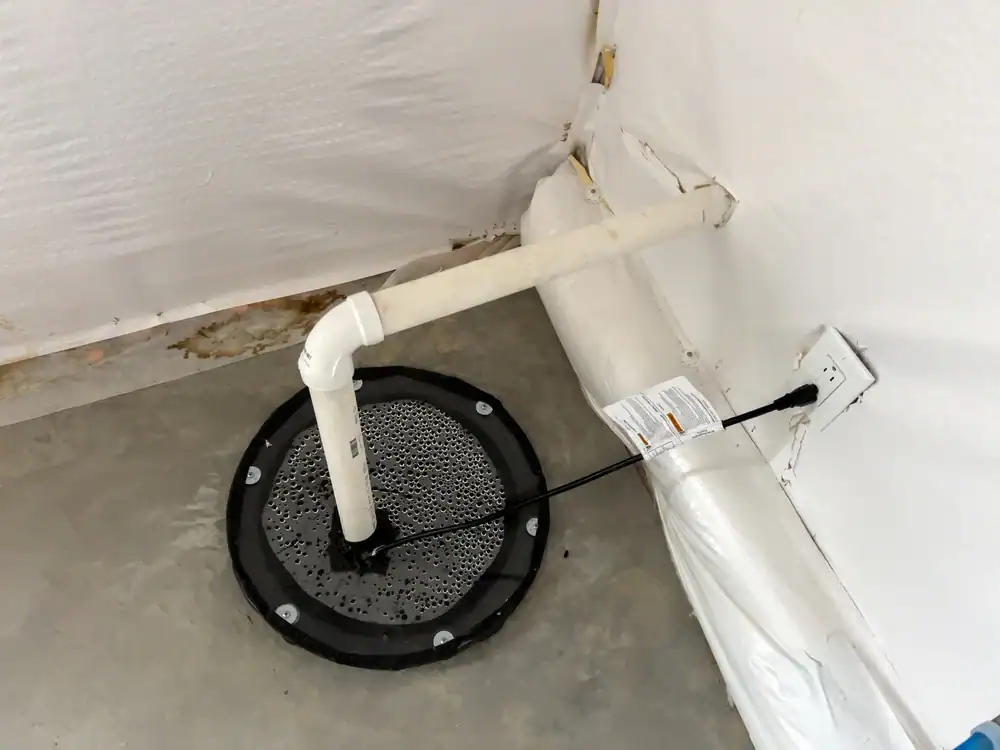
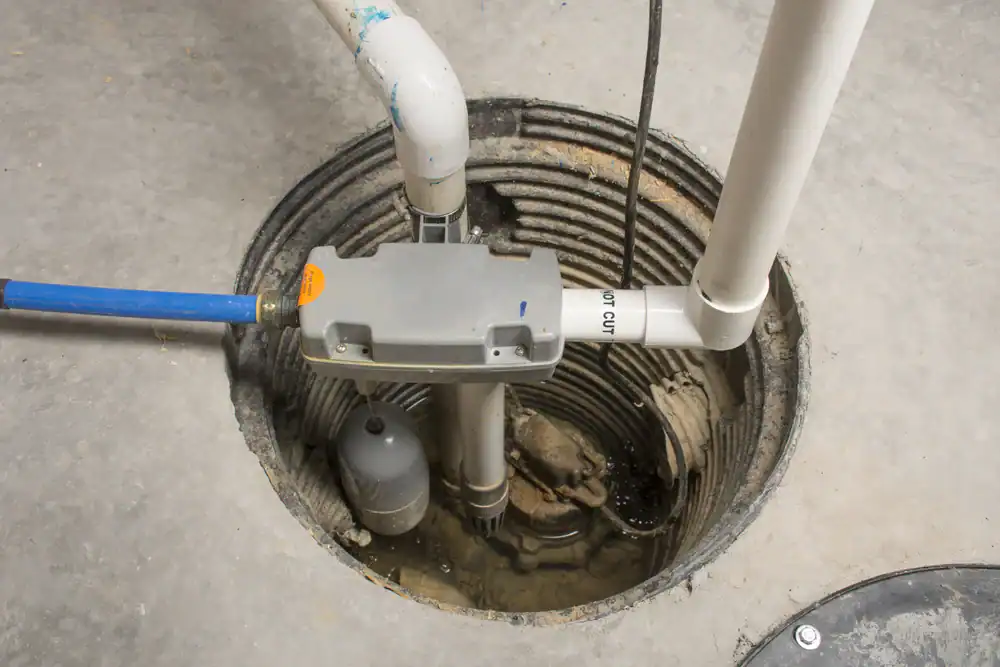
You shouldn’t have to worry whether your sump pump will work when the next storm rolls through Climax. Most pump failures happen during heavy rain—exactly when you need protection most.
A working sump pump means dry floors, protected belongings, and no scrambling for towels at 2 AM. It means your crawl space stays moisture-free instead of turning into a breeding ground for mold. Just one to two inches of water can cause over $23,000 in damage to your home, and most homeowners insurance won’t cover it.
When your pump stops working or you’re installing one for the first time, you need someone who understands North Carolina’s humid climate and knows how to set up systems that actually hold up. That’s where proper sump pump installation makes the difference between real protection and expensive problems down the road.
We’ve spent over a decade helping homeowners in Climax, Greensboro, High Point, and across the Triad handle moisture problems before they become disasters. Rick Watson leads every job with a crew that actually cares about doing it right.
We’re BBB accredited with an A+ rating because we show up when we say we will, explain what’s wrong in plain language, and back our work with a lifetime warranty. No runaround, no upselling services you don’t need.
North Carolina saw 729,200 properties at risk of flooding in the last assessment, and Hurricane Helene reminded everyone in 2024 just how fast water damage adds up. Climax sits in an area where heavy summer storms and humidity create real challenges for basements and crawl spaces. We’ve seen it all, and we know how to fix it.
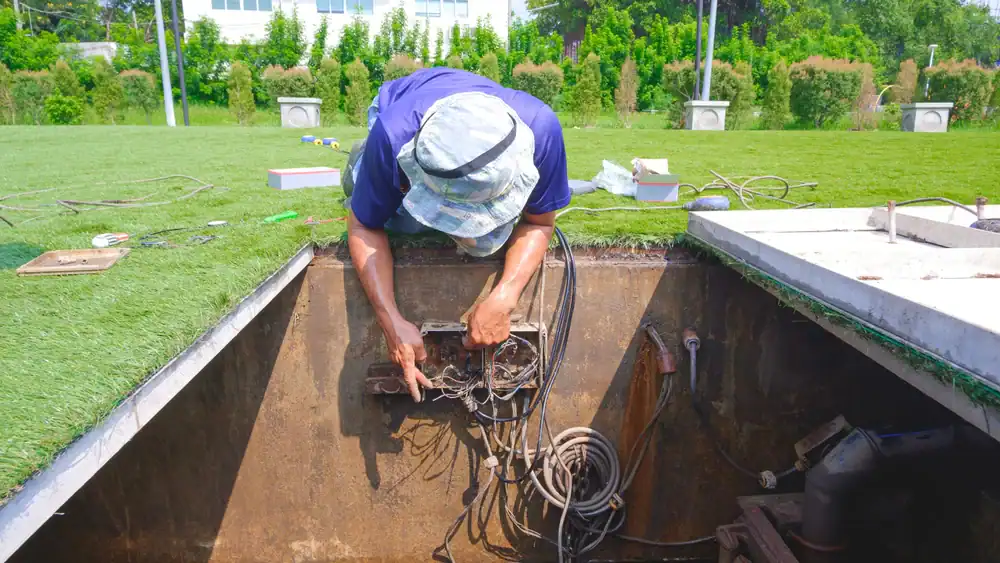
First, we come out and inspect your sump pump and the surrounding area. We’re looking at the pump itself, the discharge line, the backup system if you have one, and whether your sump pit is sized correctly for your home’s needs.
We take photos and walk you through what’s happening. If it’s a quick fix, we handle it on the spot. If you need sump pump replacement or a full installation, we explain why and what your options are—no pressure, just information.
Once we agree on the plan, we get to work. That might mean installing a new primary pump, adding a battery backup system so you’re covered during power outages, or setting up a complete crawl space moisture control system. We test everything before we leave, clean up the work area, and make sure you understand how to maintain it going forward.
You’re not guessing whether it’ll work when the next storm hits. You’ll know it will.
Ready to get started?
We handle emergency sump pump repair when your pump fails during a storm or you wake up to water in your basement. We also do planned sump pump installation for new systems and sump pump replacement when your current setup isn’t cutting it anymore.
Sump pit cleaning is part of regular maintenance—debris and sediment build up over time and cause pumps to work harder or fail completely. We also install backup battery systems, which matter in Climax where summer storms knock out power right when you need your pump running.
If you’re dealing with crawl space moisture, we tie sump pump systems into full encapsulation work. North Carolina’s humidity doesn’t quit, and a standalone pump won’t solve mold or air quality problems if moisture is still getting in. We look at the whole picture: vapor barriers, dehumidifiers, proper drainage, and how everything works together.
One out of every sixty homes files a water damage claim each year. Most of those could’ve been prevented with a working sump pump and regular sump pump maintenance. We’d rather help you avoid the claim in the first place.

If your pump is running constantly, making strange noises, or not turning on at all, something’s wrong. Pumps that cycle on and off rapidly usually have a stuck float switch or the wrong size pump for the pit.
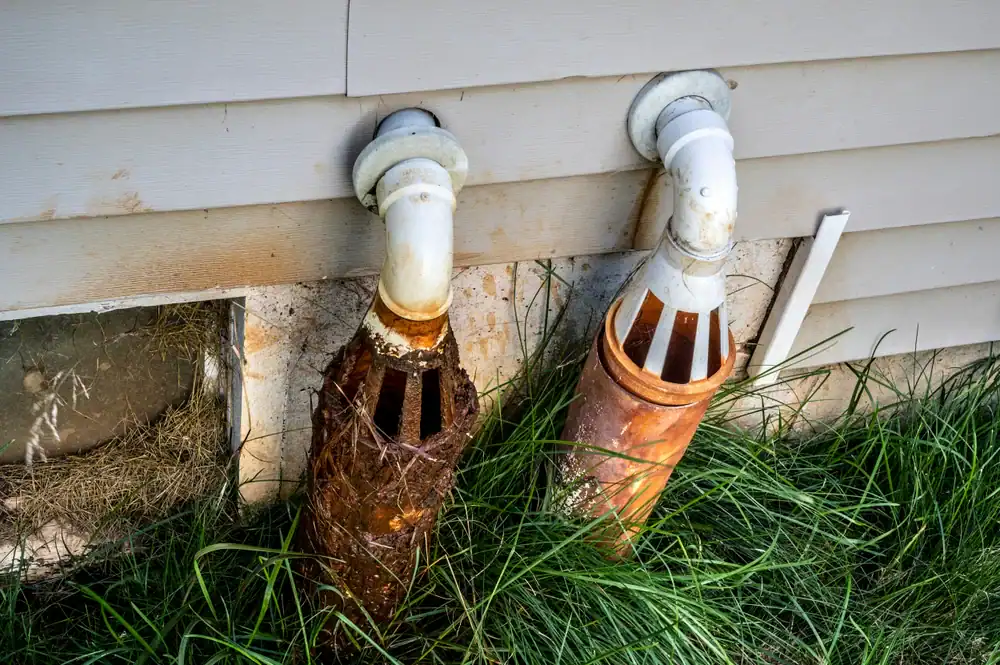
Pumps older than seven years are more likely to fail, especially if they’ve been working hard through multiple wet seasons. Rust, visible cracks, or a pump that runs but doesn’t move water means it’s time for a replacement, not a repair.
The biggest sign is water in your basement or crawl space after rain. If your pump didn’t keep up, it’s either failing or wasn’t sized correctly from the start. We can tell you which one during an inspection and whether a repair will actually solve the problem or just buy you a few months.
Your sump pump stops working unless you have a battery backup system. That’s a problem because power outages and heavy rain usually happen at the same time in Climax.
A backup system kicks in automatically when the power cuts out. It runs on a marine battery that can handle several hours of pumping, depending on how much water is coming in. We install backup systems that connect to your existing pump setup without requiring a complete overhaul.
Some homeowners also add water-powered backup pumps, which use municipal water pressure to move water out of the pit. Those work as long as you have water pressure, but they’re slower than battery backups. We’ll walk through which option makes sense for your situation and how much protection you actually need based on your home’s flooding risk.
Once a year is the standard recommendation, ideally before storm season hits in late spring. Maintenance includes cleaning the sump pit, testing the float switch, checking the discharge line for clogs, and making sure the pump turns on and off correctly.
If your pump runs frequently or you’ve had basement moisture problems before, twice a year makes more sense. Sump pits collect sediment, dirt, and debris that get washed in with groundwater. That buildup makes pumps work harder and shortens their lifespan.
You can do basic checks yourself—pour a bucket of water into the pit and make sure the pump kicks on, then shuts off when the water’s gone. But a full inspection catches problems you won’t see, like a check valve that’s starting to fail or a discharge line that’s partially blocked. Catching those early prevents emergency calls during the next heavy rain.
Yes, and it’s one of the most common jobs we do in Climax. Plenty of homes were built without sump pumps, and homeowners don’t realize they need one until water shows up in the basement or crawl space.
We start by figuring out where water is entering and where the lowest point is in your basement or crawl space. That’s where the sump pit goes. We dig the pit, install the pump and discharge line, and make sure water drains away from your foundation—not back toward your house.
If your crawl space has standing water or constant dampness, we’ll often recommend pairing the sump pump installation with encapsulation work. A pump removes water that’s already there, but encapsulation stops it from getting in. Both together give you a dry, healthy crawl space instead of just managing the problem. We’ll explain what your home actually needs and let you decide how far you want to go.
Your primary pump does the everyday work. It turns on when water reaches a certain level in the pit, pumps it out through the discharge line, then shuts off. Most primary pumps are submersible and sit at the bottom of the pit.
A backup pump only kicks in if the primary pump fails, can’t keep up with heavy water flow, or loses power. Battery backup pumps are the most common type. They’re separate units that activate automatically when the primary pump stops working or the water level gets too high.
You don’t need a backup pump in every situation, but it makes sense if you’ve had flooding before, your basement has finished space or valuable storage, or you’re in an area where storms are frequent. Climax gets enough severe weather that most homeowners sleep better knowing they have a backup. We install both types and can add a backup system to your existing setup without starting from scratch.
Yes. Sump pump emergencies don’t wait for business hours, and we know that. If your pump fails during a storm or you’re dealing with active flooding, call us and we’ll get someone out as fast as we can.
Most sump pump failures happen during heavy rain—exactly when you need the pump working. A failed pump means water is coming in with nowhere to go, and every hour counts before you’re looking at serious damage to floors, walls, and anything stored in your basement.
We carry common replacement parts and pumps on our trucks so we can handle most repairs on the spot. If your pump is beyond repair, we can install a new one the same day in most cases. Emergency calls get priority because we’ve seen how fast water damage adds up, and we’d rather fix the pump than watch you deal with the aftermath of a flooded basement.