

Contact Info
- Greensboro, NC 27406
- Call: 336-707-0498
- Text: 336-707-0498
-
Mon - Fri: 8am - 4pm
Sat - Sun: Closed
Contact Info
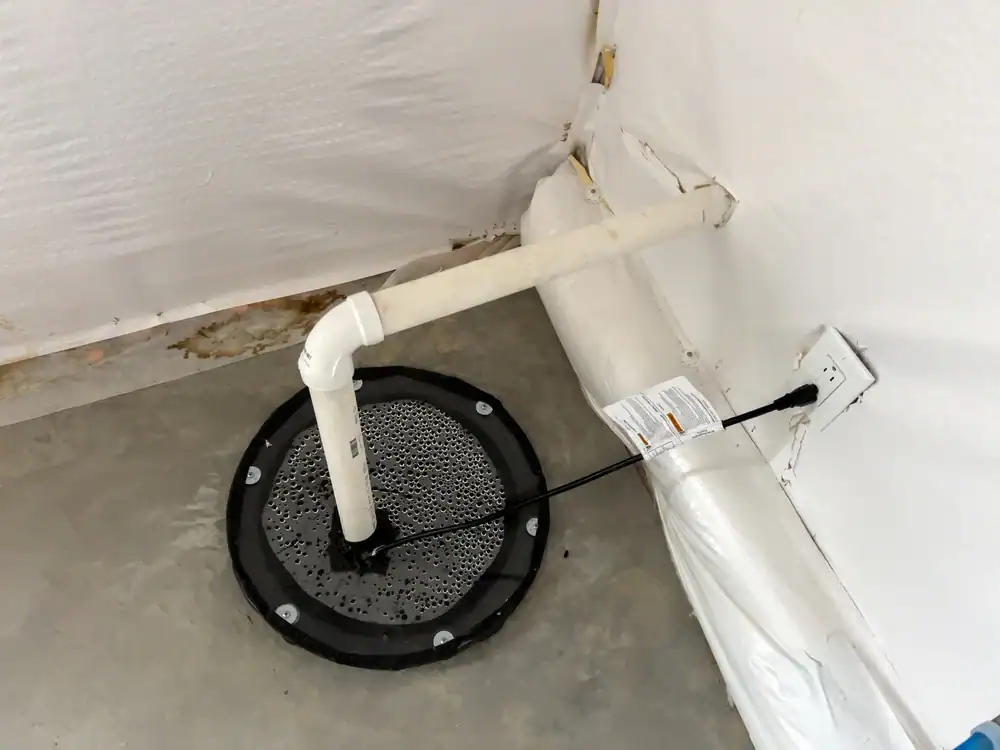
You check the forecast and feel that knot in your stomach. Heavy rain means you’re wondering if your sump pump will keep up or if you’ll be dealing with water in the basement again. That’s not how homeownership should feel.
A working sump pump means you don’t rush downstairs during storms. You don’t move boxes to higher shelves or avoid storing anything valuable below ground. Your basement stays dry, your belongings stay safe, and mold never gets the chance to start growing in damp corners.
When your pump fails—and most do eventually—you need someone who can diagnose the problem quickly and fix it right. Not next week. Not when it’s convenient. Now, before the next rainfall turns your basement into a cleanup project that costs thousands and takes days you don’t have.
We’ve been handling water management issues in Graham and the surrounding Greensboro and Burlington areas since 1991. That’s over 30 years of dealing with North Carolina’s unpredictable weather patterns, from spring downpours to hurricane remnants that dump several inches of rain in hours.
We’ve seen what happens when sump pumps fail during the worst possible moment. We’ve helped homeowners recover from flooded basements and, more importantly, helped many more avoid that situation entirely through proper maintenance and timely repairs.
Graham sits in an area where clay soil and fluctuating water tables create real challenges for basement waterproofing. We understand those local conditions because we’ve been working in them for decades, not just reading about them in a manual.
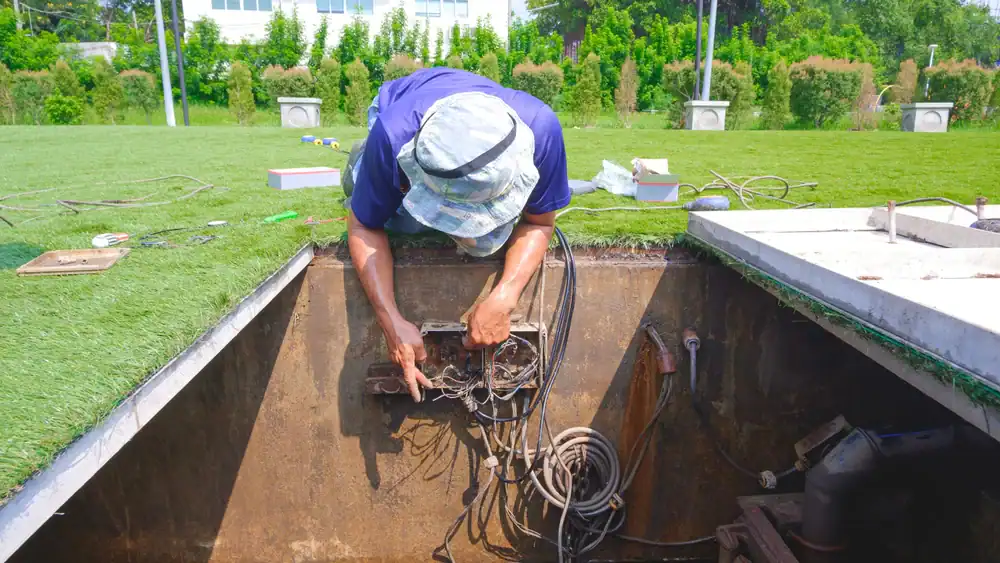
First, we show up when we say we will. You describe what’s happening—strange noises, pump running constantly, water pooling, or complete failure—and we start with a thorough assessment of your entire system.
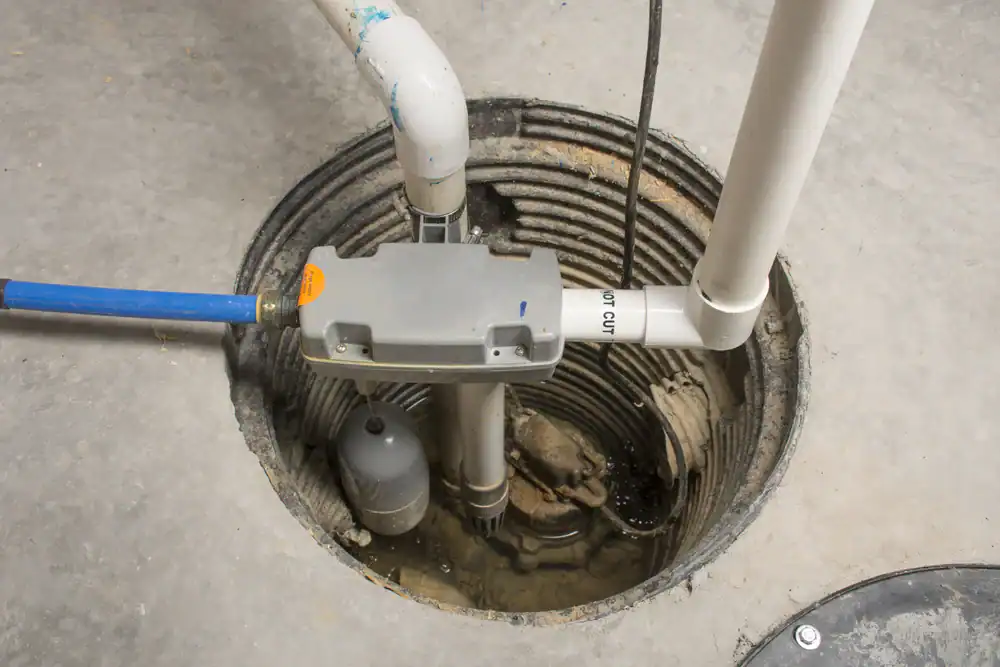
We check the obvious culprits first: power supply, float switch operation, discharge pipe condition. Then we look deeper at the sump pit itself for debris buildup, the check valve for proper function, and the pump’s mechanical components for wear. Most failures come from a handful of common issues, and we can usually identify the problem within minutes.
If it’s a simple fix like a clogged intake screen or stuck float switch, we handle it on the spot. If your pump is worn out or undersized for your home’s needs, we’ll explain exactly why replacement makes more sense than repeated repairs. We’ll also tell you if a battery backup system should be part of the conversation—especially if you’ve had pumps fail during power outages.
You get a clear explanation of what’s wrong, what it costs to fix, and how long the repair will last. Then we do the work, test everything thoroughly, and make sure your basement is protected before we leave.
Ready to get started?
Sump pump service isn’t just about fixing what’s broken right now. It’s about making sure the next heavy rain doesn’t catch you off guard.
When we service your system, you get a complete evaluation of how well your current setup matches your home’s actual needs. Graham can receive several inches of rain quickly during severe weather, and an undersized pump simply won’t keep up no matter how well it’s maintained. We’ll tell you if capacity is an issue before you find out the hard way.
We clean out your sump pit, removing the sediment and debris that slowly degrades pump performance. We test your backup power system if you have one, because a battery backup that doesn’t work when the power goes out is worse than useless—it’s false security. We inspect discharge lines for clogs, freezing risks, and proper drainage away from your foundation.
You also get honest advice about replacement timing. Sump pumps typically last around ten years with proper care. If yours is approaching that age and showing signs of wear, we’ll tell you. Replacing a pump on your schedule costs a few hundred dollars. Replacing it as an emergency during a flood costs more and comes with water damage you didn’t need.

Listen to your pump when it runs. Grinding, rattling, or excessive vibration means internal components are wearing out. If the motor runs but water isn’t being pumped out effectively, the impeller might be damaged or clogged.
Age matters more than most homeowners realize. A pump that’s eight to ten years old and starting to show any performance issues is usually better off replaced. Repairs might buy you another season, but you’re likely looking at repeated service calls and the risk of complete failure when you need it most.
Constant cycling is another red flag. If your pump runs continuously or turns on and off every few minutes, you’ve got a problem—either the float switch is malfunctioning, the pump is undersized, or there’s a check valve issue letting water flow back into the pit. Any of these problems can burn out a motor quickly, and some are more cost-effective to replace than repair.
Power outages are the number one culprit. Severe weather knocks out electricity right when your pump needs to be working overtime, and without a battery backup system, your pump is just dead weight sitting in a pit filling with water.
Overwhelmed capacity is the second major issue. Your pump might handle typical spring rain just fine, but when Graham gets hit with the kind of downpour that dumps three inches in an hour, an undersized pump can’t keep pace. The pit fills faster than the pump can discharge, and eventually water spills over into your basement.
Lack of maintenance causes plenty of storm-time failures too. A pump that’s been sitting idle for months with debris in the pit or a sticky float switch might not kick on when it needs to. Or it runs for a while under heavy demand and overheats because the intake screen was partially clogged, restricting water flow and making the motor work harder than it should.
If you’ve ever lost power during a storm, you already know the answer. The worst flooding happens when heavy rain and power outages occur together, which is exactly when storms are severe enough to knock down power lines.
A battery backup system isn’t cheap—expect to add a few hundred dollars to your installation cost—but compare that to the cost of replacing flooded carpet, drywall, furniture, and dealing with mold remediation. One basement flood costs more than several backup systems.
The backup doesn’t need to run for days. It just needs to keep your basement dry for the few hours it typically takes to restore power, or until the heaviest rainfall passes. Most quality battery systems can handle that timeframe without issue. If you store anything of value in your basement, or if you’ve finished the space into living area, a backup system isn’t optional—it’s basic protection for your investment.
Annual maintenance is the standard recommendation, ideally in early spring before the season when you’ll need your pump most. That yearly service catches small problems before they become emergency repairs during a midnight rainstorm.
During that annual checkup, the sump pit gets cleaned out, the pump gets tested under load, the float switch gets checked for proper operation, and the discharge line gets inspected for clogs or damage. It’s also when you find out if your pump is starting to show age-related wear that might mean replacement is on the horizon.
If your area has been through a particularly wet period with your pump running frequently, an additional mid-season check isn’t a bad idea. Pumps that run hard can develop problems faster, and catching them early means a minor repair instead of a major replacement. Think of it like changing your oil—skip it long enough and you’ll pay for it with a much bigger repair bill.
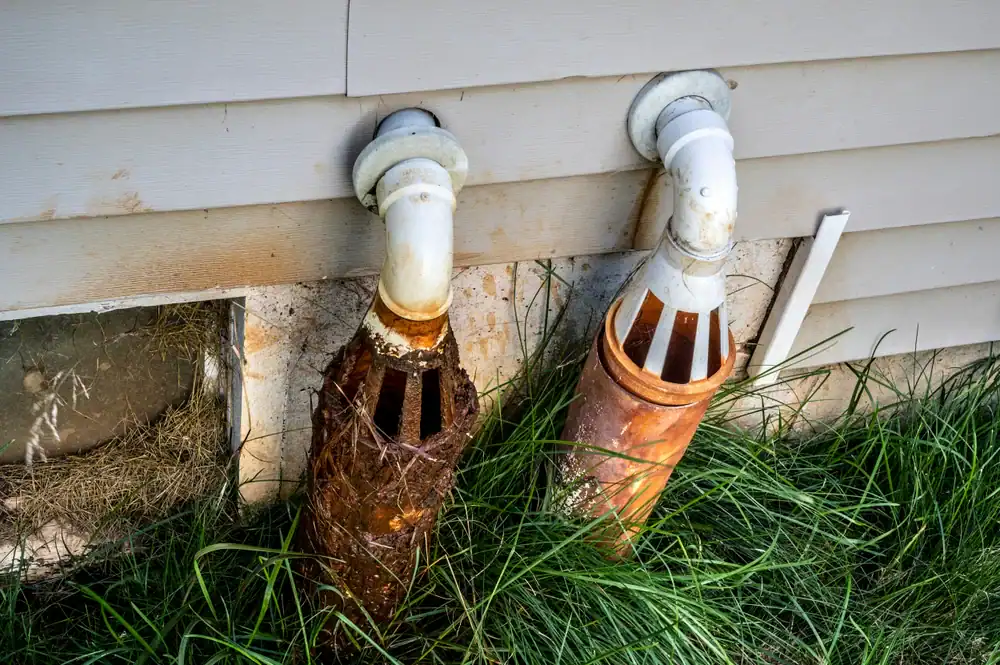
They handle water at different stages. A French drain intercepts groundwater before it reaches your foundation, channeling it away through a gravel-filled trench and perforated pipe. A sump pump deals with water that’s already made it to your basement, collecting it in a pit and pumping it out.
Many homes need both systems working together. The French drain reduces the volume of water your sump pump has to handle, which means your pump doesn’t run as often and lasts longer. In areas with high water tables or clay soil that doesn’t drain well—common issues around Graham—relying on just one solution often isn’t enough.
If you’re dealing with chronic basement moisture or frequent pump cycling, the problem might not be your pump at all. You might need better exterior drainage to keep water away from your foundation in the first place. We can assess your specific situation and tell you whether you need pump repair, drainage improvements, or both to actually solve the problem instead of just managing symptoms.
Simple repairs like replacing a float switch or clearing a clogged discharge line typically run a few hundred dollars. More involved repairs that require replacing the motor or other major components can approach the cost of a new pump, which is when replacement makes more financial sense.
Full sump pump replacement averages between $300 and $700 for a standard submersible pump installation, with most homeowners paying around $500. If you’re installing a completely new system where none existed before, expect costs closer to $1,400 once you factor in pit excavation and discharge line installation.
Battery backup systems add to that cost, but they’re worth discussing if you want real protection. The exact price depends on your basement’s specific conditions, the pump capacity you need, and whether any additional drainage work is required. We give you a clear estimate before starting any work, so you know exactly what you’re paying for and why it’s necessary.