

Contact Info
- Greensboro, NC 27406
- Call: 336-707-0498
- Text: 336-707-0498
-
Mon - Fri: 8am - 4pm
Sat - Sun: Closed
Contact Info
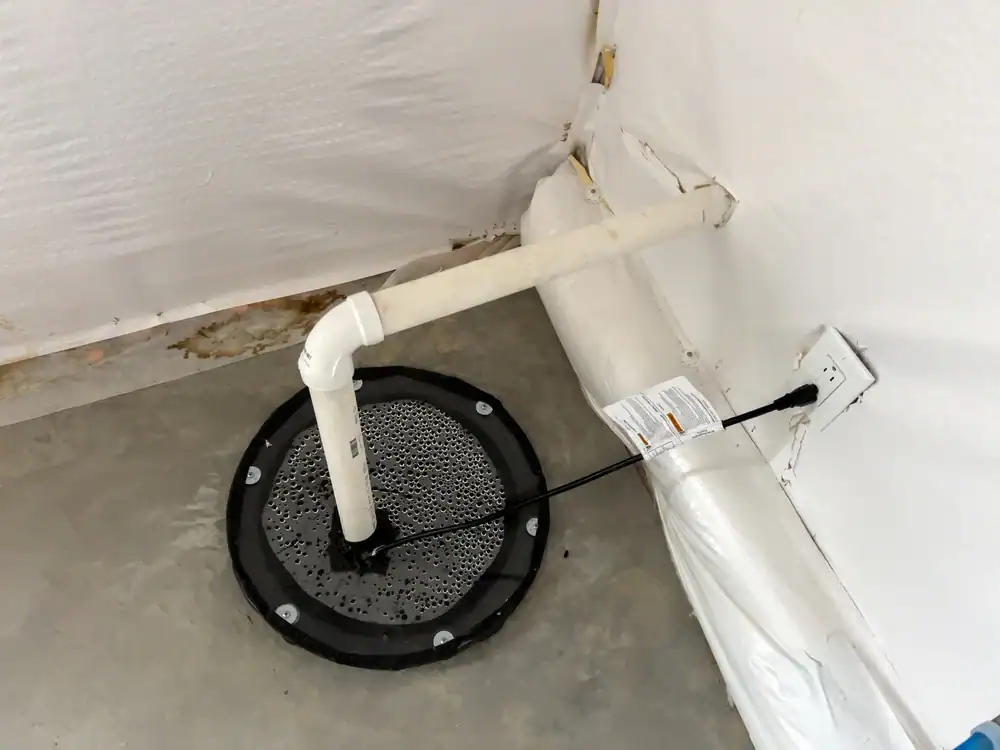
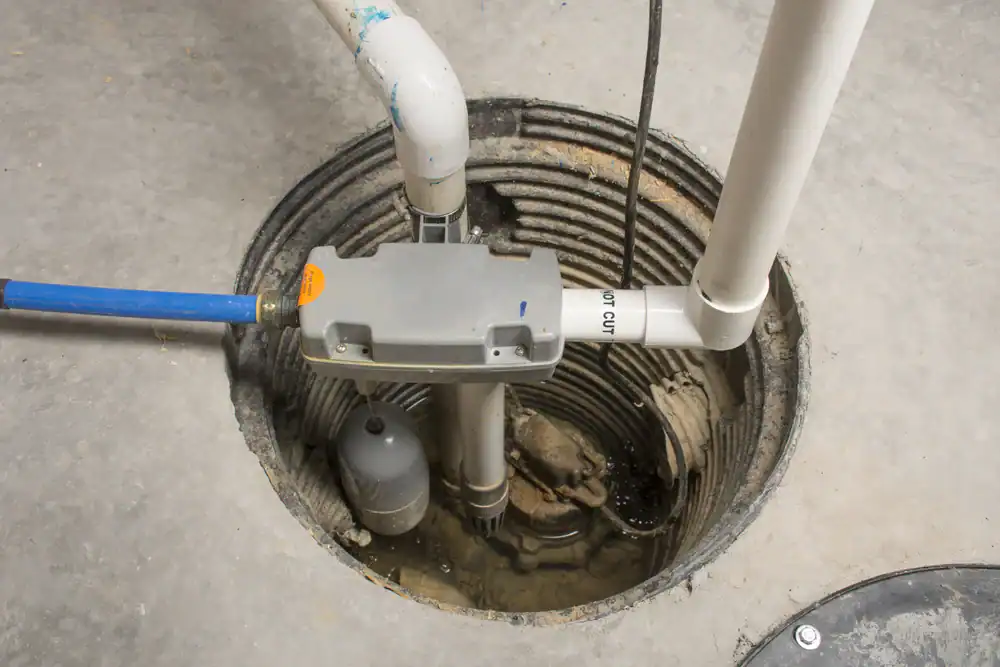
You shouldn’t have to check your basement every time the forecast calls for storms. A working sump pump means you’re not racing downstairs during a downpour, and you’re not dealing with soggy boxes or ruined flooring after the fact.
When your pump quits, water doesn’t wait. It pools in your sump pit, rises into your crawl space or basement, and starts damaging whatever’s down there. Mold follows moisture, and once that starts, you’re looking at air quality problems that affect your whole house.
We repair sump pumps that have stopped working, replace units that are past their useful life, and install backup systems so you’re covered when the power goes out. Most pump failures happen during storms because that’s when you need them most. A battery backup keeps running even when your lights don’t.
We work throughout Groometown and the surrounding areas in North Carolina, handling everything from crawl space encapsulation to dehumidifier installation to sump pump maintenance. Rick Watson and the crew have built a reputation on showing up, explaining what’s wrong, and fixing it without the runaround.
We’re not a national franchise. We’re local, and we know what North Carolina weather does to homes here. Spring storms dump heavy rain in short bursts, and older homes in Groometown weren’t always built with proper drainage or waterproofing. That’s where sump pumps come in, and that’s where we help.
You’ll get photos during the inspection, a clear explanation of what needs to happen, and pricing that makes sense. We’ve worked with homeowners who had no idea their pump wasn’t working until their basement flooded, and we’ve helped others set up systems before problems start.
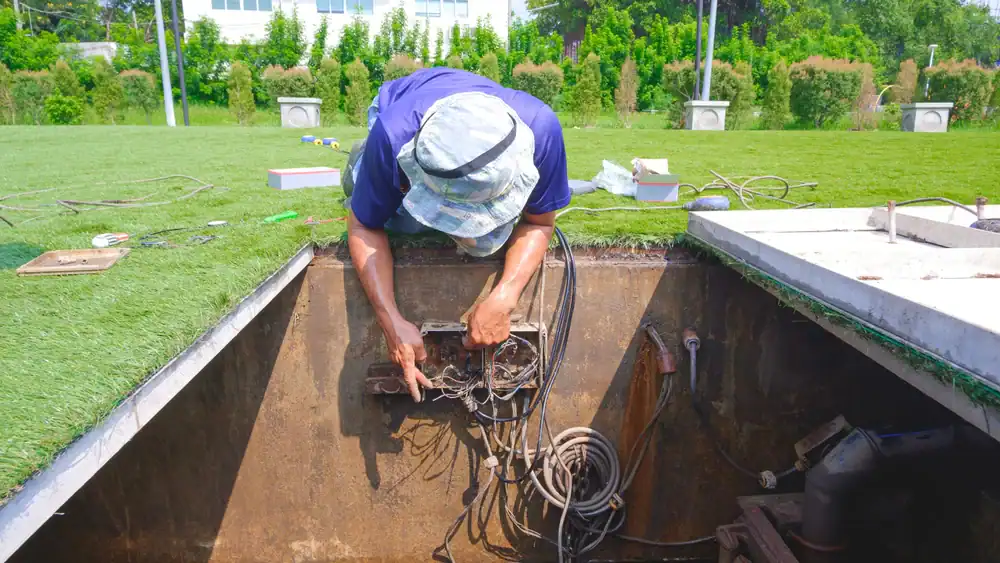
First, we come out and take a look. That means inspecting your sump pit, checking the pump itself, testing the float switch, and making sure your discharge line isn’t clogged or frozen. We’ll also look at how water’s getting into the pit and whether your drainage setup is doing its job.
If it’s a simple fix like a stuck float or a tripped breaker, we handle it on the spot. If your pump is burned out or too old to trust, we’ll walk you through replacement options, including whether a backup battery system makes sense for your situation. Most sump pumps last about ten years, so if yours is older than that and acting up, replacement is usually the smarter move.
Once the new pump is in or the repair is done, we test everything to make sure it’s actually pumping water out and shutting off when it should. You’ll know it works before we leave. If you’re adding a battery backup, we’ll show you how the alarm works and what to expect if the power goes out.
Ready to get started?
Sump pump repair covers the obvious stuff: replacing a failed motor, fixing wiring issues, clearing clogs in the discharge pipe, or swapping out a broken check valve. But it also means looking at the whole system to catch problems before they leave you with a flooded basement.
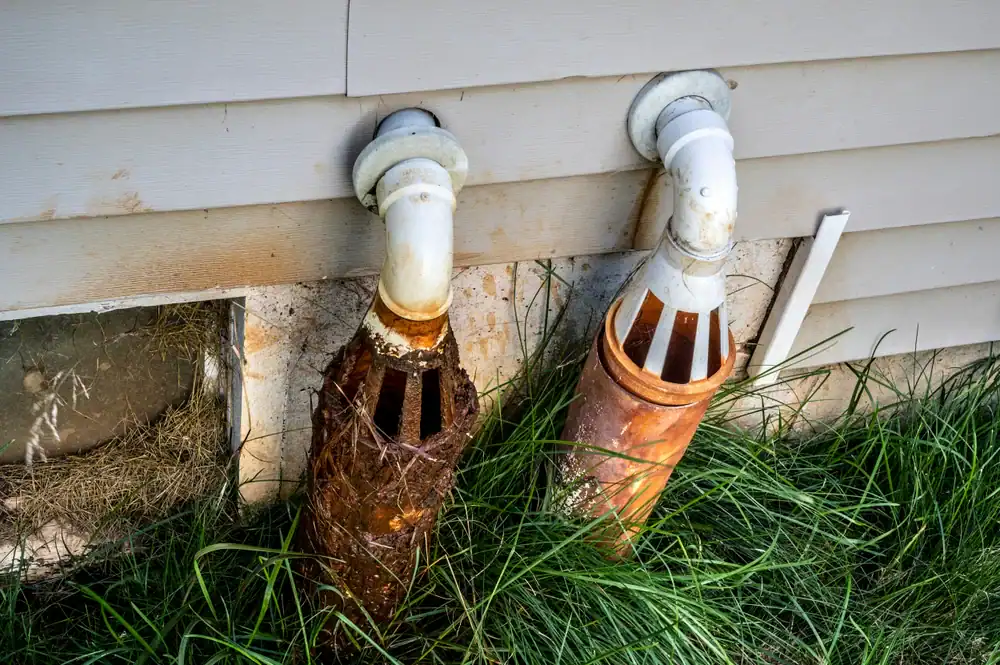
We clean out sump pits that are full of debris, because dirt and sediment can jam up your pump or damage the impeller. We check that your backup pump is charged and functional, not just sitting there giving you false confidence. And we make sure your discharge line is actually moving water away from your foundation, not just dumping it right back where it started.
In Groometown, we’re seeing more homeowners add battery backup systems after losing power during storms. North Carolina has over 538,000 properties currently at risk of flooding, and that number’s climbing. A backup pump can move over 11,000 gallons on a single charge, which is enough to get you through most outages. It’s not about selling you something you don’t need. It’s about making sure the system works when it has to.
Sump pump installation and sump pump replacement are part of what we do, but so is routine sump pump maintenance. An annual checkup catches wear before it turns into an emergency plumber situation at midnight.

If your pump is running constantly, making grinding or rattling noises, or not turning on at all, something’s wrong. You might also notice water sitting in the pit longer than it should, or your basement smelling damp even when it hasn’t rained.
Pumps that are more than ten years old are usually better off replaced, especially if they’re showing any of those signs. Repairs can buy you time, but if the motor’s failing or the unit’s corroded, you’re just delaying the inevitable. We’ll tell you honestly whether a repair makes sense or whether you’re better off with a new pump.
Testing your pump a couple times a year is smart. Pour a bucket of water into the pit and watch what happens. The float should rise, the pump should kick on, and the water should drain out. If it doesn’t, call someone before the next storm does the testing for you.
Your sump pump stops working, which is a problem because storms are usually when you need it most. That’s why battery backup systems exist. They’re a separate pump that runs off a charged battery, so even if your main pump loses power, the backup keeps water out of your basement.
A good backup system will also have an alarm that goes off if the battery’s running or if water gets too high. That gives you a heads-up instead of finding out the hard way. Most backups can handle 11,500 gallons or more on one charge, which covers typical storm duration in this area.
If you don’t have a backup and you lose power, you’re relying on luck. Some people run a generator, but that only works if you’re home and awake when the power cuts out. A battery backup works whether you’re there or not, and it doesn’t need you to do anything. It just kicks on and does its job.
Simple repairs like replacing a float switch or clearing a clog usually run a few hundred dollars. Full pump replacement typically falls between $300 and $750 depending on the unit and how complicated the install is. Adding a battery backup system costs more upfront, but it’s cheaper than dealing with flood damage.
For context, FEMA estimates that just one to two inches of water in your basement can cause $23,000 to $25,000 in damage. That’s flooring, drywall, belongings, potential mold remediation, and everything else that comes with it. Spending a few hundred on a working pump or a thousand on a backup system starts looking pretty reasonable when you compare it to that.
We’ll give you a clear price before we do any work. No surprises, no upselling you on stuff that doesn’t make sense for your situation. If your pump just needs a small fix, that’s what we’ll do. If it needs replacement, we’ll explain why and what your options are.
You can, but it’s not always straightforward. Sump pump installation involves making sure the pit is the right size and depth, that the pump is level and secure, that the discharge line slopes correctly and drains away from your foundation, and that the electrical work is safe and up to code.
If something’s installed wrong, the pump might not turn on when it should, or it might burn out early because it’s working harder than it needs to. We’ve seen DIY installs where the discharge line froze in winter because it wasn’t buried deep enough, or where the check valve was missing so water kept flowing back into the pit.
Repairs can be tricky too. If you’re not sure what’s causing the problem, you might replace a part that didn’t need replacing and still end up with a pump that doesn’t work. We’ve been doing this long enough to diagnose issues quickly and fix them right the first time. If you’d rather handle it yourself, that’s your call. But if you want it done correctly without the trial and error, we’re here.
Once a year is a good baseline, ideally before spring when North Carolina gets heavy rain. Sump pump maintenance includes cleaning out the pit, testing the pump and float switch, checking the discharge line for clogs or damage, inspecting the check valve, and making sure any backup battery is charged and functional.
If you use your pump heavily or you’ve had flooding issues in the past, twice a year makes more sense. The goal is to catch small problems before they turn into big ones. A float switch that’s starting to stick or a discharge line that’s partially blocked won’t stop your pump today, but it might stop it next month when you actually need it.
Most homeowners don’t think about their sump pump until it fails, and by then it’s usually during a storm when getting emergency service is harder and more expensive. Regular maintenance is cheap insurance. It keeps your pump running longer and gives you one less thing to worry about when the weather turns bad.
Usually not under a standard policy. Most homeowners insurance doesn’t cover water damage from sump pump failure, which catches a lot of people off guard after a flood. You typically need to add separate coverage, either as an endorsement to your existing policy or through separate flood insurance.
Even if you have coverage, there’s often a deductible, and filing a claim can affect your rates. That’s why keeping your pump maintained and having a backup system matters. It’s about avoiding the claim in the first place, not just hoping insurance will cover it if something goes wrong.
If your pump does fail and causes damage, document everything. Take photos, keep receipts for repairs, and save any maintenance records you have. That documentation helps if you do file a claim, and it shows you were taking care of the system. We provide detailed records of the work we do, which can support your case if you ever need it.