

Contact Info
- Greensboro, NC 27406
- Call: 336-707-0498
- Text: 336-707-0498
-
Mon - Fri: 8am - 4pm
Sat - Sun: Closed
Contact Info
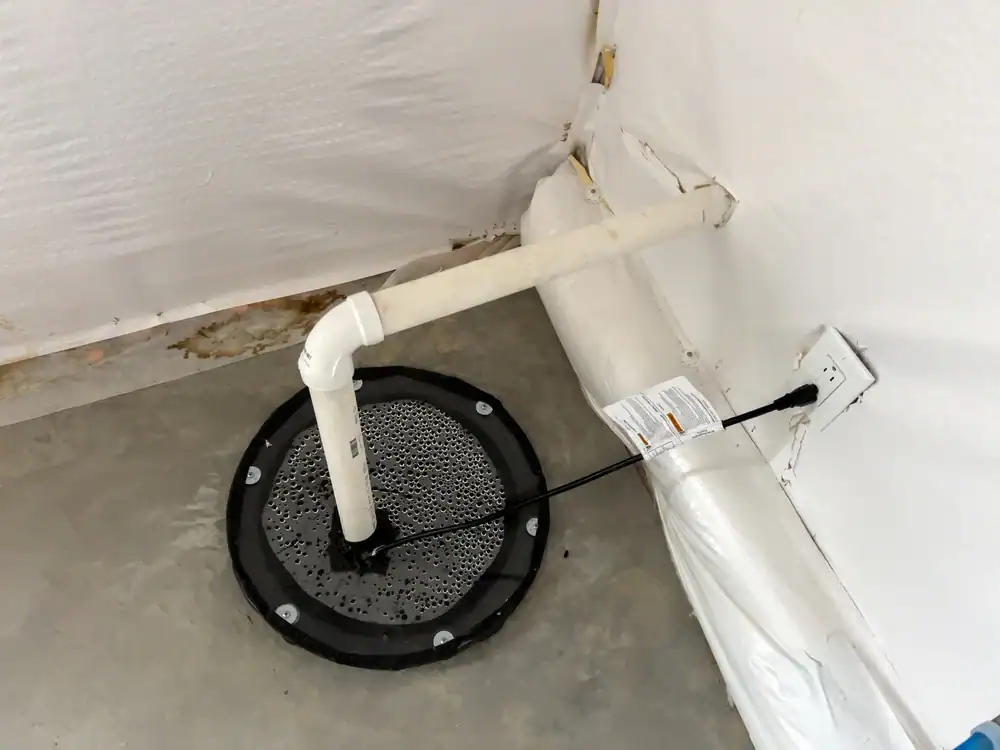
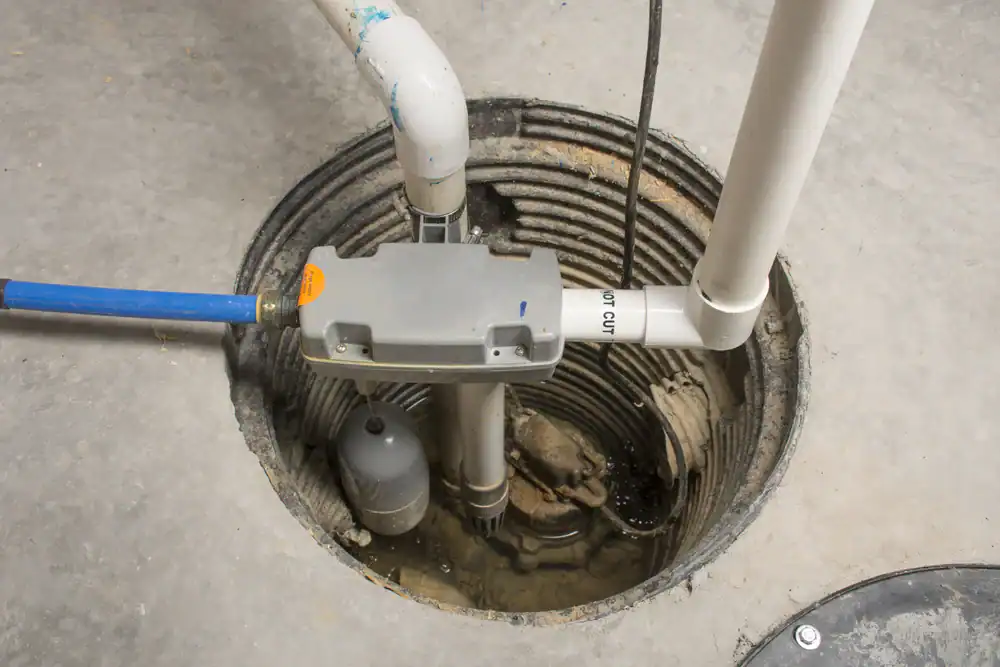
You shouldn’t have to check your basement during every storm. A working sump pump means you sleep through heavy rain without wondering if water’s creeping across your floor.
North Carolina saw record rainfall in 2018, and climate patterns aren’t getting any drier. Mebane homeowners face real flood risk—729,200 properties across the state are at substantial risk over the next 25 years. Your sump pump is the difference between a dry basement and thousands in water damage.
When your pump works right, you don’t think about it. Your foundation stays protected. Your air quality stays clean because mold and mildew never get a chance to grow. Your stored belongings stay safe. That’s what a reliable system does—it handles the problem so you don’t have to.
We’ve spent over 30 years protecting homes in the Greensboro area from moisture problems. We started with indoor air quality, then expanded into the systems that actually prevent moisture from entering your home in the first place—crawl space encapsulation, mold remediation, and sump pump installation and repair.
Rick Watson and our crew know what Mebane homeowners deal with. High water tables, heavy spring storms, aging equipment that fails right when you need it most. We’ve seen basements flood because a float switch got stuck or a power outage knocked out the pump during the worst possible moment.
We’re BBB accredited, locally owned, and we show up when you call. No runaround, no overselling. Just straight answers about what’s wrong and what it takes to fix it.
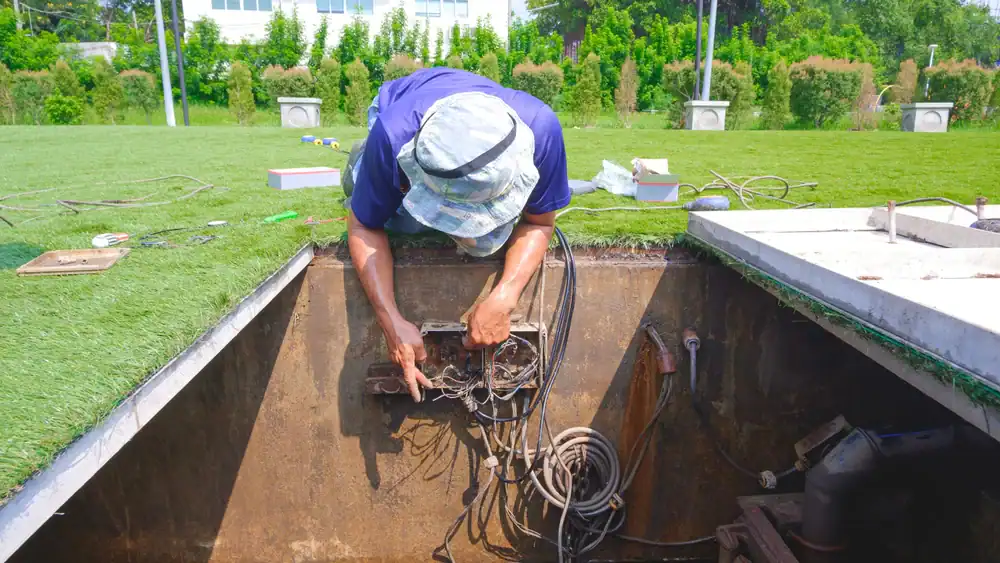
First, we figure out what’s actually wrong. Most sump pump failures come down to a few common issues—stuck float switches, burned-out motors, clogged discharge lines, or power supply problems. We test the pump, check the pit for debris, inspect the backup battery if you have one, and look at how water’s draining into the system.
Then we tell you what needs fixing. Sometimes it’s a quick repair—cleaning out the sump pit, replacing a switch, or clearing a blocked line. Other times the pump’s reached the end of its 7-10 year lifespan and replacement makes more sense than patching it together.
If you need a new pump, we size it correctly for your home. A standard 1/3-horsepower submersible pump works for most basements, but if you’re in a flood-prone area or have a high water table, you might need a 1/2-horsepower model. We install it right the first time—proper pit depth, correct discharge routing, and a battery backup system if you want protection during power outages. Most installations finish in a day, and you’re covered before the next storm hits.
Ready to get started?
You get a system that actually works when water starts rising. We use quality Zoeller pumps—cast iron, high-capacity, and proven reliable in thousands of basements. These aren’t the cheap plastic units that burn out after two years.
Battery backup installation is part of what we do, and it matters more than most people realize. About 40% of sump pump failures happen during power outages, which is exactly when storms are worst and you need the pump most. A backup system keeps running when the lights go out.
We also handle sump pump maintenance and sump pit cleaning. Debris, silt, and sediment build up over time, especially in open pits without lids. That gunk clogs valves, jams float switches, and shortens your pump’s life. Regular cleaning—every 3-4 months if you’re using the system heavily—keeps everything running smooth.
Mebane’s climate means your basement faces real moisture pressure. Between North Carolina’s flood risk and the wet conditions that come with our weather patterns, your sump pump isn’t optional. It’s the piece of equipment standing between your dry basement and a costly mess. We make sure it’s ready.

If your pump is making strange noises, running constantly, or not kicking on when water enters the pit, something’s wrong. Start by checking the float switch—it’s the most common failure point. If it’s stuck or tangled, the pump won’t activate.
Age matters too. Most sump pumps last 7-10 years with average use. If yours is older than that and showing problems, replacement usually makes more sense than repair. Frequent-use pumps in high water table areas might only make it 5-7 years before the motor wears out.
Look inside the sump pit. If you see rust, corrosion, or a lot of built-up sediment, the pump’s probably working harder than it should. If the pump cycles on and off rapidly, it might be undersized for your home or the discharge line could be blocked. Any of these signs mean it’s time to call someone who can diagnose the real issue before you end up with a flooded basement.
Water starts accumulating in your basement, and it happens fast. Depending on how much water your sump pit normally handles, you could see flooding within 30 minutes to a few hours. That’s why sump pump failure is a legitimate emergency—especially during heavy rain when the water table rises and groundwater pressure increases.
If you’re home when it happens, you might hear water pooling or notice a musty smell. If you’re not home, you come back to standing water, soaked belongings, and potential damage to your foundation, drywall, and electrical systems. FEMA estimates just two inches of water in a 2,500-square-foot home causes over $23,000 in damage to the structure and another $3,000+ to personal property.
This is exactly why battery backup systems exist. When the power goes out during a storm—which is when most sump pumps fail—a backup battery keeps the pump running. It’s not a luxury feature. It’s the difference between staying dry and dealing with an insurance claim that might not even cover the damage if you can’t prove you maintained the system properly.
Every 3-4 months if you want to catch problems before they become emergencies. That means testing the pump, checking the float switch, cleaning debris from the pit, and making sure the discharge line isn’t blocked or frozen.
You can do some of this yourself—pour a bucket of water into the pit and watch the pump activate, then shut off once the water’s gone. If it doesn’t turn on, or if it runs but doesn’t move water efficiently, you’ve got an issue. Check that the float moves freely and isn’t stuck against the side of the pit.
Professional maintenance goes deeper. We pull the pump, inspect the impeller for damage, check electrical connections, test the backup battery if you have one, and clean out the silt and sediment that builds up in the pit. Open sump pits without lids get especially dirty—dirt, insects, and debris fall in and clog the mechanical parts over time. Regular service keeps your pump ready for the next big rain, and it extends the life of the equipment so you’re not replacing it every five years.
If you want protection when you actually need it most, yes. Forty percent of sump pump failures happen during power outages. Think about when your power goes out—it’s usually during severe storms with high winds and heavy rain. That’s exactly when your sump pump needs to be running.
A battery backup system keeps your pump working even when the electricity’s off. It’s a separate pump or a battery-powered system that kicks in automatically when it detects power loss. Depending on the battery size and how much water you’re dealing with, it can run for several hours—long enough to get through most storms.
The cost of a backup system is a fraction of what you’d pay for water damage. Replacing flooring, drywall, and ruined belongings adds up fast, and insurance doesn’t always cover sump pump failure, especially if they determine you didn’t maintain the system. A battery backup is cheap insurance that actually works. If you live in Mebane where storms can be intense and power outages aren’t uncommon, it’s not something to skip.
Repairs in Alamance County typically run between $143 and $795, depending on what’s broken. Simple fixes like replacing a float switch or clearing a clogged discharge line fall on the lower end. Motor replacement or fixing electrical issues costs more.
Full sump pump replacement and installation usually ranges from $900 to $2,500. That includes the pump itself, labor, and any necessary adjustments to the sump pit or discharge system. Higher-end systems with battery backup or more powerful pumps for flood-prone homes push toward the upper end of that range.
Here’s the thing—trying to DIY sump pump work isn’t worth the risk. You’re dealing with electricity near water, potential burst pipes, and a system that needs to work perfectly when you’re not around to babysit it. Professional installation means it’s sized right, installed to code, and actually protects your home. Skimping on this repair to save a few hundred bucks can cost you tens of thousands when the pump fails during the next storm and your basement floods.
Absolutely. Mold needs moisture to grow, and a working sump pump keeps your basement dry. When groundwater can’t accumulate, mold, mildew, and fungus don’t get the damp environment they need to spread.
Basements with sump pump problems often develop that musty smell—that’s mold spores in the air. Once mold takes hold, it affects your whole home’s air quality, especially if your HVAC system pulls air from the basement. People with allergies or respiratory issues feel it first, but everyone’s breathing in those spores.
This is why we handle both sump pumps and mold remediation—they’re connected problems. Fixing the moisture source stops mold from coming back after you’ve cleaned it up. If you’ve got a damp basement, chronic mold issues, or air quality problems, your sump pump might not be doing its job. Get the pump working right, keep the basement dry, and the mold problem usually goes away on its own.