

Contact Info
- Greensboro, NC 27406
- Call: 336-707-0498
- Text: 336-707-0498
-
Mon - Fri: 8am - 4pm
Sat - Sun: Closed
Contact Info
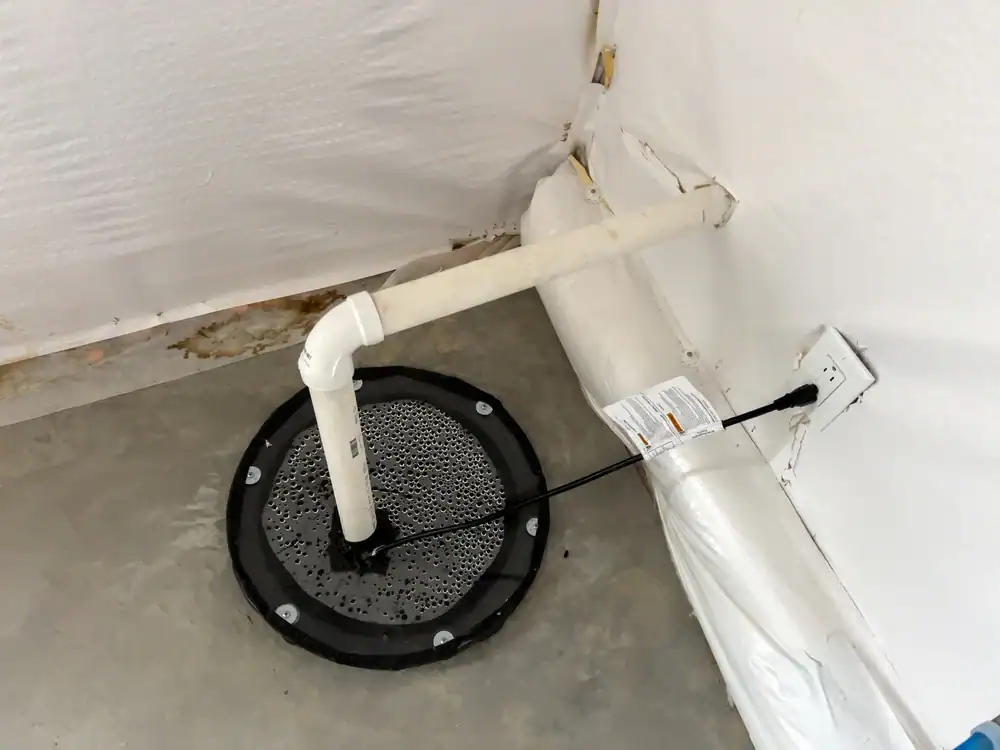
You stop checking the basement every time it rains hard. You don’t smell that musty odor creeping up through the house. Your foundation stays dry, your belongings stay safe, and you’re not dealing with mold remediation companies or insurance claims.
Most homes in Stokesdale were built in the early 2000s, and if your sump pump is original to the house, it’s living on borrowed time. The average system lasts 7-10 years. After that, you’re gambling every storm season.
A working sump pump with proper battery backup means you’re covered even when the power goes out. That’s when most systems fail—right when you need them most. Two inches of water in a 2,500-square-foot basement runs about $27,000 in damage to your home and belongings. That’s not a repair bill. That’s a financial disaster.
We’ve been working in Guilford County homes since before half the houses in Stokesdale were even built. We’ve seen what happens when sump pumps fail during North Carolina’s heavy spring rains and what it costs homeowners who wait too long.
We’re not a national franchise reading from a script. We know the soil conditions here, the water table issues in split-level homes, and how basements in this area behave during storm season.
When you call, you’re getting someone who’s been in hundreds of local basements and crawl spaces. Someone who can tell you what’s wrong, what it’ll take to fix it, and what it should cost—without the runaround.
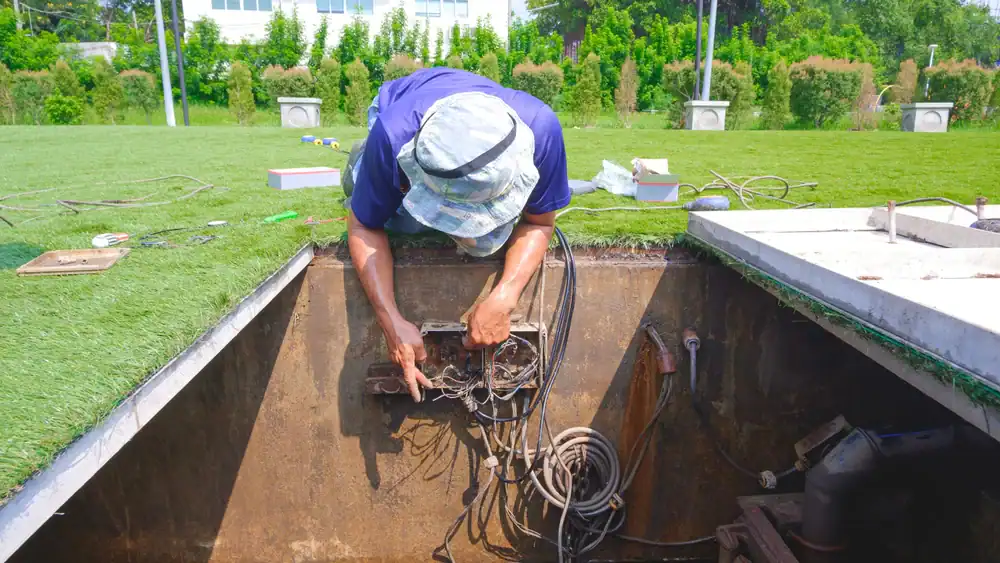
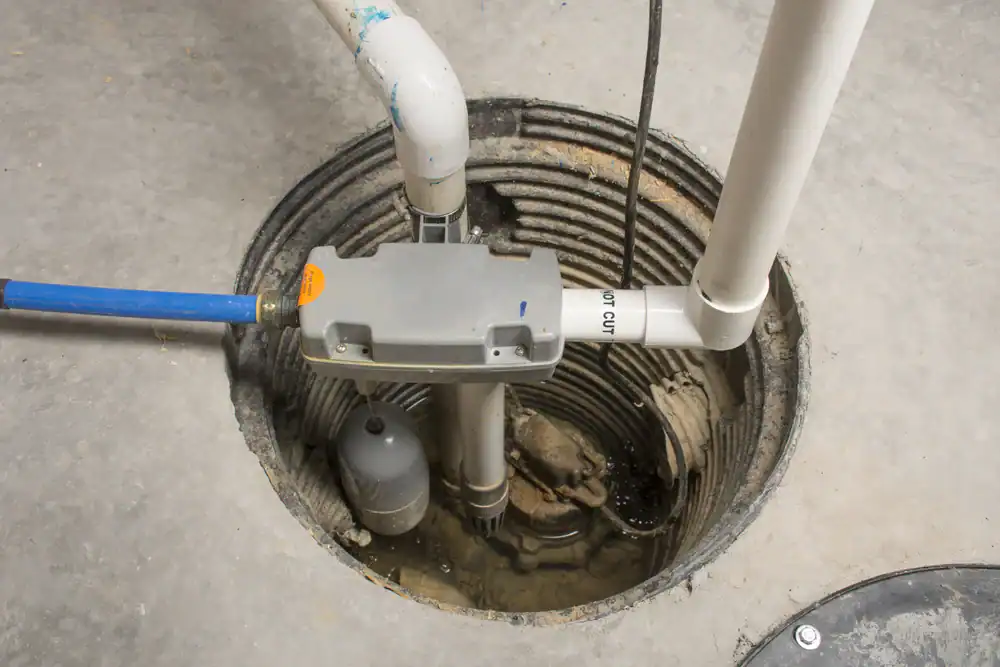
First, we look at your existing system. That means checking the pump itself, the float switch, the discharge line, the check valve, and the sump pit. Most failures come down to one of these five things.
If your pump is running constantly, not turning on when it should, or making grinding noises, we can usually diagnose it on the spot. Sometimes it’s a simple fix—a stuck float switch or a clogged discharge line. Other times, the motor’s shot and you need a replacement.
We’ll tell you what’s broken, what it’ll take to fix it, and how long it’ll last once we do. If you need a full sump pump installation or an upgrade to a battery backup system, we walk you through the options without overselling you on features you don’t need.
For emergency repairs, we respond during business hours to help you avoid flooding before it starts. If your basement is already taking on water, we focus on getting your system operational as fast as possible. Then we come back and do it right.
Ready to get started?
Sump pump repair covers everything from motor replacement to float switch adjustments to discharge line repairs. If your system isn’t pumping water out of your basement the way it should, that’s what we fix.
Sump pump installation means setting up a new system from scratch or replacing an old one that’s beyond repair. We’ll size the pump correctly for your basement, install a battery backup if you want one, and make sure the discharge line runs far enough from your foundation to actually protect your home.
Maintenance is the part most people skip until something breaks. A yearly sump pit cleaning and system check can catch problems before they turn into emergencies. We test the float, inspect the check valve, clear out debris, and make sure your backup power kicks in when it should.
Stokesdale sits in an area where 538,900 properties across North Carolina face substantial flood risk. You’re not in a flood zone, but your basement doesn’t care about FEMA maps. It cares whether your sump pump works when the water table rises. That’s what we’re here to make sure of.

If your pump runs constantly without shutting off, it’s either undersized for your basement or the float switch is stuck. If it’s not turning on at all during heavy rain, the float might be jammed, or the motor could be dead.
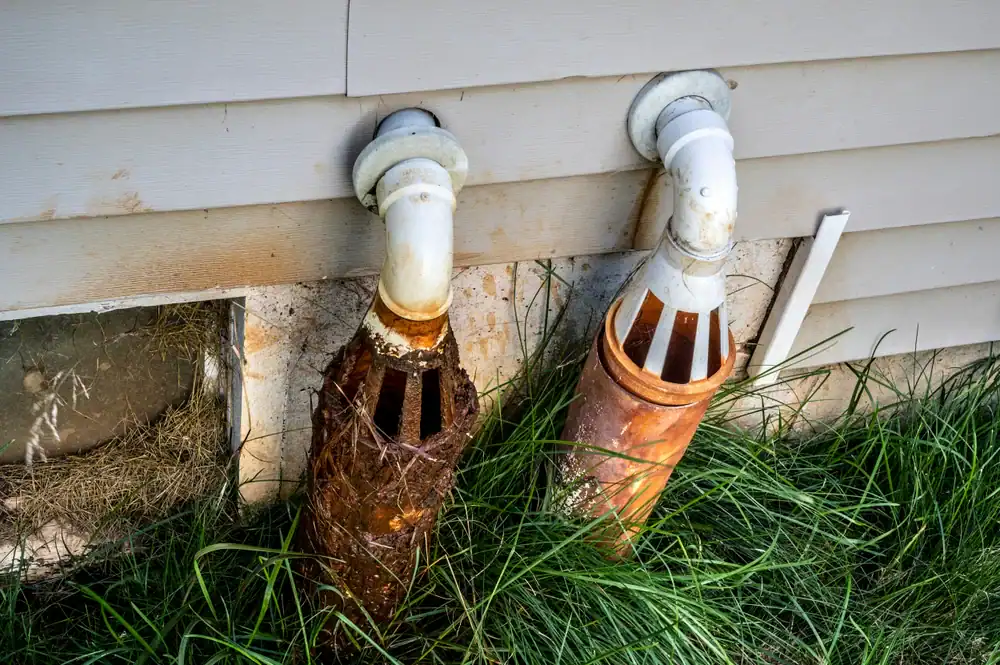
Strange noises—grinding, rattling, or gurgling—usually mean the impeller is damaged or there’s debris in the system. If you’re seeing water in your basement even though the pump seems to be running, check your discharge line. It might be frozen, clogged, or dumping water right back against your foundation.
Most pumps last 7-10 years with regular use. If yours is older than that and starting to act up, replacement is usually smarter than repair. You’ll spend money fixing an old motor that’s just going to fail again in six months.
Your primary sump pump runs on electricity and does the daily work of keeping your basement dry. It kicks on whenever water enters the sump pit and pumps it outside. That’s fine until the power goes out.
A battery backup sump pump is a second system that takes over when your primary pump fails or when you lose power. Most heavy storms in North Carolina knock out electricity, which is exactly when your basement is most likely to flood.
The backup system runs on a marine battery that can pump water for hours without power. It’s not as powerful as your primary pump, but it buys you time until the power comes back on. If you’ve got a finished basement or expensive equipment downstairs, a backup system is cheap insurance against the one storm that hits at the worst possible time.
Once a year is the standard recommendation, ideally before storm season hits in spring. That gives you time to catch problems before you actually need the system to work.
During a maintenance visit, we pull the pump out, clean the pit, and inspect all the moving parts. We test the float switch to make sure it’s triggering at the right water level, check the check valve to confirm it’s not letting water flow backward, and run the system to see how fast it’s pumping.
If you’ve got a battery backup, the battery needs testing too. Most backup batteries last 3-5 years, and they don’t give you much warning before they die. You don’t want to find out your backup is dead during a power outage in the middle of a thunderstorm.
If you’ve got plumbing experience and the right tools, you can technically install a sump pump yourself. But most DIY installations we see have at least one problem—usually with the discharge line placement or the check valve installation.
The pump itself isn’t complicated. It’s getting everything else right that matters. Your discharge line needs to run far enough from your foundation that the water doesn’t just seep back into your basement. It needs to slope correctly so water doesn’t freeze in the line during winter. And it needs a check valve installed in the right spot to prevent backflow.
If you’re replacing an existing pump with the same model and all your plumbing is already set up correctly, that’s one thing. But if you’re installing a new system from scratch, sizing the pump wrong or placing the discharge line poorly can cost you more in water damage than you saved on installation. Most homeowners find it’s worth paying someone who’s done it a few hundred times to do it right the first time.
Power outages are the number one reason. Your pump runs on electricity, and storms knock out power. If you don’t have a battery backup, your pump sits there doing nothing while your basement fills with water.
The second most common failure is the pump getting overwhelmed. If you’ve got an undersized pump or you’re dealing with an unusually heavy storm, water comes in faster than the pump can move it out. That’s why proper sizing matters during installation.
Mechanical failures happen too—usually at the worst time because the pump has been sitting idle for months and suddenly has to work hard. Float switches get stuck, impellers clog with debris, and motors burn out. If your pump hasn’t been maintained in years, the first big storm of the season is when you’ll find out it doesn’t work anymore.
Simple repairs—a stuck float switch, a clogged discharge line, or a bad check valve—usually run a few hundred dollars depending on the part and labor involved. If the motor is shot, you’re looking at either rebuilding the pump or replacing it entirely.
A full sump pump replacement with a quality pump and proper installation typically costs between $800 and $1,500 for a standard setup. If you’re adding a battery backup system, that’s another $500 to $1,000 depending on the pump and battery size.
That might sound like a lot until you compare it to water damage repair. The average water damage claim in a home runs $11,000. A foot of standing water in your basement costs around $29,000 to remediate and repair. Spending $1,500 to prevent $30,000 in damage isn’t an expense. It’s one of the smartest investments you can make in your home.