

Contact Info
- Greensboro, NC 27406
- Call: 336-707-0498
- Text: 336-707-0498
-
Mon - Fri: 8am - 4pm
Sat - Sun: Closed
Contact Info
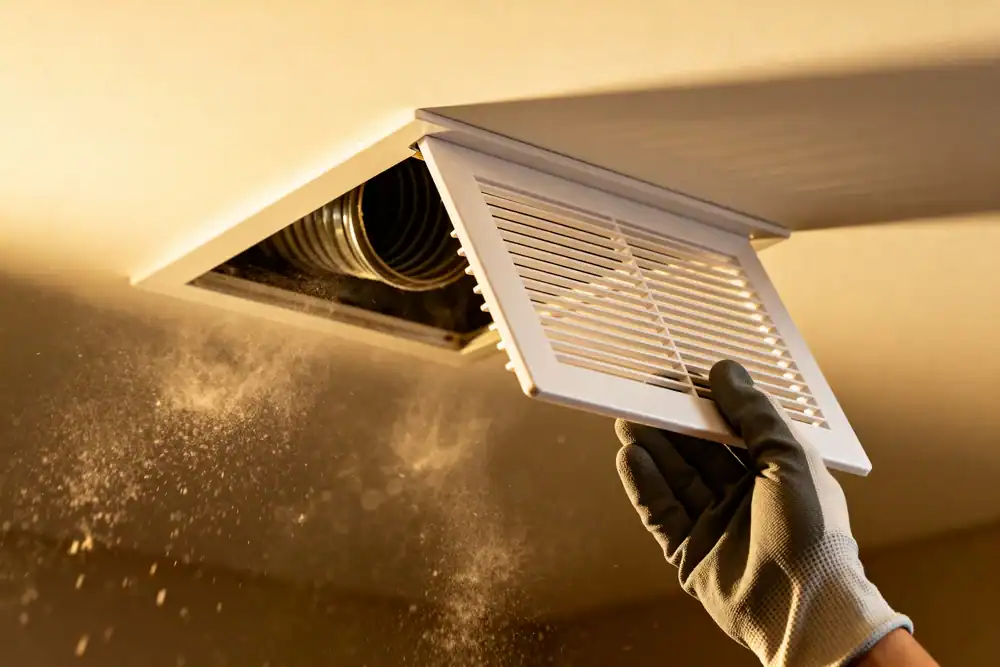
You’ll notice the difference in how your home feels. Less dust settling on furniture between cleanings. Fewer allergy flare-ups when the heat or AC kicks on. Your system runs quieter because it’s not working as hard to push air through clogged vents.
Energy bills drop when your HVAC isn’t straining against years of buildup. The equipment lasts longer when it’s not overworking itself every single day. And if anyone in your household deals with asthma or respiratory issues, cleaner ductwork means fewer triggers circulating through the air they breathe.
This isn’t about making things look better. It’s about making your home healthier and your system more efficient. When debris gets pulled out of your vents and returns, your air quality improves immediately.
We’ve been cleaning ductwork and improving indoor air quality in the Greensboro area for over 30 years. We’ve seen what builds up in systems over time, and we know what it takes to get them truly clean.
Hillsdale homes deal with the same humidity and seasonal pollen that affect the entire region. Your ductwork collects all of it. We use equipment designed for source removal—the method recommended by the National Air Duct Cleaners Association—because surface-level cleaning doesn’t cut it.
You’re not hiring a national chain that doesn’t know the area. You’re working with a local team that understands what homeowners here are dealing with and how to fix it.

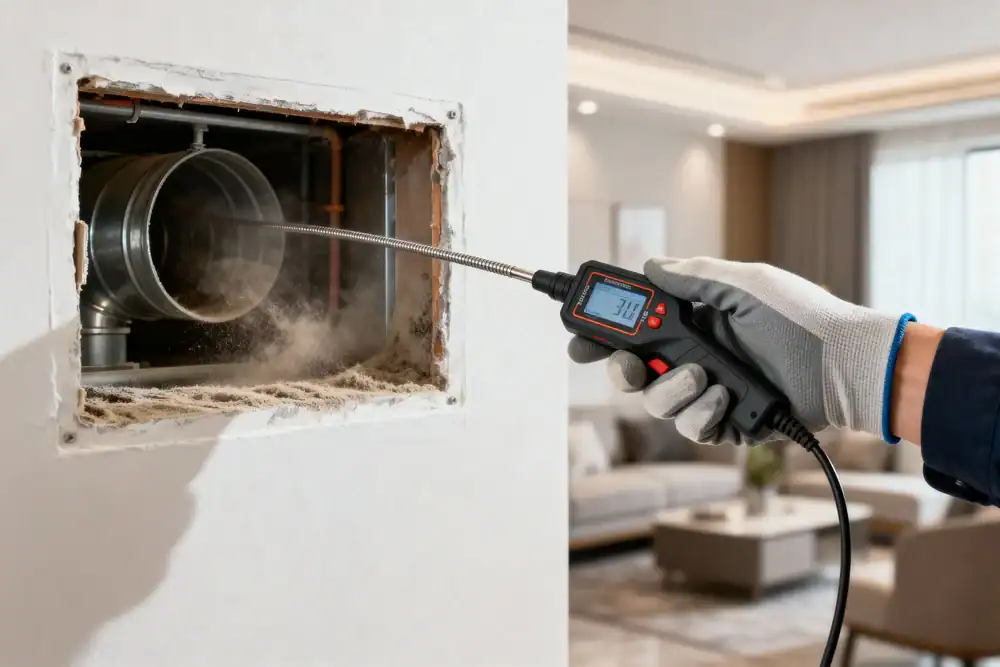
We start with an inspection of your entire HVAC system. That means looking at your supply and return vents, checking the main trunk lines, and identifying where buildup is heaviest. You’ll know what we’re dealing with before we start.
Next, we use high-powered vacuum equipment to create negative pressure in your duct system. This contains debris and prevents it from spreading into your home. Then we go through each vent with rotating brushes and compressed air tools to dislodge stuck-on dust, lint, and contaminants.
Everything gets pulled into our collection system—not blown around your house. We clean the blower motor, evaporator coil, and registers because a partial cleaning just moves the problem around. When we’re done, you’ll see the difference in what came out, and your HVAC professional can verify the results if you want a second opinion.
Ready to get started?
A real duct cleaning covers your entire system, not just the vents you can see. We clean supply ducts, return air ducts, registers, grilles, and diffusers. The blower motor and housing get cleaned. The evaporator coil gets attention because that’s where moisture and dust combine to create perfect conditions for mold.
In Hillsdale and the surrounding area, crawl spaces are common, and they’re often where your ductwork runs. If your ducts are in a damp crawl space, you’re dealing with more than just dust. Moisture creates mold, and that gets pulled into your system every time your HVAC runs. We address that during the cleaning and let you know if you’ve got a bigger moisture problem that needs handling.
Commercial duct cleaning works the same way but on a larger scale. Office buildings, retail spaces, and warehouses all have ductwork that collects debris. The difference is volume—more vents, more duct runs, more square footage to cover. We schedule those jobs to minimize disruption to your business operations.

Most homes benefit from duct cleaning every three to five years. That’s the general industry recommendation, but your situation might call for more frequent service.
If you’ve recently renovated, you’ve got construction dust in your ducts. If you have pets, their dander builds up faster. If anyone in your home has allergies or asthma, more frequent cleaning helps manage triggers. And if you’ve noticed more dust than usual or musty smells when your system runs, don’t wait—those are signs your ducts need attention now.
New homeowners should consider cleaning shortly after moving in. You don’t know when the previous owner last had it done, and you don’t want to spend your first year breathing whatever they left behind.
Yes, but the amount depends on how dirty your system was to begin with. When ducts are clogged with debris, your HVAC has to work harder to move air. That means longer run times and higher energy consumption.
After a thorough cleaning, airflow improves. Your system reaches the set temperature faster and cycles off sooner. The blower motor isn’t straining against blockages. All of that translates to less energy used and lower monthly bills.
You’ll also extend the life of your equipment. An overworked HVAC system breaks down sooner and needs more repairs. Keeping it clean is cheaper than replacing a burned-out blower motor or compressor that failed because it never got a break.
Your air filter catches some of what’s floating in your air, but it doesn’t clean what’s already stuck to the walls of your ductwork. Changing your filter regularly is important—it protects your equipment and improves air quality—but it’s not a substitute for duct cleaning.
Think of it this way: your filter catches new debris before it enters the system. Duct cleaning removes the years of buildup that’s already there. Dust, pet dander, pollen, and mold spores settle into your ducts over time. Every time your system runs, some of that gets blown back into your home.
A clean filter and clean ducts work together. One doesn’t replace the other. If you’re changing filters regularly and still dealing with dust or poor air quality, your ducts are likely the problem.
If you’ve got mold growing in your ductwork, cleaning removes it and stops it from spreading through your home every time the system runs. But cleaning alone won’t solve a mold problem if you don’t address what caused it.
Mold needs moisture. If your ducts are in a damp crawl space, or if you’ve got condensation forming on your AC coils, mold will come back after cleaning unless you fix the moisture issue. We’ll let you know if we see signs of ongoing moisture problems during the inspection.
In some cases, duct cleaning is part of a larger solution that includes crawl space encapsulation or dehumidification. We’ll walk you through what’s needed to actually solve the problem, not just temporarily mask it.
Most residential duct cleaning jobs take between two and four hours. The exact time depends on the size of your home, how many vents you have, and how much buildup we’re dealing with.
Larger homes with multiple HVAC systems take longer. If your ducts haven’t been cleaned in a decade or more, expect the job to take more time because there’s more debris to remove. Commercial duct cleaning varies widely based on the size of the building and complexity of the system.
We’ll give you a time estimate after the initial inspection. You don’t need to be home the entire time, but someone should be there when we start and finish so we can walk you through what we found and what we did.
Clear access to all your vents and registers. Move furniture, storage boxes, or anything blocking them so we can work efficiently. Make sure we can access your HVAC unit, whether it’s in a closet, attic, basement, or crawl space.
If you have pets, keep them in a separate room during the cleaning. Our equipment is loud, and some animals get stressed by the noise and activity. You don’t need to leave, but expect some noise while we’re working.
Turn off your HVAC system before we arrive. We’ll handle the rest. After we’re done, you can turn it back on and start enjoying cleaner air immediately.