
Contact Info
- Greensboro, NC 27406
- Call: 336-707-0498
- Text: 336-707-0498
-
Mon - Fri: 8am - 4pm
Sat - Sun: Closed
Contact Info
You’ll notice the difference in how your home feels within days. The air smells fresher. Your family stops waking up congested. Your HVAC system runs quieter and doesn’t cycle on and off as much.
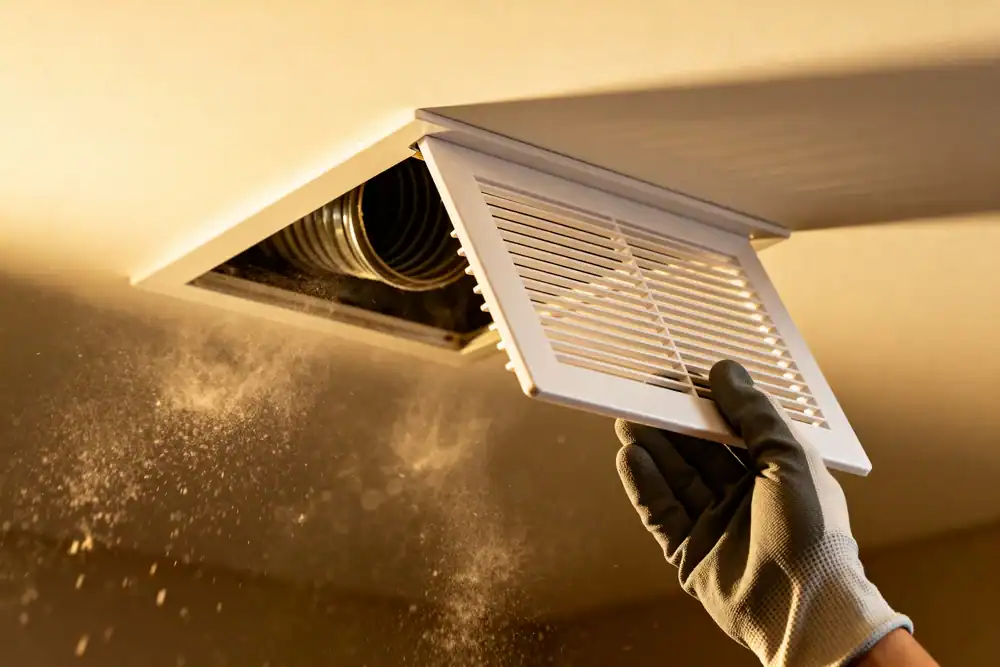
That’s because clean ductwork lets air move the way it’s supposed to. When dust, pet dander, and debris clog your vents, your system works overtime just to push air through. That means higher energy bills, more wear on your equipment, and allergens recirculating through every room.
Professional duct cleaning removes what’s blocking airflow and contaminating your indoor air. You’re not just getting cleaner ducts—you’re getting better system performance, lower utility costs, and relief from the symptoms that come with poor air quality. For homes in North Hyde Park dealing with seasonal pollen or older HVAC systems that haven’t been maintained, this makes a measurable difference in comfort and health.
We’ve been improving indoor air quality across the Greensboro area for over 30 years. We’re NADCA-certified, which means our team follows the national standards for air duct cleaning—not shortcuts or surface-level work.
North Hyde Park homeowners deal with specific challenges: older homes with original ductwork, high humidity that encourages mold growth, and seasonal allergens that settle into HVAC systems. We’ve cleaned thousands of systems in this area, so we know what to look for and how to address it properly.
You’re hiring people who show up on time, explain what we’re doing, and leave your home cleaner than we found it. No upselling. No scare tactics. Just honest work backed by certifications and decades of local experience.

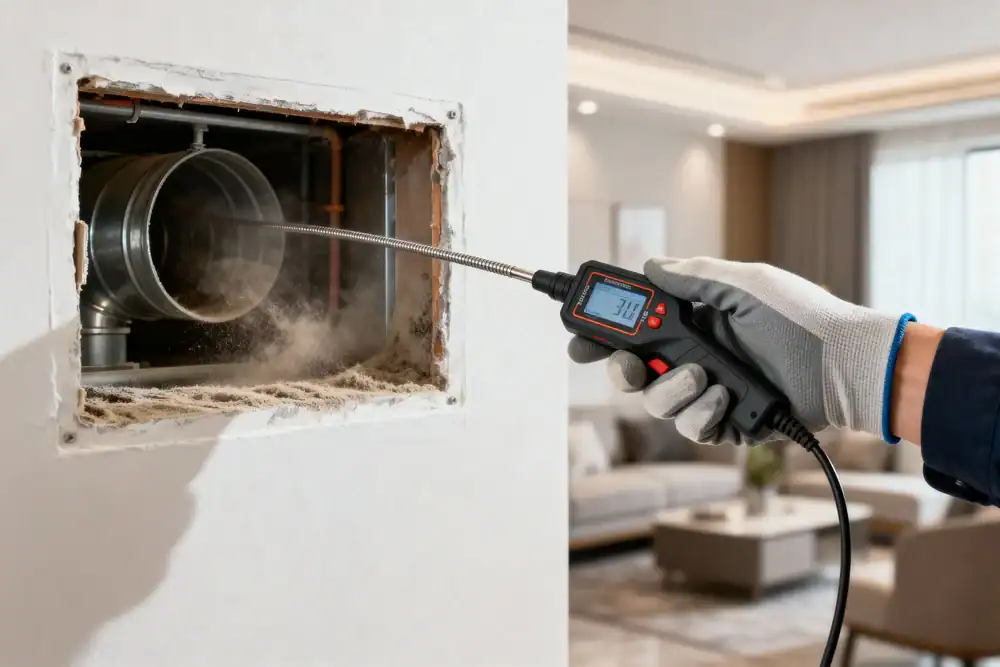
We start with a full system inspection. That means looking at your ductwork, vents, and HVAC components to identify buildup, blockages, or any signs of mold or moisture issues. You’ll know what we find before we start cleaning.
Next, we use specialized equipment—high-powered vacuums and rotating brushes—to dislodge debris from inside your ducts. This isn’t a shop vac job. We’re pulling contaminants out at the source and capturing them so they don’t end up back in your air. Every register, return vent, and main line gets attention.
After cleaning, we can apply an EPA-approved disinfectant if needed, especially if mold or bacteria were present. Then we seal everything back up, test airflow, and walk you through what we did. The whole process typically takes a few hours depending on your system size, and you’ll have access to your HVAC again the same day. Most customers notice improved airflow and air quality within 24 hours.
Ready to get started?
You’re getting a complete cleaning of your entire HVAC system—not just the easy-to-reach parts. That includes supply and return ducts, registers, grilles, diffusers, heating and cooling coils, drip pans, and the air handling unit. We also inspect your system for leaks, disconnected sections, or damage that could be affecting performance.
For North Hyde Park homes, we pay close attention to crawl space ductwork. Humidity levels in this area create perfect conditions for mold and moisture buildup in ducts that run through unconditioned spaces. If we spot issues beyond cleaning—like significant mold growth or damaged insulation—we’ll let you know what needs attention and why.
We also offer dryer vent cleaning as an add-on, which matters more than most people realize. Lint buildup is a leading cause of residential fires, and it forces your dryer to work harder and run longer. Cleaning your dryer vent improves safety and efficiency at the same time. Whether you need residential vent cleaning or commercial duct cleaning for a larger property, the process is thorough and follows the same NADCA standards that ensure quality results.

Most homes benefit from duct cleaning every three to five years. That changes if you have pets, someone in your home has allergies or asthma, you’ve recently renovated, or you’ve noticed visible dust or musty odors coming from your vents.
North Hyde Park’s climate adds another factor. Humidity encourages mold growth, especially in ductwork that runs through crawl spaces or attics. If your home has had any moisture issues—leaks, flooding, or even just high indoor humidity—you should have your ducts inspected sooner.
You’ll also want to clean your ducts if you’ve just moved into an older home and don’t know the maintenance history. Systems that haven’t been cleaned in years often have significant buildup that affects air quality and efficiency. If you’re unsure, we can inspect your system and give you an honest assessment of whether cleaning is necessary now or if you can wait.
Yes, but the savings depend on how clogged your system was to begin with. When ducts are blocked with dust and debris, your HVAC system has to work harder to push air through. That increases runtime, which increases energy consumption.
After cleaning, airflow improves. Your system doesn’t have to run as long to reach the temperature you set. Most customers see a noticeable drop in how often their system cycles on and off, and that translates to lower monthly utility costs.
The Department of Energy estimates that HVAC systems account for nearly half of a home’s energy use. Even a small improvement in efficiency adds up over time. You’re also extending the lifespan of your equipment by reducing strain, which saves you money on repairs and early replacement. Clean ducts won’t cut your bill in half, but they do make your system run the way it was designed to—and that’s more efficient than struggling through clogged ductwork.
There are a few clear signs. If you see dust blowing out of your vents when the system kicks on, that’s a red flag. If your home gets dusty quickly even after cleaning, or if you notice a musty or stale smell when your HVAC runs, those are indicators that your ductwork has buildup.
You should also look at your vents and registers. Pull off a vent cover and shine a flashlight inside. If you see visible dust, debris, or even mold, your ducts need attention. Another sign is uneven heating or cooling—some rooms stay comfortable while others don’t, which can mean blockages in your ductwork.
Health symptoms matter too. If anyone in your home is experiencing worsening allergies, respiratory issues, or unexplained headaches, poor indoor air quality could be the cause. Contaminants in your ducts get circulated every time your system runs. The EPA notes that indoor air can be two to five times more polluted than outdoor air, and dirty ducts are a major contributor. If any of this sounds familiar, it’s worth getting an inspection.
It’s worth it when done correctly by certified professionals. The problem is that some companies use duct cleaning as a bait-and-switch—they quote a low price, then upsell unnecessary add-ons or do subpar work that doesn’t actually clean your system.
Legitimate duct cleaning follows NADCA standards. That means using proper equipment to remove contaminants from your entire system, not just surface cleaning the vents you can see. If a company offers a whole-house cleaning for $99, that’s a red flag. Real duct cleaning takes time, specialized tools, and trained technicians.
The benefits are real when the work is done right. You’ll see improved airflow, better indoor air quality, and reduced allergens. Your HVAC system will run more efficiently and last longer. But you need to hire someone who’s actually certified and follows industry standards—not someone running a coupon special with no credentials. Check for NADCA certification, read reviews, and ask questions about the process before you book. That’s how you avoid scams and get the results you’re paying for.
Absolutely. Your ductwork collects dust mites, pollen, pet dander, mold spores, and other allergens over time. Every time your HVAC system runs, it circulates those contaminants throughout your home. For anyone with allergies or asthma, that means constant exposure to triggers.
Professional duct cleaning removes those allergens at the source. You’re not just masking symptoms with air filters—you’re eliminating the buildup that’s causing the problem. Many customers report fewer allergy symptoms, less congestion, and better sleep after having their ducts cleaned.
This is especially important in North Hyde Park, where seasonal pollen counts are high and humidity encourages mold growth. If your ducts haven’t been cleaned in years, they’re likely harboring significant amounts of allergens. Pairing duct cleaning with regular HVAC maintenance and quality air filters gives you the best results. It won’t cure allergies, but it removes a major source of indoor air pollution that makes symptoms worse. If you or your family are struggling with respiratory issues at home, cleaning your ductwork is a smart step toward relief.
They’re two separate services, but both matter for your home’s safety and efficiency. Air duct cleaning focuses on your HVAC system—the ductwork that circulates heated and cooled air throughout your home. The goal is to remove dust, allergens, and debris that affect air quality and system performance.
Dryer vent cleaning targets the exhaust vent that carries hot, moist air from your dryer to the outside. Lint builds up in this vent over time, creating a fire hazard and forcing your dryer to work harder. The National Fire Protection Association reports that failure to clean dryers is the leading cause of dryer fires in homes.
You should have your dryer vent cleaned at least once a year, more often if you do a lot of laundry or notice your dryer taking longer to dry clothes. Signs you need dryer vent cleaning include clothes that are still damp after a full cycle, a burning smell when the dryer runs, or the outside of the dryer feeling extremely hot. Both services improve safety and efficiency, but they address different systems in your home. Most homeowners benefit from having both done regularly.