
Contact Info
- Greensboro, NC 27406
- Call: 336-707-0498
- Text: 336-707-0498
-
Mon - Fri: 8am - 4pm
Sat - Sun: Closed
Contact Info
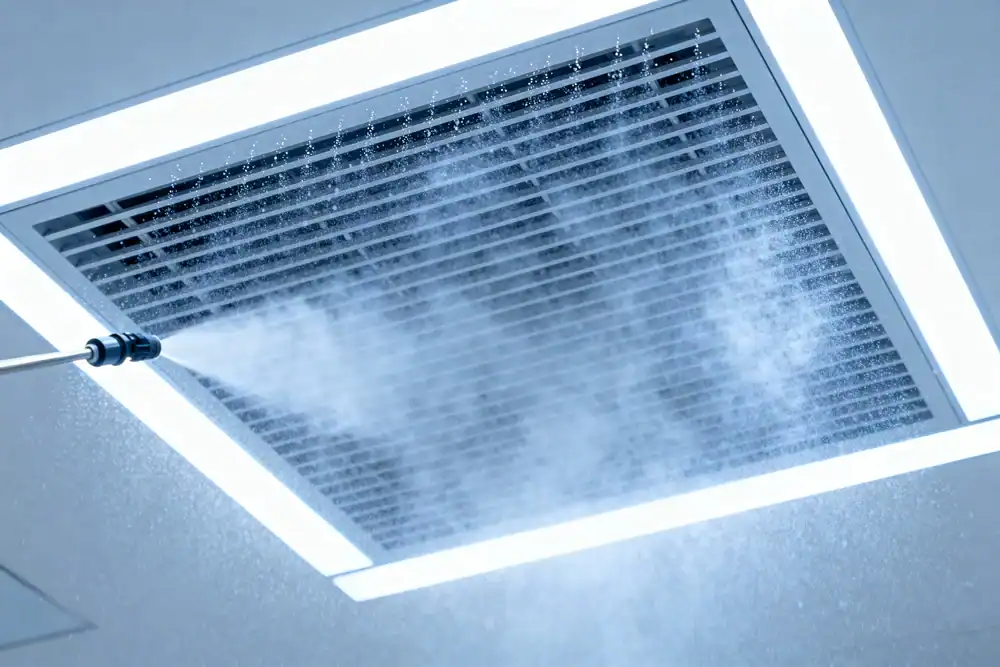
You’re spending more than you need to on energy. When debris builds up in your ductwork, your HVAC system has to work 15% to 60% harder just to push air through. That’s not a small difference on your monthly bill.
Clean ducts mean your system runs the way it was designed to. Airflow improves, equipment strain drops, and you stop throwing money at a problem that shouldn’t exist.
Your employees notice the difference too. Fewer headaches, less fatigue, better focus. Poor indoor air quality costs businesses billions every year in lost productivity and sick days. You can’t afford to ignore what’s circulating through your building, especially when most people spend 90% of their time indoors.
Well-maintained HVAC systems last 30% to 50% longer than neglected ones. That’s years of extended life from equipment you’ve already paid for. Regular air duct cleaning isn’t an expense, it’s protection against premature replacement and constant repairs.
We’ve been improving indoor air quality across the Greensboro area for over 30 years. We’re not new to this, and we’re not learning on your building.
We’re NADCA certified, which means our team follows the industry’s highest standards for commercial ductwork cleaning. Rick Watson holds ASCS and CVI certifications, and Noah Watson is ASCS certified. These aren’t just letters, they’re proof that we know what we’re doing when we’re inside your HVAC system.
Scalesville businesses need reliable service that doesn’t disrupt operations. We schedule around your needs, working nights, weekends, or during shutdowns so your team can keep working. You get the results without the interruption.
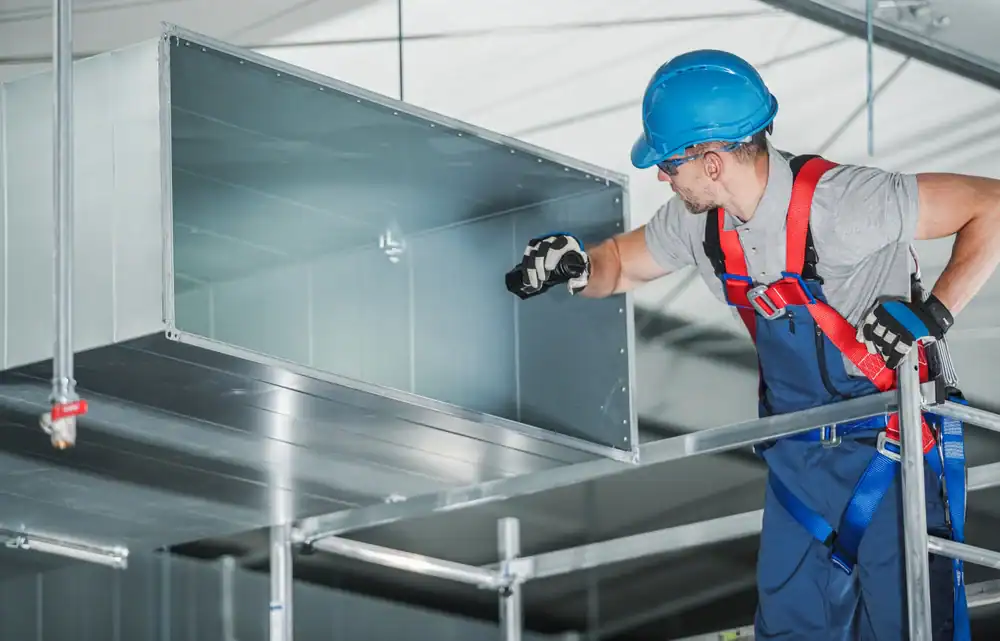
We start with a full inspection of your ductwork and HVAC system. You need to know what’s actually in there before we start pulling it out. We use cameras to show you the buildup, the problem areas, and what needs attention.
Once we’ve mapped out your system, we seal off your vents and use high-powered negative air machines to create containment. This keeps contaminants from spreading into your workspace during cleaning. We’re not just pushing dust around, we’re removing it completely.
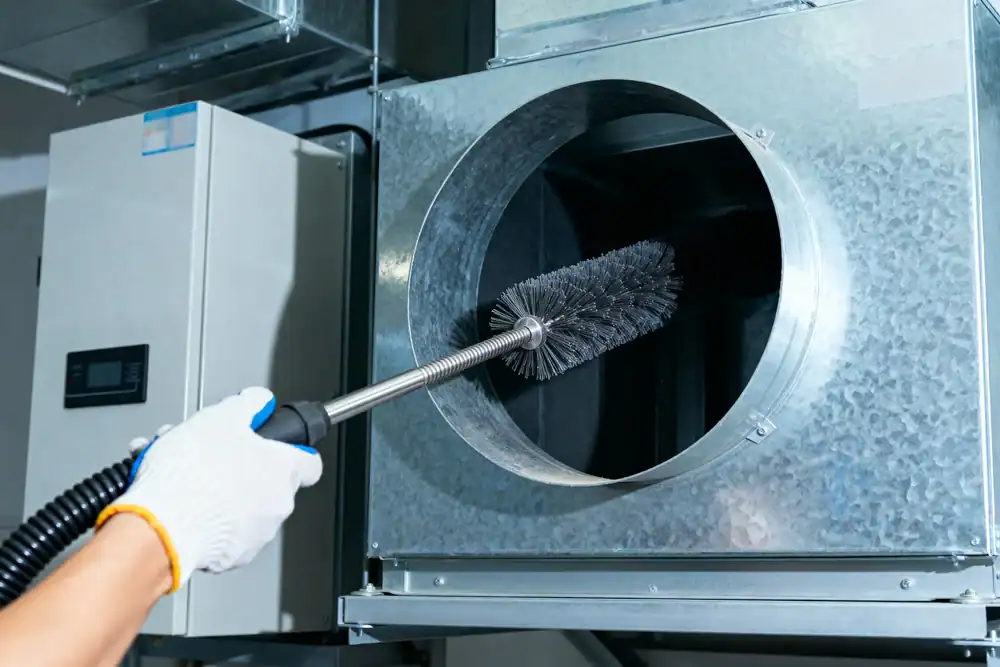
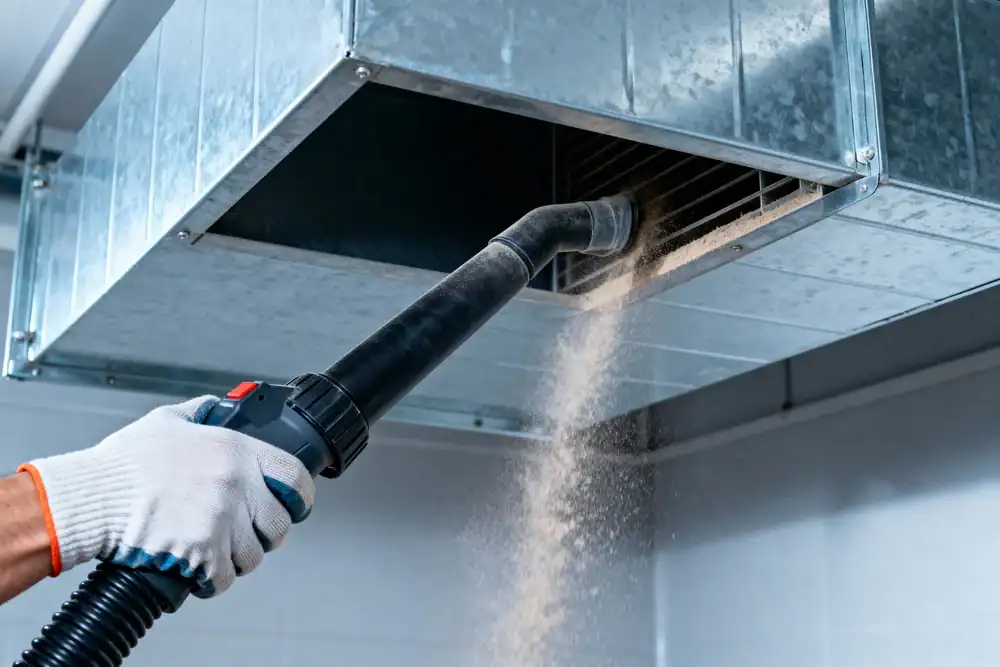
Our team uses rotating brushes and compressed air tools to dislodge debris from every surface inside your ducts. Everything gets pulled into HEPA-filtered vacuums that capture particles down to 0.3 microns. We clean supply lines, return lines, registers, grilles, and your air handler components.
After cleaning, we sanitize if needed and reinstall everything properly. You get before-and-after documentation so you can see exactly what we removed and verify the work was done right. No guessing, no trust issues, just proof.
Ready to get started?
You’re getting more than just vent cleaning. We clean the entire air distribution system: supply and return ducts, registers, grilles, diffusers, heat exchangers, cooling coils, drip pans, fan motors, and the air handling unit housing.
Scalesville’s climate means your HVAC system runs year-round. That constant use creates constant buildup. Pollen in spring, humidity in summer, dust year-round. Your ductwork collects all of it, and it doesn’t just disappear.
We also check for mold growth during our inspection. North Carolina’s humidity creates ideal conditions for mold in ductwork, especially around cooling coils and drain pans. If we find it, we address it with proper remediation, not just surface cleaning that leaves the problem to come back.
Fire safety matters too. Lint and debris in your ventilation system are fire hazards. The more buildup you have, the higher your risk. Regular ductwork cleaning reduces that risk and helps you stay compliant with safety standards that actually protect your business and your people.
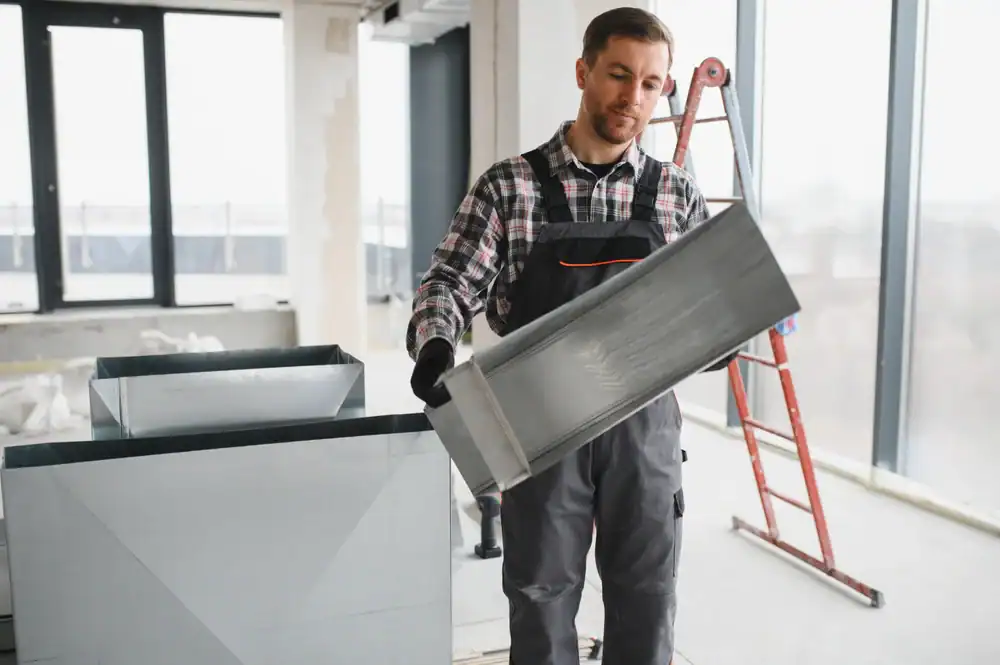
Most commercial buildings need duct cleaning every three to five years, but your actual timeline depends on your specific situation. High-traffic retail spaces, restaurants with kitchen exhaust, manufacturing facilities, and medical offices usually need more frequent cleaning because they generate more contaminants.
If you’re noticing dust around vents, musty odors when the system runs, or unexplained increases in energy bills, don’t wait for a schedule. Those are signs your system needs attention now.
Buildings with employees who have allergies or respiratory issues should consider more frequent cleaning. You’re not just maintaining equipment, you’re maintaining a workspace where people need to function well. Poor air quality shows up in productivity losses and sick days before you ever see it on an energy bill.
Yes, but the savings depend on how dirty your system is right now. The U.S. Department of Energy reports that even small amounts of debris can increase energy consumption by 15% or more. Systems with significant buildup can see energy reductions between 41% and 60% after professional cleaning.
Your HVAC system is designed to move a specific volume of air with a specific amount of energy. When ducts are clogged, the system has to work harder to push that same volume through restricted pathways. That extra work costs you money every single day the problem exists.
Most commercial buildings see a 20% to 30% reduction in HVAC energy costs after proper maintenance, including duct cleaning. That’s real money back in your budget, and it’s ongoing savings, not a one-time benefit. Clean ducts stay more efficient between cleanings than ducts that have never been properly maintained.
Absolutely. We schedule commercial duct cleaning around your business hours, not ours. Most of our commercial clients prefer evening, overnight, or weekend service so their employees and customers never see us working.
We also work during planned shutdowns, holidays, or slow periods if that fits your calendar better. The key is minimizing disruption while still doing thorough work. We’re not rushing through your system just to finish during business hours.
Our equipment is professional-grade but not excessively loud, and we contain our work areas to prevent dust or debris from entering occupied spaces. You won’t have contaminants floating through your building while we’re cleaning. We use negative air pressure and HEPA filtration specifically to prevent that problem. Your team can keep working while we handle the ductwork.
Commercial systems are larger, more complex, and require different equipment and expertise. Your building likely has rooftop units, longer duct runs, multiple zones, and higher air volume requirements than any residential system. That means more access points, more time, and specialized tools to clean properly.
Commercial ductwork also deals with different contaminants depending on your business type. Retail spaces have high dust from foot traffic. Restaurants have grease and cooking byproducts. Manufacturing facilities have industrial particles. Medical offices need sanitization that meets healthcare standards. One approach doesn’t work for every building.
NADCA certification matters more in commercial work because the stakes are higher. You’re responsible for the air quality that affects dozens or hundreds of people, not just a single family. You need technicians who understand commercial HVAC systems, follow proper protocols, and document their work so you have records for compliance and liability protection.
Look at your vents and registers. If you see visible dust buildup, dark streaks, or debris around the openings, that’s what’s on the surface. What’s inside the ductwork is worse.
Musty or stale odors when your HVAC system runs indicate mold or bacterial growth somewhere in the system. That smell is spores and particles circulating through your building every time the air handler kicks on. Your employees are breathing whatever is causing that odor.
Unexplained increases in energy bills often point to restricted airflow from duct buildup. If your system is running longer cycles to reach temperature or struggling to maintain consistent comfort across your building, debris is likely forcing your equipment to work harder than it should. An inspection will show you exactly what’s happening inside your ductwork so you can make an informed decision.
If you’re spending money on energy, equipment repairs, and employee productivity, then yes. Duct cleaning addresses all three of those costs directly. Lower energy bills, longer equipment life, and healthier indoor air quality all deliver measurable returns.
Equipment replacement is expensive. Extending your HVAC system’s lifespan by even a few years through proper maintenance saves you tens of thousands of dollars in premature replacement costs. Clean systems also break down less frequently, which means fewer emergency repair calls and less downtime.
Employee health and productivity matter more than most business owners realize. Sick building syndrome costs the American economy an estimated $168 billion annually in lost productivity, absenteeism, and workers’ compensation claims. Better indoor air quality means fewer sick days, better focus, and a more comfortable work environment. That’s not a soft benefit, it’s a bottom-line impact you can measure.