

Contact Info
- Greensboro, NC 27406
- Call: 336-707-0498
- Text: 336-707-0498
-
Mon - Fri: 8am - 4pm
Sat - Sun: Closed
Contact Info
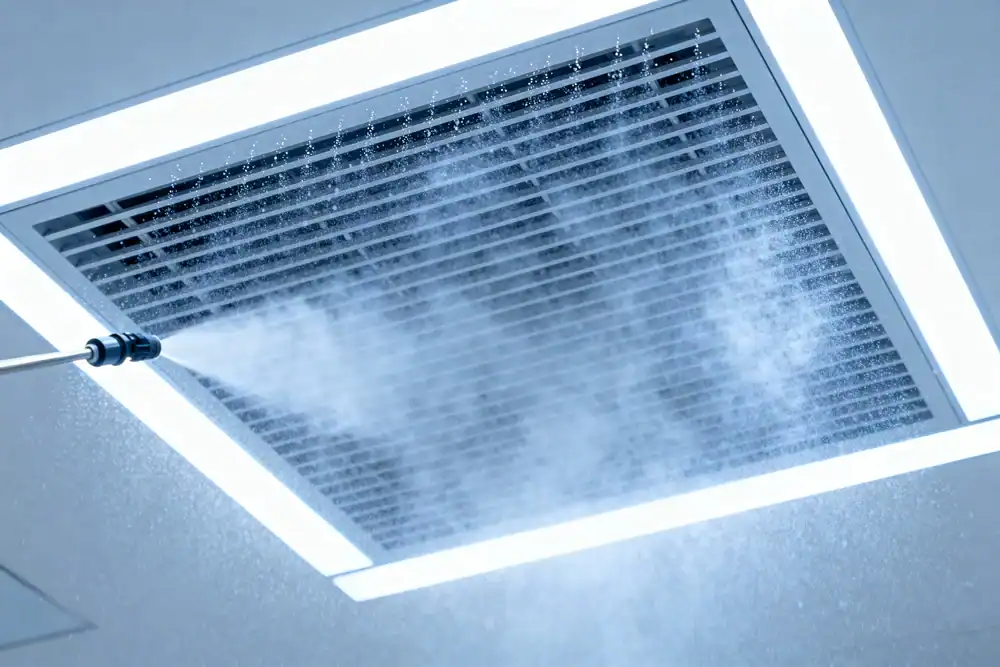
When your air ducts are packed with dust, dander, and debris, your HVAC system burns more energy just to push air through. That means higher monthly bills and more wear on equipment that’s already expensive to replace.
Clean ductwork lets air move freely. Your system doesn’t strain, your energy costs drop, and you’re not replacing parts years before you should. You’ll also notice fewer complaints about stuffiness, odors, or uneven temperatures across your building.
If you’ve got employees sneezing at their desks or customers walking into a space that smells stale, your ducts are likely part of the problem. The same contaminants that clog airflow get recirculated every time your system kicks on. Cleaning them out means better air quality, fewer sick days, and a workspace that doesn’t feel like it’s working against everyone in it.
This isn’t about perfection. It’s about getting your building’s air system back to doing what it’s supposed to do—without costing you more than it should.
We’ve been serving businesses across North Carolina with crawl space solutions and HVAC duct cleaning that actually make a difference. We’re not a national franchise sending different crews every time. We’re local, licensed, and we show up with the same team and the same equipment.
We use power vacuum trucks—not portable units that can’t pull enough suction to do the job right. That means we’re removing debris, not just moving it around. Our technicians are trained to spot issues before they become expensive problems, and we don’t upsell services you don’t need.
Stewarts Mill businesses deal with humidity, pollen, and seasonal debris that clogs systems faster than in drier climates. We understand what buildings in this area are up against, and we clean ducts with that in mind. You’re not getting a one-size-fits-all approach—you’re getting a service built around what actually works here.
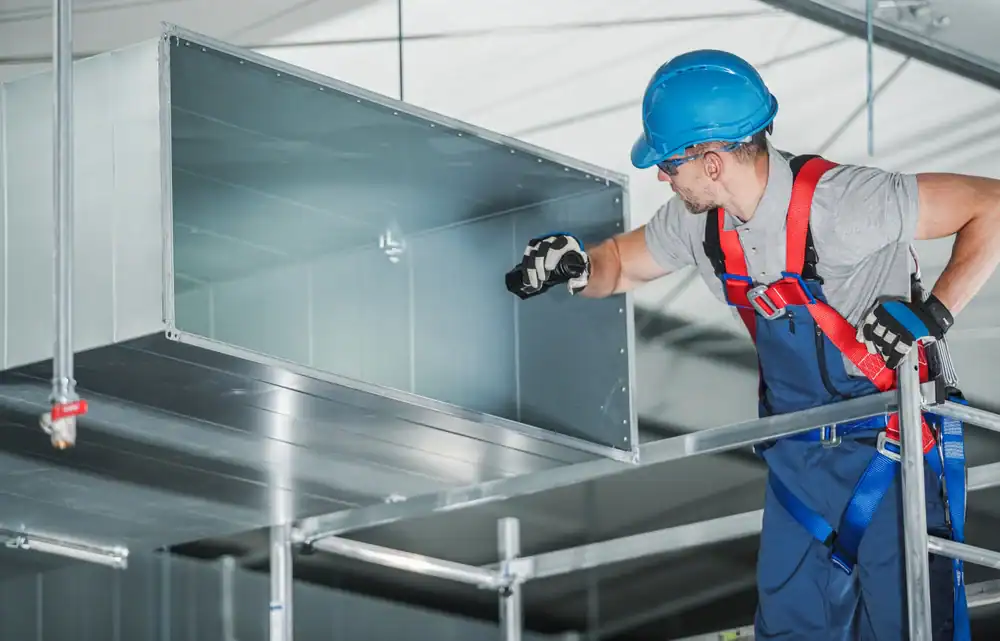
We start with an inspection. Before we touch anything, we walk through your system to see what’s actually going on—where buildup is worst, whether there’s mold or moisture, and what kind of debris we’re dealing with. You’ll know what we find and what we recommend before any work starts.
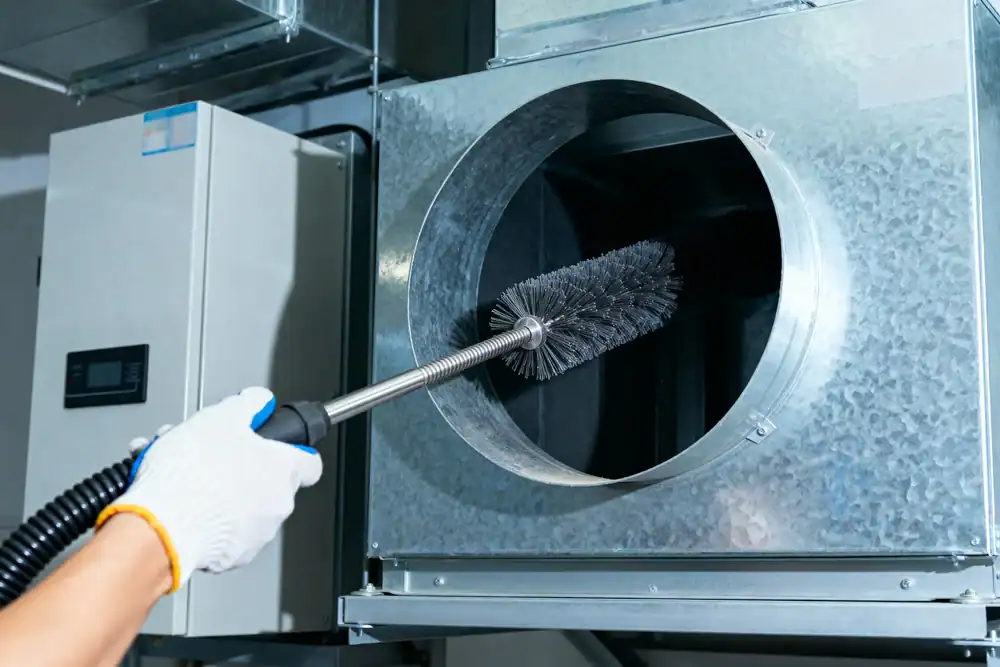
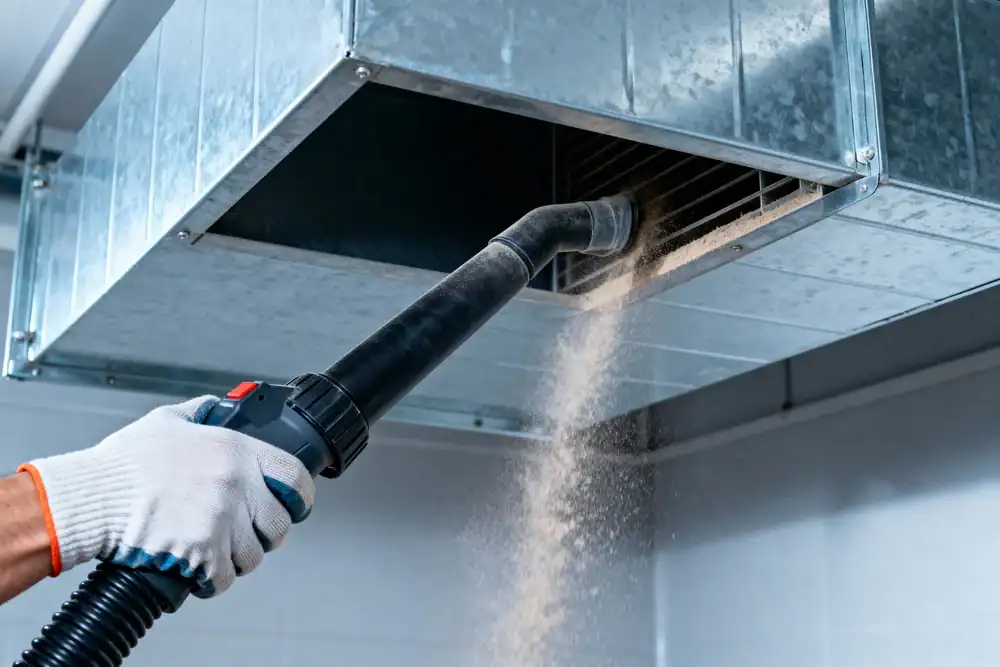
Once we’re clear to move forward, we seal off your ductwork in sections and connect our power vacuum truck. This creates negative pressure that pulls contaminants out of the system entirely—not into your building, not into the air, but into our equipment. We use rotating brushes and compressed air tools to dislodge buildup from duct walls, then extract everything through the vacuum line.
After the ducts are clear, we clean the air handler, check your filters, and inspect the system one more time to make sure airflow is where it should be. The whole process is designed to minimize downtime. Most commercial jobs are done in a day, and we work around your schedule whenever possible.
You’ll notice the difference as soon as your system cycles on. Airflow improves, temperatures even out, and the air just feels cleaner.
Ready to get started?
Our commercial duct cleaning service covers your entire HVAC air distribution system—not just the easy-to-reach sections. That includes supply and return ducts, registers, grilles, diffusers, and the air handler unit itself. We also inspect and clean coils, drain pans, and the blower motor if buildup is affecting performance.
In Stewarts Mill and surrounding areas, humidity creates the perfect environment for mold and mildew inside ductwork. If we spot growth during the inspection, we’ll treat affected areas with EPA-approved antimicrobial solutions. This isn’t an automatic upsell—it’s only recommended when there’s an actual problem.
We also check for leaks, disconnected ducts, and airflow restrictions that could be costing you money. If your system is losing conditioned air before it even reaches your workspace, you’re paying to heat or cool spaces that don’t matter. We’ll point out what needs attention and give you options—not pressure.
Every job ends with documentation. You’ll get a report that shows what was done, what we found, and when you should schedule your next cleaning. Most commercial properties in North Carolina benefit from cleaning every two to three years, but high-traffic facilities or buildings with specific air quality requirements may need it sooner.
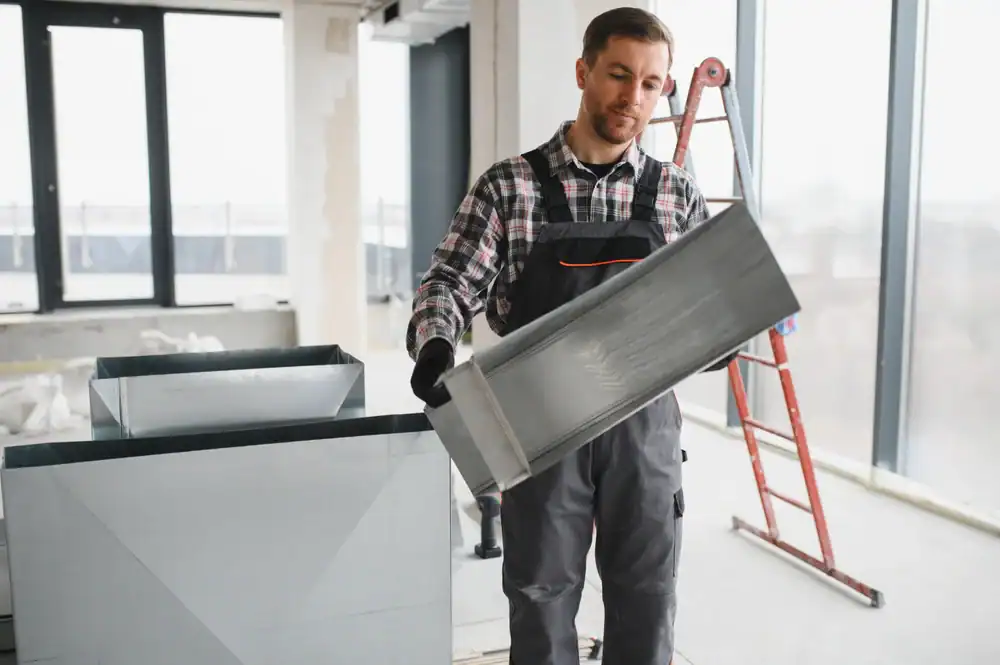
Pricing depends on the size of your building, how much ductwork you have, and how long it’s been since the last cleaning. A small office might run between $500 and $1,000. Larger facilities with complex HVAC systems can range from $2,000 to $5,000 or more.
We don’t give quotes over the phone because every building is different. What matters is square footage, the number of air handlers, accessibility, and the condition of your ducts. A system that hasn’t been cleaned in ten years takes longer than one that’s been maintained regularly.
We’ll come out, inspect your system, and give you a flat-rate price before we start. No surprises, no hourly billing that drags on. You’ll know exactly what it costs and what’s included before you decide.
The National Air Duct Cleaners Association recommends inspecting commercial ductwork annually and cleaning it every two to three years. That’s a good baseline, but your building might need it sooner depending on what’s happening inside.
If you’re in a high-traffic environment—retail, restaurants, medical offices—you’re pulling in more dust, debris, and contaminants. If your building has had water damage, a roof leak, or flooding, moisture in the ducts creates mold growth fast. If you’ve done renovations, construction dust gets everywhere, including your HVAC system.
You’ll know it’s time when energy bills creep up without explanation, employees complain about allergies or stuffiness, or your system struggles to keep temperatures consistent. Don’t wait until something breaks. Cleaning ducts before problems escalate saves money and keeps your system running longer.
Yes, but the savings depend on how clogged your system is right now. The U.S. Department of Energy estimates that up to 40% of heating and cooling energy is wasted when ducts are blocked by dirt and debris. Your HVAC system has to work harder to push air through, which means it runs longer and uses more power.
Clean ducts restore proper airflow. Your system doesn’t strain, it cycles less frequently, and it uses less energy to maintain the same temperature. Most businesses see a noticeable drop in monthly utility costs within the first billing cycle after cleaning.
The bigger savings come from avoiding early system replacement. When your HVAC works harder than it should, components wear out faster. Blower motors burn out, compressors fail, and you’re looking at repair bills that dwarf the cost of duct cleaning. Regular maintenance—including ductwork—extends the life of your equipment and keeps it running efficiently.
Most commercial jobs take between four and eight hours, depending on the size of your building and how much ductwork we’re cleaning. A small office with a single air handler might be done in half a day. A multi-story building with several HVAC zones can take a full day or longer.
We work around your schedule whenever possible. If you need us to come in after hours or on weekends to avoid disrupting business operations, we can make that happen. The goal is to get the job done without shutting down your workspace or inconveniencing employees and customers.
You don’t need to close your building while we work. We seal off sections as we clean them, so the rest of your HVAC system stays operational. There’s some noise from the vacuum truck and equipment, but it’s not louder than typical construction or maintenance work.
Commercial systems are bigger, more complex, and handle higher volumes of air. You’ve got multiple air handlers, longer duct runs, and more access points. The equipment we use has to be powerful enough to handle that scale—portable vacuums that work fine in a house won’t cut it in a commercial building.
Commercial ductwork also deals with different contaminants. Depending on your industry, you might have grease buildup from kitchens, chemical residue from manufacturing, or higher dust loads from retail traffic. We adjust our approach based on what’s in your system and what your building is used for.
The stakes are higher, too. Poor air quality in a commercial space affects employees, customers, and your liability. If someone gets sick because your building’s air is contaminated, that’s a risk no business should take. We treat commercial jobs with the attention they deserve—not as scaled-up residential work, but as a different service entirely.
You can’t clean commercial ductwork with a shop vac and a brush. The system is too large, the debris is too compacted, and you don’t have the equipment to create the negative pressure needed to extract contaminants without spreading them into your building.
Professional duct cleaning uses truck-mounted vacuums that generate enough suction to pull debris from deep inside the system. We also use specialized tools—rotary brushes, air whips, and inspection cameras—that reach areas you can’t access without tearing apart your ductwork. Trying to DIY it means you’ll move dust around, miss most of the buildup, and potentially damage your system in the process.
There’s also the safety factor. If there’s mold, asbestos insulation, or rodent contamination in your ducts, you need proper containment and disposal. Disturbing those materials without the right precautions creates health risks for everyone in the building. This is one of those jobs where hiring a professional isn’t optional—it’s the only way to do it right.