

Contact Info
- Greensboro, NC 27406
- Call: 336-707-0498
- Text: 336-707-0498
-
Mon - Fri: 8am - 4pm
Sat - Sun: Closed
Contact Info
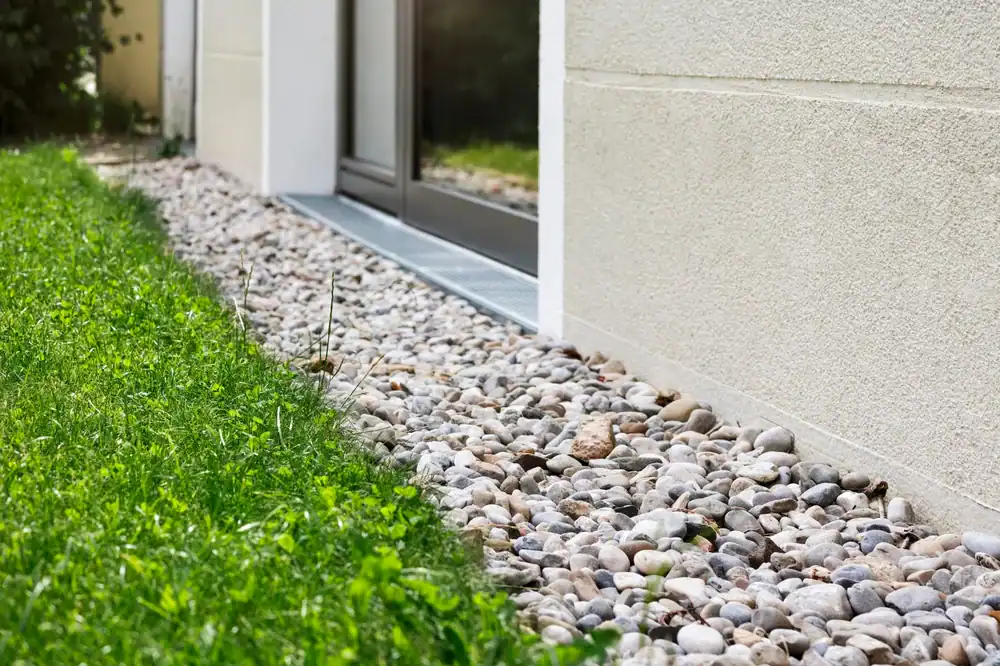
You stop seeing standing water pooling near your foundation after every storm. The soggy spots in your yard disappear. Your crawl space stays dry instead of turning into a breeding ground for mold and mildew.
North Carolina’s weather has changed. Storms dump more water in shorter timeframes than they used to, and our dense red clay soil can’t absorb it fast enough. That water has to go somewhere, and if you don’t control where it goes, it finds the path of least resistance—straight toward your foundation, into your crawl space, or flooding your basement.
A properly installed French drain intercepts that water before it becomes your problem. It redirects surface runoff and subsurface water away from vulnerable areas of your home. You’re not just fixing a drainage issue—you’re protecting your property value, preventing foundation cracks, and eliminating the moisture that leads to serious indoor air quality problems.
We’ve spent over 30 years helping homeowners in the Greensboro area solve moisture problems. We started with crawl space solutions and indoor air quality services because we understood one simple truth: water is the enemy of a healthy home.
French drain installation is a natural extension of what we already do. When you’re dealing with foundation moisture, crawl space dampness, or basement flooding risks, the solution starts outside—controlling water before it ever reaches your home. We know Stewarts Mill’s soil conditions, we understand how NC’s increasingly heavy rainfall patterns affect residential properties, and we’ve seen firsthand what happens when drainage problems go unaddressed.
You’re working with a local company that’s been here for decades, not a national franchise that doesn’t understand regional challenges.

We start with a property assessment to identify where water is collecting and where it needs to go. Every yard is different, and the solution depends on your specific grading, soil type, and problem areas.
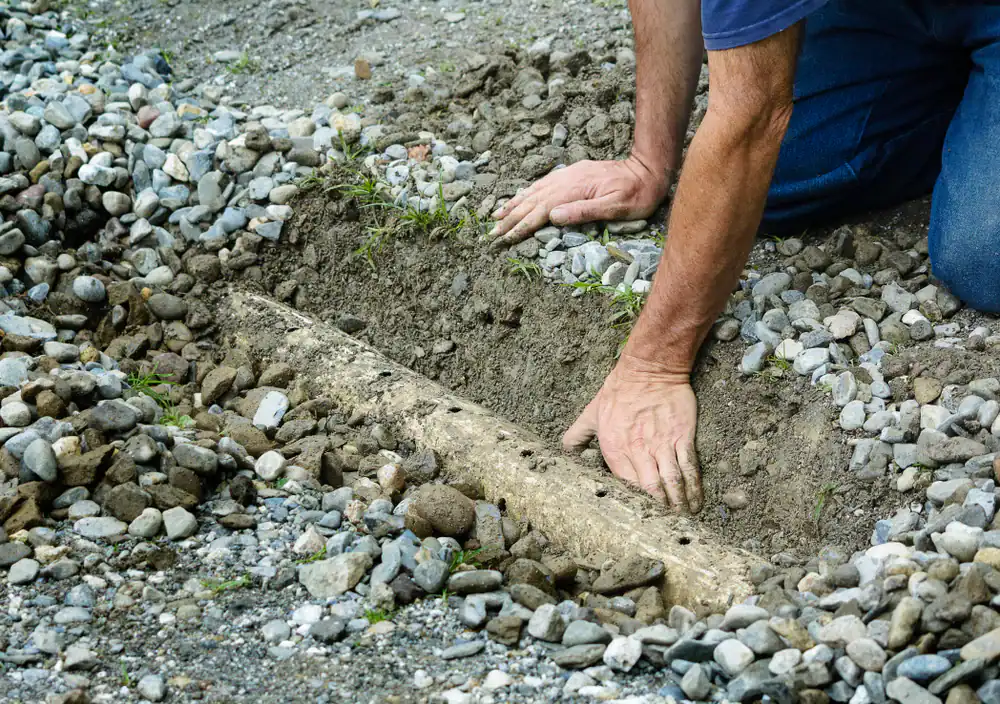
Once we map out the drainage plan, we trench along the route where the French drain will run. The trench depth and location depend on whether we’re addressing surface drainage or deeper subsurface water issues. We’re typically looking at 18 to 24 inches deep for most residential applications.
We line the trench with filter fabric, add a layer of gravel, install perforated pipe, then cover it with more gravel before wrapping the fabric over the top. This prevents soil and debris from clogging the system while allowing water to flow freely into the pipe. The pipe carries water away to a safe discharge point—usually a drainage ditch, dry well, or area where runoff won’t cause problems.
If your downspouts are contributing to the issue, we can tie them into the French drain system so roof runoff gets directed away from your foundation too. The whole installation is typically completed in a day or two depending on the scope, and you’re left with a system that works passively—no moving parts, no energy costs, just gravity doing its job every time it rains.
Ready to get started?
Our French drain installation includes the full system: trenching, filter fabric, quality perforated pipe, proper grading, and gravel bedding. We’re not cutting corners with shallow trenches or skipping the fabric wrap that keeps your drain functional for years.
You also get a drainage plan designed specifically for Stewarts Mill conditions. Our red clay soil doesn’t drain like sandy soil does. Heavy summer thunderstorms and prolonged winter rain events mean your drainage system needs to handle high volumes quickly. We account for that when we size your system and plan the route.
If you’re dealing with multiple issues—standing water in the yard, a wet crawl space, and basement seepage—we can design a comprehensive solution that addresses all of it. French drains work well alongside other waterproofing measures, and since we already specialize in crawl space moisture control, we understand how these systems work together.
Climate data shows North Carolina is seeing more frequent heavy rainfall events, and that trend is expected to continue. What used to be a 100-year flood is happening more often. Installing proper drainage now means you’re prepared for the weather patterns we’re actually experiencing, not the historical averages that no longer apply.

Most residential French drain projects in the Stewarts Mill area run between $2,500 and $5,000 depending on the length of the run and site conditions. You’re typically looking at $23 to $36 per linear foot for a standard installation.
The price varies based on how much trenching is required, how deep we need to go, and whether we’re working around obstacles like tree roots, existing utilities, or difficult terrain. A simple 60-foot drain along one side of your house costs less than a comprehensive system that wraps around your foundation and ties in multiple downspouts.
We give you a clear estimate upfront after assessing your property. No surprise charges, no vague ranges—you know what you’re paying before we start digging.
A properly installed French drain can last 30 to 40 years or more with minimal maintenance. The key is correct installation from the start—using quality materials, proper grading, and adequate filter fabric to prevent clogging.
The perforated pipe itself doesn’t wear out. What can shorten a system’s lifespan is poor installation: inadequate fabric wrapping that lets soil infiltrate the gravel bed, incorrect slope that doesn’t move water efficiently, or using the wrong type of gravel. When those mistakes happen, you get clogs and failures within a few years.
We install systems that last because we do it right the first time. That means you’re making a one-time investment that protects your home for decades, not a temporary fix that fails after the next heavy storm season.
If your basement flooding is caused by exterior water pressure pushing against your foundation, a French drain is one of the most effective solutions. It reduces hydrostatic pressure by intercepting groundwater before it reaches your foundation walls.
However, if you’re dealing with a high water table or water coming up through the basement floor, you might need an interior drainage system or sump pump in addition to exterior drainage. We’ll assess your specific situation and tell you honestly what will and won’t work.
The majority of basement water issues in Stewarts Mill homes come from surface water and shallow groundwater—exactly what French drains are designed to handle. When we redirect that water away from your foundation, the pressure on your basement walls drops significantly, and water intrusion stops.
Permit requirements vary by jurisdiction, but most residential French drain installations in the Stewarts Mill area don’t require a permit if you’re keeping the drainage on your own property and not altering municipal stormwater systems.
If your French drain will discharge into a street, storm sewer, or neighboring property, you’ll likely need approval. Same goes if you’re doing major grading work or installing a drain near a septic system. We help you navigate those requirements and handle permit applications when necessary.
The important thing is making sure your drainage solution is legal and won’t cause problems for your neighbors or violate local stormwater ordinances. We’ve been doing this in the Greensboro area for over 30 years—we know what’s allowed and what isn’t.
Yes, but it requires careful planning to avoid interfering with your septic drain field. French drains and septic systems can coexist on the same property as long as the drainage routes are properly separated.
We need to know where your septic tank and drain field are located before we design your French drain system. The last thing you want is a French drain that saturates your drain field or compromises how your septic system processes wastewater. We’ll route the drainage to discharge in an area that doesn’t affect septic function.
In some cases, we can actually help improve conditions around a septic system by redirecting surface water that’s oversaturating the area. It’s all about understanding how water moves across your property and designing a system that works with your existing infrastructure, not against it.
Very little if it’s installed correctly. French drains are passive systems with no moving parts—they just work. Your main maintenance task is keeping the discharge point clear of debris and checking occasionally to make sure water is flowing freely.
If you tied downspouts into the system, clean your gutters regularly so leaves and debris don’t wash into the drain lines. Every few years, you might want to flush the system with a garden hose to clear any sediment buildup, but that’s optional for most residential installations.
The filter fabric and gravel bed we install during construction prevent soil from clogging the pipe, which is why proper installation matters so much. When corners get cut—thin gravel layers, no fabric, poor-quality pipe—you end up with maintenance headaches and early system failure. Do it right once, and you shouldn’t have to think about it again for decades.