

Contact Info
- Greensboro, NC 27406
- Call: 336-707-0498
- Text: 336-707-0498
-
Mon - Fri: 8am - 4pm
Sat - Sun: Closed
Contact Info
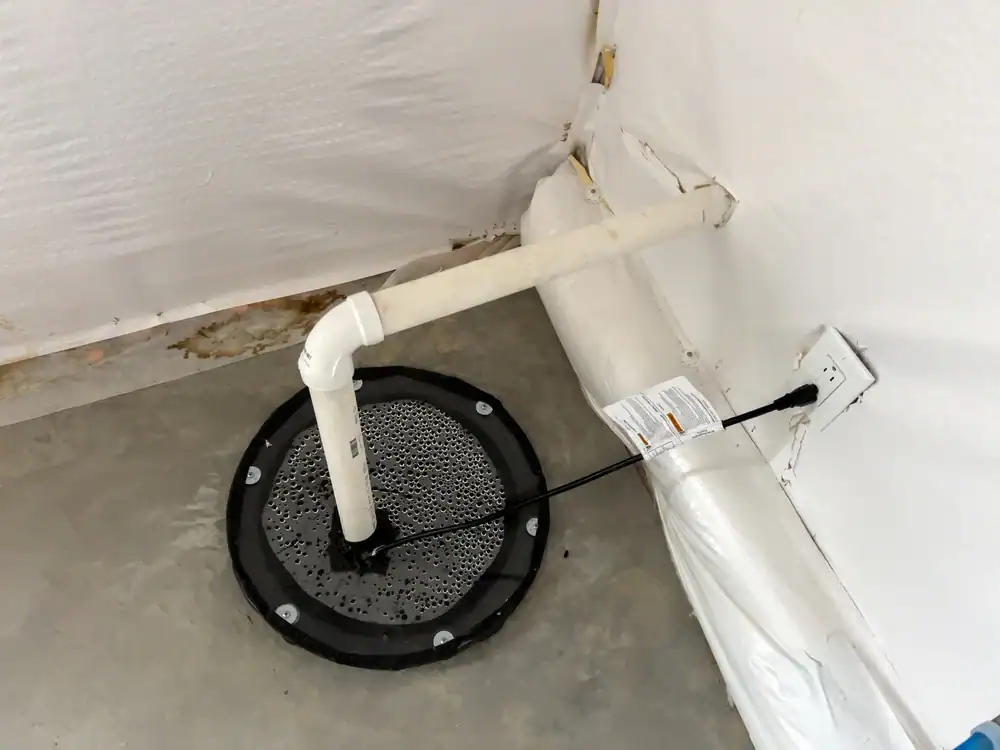
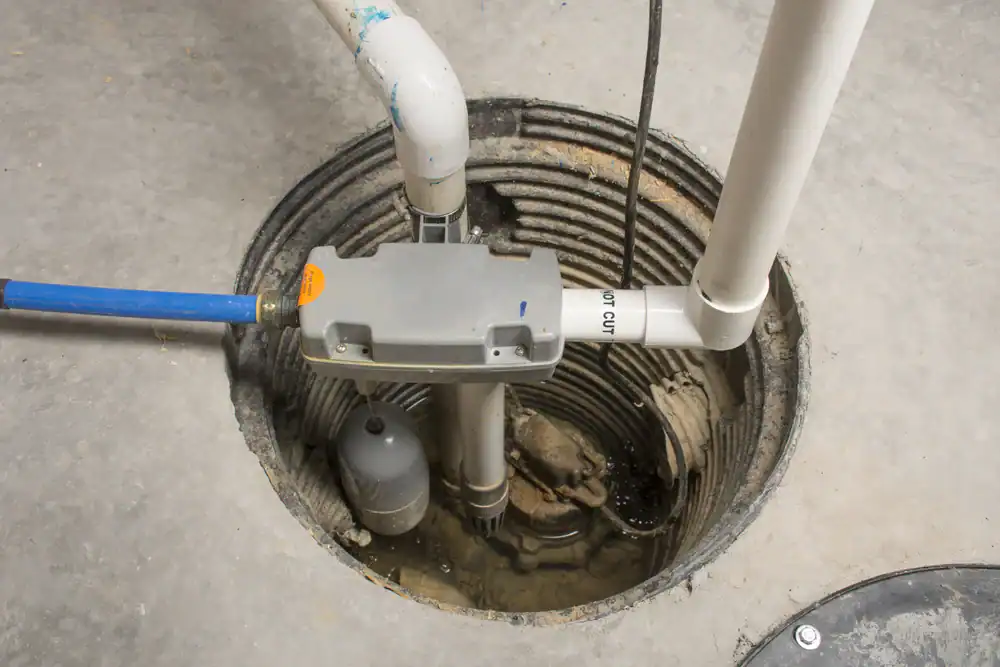
You’re not worrying about the forecast anymore. Heavy rain doesn’t mean racing home to check the basement or moving everything off the floor just in case.
Your sump pump turns on when it’s supposed to. It pushes water out before it becomes a problem. You sleep through storms without wondering if you’ll wake up to a flooded basement and ruined belongings.
That’s what a properly functioning system does. It removes the anxiety that comes with every weather alert. No standing water. No musty smell creeping up from downstairs. No scrambling to salvage what you can while water keeps rising.
When your pump fails, you’re looking at thousands in damage within hours. Carpet, drywall, furniture, and anything stored in your basement becomes a loss. Then there’s mold, which turns a bad situation into a health hazard that costs even more to remediate.
A working sump pump means your home stays protected, your belongings stay safe, and you don’t lose sleep every time the radar lights up red.
We’ve spent over 30 years helping homeowners in Mount Zion and the greater Greensboro area protect their properties from water damage. We’ve seen what North Carolina’s clay soil and unpredictable storms do to sump pumps, and we know how to fix them fast.
We’re BBB accredited and NADCA members because standards matter when you’re trusting someone with your home’s foundation. But what really matters is showing up when your pump quits at 2 a.m. during a downpour.
Mount Zion sits in an area where water tables shift and heavy rains hit hard. You need someone who understands local conditions and can diagnose the real problem, not just swap parts and hope it works. That’s what three decades of experience gets you.
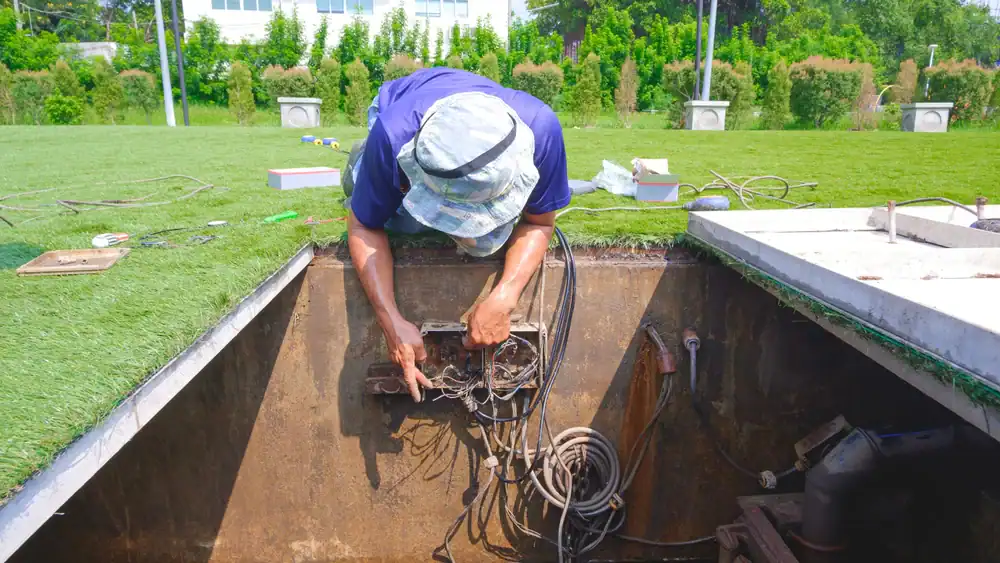
You call or contact us, and we ask a few quick questions to understand what’s happening with your pump. Is it making noise? Not turning on? Running constantly? That helps us know what to bring and how urgent the situation is.
We schedule a time that works for you, or if it’s an emergency, we come out right away. Most sump pump failures don’t wait for business hours, so neither do we.
When we arrive, we inspect your entire system. The pump itself, the float switch, the discharge line, the sump pit, and the power supply. A lot of times, what seems like a dead pump is actually a stuck switch or a clogged line. Other times, the pump has burned out from overwork or age.
We explain what we find in plain terms. No jargon, no upselling. If it’s a simple fix, we tell you. If you need a replacement, we explain why and what your options are. Most repairs get done the same day.
Once the work is finished, we test everything to make sure water is moving out like it should. Then we walk you through basic maintenance so you can catch small issues before they become big problems.
Ready to get started?
Sump pump repair isn’t just about the pump. It’s about the whole system working together to move water away from your foundation.
We handle everything from diagnosing why your pump isn’t kicking on to clearing out sump pits filled with sediment from Mount Zion’s clay-heavy soil. Clogs in the discharge line are common here, especially after storms when debris gets pulled into the system. We clear those and make sure water has a clear path out.
If your float switch is sticking or your check valve is failing, we fix or replace them. These small components cause most of the problems homeowners face, and they’re usually quick repairs if caught early.
For pumps that have reached the end of their lifespan, we handle sump pump installation and sump pump replacement. We’ll recommend the right size and type for your home, whether that’s a pedestal or submersible model, and whether you’d benefit from a battery backup system for power outages.
We also offer sump pump maintenance to extend the life of your system. Regular sump pit cleaning and inspections catch problems before they leave you vulnerable during the next heavy rain. In North Carolina, where storms can drop inches of rain in hours, that kind of prevention matters.

Most sump pump repairs in the Mount Zion area run between $200 and $870, depending on what’s wrong. A stuck float switch or clogged discharge line sits on the lower end. A burned-out motor or failed check valve costs more.
Emergency repairs after hours add about $50 to $150 to the total, but that’s a small price compared to the thousands you’d spend on water damage if you wait until morning. We give you a clear estimate before we start any work, so there’s no surprise when the job’s done.
If your pump is old and failing frequently, replacement might make more sense than another repair. A new sump pump installation typically costs less than dealing with repeated breakdowns and the risk of flooding between service calls.
Strange noises are usually the first warning. If your pump sounds like it’s grinding, rattling, or running louder than normal, something’s wearing out or something’s stuck inside.
A pump that runs constantly means it’s not keeping up with water flow, or the float switch isn’t telling it to shut off. Either way, it’s working too hard and will burn out soon. On the flip side, a pump that doesn’t turn on at all when water enters the pit is an obvious problem, usually related to power supply or a bad switch.
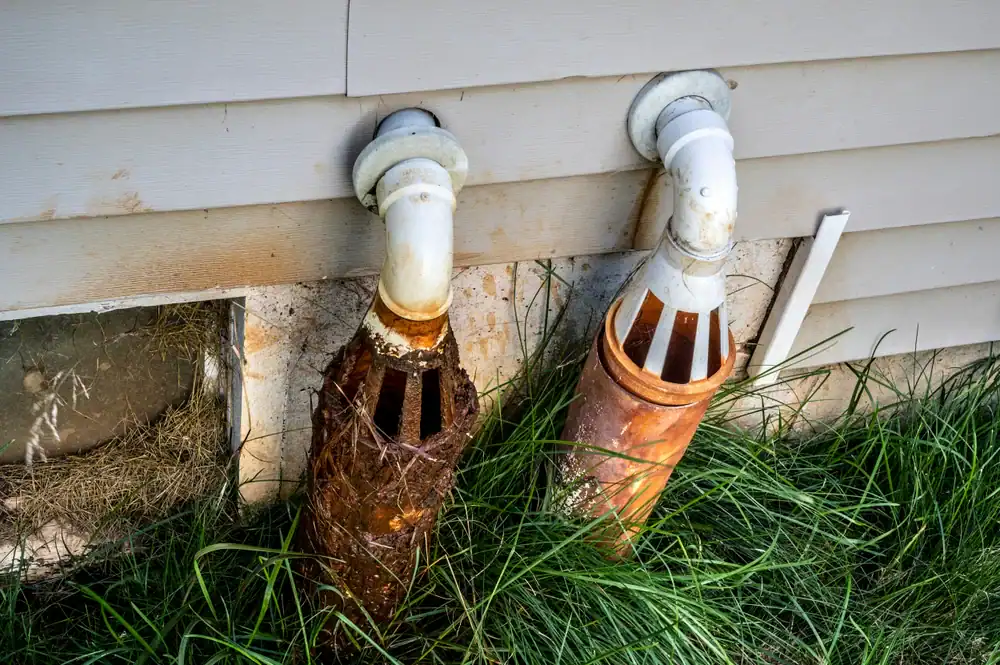
You might also notice water pooling around the sump pit or a musty smell coming from your basement. Both mean water isn’t getting pumped out like it should. Visible rust or corrosion on the pump is another red flag that it’s nearing the end of its life. Most sump pumps last seven to ten years with regular maintenance, so if yours is older than that and acting up, replacement is probably smarter than repair.
Yes. Sump pumps don’t fail on a schedule, and neither do North Carolina storms. When your pump quits during a downpour at midnight, waiting until morning isn’t an option.
We’re available around the clock because we know what’s at stake. A few hours of water intrusion can cause damage that takes weeks and thousands of dollars to fix. Calling an emergency plumber right when you notice the problem is always cheaper than dealing with the aftermath.
We’ve responded to plenty of calls during hurricanes, summer thunderstorms, and winter thaws when basements across Mount Zion are at highest risk. Fast response matters, and we treat every emergency call with the urgency it deserves.
Once a year, ideally before spring when North Carolina’s heavy rains start. March through September is when your sump pump works hardest, so you want to catch any issues in late winter before you actually need it.
An annual inspection includes testing the pump, checking the float switch, clearing the sump pit of any sediment or debris, and making sure the discharge line isn’t blocked. It’s also a good time to test your battery backup if you have one.
Regular sump pump maintenance costs between $100 and $250 per year, which is a fraction of what you’d pay for emergency repairs or water damage cleanup. Most homeowners skip this until something goes wrong, but the ones who stay on top of it rarely deal with surprise failures during critical moments.
If you’ve had flooding issues in the past or your pump runs frequently during storms, you might want to check it twice a year just to be safe.
Absolutely. Battery backup systems are one of the smartest upgrades you can make, especially in Mount Zion where summer storms knock out power regularly.
Your sump pump runs on electricity, so when the power goes out during a storm, it stops working right when you need it most. A battery backup kicks in automatically and keeps pumping water out until power is restored.
We install backup systems that can handle several hours of continuous pumping, which covers most outage situations. Some homeowners also opt for water-powered backups that use municipal water pressure instead of batteries, though those aren’t ideal for every situation.
The installation process is straightforward and usually takes a few hours. It’s an extra cost upfront, but it eliminates the single biggest vulnerability in your basement waterproofing setup. If you’ve ever lost power during a storm and watched water creep across your basement floor, you already know why this matters.
Mount Zion’s clay soil is a big factor. Clay holds water and breaks down into fine sediment that gets pulled into sump pits, clogging pumps and discharge lines faster than in areas with sandier soil.
Power outages during storms are another common cause. When your pump can’t run during the heaviest rain, water overwhelms the system even if the pump itself is fine. That’s why battery backups are so popular here.
Pumps also burn out from overuse when they’re undersized for the amount of water they’re handling. North Carolina’s unpredictable weather means your pump might sit idle for weeks, then run nonstop during a multi-day storm. That kind of stress wears out motors, especially on older units.
Float switches get stuck from debris or mineral buildup, which is common in areas with hard water. And discharge lines freeze during winter cold snaps if they’re not installed properly, causing backups that flood basements or burn out pumps trying to push water through ice.