

Contact Info
- Greensboro, NC 27406
- Call: 336-707-0498
- Text: 336-707-0498
-
Mon - Fri: 8am - 4pm
Sat - Sun: Closed
Contact Info
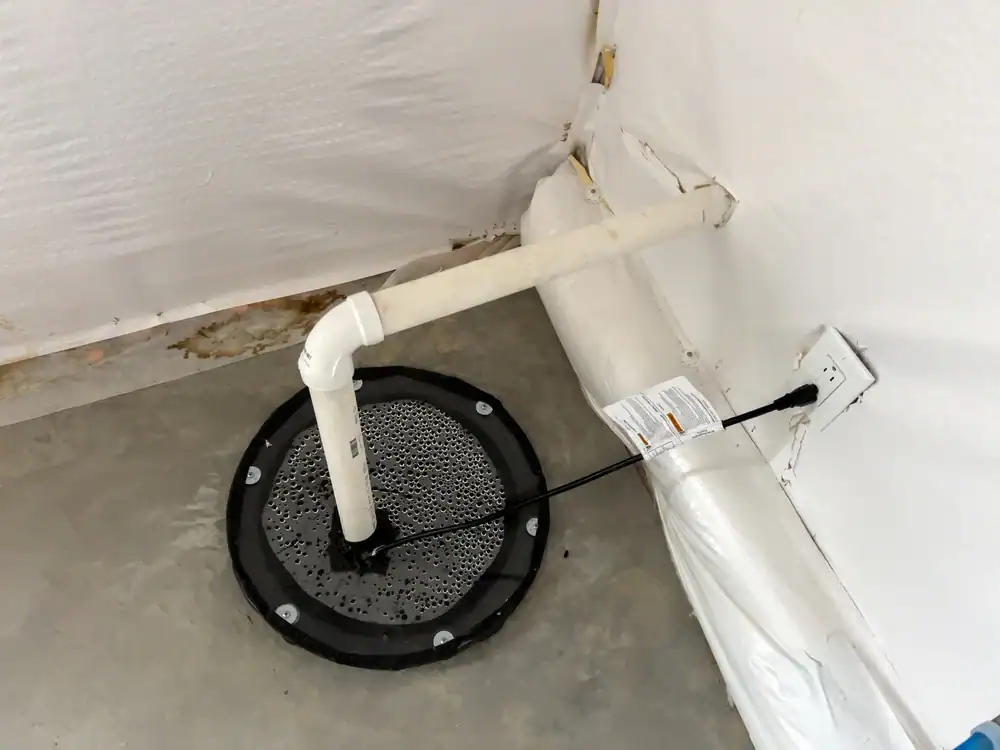
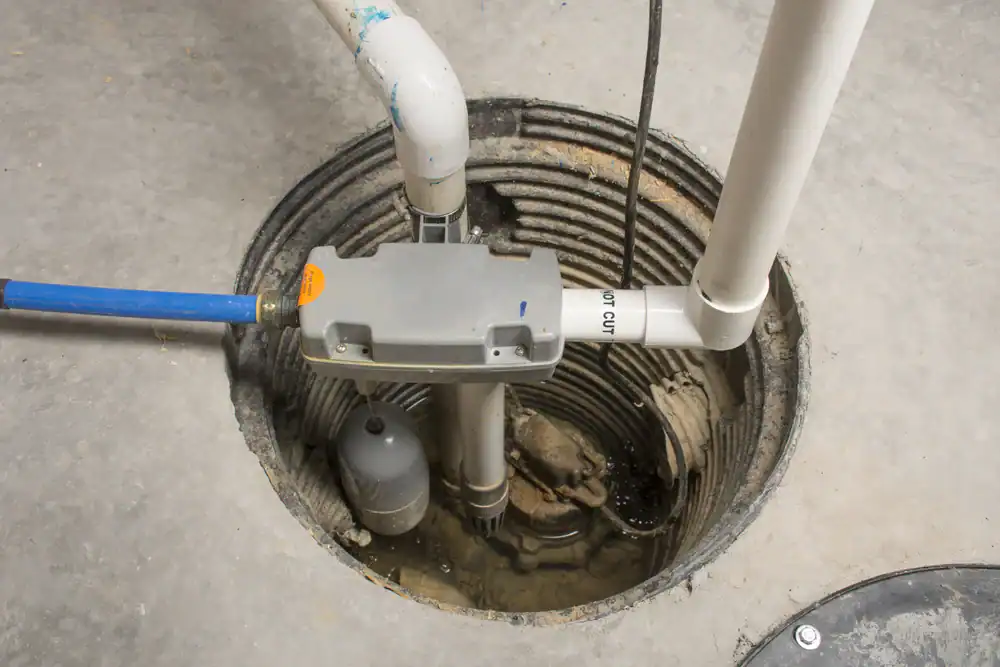
Your sump pump sits in your basement doing nothing until the moment you need it most. Then it either works or it doesn’t.
When it works, water gets pumped out before it spreads across your floor. Your stored items stay dry. Your foundation doesn’t sit in standing water. You don’t spend the next week ripping out drywall or dealing with mold.
When it doesn’t work, you’re looking at thousands in damage from just a few inches of water. North Carolina homeowners know this reality. Between hurricane season and spring storms that drop several inches in hours, your pump isn’t optional equipment.
The difference between a working pump and a failed one is usually maintenance you didn’t know you needed or a problem that started small. A clogged intake screen. A float switch that sticks. A discharge line that froze last winter and cracked. Most failures are preventable if someone actually looks at the system before the next big rain.
We started in this area over 30 years ago working on air quality and moisture control. Sump pumps became part of what we do because they’re directly connected to the crawl space and basement moisture issues we were already solving.
We’re not a plumbing company that added pumps as a side service. We’re moisture control specialists who understand how water moves through your property and what happens when it doesn’t leave. That perspective changes how we approach repairs.
Ogburns Crossroads sits in an area where spring storms and tropical systems bring serious rainfall. We’ve seen what happens to homes when drainage systems fail. The calls we get after heavy rain aren’t surprises. They’re predictable results of systems that weren’t maintained or weren’t sized right to begin with.
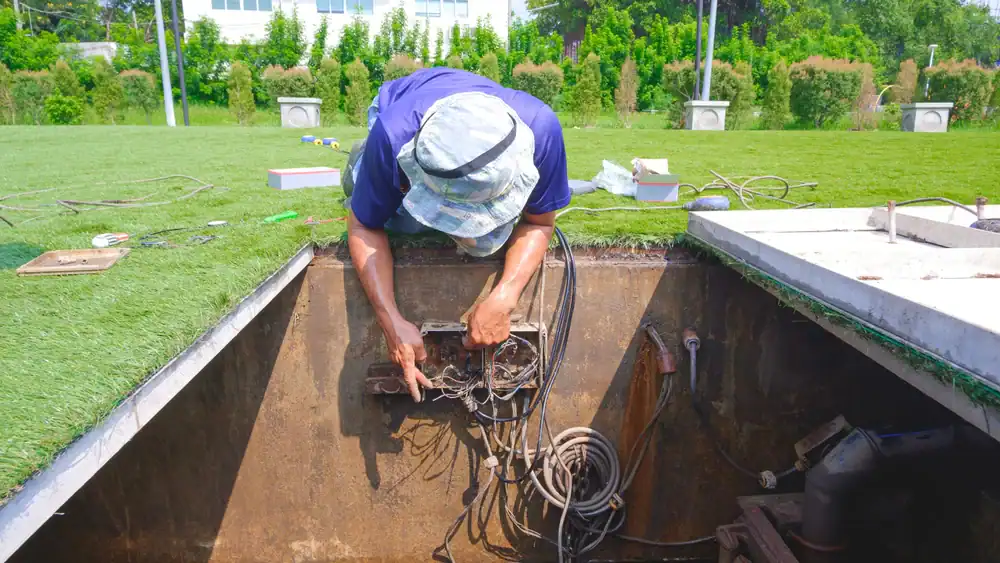
You call because your pump isn’t working or you heard a noise that doesn’t sound right. We schedule a time to come look at it. Usually same-day or next-day depending on whether water is actively coming in.
When we get there, we check the obvious stuff first. Is it getting power? Is the float switch moving freely? Is the discharge line clear? Most problems show up in this first look.
If the pump is running but not moving water, we pull it out and check the impeller and intake screen. Debris gets in there more often than you’d think. Small rocks, sediment, anything that washes into the pit.
If the pump won’t run at all, we test the switch and the motor. Sometimes it’s a simple reset. Sometimes the motor burned out and you need a replacement. We tell you what we find and what it costs to fix before we do the work.
For sump pump installation or replacement, we measure your pit, check how much water you’re dealing with, and recommend a pump that actually fits your situation. Not the cheapest option. Not the most expensive. The one that makes sense for your basement and your water volume.
After the repair or installation, we test it with water to make sure it kicks on when it should and shuts off when the pit empties. Then we walk you through what to watch for and when to call us back.
Ready to get started?
Every sump pump repair starts with figuring out why it’s not working. We inspect the pump, the pit, the discharge line, and the power supply. You get a clear explanation of the problem and the cost to fix it.
If your pump needs replacement, we help you pick the right size and type. Submersible or pedestal. Primary pump or battery backup system. Capacity matters in this area because Forsyth County can get hit with heavy rain fast. Your pump needs to keep up with the inflow or you’re still going to flood.
We also clean out sump pits during service calls. Sediment builds up over time and reduces how much water your pit can hold before the pump kicks on. A clean pit gives you more buffer time during heavy storms.
For Ogburns Crossroads homeowners, battery backup systems make sense. When storms knock out power, your standard electric pump stops working right when you need it most. A backup system keeps running even when the lights go out. We install and service both types.
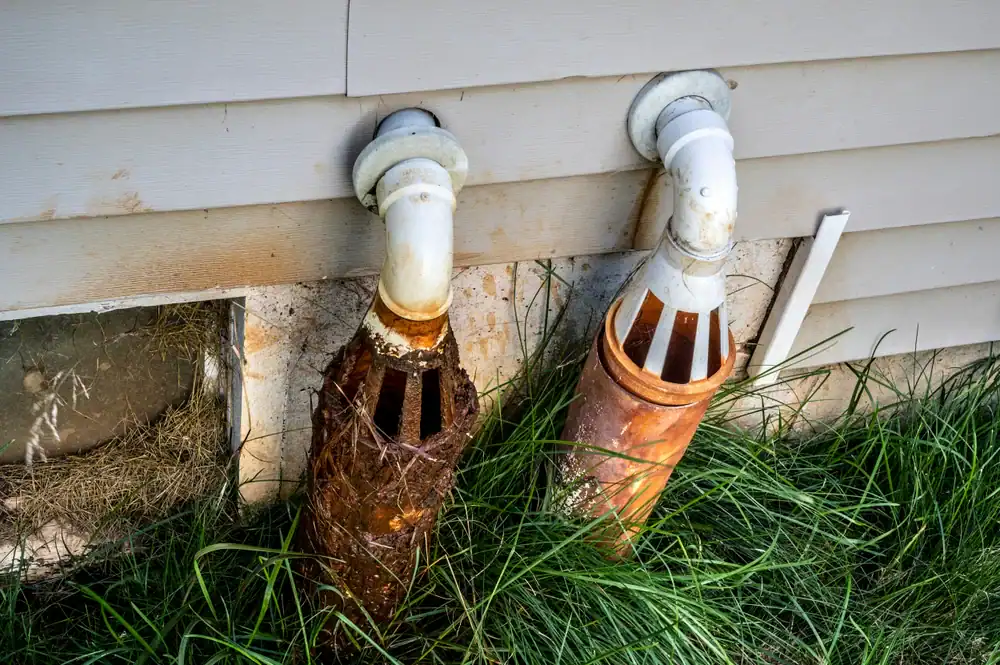
Maintenance visits catch problems early. We check the float switch operation, test the pump under load, inspect the check valve, and clear the discharge line. Most emergency calls we get are from pumps that haven’t been looked at in years. Regular sump pit cleaning and inspection prevent most failures.

If your pump is making loud grinding noises, running constantly without shutting off, or not turning on when water enters the pit, something’s wrong. These are the most common signs that you need a repair call.
Age matters too. Most sump pumps last around ten years with regular use. If yours is older than that and starting to act up, replacement usually makes more sense than repair. Older pumps are more likely to fail during the next big storm, which is the worst possible time to find out your equipment doesn’t work.
Sometimes the pump itself is fine but other parts of the system failed. A stuck float switch, a clogged discharge line, or a failed check valve can all make it seem like your pump is broken when the actual fix is simpler. We check the whole system to find the real problem before recommending a replacement.
Power outages are the number one reason pumps fail when you need them most. The same storm that’s dumping rain into your basement is also knocking out electricity. Your pump stops working right when water is coming in fastest.
The second most common cause is an overwhelmed pump. If your pump is undersized for the amount of water your property deals with, it can’t keep up during heavy rainfall. It runs constantly, overheats, and burns out. This happens a lot in North Carolina during tropical systems that drop inches of rain in a short window.
Clogs and mechanical failures spike during storms because the pump is working harder than normal. Debris that’s been sitting in your pit gets pulled into the intake. Float switches that were sticking occasionally now stick when it matters. Discharge lines that were partially blocked finally freeze up completely under heavy flow. Most of these problems were developing for weeks or months before the storm exposed them.
Once a year is the standard recommendation, ideally before spring storm season. That’s when we see the most rainfall in this area and when most pumps fail.
During a maintenance visit, we test the pump by pouring water into the pit to make sure it activates at the right level and shuts off completely when the water is gone. We check that the float moves freely and isn’t catching on anything. We inspect the discharge line for clogs or damage. We clean out sediment from the pit.
If you have a battery backup system, annual service is even more important. Backup batteries need testing to make sure they’ll actually work during a power outage. A backup system that hasn’t been checked in two years probably won’t save you when the power goes out during a hurricane.
Between service visits, you should test your pump yourself every few months. Pour a bucket of water in the pit and watch it turn on and pump out. Takes two minutes and tells you if something’s wrong before you’re dealing with an emergency.
If you live in an area that loses power during storms, yes. A battery backup system keeps your pump running when the electricity goes out.
In Ogburns Crossroads and the surrounding area, we lose power fairly regularly during severe weather. Trees come down on lines. Substations get overwhelmed. The power company is usually pretty quick about repairs, but even a few hours without a working pump can flood your basement if it’s raining hard enough.
Battery backup systems aren’t cheap, but they’re a lot cheaper than water damage. Two inches of water in a 2,500 square foot home causes over $25,000 in damage according to FEMA estimates. That’s just two inches. A backup system costs a fraction of that and works when your primary pump can’t.
The battery needs maintenance and eventual replacement, usually every few years depending on how often it runs. But the peace of mind during storm season is worth it for most homeowners who’ve dealt with flooding before.
Repair means we fix what’s broken and your existing pump keeps working. Replacement means we pull out the old pump and install a new one.
We recommend repair when the problem is something specific and fixable. A clogged impeller, a stuck float switch, a damaged discharge line. These are repairs that cost less than a new pump and get you back to a working system quickly.
We recommend replacement when the pump itself is failing. Burned out motor, cracked housing, worn impeller that’s not moving water efficiently anymore. Also when your pump is old and starting to have multiple issues. At that point you’re better off with new equipment than paying for repairs every few months.
Sometimes we replace a pump that’s technically still working because it’s undersized for your needs. If you’re flooding even when your pump runs, you don’t have a broken pump. You have the wrong pump. Upgrading to higher capacity solves the problem permanently.
During business hours, we respond the same day for emergencies where water is actively coming in. If your pump failed overnight or on a weekend, call us first thing in the morning and we’ll get someone out as fast as we can.
What counts as an emergency is pretty straightforward. Water is entering your basement faster than it’s leaving, or your pump isn’t running at all during active rainfall. Those situations need immediate attention before you’re dealing with serious flooding.
If your pump is making a weird noise but still working, or you noticed it’s not shutting off like it should, that’s urgent but not quite an emergency. We’ll still prioritize getting out to you quickly, usually within a day or two, because those problems tend to get worse fast.
The best time to call is before the emergency happens. If you hear your pump struggling during a regular rain, don’t wait until the next big storm to have us look at it. Catching problems early means we can schedule a normal service call instead of rushing out during a crisis when everyone else’s pumps are failing too.