

Contact Info
- Greensboro, NC 27406
- Call: 336-707-0498
- Text: 336-707-0498
-
Mon - Fri: 8am - 4pm
Sat - Sun: Closed
Contact Info
Your sump pump fails during the worst possible moment—middle of a storm, power’s out, water’s rising. You’re not thinking about long-term home value. You’re thinking about the next hour.
Here’s what changes when your system actually works. Your basement stays dry during heavy rain. Your foundation doesn’t crack from hydrostatic pressure. You don’t smell that musty odor that means mold is growing behind your walls. Your homeowners insurance doesn’t get a claim that could raise your rates or get you dropped.
FEMA says two inches of water in a 2,500-square-foot home causes over $26,000 in damage to your property and belongings. Most policies won’t cover the sump pump replacement itself—just the damage it causes when it fails. That’s backwards, but that’s how it works.
A working system means you’re not scrambling for an emergency plumber at 2 AM when everyone’s booked and prices double. It means your crawl space isn’t turning into a swamp that attracts pests and rots your floor joists. It means you can actually use your basement for storage or living space instead of treating it like a flood zone.
We’ve been working in the Greensboro area since the early 1990s. We’ve seen what North Carolina storms do to homes in Troxlers Mill—the flash flooding, the saturated clay soil that won’t drain, the crawl spaces that fill up faster than you’d think possible.
We’re NADCA certified with an A+ BBB rating. Our trucks carry the parts that actually fail on most systems, so we’re not making multiple trips while your basement floods. Rick Watson holds ASCS and CVI certifications. We’re licensed, insured, and we’ve been your neighbors for over 30 years.
You’re not getting a national franchise that doesn’t know local soil conditions. You’re getting people who’ve worked on hundreds of homes within a few miles of yours and know exactly what fails and why.
When you call, we ask about your immediate situation. Is water coming in right now? Is the pump making noise? When did it last work? That tells us what we’re walking into and what parts to grab.
We show up—usually same day for emergencies—and test the system first. Float switch, check valve, discharge line, backup power if you have it. Most failures come from a stuck float switch, a clogged discharge line, or a pump that’s simply reached its 7-10 year lifespan. We find the actual problem, not the symptom.
Then we explain what’s broken and what it costs to fix. If you need sump pump replacement instead of repair, we tell you why. If your sump pit needs cleaning because it’s full of sediment, we handle that too. We test everything before we leave—run water into the pit, watch it cycle, make sure it’s actually pumping out.
You get a written warranty. We show you how to test it yourself between service calls. And if it fails again, you have our number. Most sump pump repairs take a few hours unless we’re doing a full installation, which takes longer but still usually happens in one day.
Ready to get started?
Every sump pump repair starts with diagnostics. We’re testing the float mechanism, inspecting the impeller for debris, checking the check valve that prevents backflow, and making sure your discharge line isn’t frozen or clogged. In Troxlers Mill, we see a lot of failures from power outages during storms—the exact time you need the pump working.
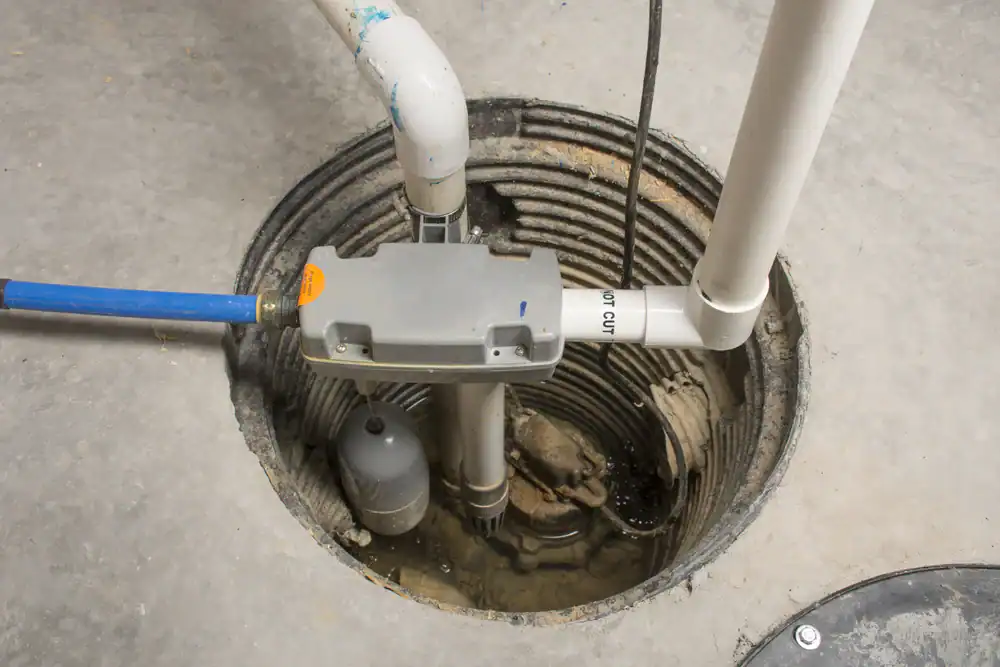
If you need a new pump, we’ll install submersible or pedestal models depending on your sump pit depth and budget. Submersible pumps sit underwater and run quieter. Pedestal pumps cost less and last longer because the motor stays dry. We’ll tell you which makes sense for your situation.
North Carolina gets hit with spring and summer storms that dump water faster than soil can absorb it. Charlotte’s clay soil is everywhere around here, and it doesn’t drain—it just holds water against your foundation until it finds a way in. That’s why backup power matters. We can add battery backup systems so your pump works even when the power doesn’t.
We also clean sump pits. Sediment builds up over time and clogs the system. We remove it, test the pump cycle, and make sure water’s actually discharging away from your foundation—not just pumping it back toward your house where it seeps right back in.

Most sump pump repairs run between $200 and $870 depending on what’s broken. A stuck float switch or clogged discharge line costs less to fix than a burned-out motor or cracked pump housing.
Emergency repairs cost more—expect to pay $50 to $150 extra for after-hours service. But that’s still cheaper than flood damage. Two inches of water in your basement can cause over $26,000 in damage to your home and belongings according to FEMA estimates.
If your pump is near the end of its 7-10 year lifespan, replacement makes more sense than repair. A new pump installation typically costs more upfront but gives you years of reliable service and a warranty. We’ll tell you honestly whether repair or replacement makes financial sense based on your pump’s age and condition.
Yes. When your sump pump fails during a storm, you need help now—not next Tuesday. We offer 24/7 emergency service because sump pump failures don’t wait for business hours.
About 58% of homeowners need sump pump repairs within 1-2 days, and most of those are actual emergencies with water actively coming into the basement. We keep commonly needed replacement parts stocked in our service vehicles so we can fix most problems in one visit.
Same-day service is standard for emergencies. We prioritize active flooding situations because every hour of water intrusion causes more damage to your foundation, walls, flooring, and stored belongings. Call us when it happens, and we’ll get someone to your Troxlers Mill home as fast as we can.
You should test your sump pump every 3-4 months by pouring water into the pit and watching it cycle. That tells you the float switch works and the pump actually turns on. Most people don’t do this until something goes wrong.
Professional sump pump maintenance should happen annually, ideally before spring storm season when you’ll need it most. We’ll clean the sump pit, test the check valve, inspect the discharge line for clogs or freezing damage, and verify the pump cycles correctly under load.
If you have a battery backup system, those batteries need checking too. They don’t last forever—usually 3-5 years depending on how often they run. Regular maintenance catches small problems before they become expensive emergencies. It’s a lot cheaper to replace a worn float switch during a scheduled visit than to pay for emergency service and water damage repair.
Power outages are the most common cause. Your sump pump needs electricity to run, and storms that bring heavy rain often knock out power. That’s why battery backup systems matter—they keep your pump working when the grid doesn’t.
Overwhelmed pumps are another issue. If water’s coming in faster than your pump can discharge it, the pit overflows. This happens with undersized pumps or during extreme weather events. Sometimes you need a higher capacity pump or even a secondary pump for redundancy.
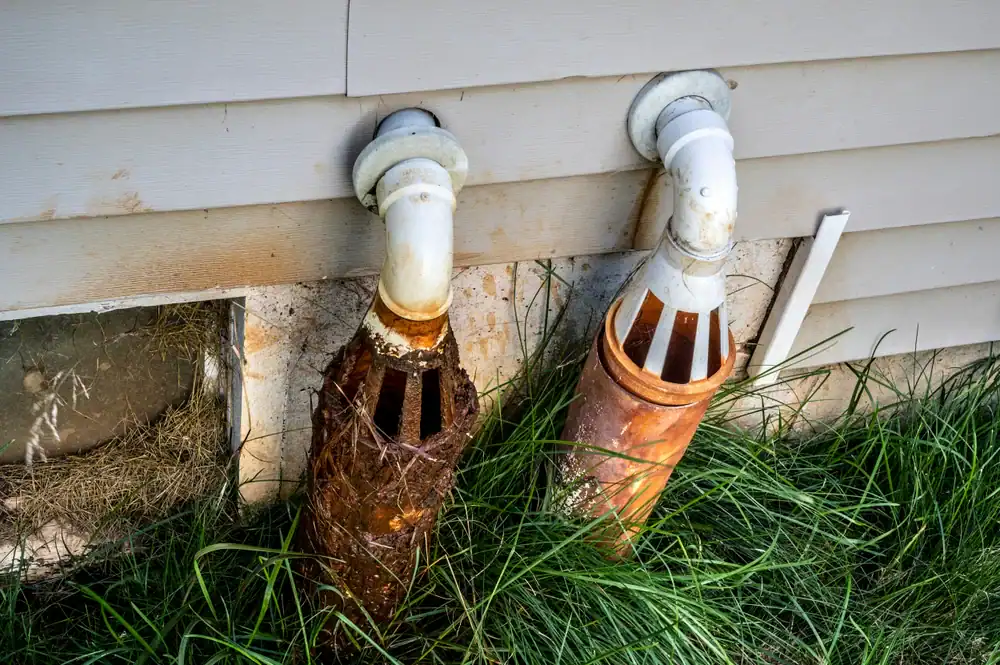
Mechanical failures spike during heavy use. A pump that sits idle most of the year suddenly runs continuously during a storm, and that’s when worn bearings, clogged impellers, or stuck float switches reveal themselves. Debris in the sump pit can jam the float mechanism or clog the pump intake. And if your discharge line freezes in winter or gets clogged with mud, the pump runs but water doesn’t actually leave—it just recirculates or backs up into your basement.
Probably not the pump itself. Most homeowners insurance policies don’t cover sump pump repair or replacement costs. They might cover water damage that results from the failure, but even that often requires separate water backup coverage that costs extra.
Standard policies exclude mechanical breakdown and maintenance issues. Your sump pump is considered part of your home’s maintenance, like your HVAC system or water heater. If it breaks from age or lack of maintenance, that’s on you.
You can buy water backup coverage as an endorsement to your policy. This typically covers damage from sewer backups, sump pump failures, and drain overflows. It costs around $50-100 per year depending on your coverage limits. But it still won’t pay to replace the pump—just repair the damage the water causes. That’s why preventive maintenance and timely repairs matter. It’s cheaper to fix a failing pump than to file a claim and deal with water damage restoration.
If your pump is over 7 years old and having problems, replacement usually makes more sense than repair. Most sump pumps last 7-10 years with regular use. After that, you’re on borrowed time.
Repair makes sense for newer pumps with simple problems—a stuck float switch, a clogged intake screen, or a tripped breaker. These are quick fixes that buy you more years from a pump that’s not near end-of-life. But if your 9-year-old pump needs a new motor or has a cracked housing, you’re throwing money at a unit that will fail again soon.
Replacement gives you a warranty, better efficiency, and peace of mind. Newer pumps often run quieter and move more water per hour than older models. If you’re replacing anyway, consider upgrading to a more powerful pump or adding battery backup. We’ll assess your pump’s age, condition, and repair costs, then tell you honestly which option makes financial sense. Sometimes spending more now saves you from an emergency replacement during the next big storm.