

Contact Info
- Greensboro, NC 27406
- Call: 336-707-0498
- Text: 336-707-0498
-
Mon - Fri: 8am - 4pm
Sat - Sun: Closed
Contact Info
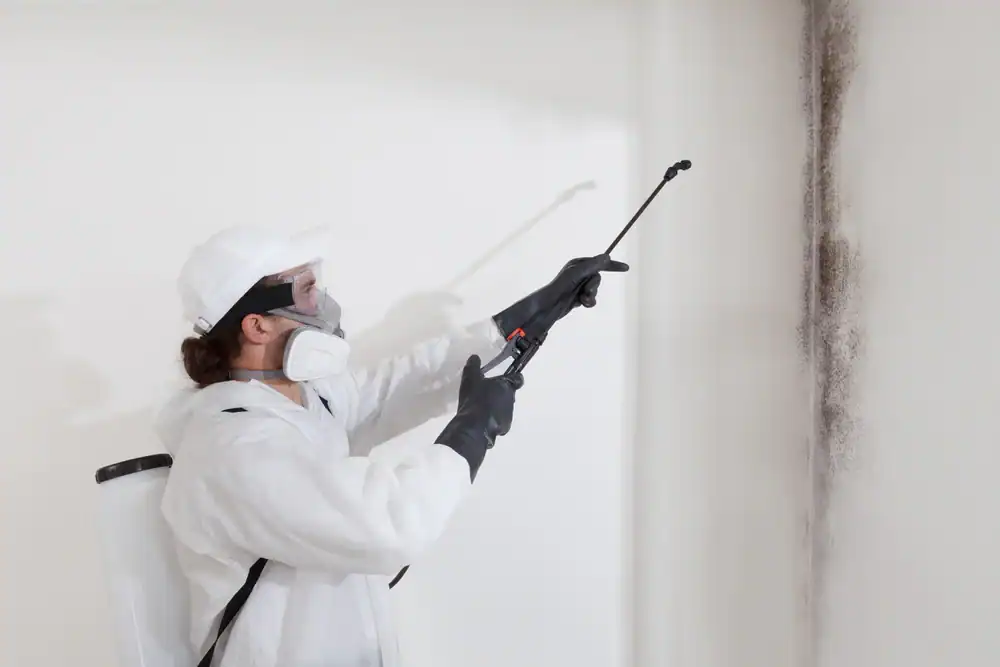
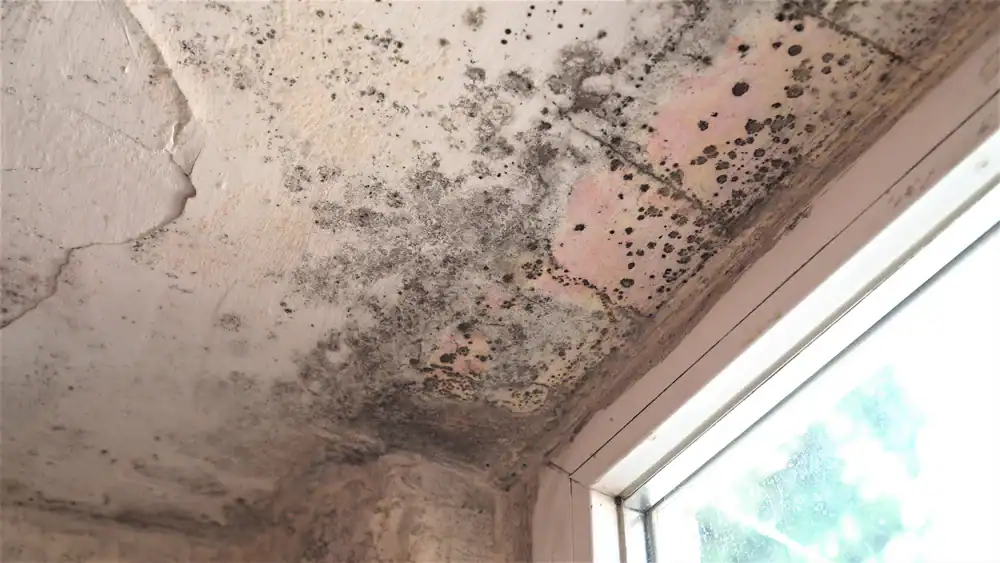
You stop wondering if that musty smell is making your kids sick. The air feels cleaner when you walk in the door. You’re not scrubbing the same corner every week hoping it stays gone this time.
Real mold removal means you can breathe without that nagging worry in the back of your mind. It means your crawl space isn’t a damp breeding ground anymore, and your HVAC system isn’t circulating spores through every room. It means the problem that’s been stressing you out for months is actually handled.
North Carolina’s humidity doesn’t make this easy. Altamahaw gets the same muggy summers and wet springs that turn small moisture problems into serious mold issues fast. When the job’s done right, you’re not just covering up visible growth—you’re eliminating what’s hidden and preventing it from coming back.
We’ve spent over 30 years handling indoor air quality issues across the Greensboro area, including Altamahaw. We’ve seen what works and what doesn’t when it comes to mold in North Carolina homes.
We’re not a franchise following a script. We’re a local crew that understands how crawl spaces flood during heavy rain, how older homes in this area trap moisture, and why your bathroom fan isn’t cutting it. We know the difference between surface mold you can wipe away and the kind that’s eating through your floor joists.
You’re hiring people who’ve done this thousands of times in homes just like yours. We use the same advanced detection tools and HEPA filtration systems the big companies use, but we’re accountable to neighbors, not shareholders.
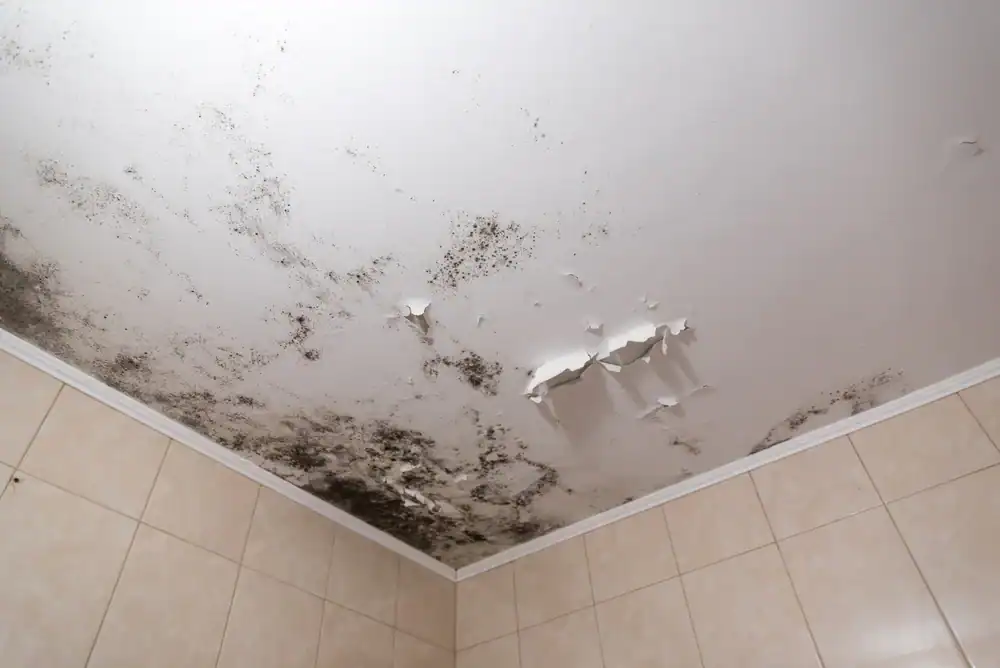
First, we find all of it—not just the black spots you can see. We use moisture meters and infrared cameras to identify hidden growth in walls, under floors, and in your crawl space. If you’ve got mold, we’re finding it before we start tearing anything apart.
Next, we contain the area so spores don’t spread to clean parts of your house while we work. We set up negative air pressure and HEPA filtration to keep contamination locked down. Then we remove the mold—physically, not just chemically. That means cutting out damaged materials if needed, not spraying over them and calling it done.
After removal, we treat surfaces with antimicrobial solutions and dry everything completely. But here’s the part most companies skip: we identify and fix the moisture source. Leaky crawl space? We seal it. Poor ventilation? We address it. Because killing mold without fixing why it grew in the first place is just a temporary band-aid.
You get documentation of everything we found, everything we did, and what you need to watch going forward. No surprises, no wondering if the job’s actually complete.
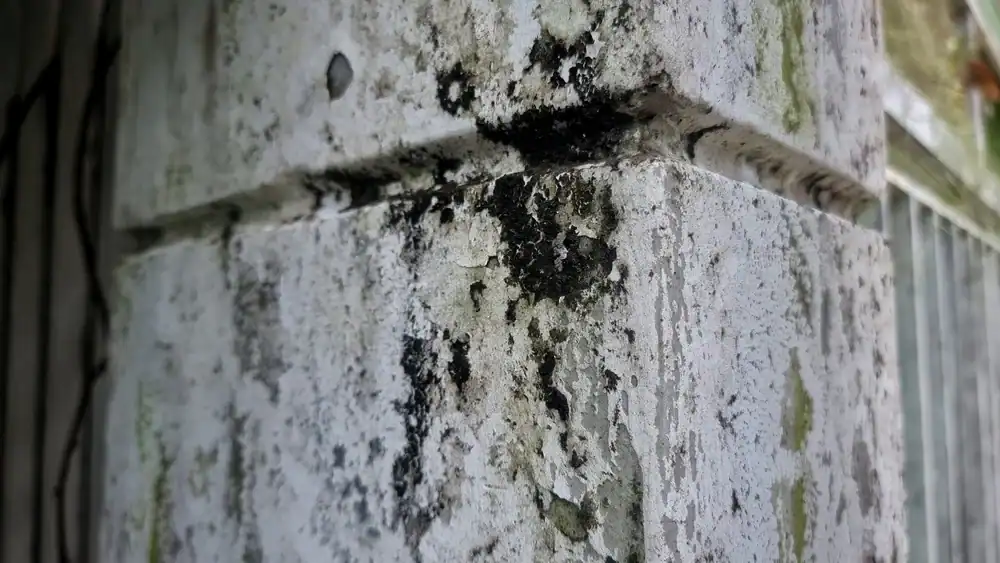
Ready to get started?
You get a full inspection with moisture mapping and air quality testing to understand the scope before we start. We’re not guessing—we’re measuring humidity levels, checking for hidden water damage, and sampling the air if needed.
The removal process includes containment setup, HEPA air scrubbing during the entire job, physical removal of contaminated materials, and antimicrobial treatment of affected surfaces. If your crawl space is the source—and in Altamahaw’s humid climate, it often is—we handle encapsulation to prevent future growth.
We also clean your HVAC ducts if mold has spread through your ventilation system. A lot of homeowners don’t realize their heating and cooling system has been blowing spores into every room for months. That gets addressed as part of a complete job, not an upsell you hear about later.
You’ll receive written documentation with photos, moisture readings, and a clear explanation of what caused the problem. If you’re selling your home or dealing with insurance, that paperwork matters. And if the issue was structural or related to drainage around your foundation, we’ll tell you what else needs attention even if we’re not the ones doing that work.
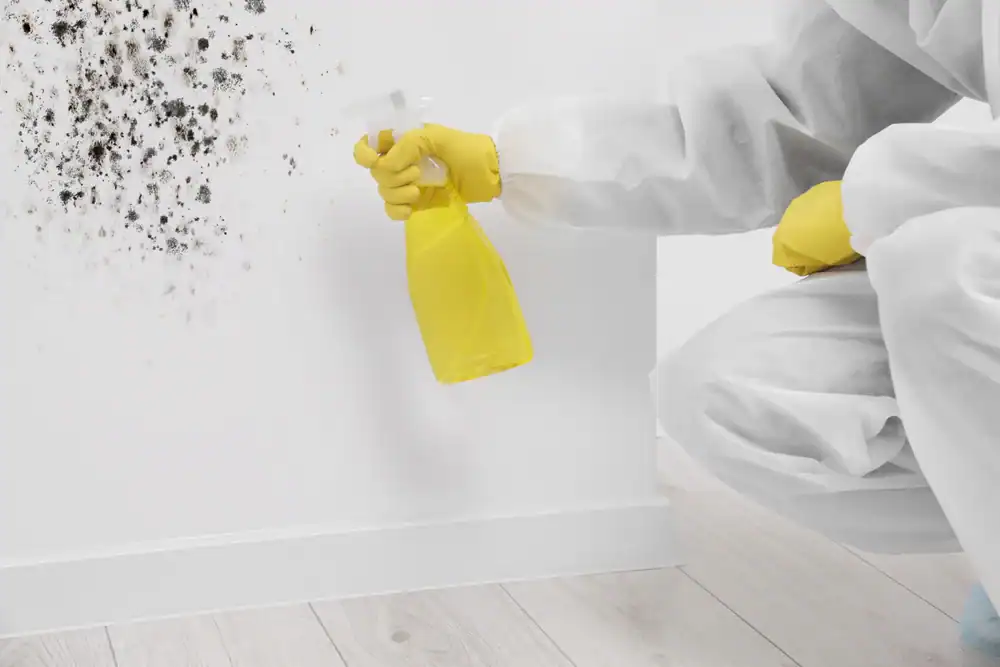
If the mold covers more than about 10 square feet, it’s in your HVAC system, or it keeps coming back no matter how much you clean, you need professional help. DIY works for small surface mold on non-porous materials like tile—think shower grout you can scrub with bleach. But if it’s on drywall, wood, insulation, or anywhere you can’t see, you’re not equipped to handle it safely.
The bigger issue is figuring out why it’s growing. Mold needs moisture, and if you’ve got persistent growth, you’ve got a moisture problem you probably can’t see. That might be a crawl space that’s too humid, a slow leak inside a wall, or condensation from poor ventilation. We have moisture meters and thermal cameras to find the source. Without fixing that, you’re just cleaning the same spot over and over.
Also, disturbing mold releases spores into the air. If you’re ripping out moldy drywall without containment and HEPA filtration, you’re spreading contamination to other parts of your house. For anything beyond minor surface growth, the cost of doing it wrong usually exceeds the cost of hiring someone who knows what they’re doing.
Most residential mold removal jobs take between one and three days, depending on how much area is affected and whether we’re dealing with your crawl space, walls, or HVAC system. Small jobs—like a bathroom with mold behind the toilet—might be done in a few hours. Larger projects involving crawl space encapsulation or extensive wall removal take longer.
Whether you need to leave depends on the scope and location. If we’re working in your crawl space or an isolated area we can seal off completely, you can usually stay. If we’re removing mold from multiple rooms or your HVAC system is involved, it’s smarter to stay elsewhere for a day or two, especially if anyone in your house has asthma or allergies.
We set up containment barriers and negative air pressure to keep spores from spreading, but there’s still dust and noise. And if we’re running dehumidifiers and air scrubbers around the clock, it’s not the most comfortable environment. We’ll give you a realistic timeline upfront so you can plan accordingly—no one likes being surprised that they need to find a hotel the night before we start.
It depends on what caused the mold. If it’s from a sudden, accidental event—like a burst pipe or storm damage—most policies will cover remediation. If it’s from long-term neglect, poor maintenance, or ongoing moisture issues you didn’t address, probably not.
Insurance companies want to see that you took reasonable steps to prevent the problem. That means if your crawl space has been damp for years and you ignored it, they’re likely to deny the claim. But if a pipe broke last week and mold started growing before you could get it dried out, that’s usually covered.
The key is documentation. Take photos of the damage as soon as you discover it, and get a professional assessment quickly. We can provide detailed reports with moisture readings and explanations of the source, which helps with claims. Some policies also have specific mold coverage limits—sometimes as low as $10,000—so check your policy details. And if your claim gets denied, sometimes it’s worth appealing with better documentation. We’ve seen it go both ways, but waiting too long or trying to hide the extent of the problem never helps your case.
Mold removal is getting rid of visible growth. Mold remediation is fixing the entire problem—removing the mold, addressing the moisture source, and preventing it from coming back. Most people use the terms interchangeably, but the difference matters when you’re comparing quotes.
A company offering cheap “mold removal” might spray some antimicrobial solution, wipe down surfaces, and leave. That’s not remediation. Real remediation involves containment, air filtration, physical removal of contaminated materials, treatment of affected areas, and—most importantly—identifying and correcting the moisture issue that caused it. If your crawl space is flooding every time it rains, killing the mold without fixing the water intrusion is pointless.
Here’s the test: ask any company you’re considering what they do about the moisture source. If they don’t have a clear answer or try to sell you on a spray treatment alone, keep looking. Proper remediation costs more upfront, but it actually solves the problem instead of masking it for a few months. You want the job done once, not twice.
Black mold—usually Stachybotrys chartarum—can produce mycotoxins that cause respiratory issues, headaches, and allergic reactions, especially in kids, elderly people, and anyone with asthma or compromised immune systems. But the panic around it is sometimes overblown. Most mold, regardless of color, can cause health problems if you’re exposed to enough of it for long enough.
The real issue isn’t whether it’s black, green, or white. It’s whether you’re breathing in spores every day and whether the mold is a sign of a bigger moisture problem that’s damaging your home’s structure. Even “harmless” mold species can trigger allergies and asthma. And any mold growing on wood or drywall is breaking down those materials, which means potential structural damage over time.
If you’ve got mold in your house, don’t waste time trying to identify the species before doing something about it. Get it tested if you want peace of mind or need documentation for insurance, but focus on removal and fixing the moisture issue. The health risks vary by person—some people are highly sensitive, others barely notice—but no one should be living with active mold growth in their home, regardless of the type.
Control moisture. That’s it. Mold needs water to grow, so if you keep humidity below 60% and fix leaks immediately, you’re eliminating the conditions it needs to thrive.
In Altamahaw, that usually means dealing with your crawl space. North Carolina humidity is relentless, and crawl spaces turn into swamps if they’re not sealed and conditioned properly. Encapsulation—sealing the crawl space with a vapor barrier and adding a dehumidifier—is the most effective long-term solution. It’s an investment, but it stops the cycle of recurring mold, wood rot, and pest problems.
Beyond that, make sure your gutters are clean and downspouts drain away from your foundation. Check under sinks and around toilets for slow leaks. Run exhaust fans in bathrooms and kitchens when you’re showering or cooking. If you’ve got a basement, consider a dehumidifier during humid months. These aren’t complicated fixes, but they’re the difference between a one-time remediation and an annual problem. After we finish a job, we’ll walk you through the specific risks in your home so you know what to watch.