

Contact Info
- Greensboro, NC 27406
- Call: 336-707-0498
- Text: 336-707-0498
-
Mon - Fri: 8am - 4pm
Sat - Sun: Closed
Contact Info
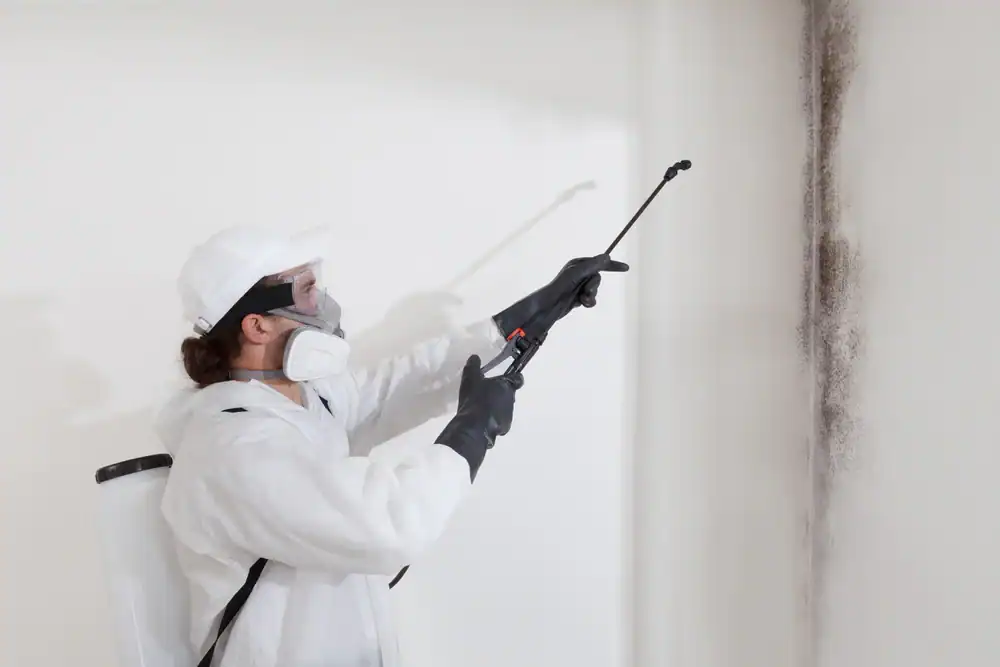
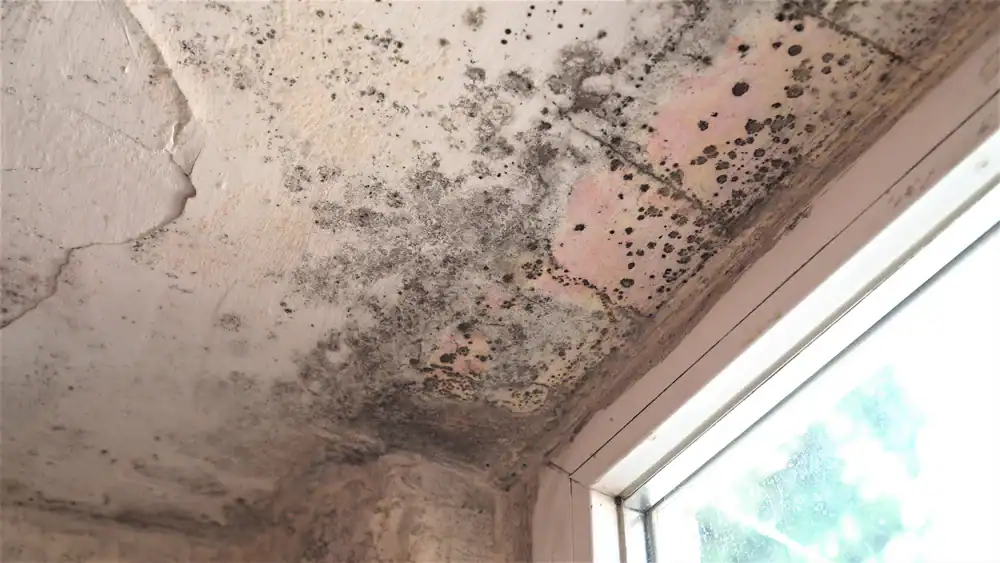
You stop wondering if that smell is dangerous. Your kids aren’t coughing at night. You’re not avoiding certain rooms in your own house.
That’s what happens when mold removal is done right. Not just scrubbed off the surface, but pulled out from where it’s actually growing—in your crawl space, behind walls, inside ductwork. Burlington’s humidity doesn’t help. With an annual average around 75%, moisture finds its way into older homes fast, especially if your crawl space isn’t sealed or your HVAC system is pulling in damp air.
We use moisture meters and infrared cameras to find where mold is hiding, not just where you can see it. Then we remove it completely and address what caused it in the first place. Because if the moisture problem isn’t fixed, you’re just buying time.
We’ve been doing this work in the Greensboro and Burlington area since the early ’90s. We’re not a franchise that showed up last year. We’ve seen what happens to homes here when crawl spaces flood, when HVAC ducts get neglected, when mold starts small and spreads.
We’re IICRC-certified, which means our team is trained to handle mold safely and completely. We’re also locally owned, so when you call, you’re talking to people who live here and understand what Burlington homes deal with—clay soil, high water tables, older construction that wasn’t built with vapor barriers.
We’ve worked in hundreds of crawl spaces, attics, and basements across Alamance County. We know what works and what doesn’t.
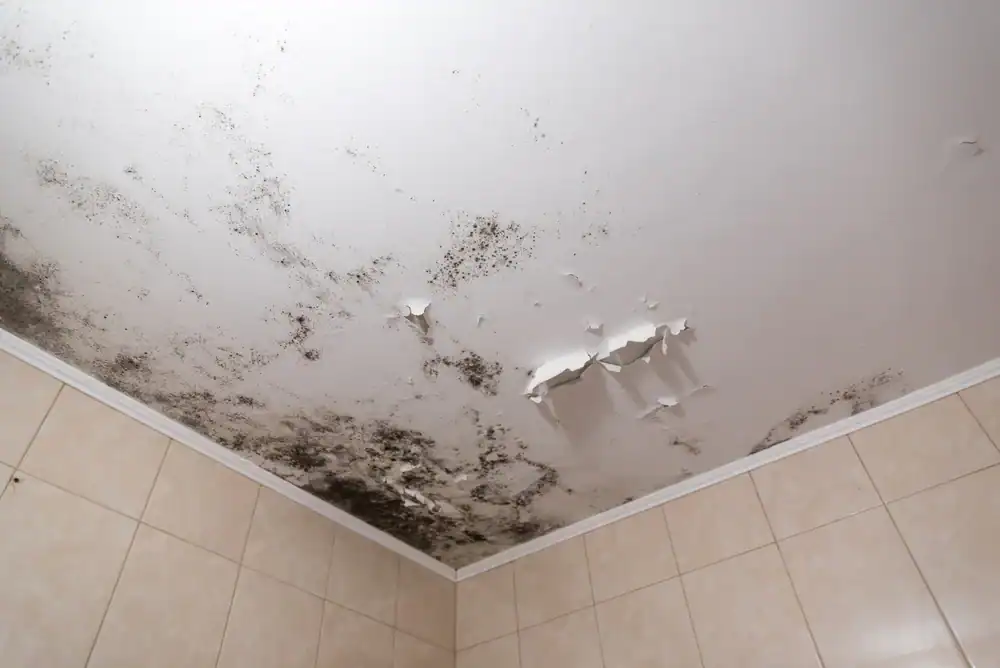
First, we inspect. We’re looking for visible mold, but also moisture sources—leaks, condensation, poor ventilation. We use tools like moisture meters and thermal imaging to see what’s happening inside walls and under floors.
Next, we contain the area. Mold spreads through spores, so we seal off the work zone to keep contamination from moving into clean areas of your home. Then we remove it—either cleaning affected materials or removing them entirely if they’re too damaged. Drywall, insulation, wood—it depends on how deep the mold has gone.
After removal, we treat surfaces with antimicrobial solutions and dry everything out completely. Then we address the source. If it’s a crawl space issue, we’ll talk about encapsulation. If it’s an HVAC problem, we’ll clean your ducts and check for leaks. The goal isn’t just to remove mold—it’s to make sure it doesn’t come back.
Ready to get started?
You get a full inspection with moisture mapping and mold testing if needed. We’ll tell you exactly where the mold is, how bad it is, and what’s causing it. No guessing.
You get containment and safe removal using HEPA filtration and proper protective equipment. We’re not just spraying bleach and calling it done. We’re pulling out contaminated materials, treating affected areas, and making sure spores aren’t spreading through your house while we work.
You also get the fix. In Burlington, that usually means dealing with crawl space moisture. We can encapsulate your crawl space with vapor barriers, install dehumidifiers, and seal vents to keep humidity out. We also clean HVAC ducts, because mold in your air system means you’re breathing it in every time the heat or AC kicks on. A lot of homes here were built before energy codes tightened up, so moisture control wasn’t a priority. We make it one.
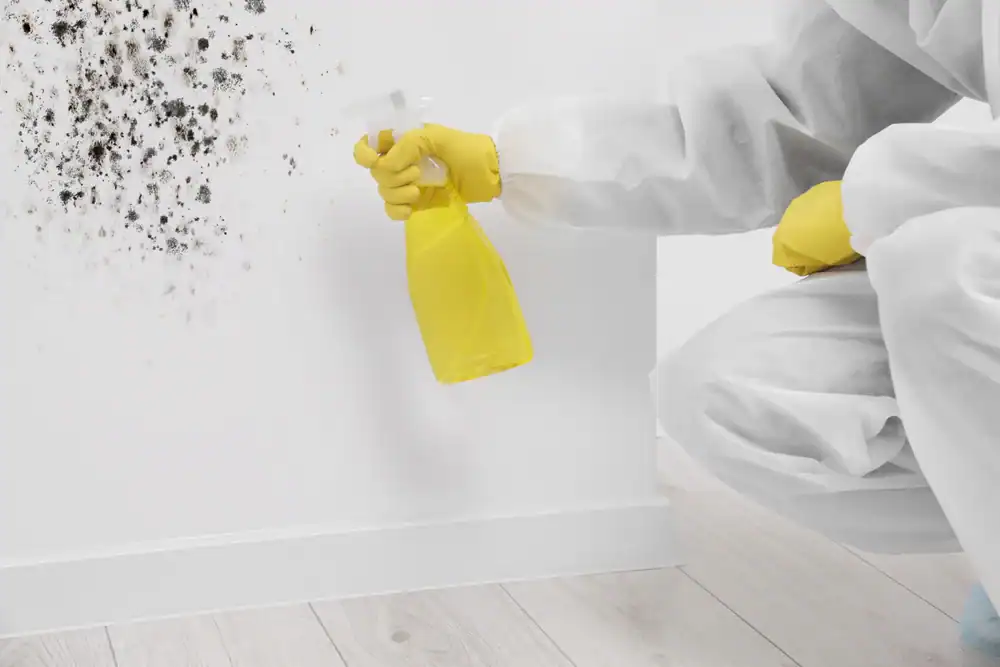
Most mold remediation projects in Burlington fall between $1,100 and $3,300, with the average around $2,200. But that’s a wide range because every situation is different.
Cost depends on how much mold there is, where it’s growing, and what materials need to be removed or replaced. A small patch of mold on a bathroom wall is one thing. Mold throughout a crawl space with rotted floor joists is another. If we need to remove drywall, insulation, or structural wood, that adds to the cost.
We’ll give you a clear estimate after the inspection. No surprises. And if the root cause is moisture in your crawl space, we’ll also talk about encapsulation costs, because fixing mold without fixing moisture is just setting you up to pay for removal again.
You can handle very small areas—less than 10 square feet—if it’s on a hard, non-porous surface like tile. But anything larger, or anything in your crawl space, walls, or HVAC system, needs a professional.
Here’s why: mold spreads through spores. When you disturb it, those spores go airborne and land everywhere. If you’re not containing the area and filtering the air, you’re just moving the problem around. Black mold, specifically, can release mycotoxins that cause serious respiratory issues, especially if you’re tearing into it without proper protection.
We use HEPA vacuums, air scrubbers, and containment barriers to keep spores from spreading. We also have the tools to find hidden mold—behind walls, under floors, in ducts—that you can’t see. If you’re dealing with more than a small surface spot, call someone who’s certified. It’s not worth the health risk or the chance of making it worse.
Most residential mold removal jobs take between one and three days, depending on the size of the affected area and what needs to be done. A single-room cleanup might be done in a day. A full crawl space remediation with encapsulation can take longer.
The timeline also depends on drying time. If there’s been water damage or high moisture, we need to dry everything out completely before we can finish. Mold grows in damp environments, so leaving moisture behind means it’ll come back.
We’ll give you a timeline during the estimate. We work efficiently, but we don’t rush and leave the job half-done. You’ll know what to expect before we start, and we’ll keep you updated if anything changes.
Humidity and moisture. Burlington’s average humidity sits around 75%, which is high enough to create problems if your home isn’t properly sealed and ventilated. Add in clay soil that doesn’t drain well, and you’ve got a recipe for crawl space moisture.
A lot of older homes here weren’t built with vapor barriers or proper crawl space ventilation. When groundwater evaporates in the spring and summer, that moisture rises into your crawl space and then into your home. If your crawl space vents are open, you’re actually pulling in humid outdoor air, which makes the problem worse.
Leaks are another big cause—roof leaks, plumbing leaks, HVAC condensation. Even a small, slow leak can create enough moisture for mold to grow. If you’ve got mold, there’s a moisture source somewhere. Finding it and fixing it is the only way to stop mold from coming back.
Not if the moisture problem is fixed. Mold needs water to grow. Remove the water source, and mold can’t survive.
That’s why we don’t just clean up mold and leave. We find out why it’s there. Is your crawl space damp? Are your ducts leaking condensation? Is there a plumbing issue? Once we know the cause, we fix it—whether that’s encapsulating your crawl space, sealing ducts, or recommending a dehumidifier.
If you only treat the mold and ignore the moisture, it’ll come back. We’ve seen it happen with DIY jobs and with companies that don’t address the root cause. Our goal is to solve the problem once so you’re not calling us back in six months.
Yes. We start every job with an inspection, and we can do mold testing if needed. Testing tells us what type of mold is present and how concentrated the spore count is, which helps us determine the right approach.
We use moisture meters to find damp areas and infrared cameras to see inside walls and floors without tearing them open. If we find visible mold, we can often move straight to remediation. If you’re smelling mold but can’t see it, or if you’re dealing with health symptoms and want confirmation, we’ll collect air or surface samples and send them to a lab.
Testing isn’t always necessary, but it’s available if you want that extra layer of information. Either way, we’ll walk you through what we find and what we recommend.