

Contact Info
- Greensboro, NC 27406
- Call: 336-707-0498
- Text: 336-707-0498
-
Mon - Fri: 8am - 4pm
Sat - Sun: Closed
Contact Info
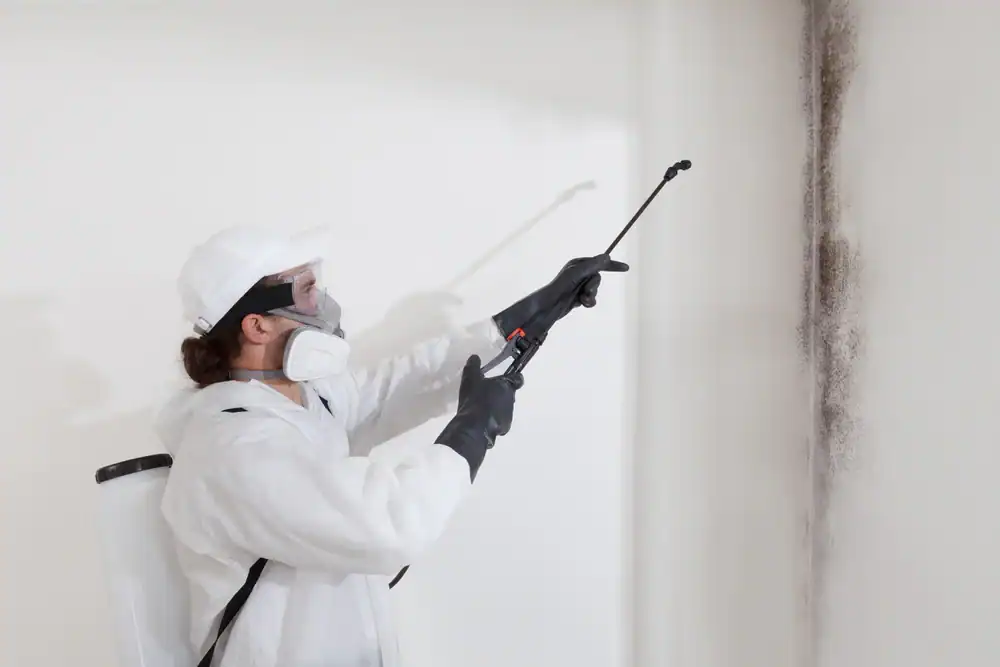
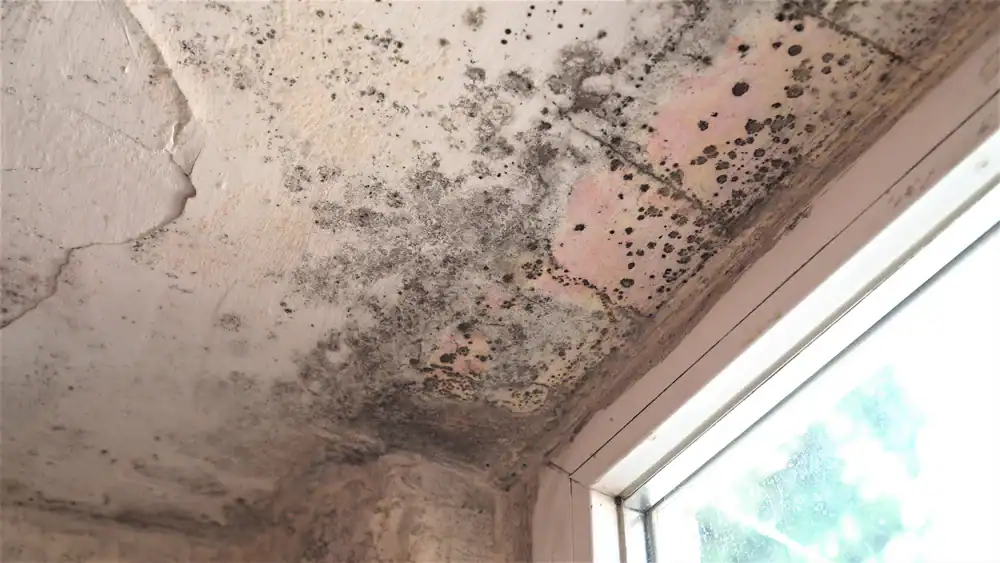
You stop worrying every time someone in your house coughs. The musty smell disappears. Your kids can play in the basement again without you second-guessing it.
Mold doesn’t just sit on the surface. It gets into drywall, insulation, and crawl spaces where you can’t see it. Scrubbing it with bleach might make it look better for a week, but it comes back because the moisture problem is still there.
Professional mold cleanup means finding where the water’s coming from, removing contaminated materials the right way, and treating the space so it doesn’t return. In Climax, NC, where humidity stays above 70 percent most of the year, that moisture control step matters more than anywhere else. Without it, you’re just buying time.
When the job’s done right, your air quality improves. Your home value stays protected. And you’re not dealing with this again next summer when the AC goes out or after the next heavy rain.
We work throughout Climax, NC and the surrounding area. We focus on crawl spaces, HVAC systems, and the hidden moisture problems that most homeowners don’t even know they have.
Our technicians are IICRC-certified in applied microbial remediation. That means we’ve been trained to handle mold safely, contain it during removal, and address the underlying issues that caused it. We’re not a franchise following a script—we’re local, and we’ve seen what North Carolina’s climate does to homes built in the ’80s and ’90s.
Most of the properties in Climax were constructed during that era, and many have crawl spaces that were never properly sealed. That’s where the majority of mold problems start. We know because we’ve been under hundreds of them.
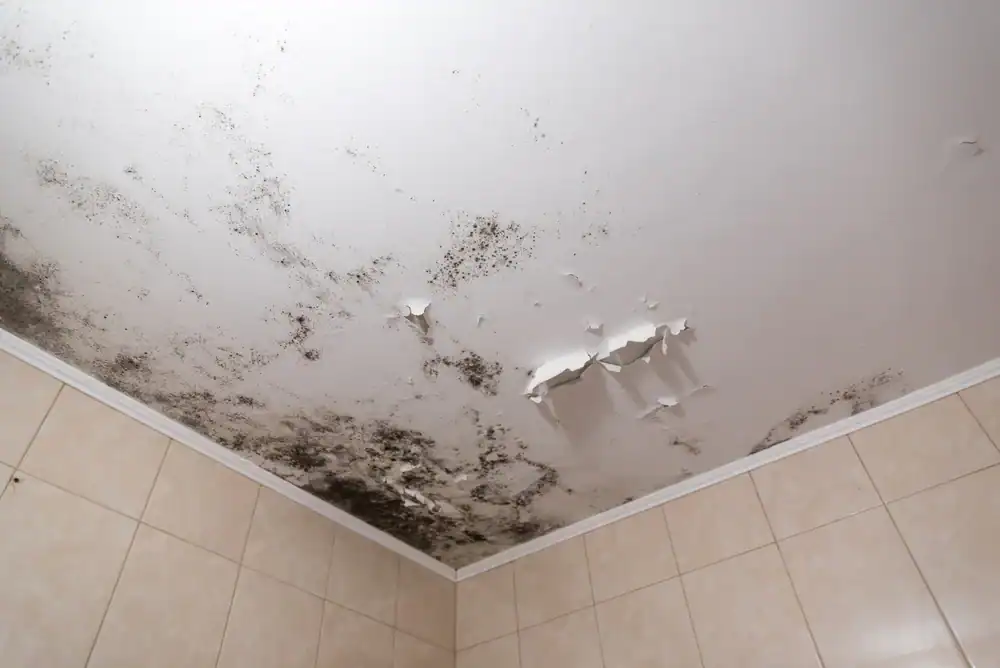
First, we inspect the entire area—not just where you see mold. We check your crawl space, attic, HVAC system, and any place moisture could be hiding. We use infrared cameras and moisture meters to find problems you can’t see.
Next, we contain the affected area so mold spores don’t spread during removal. We set up negative air pressure and HEPA filtration. Then we remove contaminated materials—drywall, insulation, anything that can’t be properly cleaned. Dead mold is still hazardous, so removal has to be thorough.
After that, we treat surfaces with antimicrobial solutions and dry everything out using industrial dehumidifiers. But here’s the part that matters most: we identify and fix the moisture source. That might mean sealing a crawl space, rerouting drainage, or repairing a leak. Without this step, mold will return.
Finally, we test the air quality to confirm the space is safe. You get documentation for your records and, if needed, for insurance claims. We know how to work with insurance companies when the damage is covered.
Ready to get started?
You get a full inspection of your property, including areas you probably haven’t looked at in years. We document everything with photos and moisture readings. That matters if you’re filing an insurance claim or selling your home later.
The removal process includes containment, HEPA filtration, safe disposal of contaminated materials, and antimicrobial treatment. We don’t just kill mold—we remove it completely. Toxic black mold can start growing within 24 to 48 hours under the right conditions, so we also address the timeline and urgency of your specific situation.
In Climax, NC, crawl space issues are extremely common. Most homes here have them, and most aren’t properly sealed. We offer crawl space encapsulation as part of our mold mitigation services. By sealing and dehumidifying that space, we prevent future mold growth, wood rot, and the poor indoor air quality that comes with it.
You also get guidance on preventing future problems—what to watch for, how to maintain proper ventilation, and when to call us back if something changes. We’re not trying to sell you services you don’t need. We’re trying to make sure this doesn’t happen again.
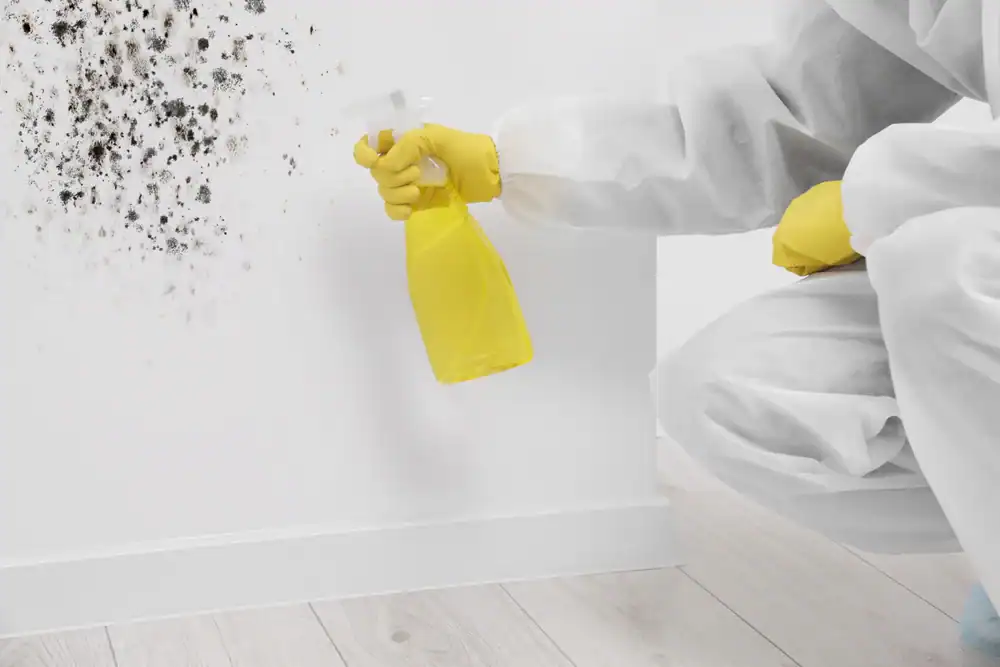
Most mold remediation projects in Climax cost between $3,000 and $10,000, depending on the size of the affected area and how deep the problem goes. Small jobs—like a bathroom with surface mold—can run closer to $1,500. Severe cases involving multiple rooms, crawl spaces, or structural damage can exceed $30,000.
The price depends on how much material needs to be removed, whether there’s hidden mold behind walls or under floors, and what caused the moisture problem in the first place. If we need to encapsulate a crawl space or reroute drainage, that adds to the cost but also prevents the issue from coming back.
We offer free estimates with no obligation. During that inspection, we’ll give you an honest assessment of what needs to be done and what doesn’t. If your homeowners insurance covers the damage—like mold caused by a sudden pipe burst—we can work directly with your insurance company to document everything properly.
You can handle very small areas—less than 10 square feet—if the mold is on a hard, non-porous surface and you know exactly what caused it. But most DIY mold removal makes the problem worse, not better.
Here’s why: disturbing mold releases spores into the air. Without proper containment and filtration, you spread it to other parts of your home. Killing mold with bleach or vinegar doesn’t remove it, and dead mold is still hazardous. If there’s mold on drywall, insulation, or wood, you can’t just clean the surface—the material has to be removed.
The bigger issue is that visible mold usually means there’s more you can’t see. It might be behind wallpaper, under flooring, or deep in your crawl space. And if you don’t fix the moisture source, it comes right back. Professional mold remediation isn’t just about removing what’s there—it’s about making sure it doesn’t return. In North Carolina’s humid climate, that moisture control step is critical.
Small jobs—like a single bathroom or closet—usually take one to two days. Larger projects involving crawl spaces, multiple rooms, or structural repairs can take a week or more.
The timeline depends on how much area is affected, how long it takes to dry everything out, and whether we need to remove and replace building materials. Drying is often the longest part. We can’t just wipe things down and call it done—moisture levels have to drop below the threshold where mold can grow, and that takes time.
If your crawl space needs encapsulation or we’re addressing a drainage issue, that adds a few days. But we work efficiently, and we’ll give you a realistic timeline during the estimate. Most homeowners are more concerned about the problem being fixed correctly than about shaving off a day or two. Rushing the job just means you’ll be calling someone else in six months when it comes back.
Moisture. That’s it. Mold needs water to grow, and in Climax, NC, there’s no shortage of it. The area averages over 70 percent humidity year-round, and most homes here were built in the late 20th century with crawl spaces that were never properly sealed.
Common causes include roof leaks, plumbing leaks, poor ventilation in bathrooms and kitchens, and crawl spaces with standing water or high humidity. When your AC goes out during a hot summer, the humidity inside your home spikes, and mold can start growing within 24 to 48 hours.
Flooding and storm damage are also major triggers. North Carolina has seen a 35 percent increase in mold-related issues over the past year, largely due to extreme weather and aging housing stock. If your home was built in the ’80s or ’90s and you’ve never had your crawl space inspected, there’s a good chance moisture is already a problem—you just haven’t seen the mold yet.
Yes, black mold—specifically Stachybotrys chartarum—can be dangerous. It produces mycotoxins that can cause respiratory problems, allergic reactions, headaches, and fatigue. People with asthma or weakened immune systems are especially vulnerable.
That said, not all black-colored mold is toxic black mold, and not all dangerous mold is black. The only way to know for sure is through lab testing, which we can arrange during the inspection.
You might have black mold if you notice a strong musty odor, see dark greenish-black growth on walls or ceilings, or if people in your home are experiencing unexplained respiratory symptoms. It thrives in damp, dark areas with poor ventilation—crawl spaces, basements, behind drywall, and around leaky pipes. In North Carolina, where one in 12 adults and one in 11 children have asthma, mold exposure is a serious health concern. If you suspect you have it, don’t try to remove it yourself. Call a certified mold remediator who has the equipment and training to handle it safely.
It can—if the moisture problem isn’t fixed. Mold removal without moisture control is just temporary. You might not see growth for a few months, but as soon as conditions are right again, it returns.
That’s why our process includes identifying and correcting the source of moisture. If it’s a leaky pipe, we’ll tell you. If it’s a crawl space that needs encapsulation, we’ll explain why. If it’s poor ventilation or drainage around your foundation, we’ll walk you through the fix.
Once the moisture is under control and the contaminated materials are removed, mold shouldn’t come back. We also provide guidance on maintaining low humidity levels, improving airflow, and spotting early warning signs. North Carolina’s climate makes homes more vulnerable, so ongoing prevention matters. But if the job’s done right the first time, you shouldn’t be dealing with this again.