

Contact Info
- Greensboro, NC 27406
- Call: 336-707-0498
- Text: 336-707-0498
-
Mon - Fri: 8am - 4pm
Sat - Sun: Closed
Contact Info
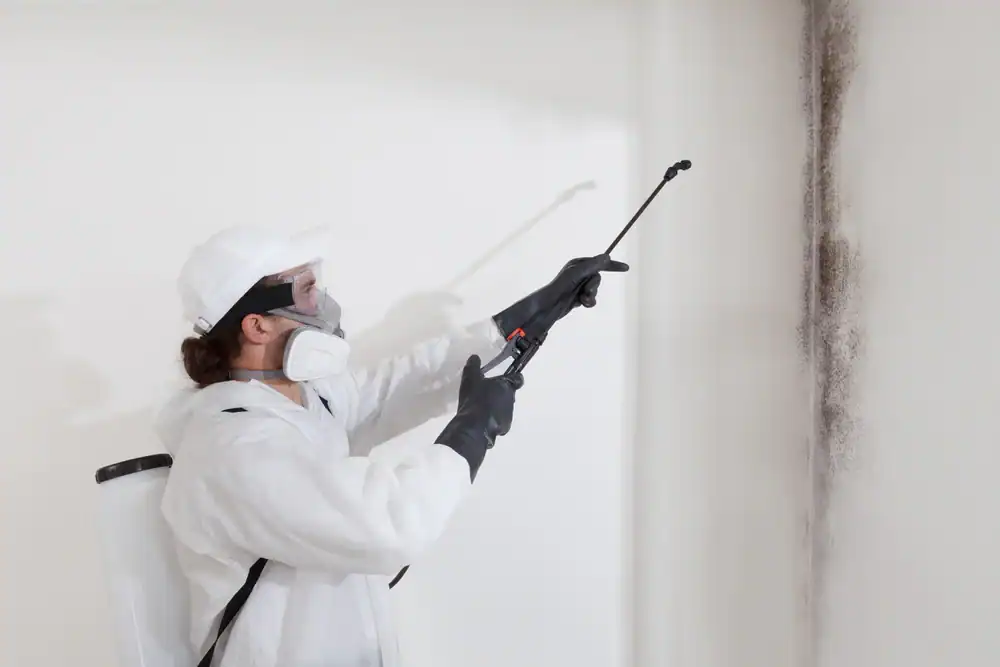
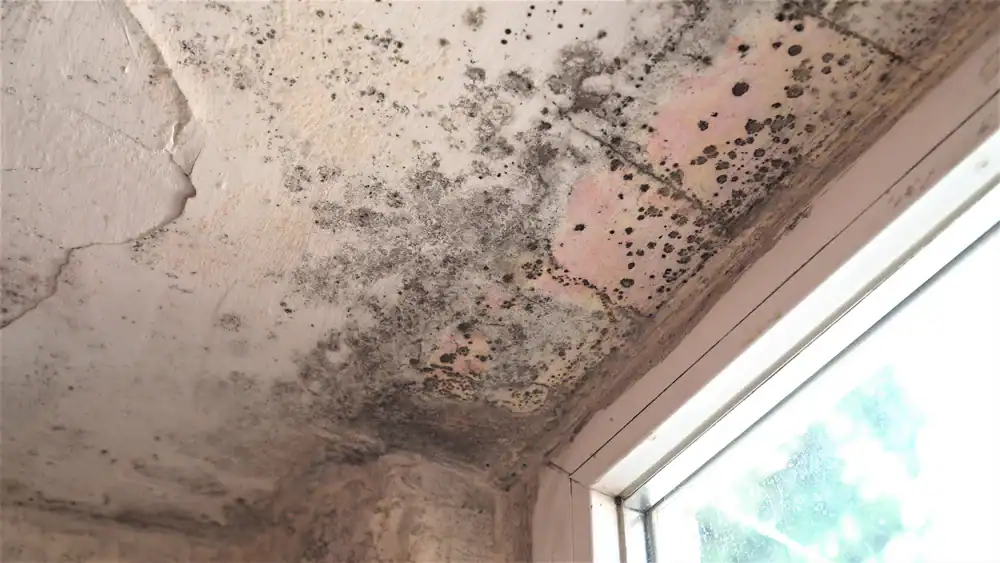
You stop waking up congested. Your kids’ asthma symptoms calm down. That musty smell in the basement finally disappears.
That’s what happens when mold removal actually works. Not just scrubbing visible spots with bleach, but finding where moisture gets in, removing contaminated materials properly, and treating the space so spores can’t take hold again.
North Carolina’s humidity creates perfect conditions for mold growth year-round. Forest Oaks homes deal with it in crawl spaces, behind walls after roof leaks, around windows with poor seals, and anywhere water sits too long. The black stuff you see on drywall is just the surface problem.
Real mold remediation means better air quality, fewer health symptoms, and confidence that your home isn’t making your family sick. It also means protecting your property value before hidden growth causes structural damage that costs tens of thousands to repair.
We’ve spent 18 years handling mold problems in Forest Oaks and throughout North Carolina. We’re IICRC-certified, which means we follow the actual protocols for safe mold abatement, not just the cheapest way to make it look better temporarily.
We know how homes are built here. We understand how North Carolina’s climate creates moisture issues. And we’ve seen what happens when mold removal is done wrong – it comes back, often worse than before.
You’re not getting a crew that just sprays something and leaves. You’re getting technicians who use moisture meters and infrared cameras to find the real problem, remove contaminated materials properly, and treat the space so you’re not calling someone else in a year.
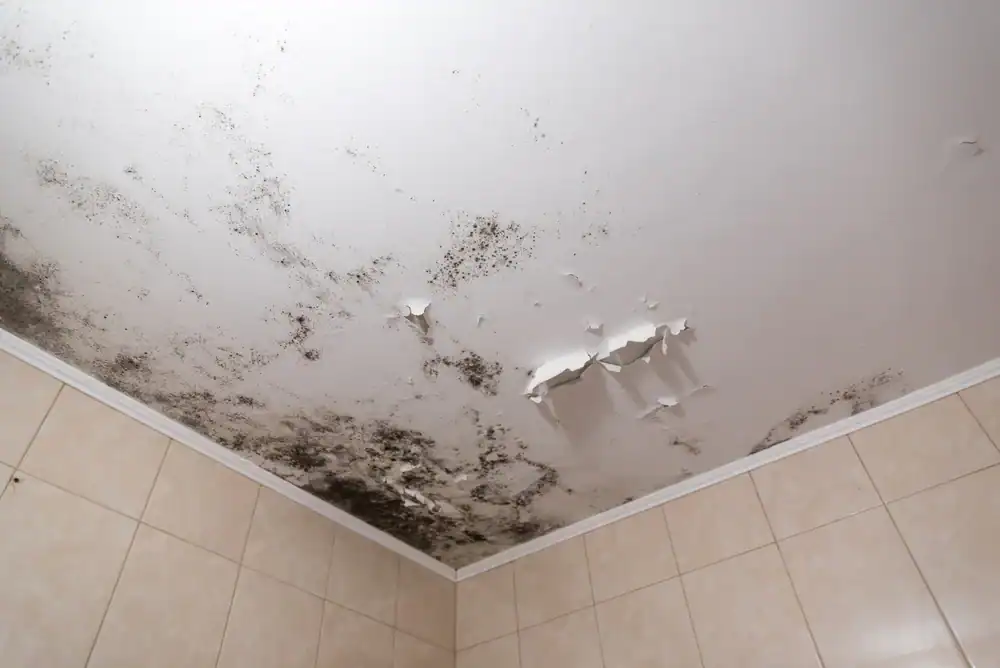
First, we inspect the affected area and test moisture levels to find where water is getting in. Mold doesn’t grow without moisture, so if we don’t fix that part, nothing else matters.
Next, we contain the work area so spores don’t spread to clean parts of your home during removal. We use negative air pressure and physical barriers – the same approach hospitals use for contamination control.
Then we remove contaminated materials that can’t be salvaged. Drywall, insulation, carpeting – if it’s porous and covered in growth, it needs to go. We treat remaining surfaces with antimicrobial solutions and use HEPA filtration to clean the air.
Finally, we address the moisture source. That might mean fixing drainage issues, improving ventilation, sealing foundation cracks, or recommending dehumidification. Without this step, you’ll have mold again.
After treatment, we can arrange third-party testing to verify the space is clear. Some customers want that documentation for their own peace of mind or for insurance purposes.
Ready to get started?
You get a thorough inspection with moisture mapping to identify all affected areas, not just the obvious spots. We use thermal imaging to find hidden moisture behind walls and in ceilings where mold often grows undetected.
Containment and air filtration protect the rest of your home during the removal process. We set up physical barriers and use HEPA air scrubbers to capture airborne spores before they settle in clean areas.
Complete removal of contaminated materials and treatment of salvageable surfaces comes next. We don’t just clean what you can see – we remove materials that are compromised and treat structural elements properly.
Forest Oaks homes face specific challenges with crawl space moisture and foundation issues common to our area’s clay soil. We address these local conditions as part of the remediation process, not as an afterthought. The goal is fixing the problem completely so you’re not dealing with recurring growth every humid season.
We also work directly with insurance companies when mold results from a covered event like a burst pipe or storm damage. That means proper documentation and communication to help your claim move forward.
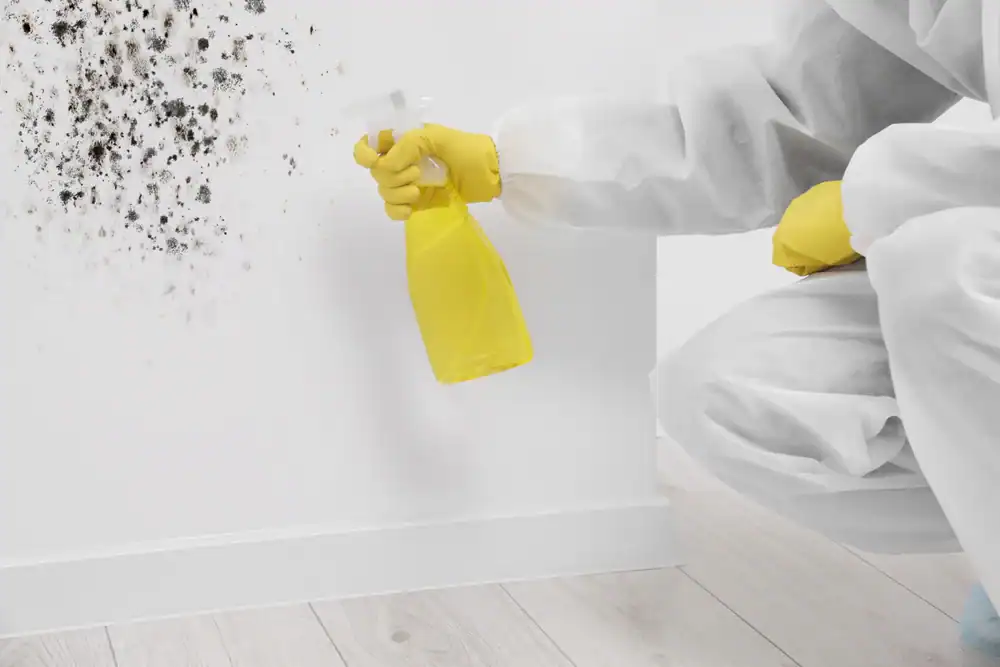
Most residential mold remediation projects in Forest Oaks run between $1,800 and $6,500 depending on the size of the affected area and how much material needs removal. A small bathroom with mold around the tub might cost $1,800 to $3,000. A crawl space with extensive growth could run $4,000 to $6,500 or more.
The price depends on square footage, how many materials are contaminated, whether containment is needed, and what’s causing the moisture problem. If we need to remove drywall, insulation, and flooring in multiple rooms, that costs more than treating surface growth in one area.
Insurance sometimes covers mold remediation if it results from a sudden water event like a pipe burst or storm damage. Most policies don’t cover mold from long-term maintenance issues like a slow leak you didn’t fix. We can document the work properly if you’re filing a claim.
Free inspections let you know what you’re dealing with before committing to anything. We’ll tell you the scope of the problem and what it takes to fix it right.
Small jobs like a bathroom or closet usually take one to two days. Larger projects involving multiple rooms or a full crawl space can take three to five days depending on the extent of contamination and drying time needed.
The timeline depends on how much material we’re removing, how large the affected area is, and whether we’re waiting for spaces to dry before final treatment. We can’t rush the drying process – moisture has to be gone before we close things up or you’ll have mold again.
Most of the work happens in the containment area, so the rest of your home stays accessible. You might need to avoid the work zone, but you don’t usually need to leave your house unless the contamination is severe and widespread.
We’ll give you a realistic timeline during the inspection. Some companies lowball the time estimate to make the job sound easier than it is. We’d rather be honest upfront than surprise you with delays later.
Bleach kills surface mold on non-porous materials like tile or glass, but it doesn’t work on porous materials like drywall, wood, or insulation. The mold roots penetrate deep into porous surfaces where bleach can’t reach. You might kill what’s on the surface, but the growth comes back because the roots are still there.
More importantly, bleach doesn’t fix the moisture problem causing the mold. If water is still getting in, you’re just going to see growth again in a few weeks or months. Cleaning visible mold without addressing the source is like mopping the floor while the sink overflows.
DIY cleaning also risks spreading spores throughout your home if you don’t contain the area properly. Disturbing mold releases thousands of spores into the air. Without proper containment and air filtration, those spores settle in clean areas and start new colonies.
Small surface mold on bathroom tile might be fine to clean yourself. Anything larger than a few square feet, anything behind walls, or any situation where you’re not sure of the extent needs professional assessment. The health risks and potential for making it worse aren’t worth saving a few hundred dollars.
Mold comes back because the moisture source wasn’t fixed. Every recurring mold problem has water getting in somewhere – a roof leak, foundation crack, plumbing issue, condensation problem, or poor ventilation. If that moisture source stays active, mold will return no matter how thoroughly you clean it.
Forest Oaks homes deal with high humidity year-round, crawl space moisture from our clay soil, and occasional heavy rains that test every weak point in your home’s envelope. Any gap in your foundation, any missing roof shingle, any poorly sealed window becomes an entry point for water.
Sometimes the moisture source isn’t obvious. Water might be wicking up through a foundation, condensing on cold pipes, or accumulating from a bathroom exhaust fan that vents into the attic instead of outside. Thermal imaging and moisture meters help us find these hidden issues.
Proper mold remediation always includes identifying and fixing the moisture source. That might mean improving drainage around your foundation, fixing a plumbing leak, adding ventilation, or installing a dehumidifier. Without addressing moisture, you’re just paying to clean the same mold repeatedly.
The black mold people worry about is usually Stachybotrys chartarum, which produces mycotoxins that can cause respiratory issues, headaches, fatigue, and worsened asthma symptoms. It’s not the instant death sentence some media coverage suggests, but it’s not something you want growing in your home either.
Here’s what matters more than the color: any mold growing indoors indicates a moisture problem and degrades your indoor air quality. All mold releases spores and irritants that affect respiratory health, especially for children, elderly people, and anyone with asthma or allergies. The specific species matters less than the fact that you have active growth.
Black mold typically grows on materials with high cellulose content like drywall, wood, and paper after prolonged water exposure. If you see black growth on these materials, especially after water damage, it needs professional removal.
Testing can identify the specific species if you want confirmation, but the remediation process is the same regardless. We remove contaminated materials, treat affected areas, and fix the moisture problem. The color tells us it’s been there a while, which usually means more extensive contamination than surface growth you just noticed.
Insurance typically covers mold remediation if the mold resulted from a sudden, covered water event like a burst pipe, storm damage, or appliance malfunction. Most policies don’t cover mold from long-term maintenance issues like a slow leak, foundation seepage, or humidity problems you didn’t address.
The key is whether the water damage was sudden and accidental or gradual and preventable. If a pipe bursts and causes mold within a few days, that’s usually covered. If you had a small leak for months that you didn’t fix and it eventually caused mold, that’s typically not covered.
Many policies have mold coverage limits, often around $10,000, even when the cause is covered. Some policies exclude mold entirely unless you purchased additional coverage. You need to check your specific policy to know what applies to your situation.
We can document the remediation work properly for insurance claims, including photos, moisture readings, and detailed scope of work. We’ve worked with most major insurance companies and know what documentation they require. If your claim is covered, proper documentation helps it move through the process faster.