

Contact Info
- Greensboro, NC 27406
- Call: 336-707-0498
- Text: 336-707-0498
-
Mon - Fri: 8am - 4pm
Sat - Sun: Closed
Contact Info
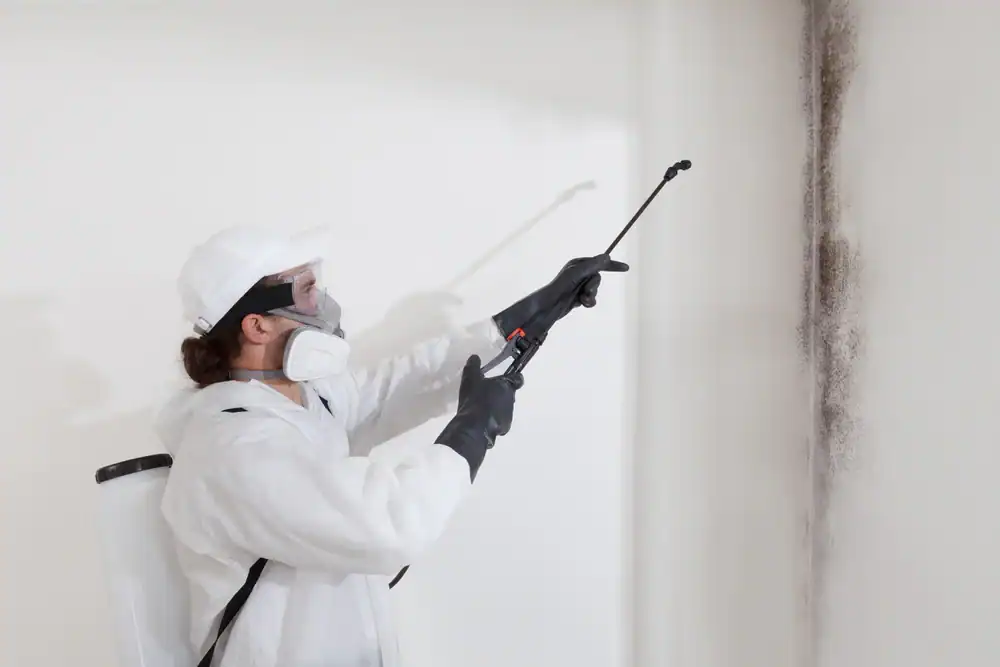
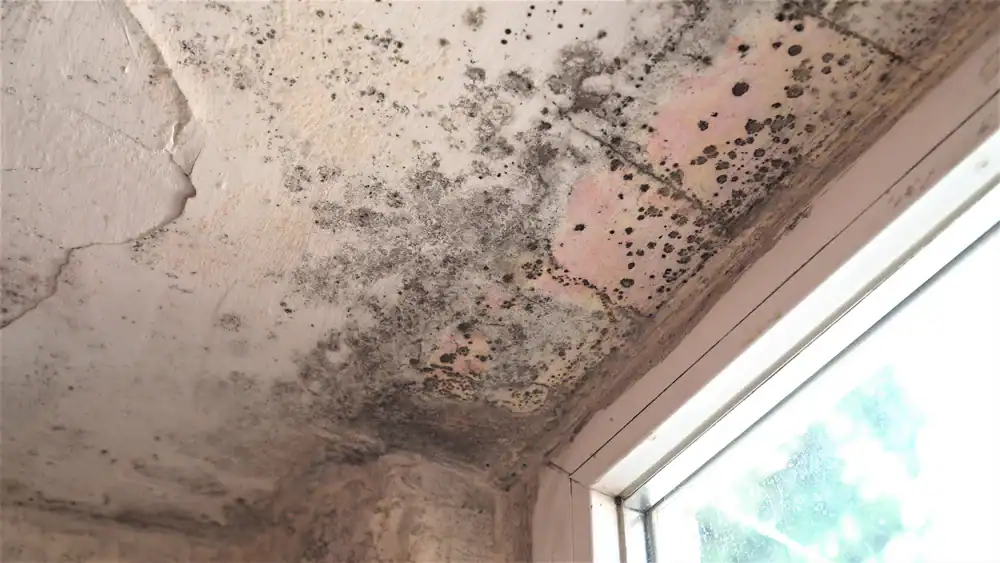
When mold’s handled right, you stop wondering if that musty smell is making your kids cough. You stop avoiding the basement or closing off rooms because the air feels wrong.
North Carolina’s humidity doesn’t give you much choice. Once moisture gets into your crawl space or behind your walls, mold finds it fast. And it spreads faster than most people realize.
Professional mold cleanup means finding every affected area, removing contaminated materials safely, and treating surfaces so spores can’t take hold again. It also means fixing the moisture issue that caused it. Without that, you’re just buying time until it grows back.
You get your space back. The air clears up. Your family isn’t breathing in allergens every time the HVAC kicks on. And if you’re planning to sell, you’re not stuck explaining a mold problem to buyers who’ll walk the second they hear it.
We’ve spent over 30 years working in crawl spaces, ductwork, and basements across the Greensboro area. We’ve seen what happens when mold gets ignored and what it takes to actually fix it for good.
Freeman Mill sits in one of the most humid parts of North Carolina. That means crawl spaces stay damp, condensation builds up fast, and mold doesn’t need much of an invitation. We know the patterns here because we’ve been dealing with them for decades.
We’re not a franchise following a script. We’re local, we understand how homes in this area are built, and we know which moisture problems show up most often. When you call, you’re talking to people who’ve done this work long enough to spot what others miss.
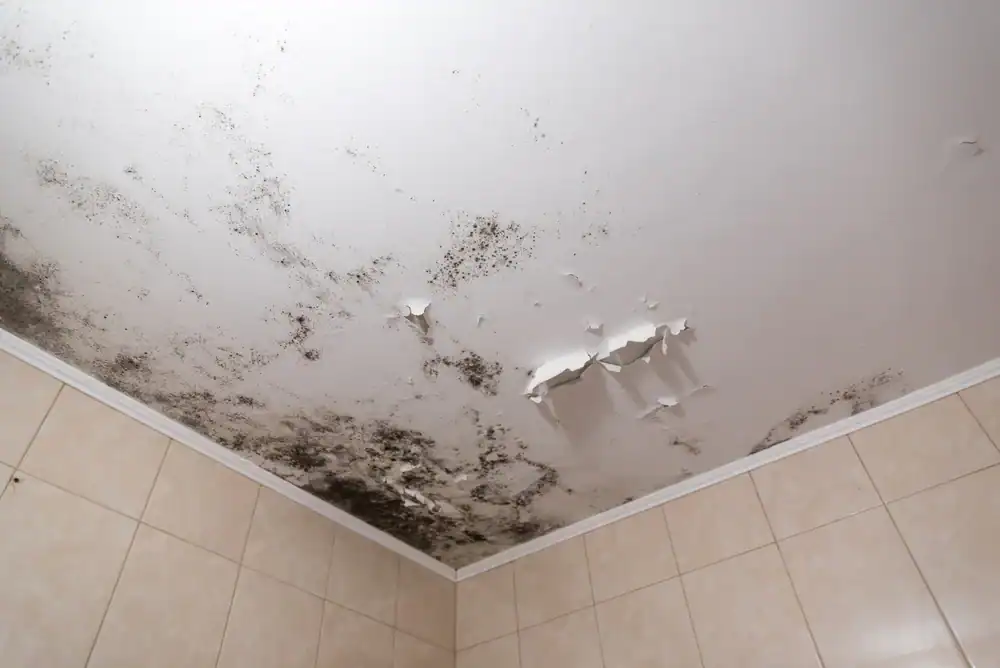
First, we inspect the area where you’ve seen or smelled mold. We also check the places you probably haven’t looked: behind insulation, under flooring, inside ductwork. Mold spreads to wherever moisture goes, and moisture doesn’t stay in one spot.
Once we know what we’re dealing with, we contain the area to keep spores from spreading during removal. Then we remove contaminated materials, treat affected surfaces with antimicrobial solutions, and clean the air using HEPA filtration. If your HVAC system pulled spores through the house, we clean that too.
The last step matters most: we find the moisture source and fix it. That might mean sealing your crawl space, rerouting drainage, fixing a leak, or installing a dehumidifier. If we don’t control the moisture, the mold will come back no matter how well we cleaned it.
You’ll know exactly what we found, what we removed, and what we did to prevent it from returning. No surprises, no upsells. Just clear communication and work that actually holds up.
Ready to get started?
You’re not just paying for mold removal. You’re paying for the inspection that finds hidden growth, the containment that keeps it from spreading, and the equipment that removes spores from your air while we work.
We remove damaged materials that can’t be saved. We treat surfaces that can. We clean your HVAC system if it’s been circulating contaminated air. And we address the moisture problem that caused the mold in the first place, whether that’s crawl space encapsulation, improved ventilation, or fixing drainage issues around your foundation.
Freeman Mill’s climate makes moisture control critical. Homes here deal with high humidity most of the year, and older homes weren’t built with the kind of vapor barriers and ventilation that prevent mold growth. We’ve worked in enough crawl spaces around here to know what actually works and what’s just a temporary patch.
When we’re done, you get documentation of what was removed and what was treated. If you’re selling your home or dealing with insurance, that matters. And if you just want to know your family isn’t breathing mold spores anymore, it gives you that peace of mind.
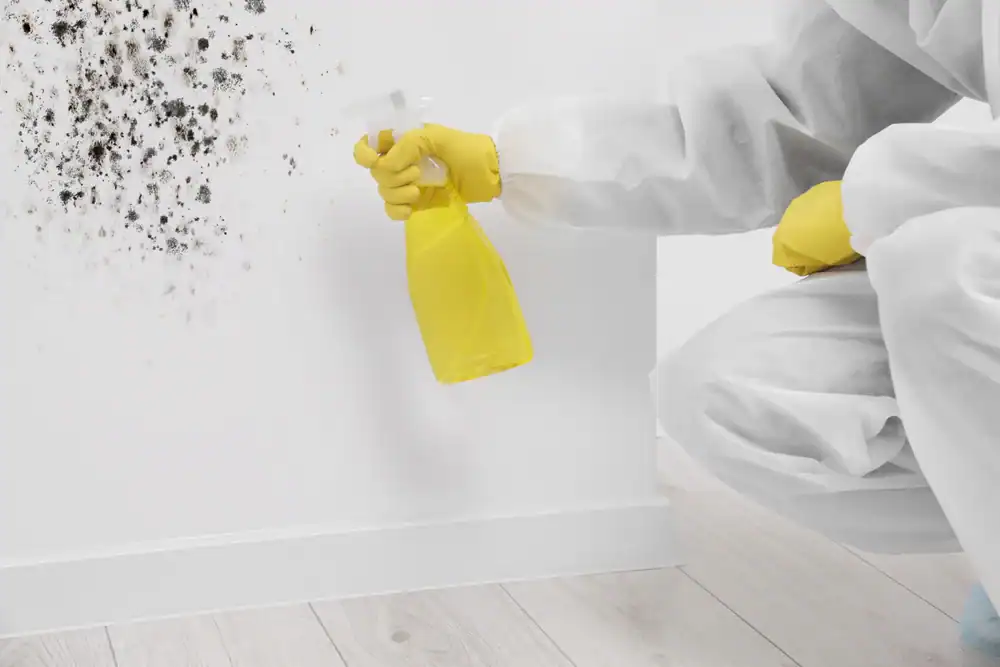
If you can see mold growing on surfaces or smell that musty, earthy odor that won’t go away, you’ve got a problem worth addressing. Visible mold means there’s likely more behind walls or under flooring where you can’t see it.
You also need professional help if you’ve had water damage, flooding, or persistent moisture issues. Mold starts growing within 24 to 48 hours after materials get wet, and it spreads fast in North Carolina’s humidity. Even if you don’t see it yet, it’s probably already there.
DIY cleaning works for small surface spots on non-porous materials like tile. But if mold is on drywall, insulation, wood framing, or inside your HVAC system, you need proper removal and treatment. Scrubbing visible mold without addressing what’s behind it or controlling moisture just means it grows back within weeks.
Mold removal sounds like you’re getting rid of every single spore, but that’s not realistic. Mold spores exist everywhere, indoors and out. The goal isn’t sterility—it’s getting mold levels back to normal and making sure it can’t grow back.
Mold remediation means removing contaminated materials, treating affected areas, cleaning the air, and fixing the conditions that allowed mold to grow. It’s a complete process, not just scrubbing what you can see.
When we talk about certified mold remediators or professional mold abatement services, we’re referring to this full process. It includes containment so spores don’t spread during work, proper disposal of materials that can’t be saved, antimicrobial treatment, air filtration, and moisture control. That’s what actually solves the problem instead of just covering it up temporarily.
Most mold remediation projects in this area run between $1,500 and $9,000, depending on how much mold you’re dealing with and where it’s growing. Small jobs in accessible areas cost less. Large infestations in crawl spaces or inside walls cost more because of the labor and materials involved.
Black mold removal typically costs more than other types because it requires extra precautions and thorough treatment. If your HVAC system spread spores throughout the house, cleaning ductwork adds to the total. And if you need crawl space encapsulation or other moisture control work to prevent mold from coming back, that’s a separate cost but worth doing right the first time.
We give you a clear estimate after inspecting your property. No hidden fees, no surprise charges. You’ll know what the work involves and what it costs before we start. Most people find that investing in proper remediation now costs less than dealing with recurring mold problems or structural damage down the road.
Small mold problems in one area might take a day or two. Larger infestations that involve multiple rooms, crawl spaces, or HVAC cleaning can take three to five days or longer.
The timeline depends on how much material needs to be removed, how long containment and treatment take, and whether we’re also doing moisture control work like crawl space sealing. We can’t rush remediation without risking incomplete removal or spore spread.
You’ll have a clear timeline after we inspect your property and explain the scope of work. We work as efficiently as possible without cutting corners, because doing it right the first time means you’re not calling us back in six months when mold shows up again. Most of our clients care more about thorough work than fast work, and we approach every job that way.
Mold comes back if the moisture problem isn’t fixed. You can remove every visible trace, treat every surface, and clean the air perfectly—but if water or humidity keeps getting into that space, mold will grow again.
That’s why moisture control is part of every mold mitigation job we do. We seal crawl spaces, improve ventilation, fix drainage issues, and install dehumidifiers when needed. North Carolina’s climate means you can’t just hope moisture stays out. You have to actively control it.
When we handle both the mold and the moisture source, the work lasts. We’ve been doing this for over 30 years, and we’ve seen what happens when companies skip the moisture step to save money or time. The mold returns, the customer pays twice, and the problem gets worse. We’d rather do it right once than see you dealing with the same issue next year.
Black mold—specifically Stachybotrys chartarum—gets the most attention because it can produce mycotoxins that cause respiratory issues, headaches, and allergic reactions in some people. But all mold growing indoors is a problem, regardless of color.
Any mold growth means you have a moisture issue and poor air quality. Whether it’s black, green, white, or orange, mold releases spores and allergens that affect your family’s health. About 10 percent of people have immune systems that overreact to mold exposure, causing significant allergic responses.
The bigger concern isn’t which type of mold you have—it’s how much is growing and how long you’ve been breathing it. Professional mold cleanup addresses all types the same way: containment, removal, treatment, and moisture control. We don’t downplay any mold problem just because it’s not the black variety that makes headlines.