

Contact Info
- Greensboro, NC 27406
- Call: 336-707-0498
- Text: 336-707-0498
-
Mon - Fri: 8am - 4pm
Sat - Sun: Closed
Contact Info
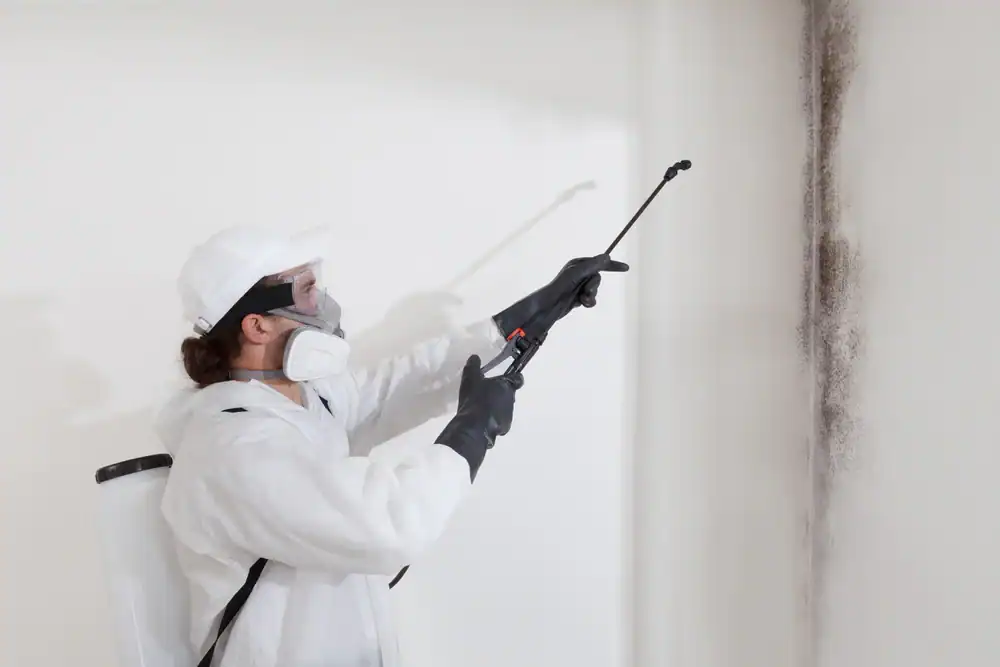
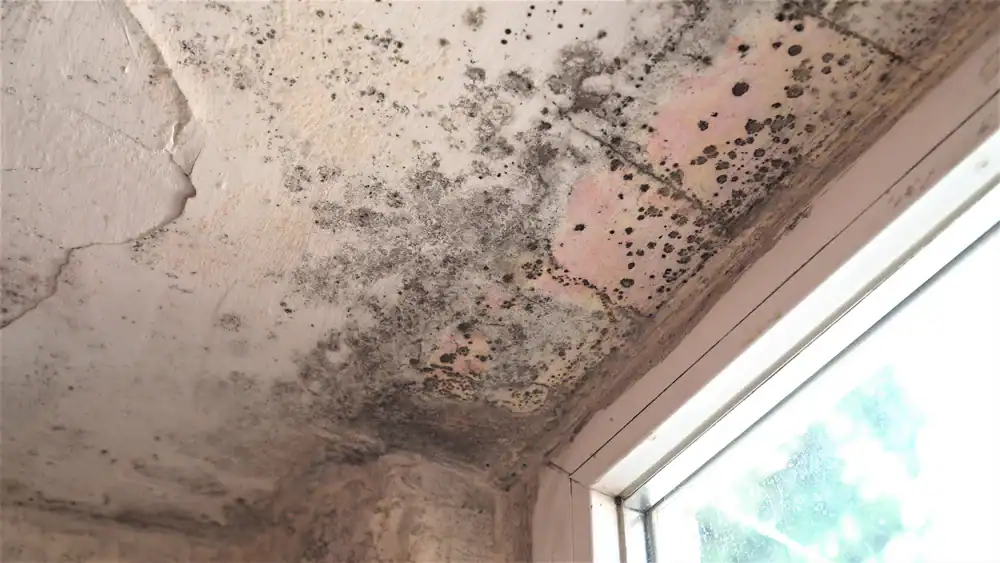
You stop worrying about what’s growing behind your walls. The musty smell disappears. Your family isn’t breathing in spores every time they walk through the living room.
That’s what proper mold removal does. It doesn’t just wipe down surfaces or mask odors. It eliminates the contamination at the source, removes affected materials when necessary, and addresses the moisture problem that caused it in the first place.
In Greensboro’s humid subtropical climate, mold doesn’t need much of an invitation. A roof leak, a damp crawl space, or even poor ventilation can create the perfect environment. Once it starts, it spreads fast—sometimes within 48 hours. You need professional mold cleanup that understands how to stop it and keep it from returning. That means proper containment, HEPA filtration, antimicrobial treatment, and moisture control that actually works in North Carolina’s weather patterns.
Clean Air LLC serves Greensboro with IICRC-certified mold abatement services that follow industry standards, not shortcuts. Our team is licensed, insured, and trained to handle everything from minor bathroom mold to full crawl space remediation.
We understand the local challenges. Greensboro’s humidity, seasonal rainfall, and older homes in neighborhoods like Sunset Hills and Westerwood create ongoing moisture issues. We’ve worked in basements near the Bog Garden, crawl spaces in Starmount Forest, and rental properties around UNCG. We know what causes mold here and how to fix it properly.
You get third-party verification after the work is done. You get documentation for insurance. You get a team that shows up when we say we will and explains what’s happening in plain language.
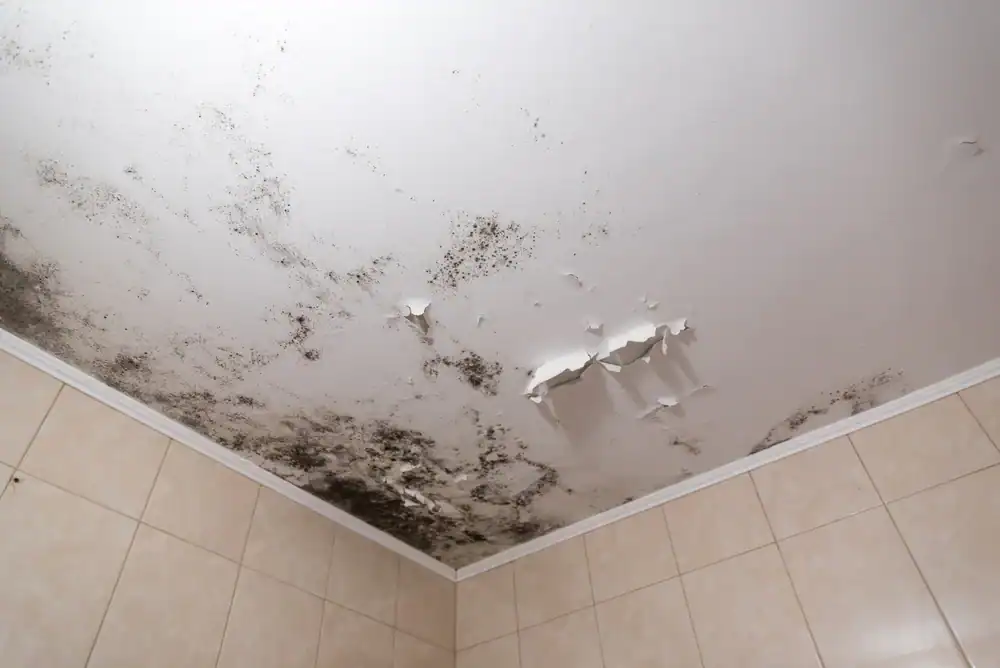
First, we inspect your property with moisture meters and infrared cameras to find visible mold and hidden growth. You get a free estimate that breaks down what needs to happen and why.
Once you approve, we contain the affected area to prevent spores from spreading during removal. We use HEPA filtration and negative air pressure to keep contamination isolated. Then we remove mold-damaged materials, treat surfaces with antimicrobial agents, and clean the air with professional-grade equipment.
After remediation, a third-party indoor hygienist verifies the work. You get documentation showing your home is safe. We also address the moisture source—whether that’s a crawl space issue, a leak, or poor ventilation—so you’re not dealing with the same problem six months later. The timeline depends on the scope. Minor jobs take one to three days. Larger projects, especially in humid periods, can take a week or more.
Ready to get started?
You get a full inspection with advanced detection technology, not just a visual check. We test moisture levels, identify the type of mold, and map out where it’s growing—including areas you can’t see.
Remediation includes containment setup, removal of contaminated materials, HEPA air scrubbing, antimicrobial treatment, and proper disposal. If your crawl space is the source, we handle encapsulation and moisture barriers. If it’s an HVAC issue, we clean ducts and address airflow problems.
Greensboro’s climate makes crawl space mold especially common. Humidity levels above 70% and temperatures between 60 and 80 degrees create ideal conditions. We install dehumidifiers, seal vents, and encapsulate spaces to keep moisture below 50%—the threshold where mold struggles to grow. You also get post-remediation verification and documentation that meets insurance requirements. This isn’t a patch job. It’s a complete system that removes the problem and reduces the chance it comes back.
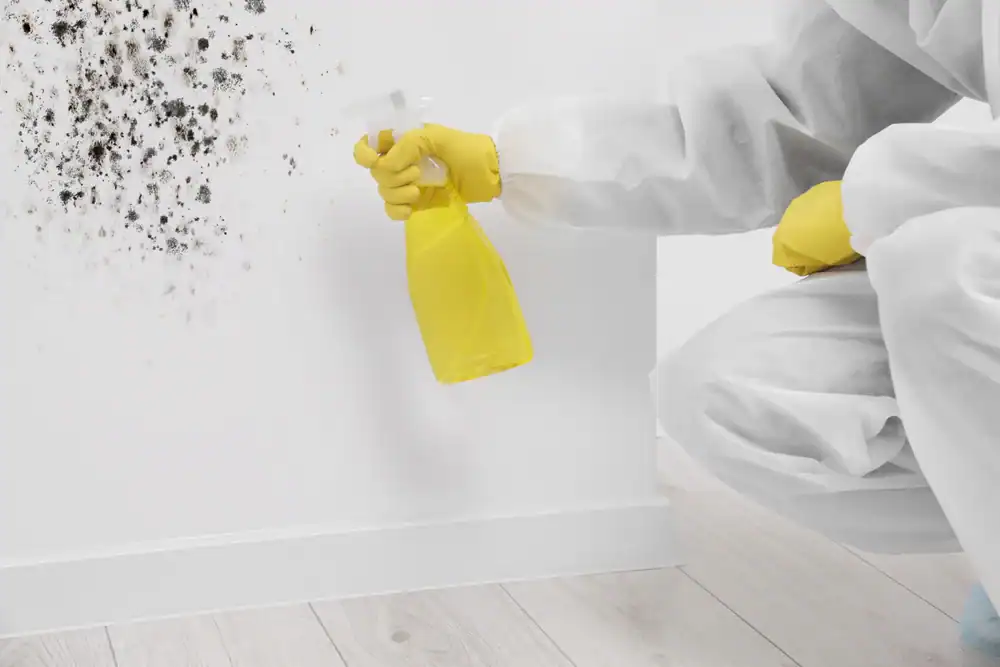
Most mold remediation projects in Greensboro range from $1,000 to $5,000, depending on the size and severity. Smaller areas like a bathroom might cost less. Larger jobs—like a full crawl space or multiple rooms—can run $4,800 to $9,500 for 500 square feet of remediation.
Cost depends on how much mold is present, what materials need removal, and whether there’s structural damage. A minor surface issue is different from black mold behind drywall or contamination throughout a crawl space. Inspection costs typically run $235 to $365 if you need testing before remediation.
We provide free estimates that break down what you’re paying for. No surprises. No upselling. Just a clear explanation of what needs to happen and what it costs.
Visible mold is obvious—dark spots on walls, ceilings, or around windows. But hidden mold is trickier. You might smell it before you see it. That musty, earthy odor is a giveaway, especially in basements or crawl spaces.
Other signs include water stains, peeling paint, warped floors, or condensation on windows. If anyone in your home has unexplained allergies, respiratory issues, or asthma flare-ups, mold exposure could be the cause. Kids and elderly adults are especially vulnerable.
Mold grows where moisture sits. Check areas with past leaks, poor ventilation, or high humidity. In Greensboro, crawl spaces and attics are common problem spots because of our climate. If you suspect mold but can’t find it, we use infrared cameras and moisture meters to detect hidden growth behind walls or under flooring.
Small surface mold—like a little growth on a bathroom tile—you can handle with proper cleaning products and ventilation. Anything larger than 10 square feet, anything involving black mold, or anything behind walls requires professional mold remediation.
DIY attempts often make things worse. Disturbing mold without proper containment spreads spores throughout your home. Using bleach on porous surfaces doesn’t kill the roots. Failing to address the moisture source means it grows back. You end up spending more money fixing the mistakes than you would’ve spent hiring professionals in the first place.
Certified mold remediators use containment barriers, HEPA filtration, and antimicrobial treatments that actually eliminate mold. We also identify why it’s growing and fix that problem. You get third-party verification afterward, which matters if you’re selling your home or dealing with insurance.
Minor projects take one to three days. A small bathroom or isolated area can be contained, treated, and verified quickly. Moderate jobs—like a larger basement or multiple rooms—take up to a week.
Large-scale remediation, especially in crawl spaces or after significant water damage, can take several weeks. Greensboro’s humidity can slow drying times, which extends the process. We won’t rush the job just to finish faster. Proper drying and treatment take as long as they take.
Timeline also depends on the scope of repairs. If we’re removing drywall, treating framing, and encapsulating a crawl space, that’s more involved than surface cleaning. We’ll give you a realistic estimate upfront so you know what to expect. Most homeowners are back to normal within a week for typical projects.
It depends on what caused the mold. If it resulted from a covered event—like a sudden pipe burst or storm damage—insurance may cover remediation. If it’s from long-term neglect, poor maintenance, or gradual leaks, probably not.
Insurance companies want documentation. That means professional inspection reports, photos, moisture readings, and proof that remediation followed industry standards. We provide all of that. We’ve worked with insurance claims before and know what adjusters need to see.
Read your policy carefully. Some policies exclude mold coverage entirely. Others cap it at a specific dollar amount. If you’re filing a claim, call us before you start remediation. We can document everything properly and provide estimates that support your claim. Even if insurance doesn’t cover it, you still need the mold removed. Waiting only makes it worse and more expensive.
Mold removal sounds like you’re getting rid of every single spore. That’s not realistic. Mold spores exist everywhere. The goal isn’t zero mold—it’s reducing contamination to safe, normal levels and eliminating active growth.
Mold remediation is the correct term. It means identifying the source, containing the affected area, removing contaminated materials, treating surfaces, and controlling moisture so mold doesn’t return. It’s a process, not just a cleaning job.
We follow IICRC S520 standards and EPA guidelines. We don’t just spray bleach and call it done. We use HEPA filtration, antimicrobial agents, and moisture control systems designed for Greensboro’s climate. You get third-party verification afterward to confirm the work was done right. That’s the difference between a real solution and a temporary fix.