

Contact Info
- Greensboro, NC 27406
- Call: 336-707-0498
- Text: 336-707-0498
-
Mon - Fri: 8am - 4pm
Sat - Sun: Closed
Contact Info
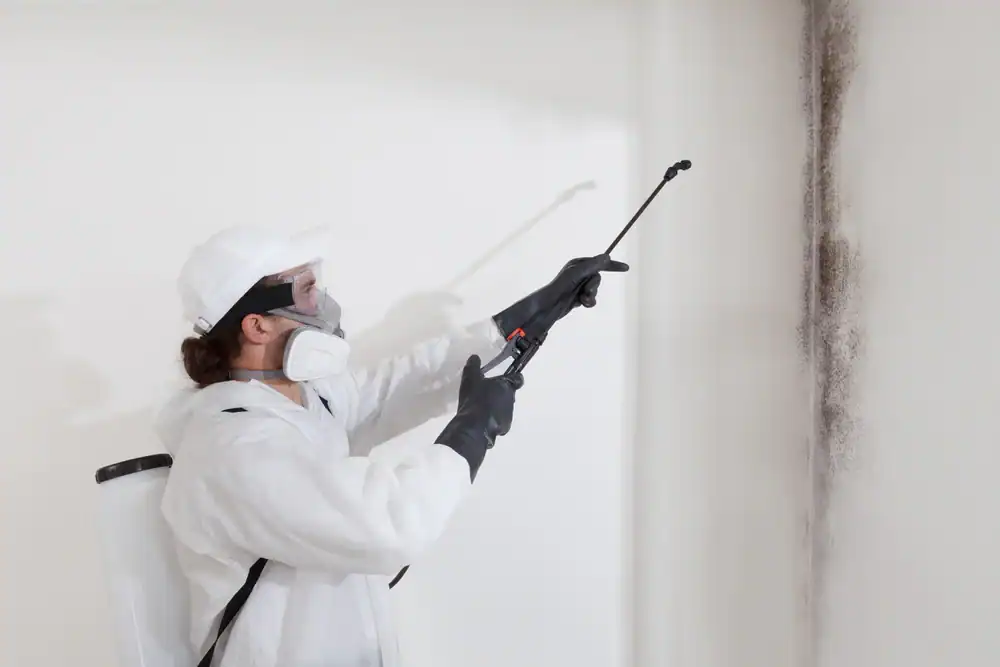
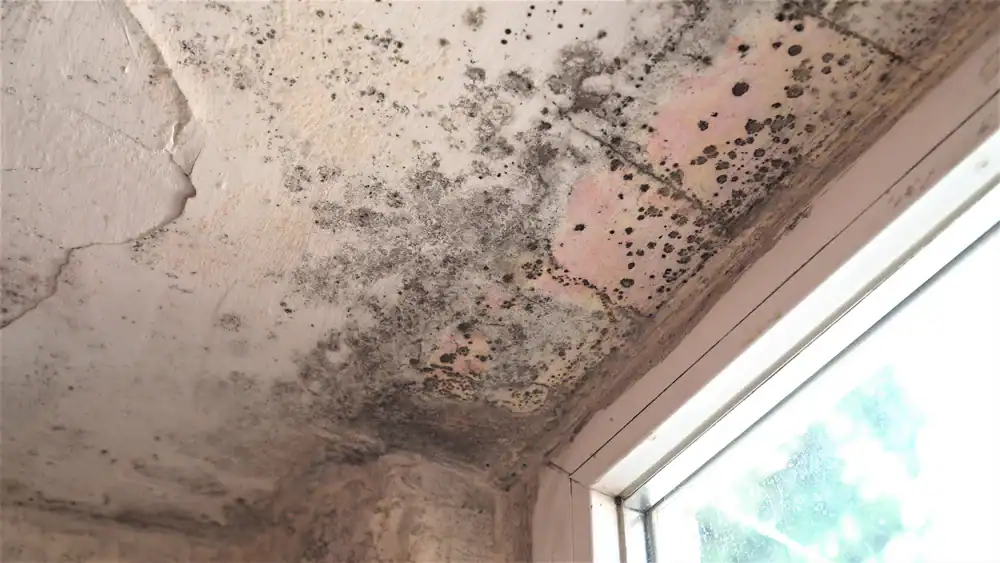
Here’s what matters: mold isn’t just unsightly. It’s a health risk that gets worse the longer it sits.
In Haw River’s humid climate, mold finds the perfect conditions to grow in crawl spaces, HVAC systems, and anywhere moisture accumulates. North Carolina’s warm summers and heavy rainfall create an environment where mold can colonize within 24 to 48 hours once moisture shows up.
When you work with us, you’re getting complete mold remediation that addresses the contamination and the conditions causing it. That means testing to identify what you’re dealing with, removal that follows industry standards, and prevention strategies that keep it from coming back. You’re not just cleaning up a mess—you’re protecting your family from respiratory issues, allergic reactions, and the long-term health problems that come with mold exposure.
Clean Air LLC is an independent mold testing and remediation company serving homeowners, contractors, realtors, and insurance companies throughout Alamance County. We specialize in crawl space solutions, HVAC duct cleaning, and comprehensive mold removal—nothing else.
That focus matters because mold problems in Haw River aren’t the same as mold problems everywhere else. The climate here creates specific challenges with humidity, condensation, and moisture intrusion that require local expertise and tailored solutions.
Our team uses industry-leading equipment and follows IICRC S520 standards for professional mold remediation. We’re not a franchise following a script—we’re a local company that understands what homes in this area are up against.
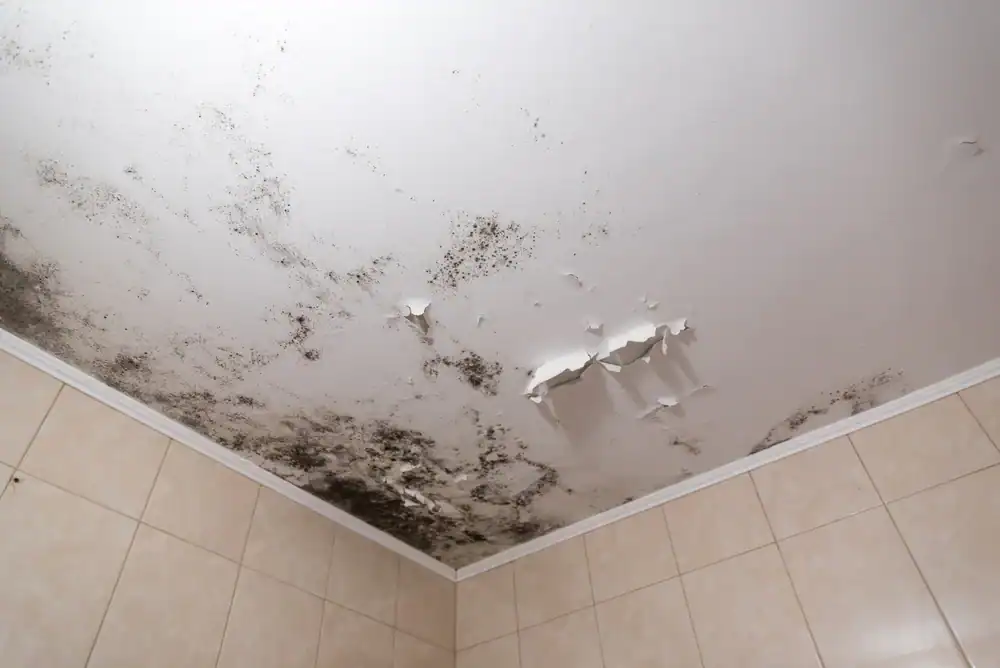
First, we assess the situation. That means a thorough inspection to identify where the mold is, what type you’re dealing with, and what’s causing the moisture problem in the first place. We use infrared cameras and moisture meters to find issues you can’t see.
Next comes containment and removal. We isolate the affected area to prevent spores from spreading during cleanup, then remove contaminated materials using HEPA vacuums that capture 99.97% of particles as small as 0.3 microns. If you’re dealing with black mold or extensive contamination, we follow strict protocols to protect both you and our crew.
Then we address the source. Removing visible mold doesn’t solve anything if the moisture problem remains. We identify whether you need better ventilation, dehumidification, crawl space encapsulation, or structural repairs—and we’re honest about what’s necessary versus what’s optional.
Finally, we verify the work. Post-remediation testing confirms that mold levels are back to normal and your indoor air quality is safe.
Ready to get started?
You’re getting comprehensive indoor air quality solutions that go beyond surface-level cleaning. Our mold abatement services include complete testing and lab analysis, containment procedures that prevent cross-contamination, HEPA vacuuming and air scrubbing, removal of affected materials when necessary, antimicrobial treatment, and moisture control recommendations.
For homes in Haw River, crawl space issues are often the root cause. When relative humidity exceeds 60% in your crawl space, you’re creating ideal conditions for mold growth, wood rot, and structural damage. We address that through encapsulation, dehumidification, and ventilation improvements designed specifically for North Carolina’s climate.
We also clean HVAC systems that have become contaminated. Your heating and cooling system can spread mold spores throughout your entire home if ducts are compromised. We remove dust, debris, and contaminants from your ventilation system so you’re not constantly reintroducing the problem into your living space.
Every job includes documentation for insurance purposes if your mold damage is covered by your homeowners policy. We know how to work with insurance companies and provide the evidence they need.
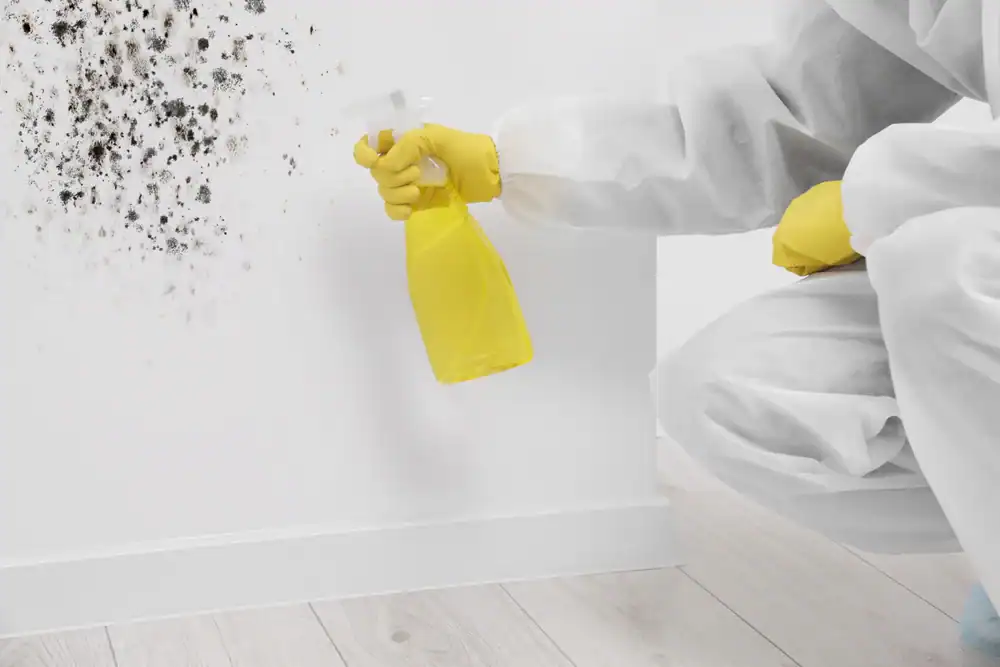
If you can see mold growth, smell a musty odor, or you’re experiencing unexplained respiratory symptoms at home, you need professional assessment at minimum. Mold isn’t always visible—it grows behind walls, under flooring, and in crawl spaces where you’d never notice until the problem is severe.
DIY cleaning works for small surface areas like bathroom grout, but it fails when mold has penetrated porous materials or when the contamination covers more than a few square feet. Scrubbing visible mold without addressing moisture and hidden growth just means it comes back, often worse than before.
Professional mold remediation includes testing to identify the specific type and extent of contamination, proper containment to prevent spreading spores during cleanup, and equipment like HEPA vacuums and industrial dehumidifiers that actually remove mold at the microscopic level. You’re also getting someone who can identify and fix the moisture problem causing the mold, which is the only way to prevent recurrence.
Most residential mold removal projects in Haw River take between two and five days, depending on the extent of contamination and how much material needs to be removed. A single affected bathroom might be done in a day or two. A crawl space with significant mold growth and structural issues could take a week.
The timeline depends on several factors: how much area is contaminated, whether materials like drywall or insulation need to be removed and replaced, how long it takes to dry out the space completely, and whether we’re also addressing underlying issues like crawl space encapsulation or HVAC cleaning.
We can usually respond within 24 to 48 hours for assessment, which matters because mold spreads quickly in the right conditions. The actual remediation work follows a specific sequence—containment, removal, cleaning, drying, verification—that can’t be rushed without compromising results. You’ll know the expected timeline after the initial inspection, and we keep you updated if anything changes during the work.
It depends on what caused the mold. Most homeowners insurance policies in North Carolina cover mold remediation if the mold resulted from a covered peril like a burst pipe, roof leak from storm damage, or appliance malfunction. They typically don’t cover mold that developed from long-term maintenance issues, humidity, or gradual water damage you should have noticed and addressed.
The key is documentation. Insurance companies want proof of what caused the problem, when it started, and that you took reasonable steps to prevent further damage. We provide detailed reports, photos, and moisture readings that support your claim if the damage qualifies for coverage.
You’ll want to review your specific policy because coverage limits for mold vary widely—some policies cap mold remediation at $10,000, others offer more. If you’re filing a claim, contact your insurance company before starting work so they can send an adjuster. We’re experienced in working with insurance companies and can help you navigate that process, but we can’t guarantee coverage since every policy and situation is different.
Recurring mold means you have an ongoing moisture problem that hasn’t been fixed. Mold needs three things to grow: moisture, organic material to feed on, and the right temperature. Your home provides the last two automatically, so moisture is the only variable you can control.
In Haw River homes, the most common sources are crawl space humidity that rises into living areas, HVAC systems that aren’t properly dehumidifying, roof or plumbing leaks that go unnoticed, poor ventilation in bathrooms and kitchens, and condensation from temperature differences between indoor and outdoor air. North Carolina’s humid summers make all of these worse.
If you’ve cleaned mold multiple times and it keeps returning to the same spot, that tells you exactly where to focus. We use moisture meters and infrared cameras to track down the source—sometimes it’s obvious like a leaking pipe, other times it’s hidden like condensation inside walls or air leaks in your crawl space. Fixing the moisture problem is the only permanent solution. Everything else is temporary.
Black mold—specifically Stachybotrys chartarum—can produce mycotoxins that cause more severe health reactions than common household molds, but the CDC’s position is that any mold exposure can cause health problems in susceptible people. The type matters less than the amount and your individual sensitivity.
Symptoms from mold exposure range from minor allergic reactions like sneezing and itchy eyes to serious respiratory issues, asthma attacks, and chronic sinus infections. People with existing respiratory conditions, young children, elderly individuals, and anyone with compromised immune systems face higher risk regardless of mold type.
What matters practically: if you see mold growth in your home, treat it seriously whether it’s black, green, white, or any other color. You can’t identify mold species by appearance alone—that requires lab testing. All mold indicates a moisture problem that needs fixing, and all mold should be removed properly to protect your indoor air quality. Don’t let debates about toxicity levels delay action. The longer mold grows, the more extensive the damage and the higher your remediation costs.
Control moisture and you control mold. That means keeping indoor humidity below 60%, fixing leaks immediately when they happen, ensuring proper ventilation in bathrooms and kitchens, maintaining your HVAC system so it dehumidifies effectively, and addressing crawl space conditions before they become problems.
For Haw River specifically, crawl space management is critical. North Carolina’s climate creates temperature differences that cause warm, humid air to condense on cooler surfaces in your crawl space. That condensation leads to mold growth, wood rot, and structural issues. Crawl space encapsulation with a vapor barrier, proper dehumidification, and sealed vents prevent moisture intrusion that causes most mold problems in homes here.
Other prevention steps include cleaning gutters so water drains away from your foundation, grading soil so it slopes away from your house, using exhaust fans when cooking or showering, and inspecting areas prone to leaks like under sinks and around water heaters. If you’ve had mold before, annual inspections catch new growth early when it’s easier and cheaper to address. Prevention costs less than remediation, and it protects your family’s health and your property value long-term.