
Contact Info
- Greensboro, NC 27406
- Call: 336-707-0498
- Text: 336-707-0498
-
Mon - Fri: 8am - 4pm
Sat - Sun: Closed
Contact Info
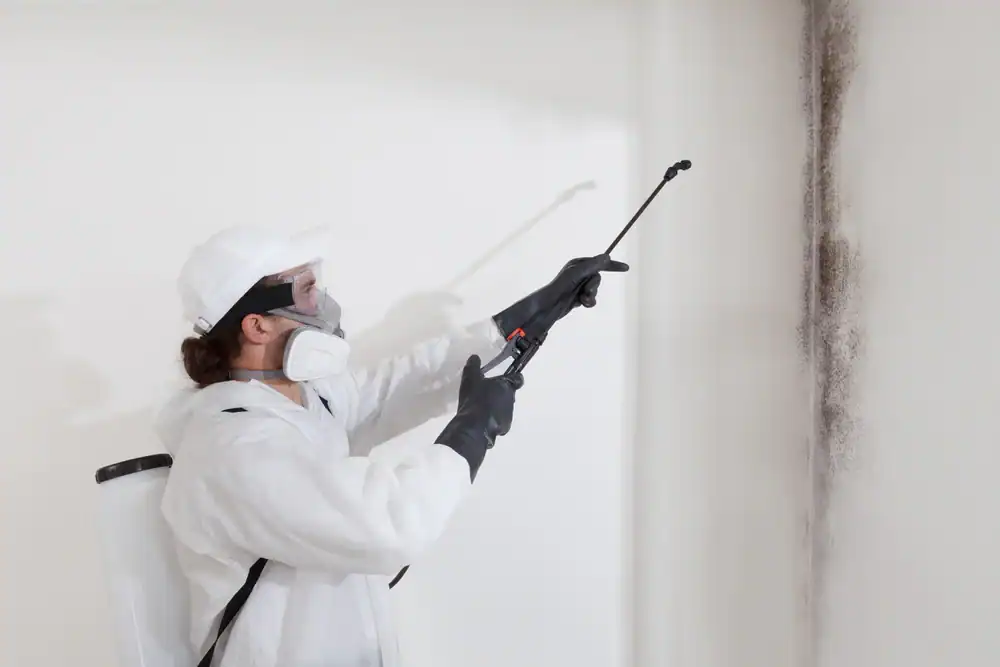
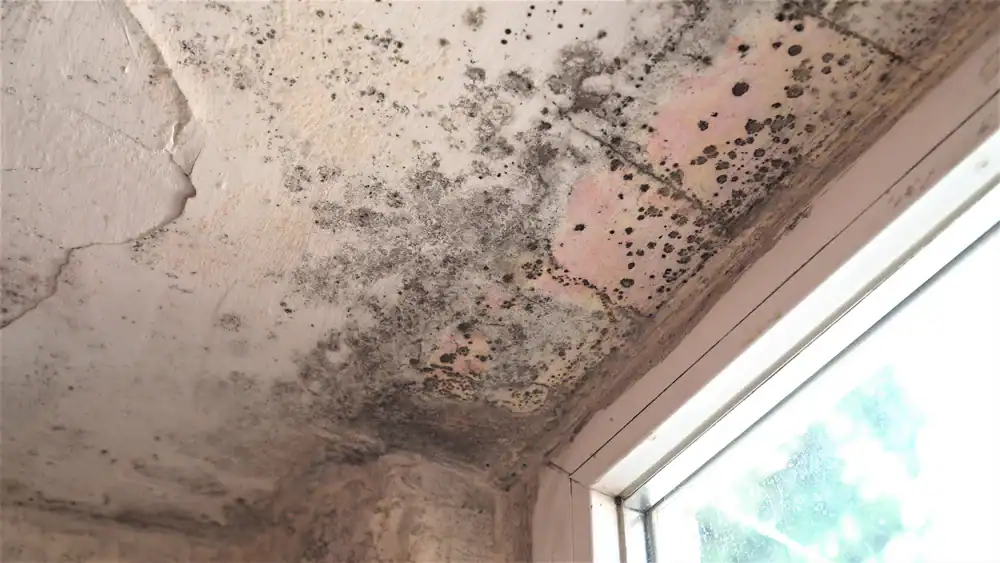
When mold’s handled correctly, you stop wondering if your home is making you sick. Your allergies calm down. The musty smell disappears. You’re not constantly running a dehumidifier and hoping for the best.
North Carolina’s humidity doesn’t make this easy. With average relative humidity over 70 percent year-round, your crawl space and HVAC system are working overtime just to stay dry. When moisture gets ahead of you, mold follows fast.
Professional mold cleanup means someone actually finds where the water’s coming from—not just scrubbing what you can see. It means containment so spores don’t spread during removal. It means treating the surfaces properly and installing systems that control moisture long-term. You’re not just cleaning up a mess. You’re fixing why it happened.
Clean Air LLC is an independent mold testing and remediation company serving Highland Park West and the surrounding area. We’re certified in indoor air quality, and we’ve handled everything from small bathroom mold issues to full crawl space overhauls after flooding.
We’re not a franchise following a script. We know what North Carolina humidity does to homes, especially older ones without proper crawl space encapsulation. We’ve seen what happens when moisture barriers fail, when HVAC ducts get contaminated, and when small leaks turn into big problems.
You’ll work with people who’ve been in hundreds of crawl spaces and attics across the region. We’ll explain what we find, what needs to happen, and what it’ll cost before we start.
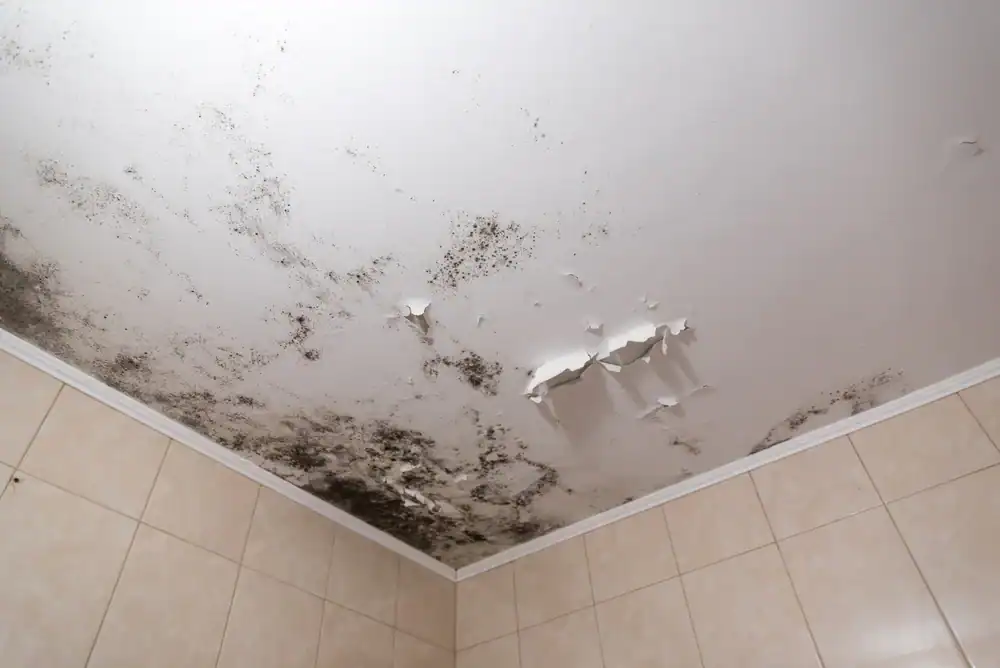
First, we inspect your property and test for mold. We’re looking for visible growth, but also moisture levels, air quality, and hidden problem areas like behind walls or under insulation. We use thermal imaging and moisture meters to find what you can’t see.
Once we know what we’re dealing with, we contain the area. That means sealing off the workspace with plastic barriers and negative air pressure so mold spores don’t spread to clean areas during removal. This step matters more than most people realize.
Then we remove the contaminated materials—drywall, insulation, wood, whatever’s affected—and treat surfaces with antimicrobial solutions. If it’s your crawl space, we’re likely pulling out old vapor barriers, treating floor joists, and preparing for encapsulation. If it’s your ducts, we’re cleaning the entire HVAC system and sanitizing it properly.
Finally, we address the moisture source. Maybe that’s installing a commercial dehumidifier, sealing your crawl space, fixing drainage issues, or upgrading ventilation. Without this step, you’re just waiting for mold to come back.
Ready to get started?
You’re getting a full assessment with moisture mapping and air quality testing. We document everything with photos and lab results if needed—helpful for insurance claims or real estate transactions.
The remediation itself includes containment setup, safe removal of all affected materials, HEPA air filtration during the work, antimicrobial treatment, and proper disposal. We’re licensed to handle black mold and other toxic species safely.
For crawl spaces specifically, we’re also looking at vapor barriers, insulation replacement, structural wood treatment, and full encapsulation if that’s what your home needs. Highland Park West homes—especially older ones—often have crawl spaces that were never properly sealed. That’s where most moisture problems start.
We also clean and sanitize HVAC systems when ducts are contaminated. Mold in your air handler or ductwork means you’re blowing spores through your whole house every time the system runs. Duct cleaning isn’t optional in those cases—it’s necessary.
After the work’s done, we install dehumidifiers or moisture control systems to keep levels where they need to be. In North Carolina, that’s usually between 30-50% relative humidity. Anything higher and you’re back in mold territory within months.
Most mold remediation projects in Highland Park West run between $10 and $25 per square foot, but that range shifts based on how bad it is and where the mold’s growing. A small bathroom with surface mold might cost $500 to $1,500. A full crawl space remediation with encapsulation can run $3,000 to $8,000 or more.
The price depends on the size of the affected area, what materials need removing, how much containment is required, and whether you need ongoing moisture control systems installed. If your HVAC system is contaminated, add another $800 to $2,000 for duct cleaning and sanitization.
Get a detailed estimate before any work starts. You want line items, not a vague number. And if someone quotes you without actually inspecting the space, that’s a red flag.
If it’s a small area—less than 10 square feet—and it’s on a hard, non-porous surface like tile, you can probably handle it yourself with the right cleaner and some precautions. But if it’s on drywall, wood, insulation, or anything porous, DIY cleaning doesn’t work. You’re just wiping the surface while the mold stays in the material.
You also need a professional if you’re dealing with black mold, if anyone in your home has respiratory issues, or if the mold keeps coming back. That last one means there’s a moisture problem you’re not addressing, and no amount of scrubbing fixes that.
Professional mold abatement services include containment, which stops spores from spreading while we work. It includes proper removal and disposal of contaminated materials. And it includes fixing the underlying moisture issue so you’re not doing this again in six months. Most people who try DIY end up calling us later anyway—after the problem’s gotten worse.
A straightforward mold removal job in a single room usually takes one to three days. That includes setup, containment, removal, treatment, and cleanup. Larger projects like full crawl space remediation can take a week or more, especially if we’re also doing encapsulation and installing moisture control systems.
The timeline depends on the size of the area, how extensive the contamination is, what materials we’re removing, and how long those materials take to dry after treatment. If we’re waiting for wood to dry before sealing it, that adds time. If we’re coordinating with other contractors for repairs, that adds time too.
We’ll give you a realistic timeline upfront. We can usually start within a few days of your call, sometimes sooner if it’s an emergency situation like flooding. The key is not rushing the job—doing it right matters more than doing it fast.
Moisture. That’s it. Mold needs water, warmth, and organic material to grow, and North Carolina gives it all three for most of the year. With humidity regularly above 70 percent, your home is constantly fighting moisture intrusion.
The most common sources are crawl space moisture from ground vapor, roof leaks, plumbing leaks, poor ventilation in bathrooms and kitchens, HVAC condensation issues, and flooding or water damage that wasn’t dried properly. Older homes in Highland Park West often lack proper vapor barriers in crawl spaces, which means ground moisture rises straight into your floor joists and subfloor.
Climate change is making this worse. Heavier rainfall, longer humid periods, and more frequent flooding mean homes that never had mold problems before are suddenly dealing with them. If your crawl space isn’t encapsulated and you don’t have a dehumidifier running, you’re at high risk. The question isn’t if you’ll get mold—it’s when.
Not if the moisture problem is fixed. Mold removal without moisture control is temporary. You can scrub every surface, remove every contaminated material, and treat everything with the best antimicrobials available—but if water’s still getting in, mold will return.
That’s why we focus on the source. We’re sealing crawl spaces, installing dehumidifiers, fixing drainage issues, improving ventilation, and making sure your home can maintain proper humidity levels year-round. In North Carolina, that usually means keeping indoor humidity between 30-50 percent, which requires active moisture management.
After professional remediation with proper moisture control, mold shouldn’t come back in the treated areas. If it does, either the moisture source wasn’t fully addressed or there’s a new leak or issue that needs attention. We warranty our work and will come back if there’s a problem within the warranty period.
Mold exposure can cause real health problems, especially for people with allergies, asthma, or compromised immune systems. Common symptoms include respiratory issues, coughing, wheezing, throat irritation, nasal congestion, eye irritation, and skin reactions. Some people develop more severe responses depending on the type of mold and how much they’re exposed to.
Black mold (Stachybotrys chartarum) gets the most attention because it can produce mycotoxins, but all mold should be taken seriously. Studies suggest that 15-50 percent of people who are genetically prone to allergies will react to mold, and about 21 percent of current asthma cases in the U.S. may be linked to dampness and mold in homes.
If you’re experiencing unexplained respiratory symptoms, fatigue, headaches, or allergic reactions that improve when you leave your home, mold could be the cause. You don’t want to live with it. Professional testing can identify what you’re dealing with, and professional mold mitigation removes it safely without spreading spores throughout your house during the process.