

Contact Info
- Greensboro, NC 27406
- Call: 336-707-0498
- Text: 336-707-0498
-
Mon - Fri: 8am - 4pm
Sat - Sun: Closed
Contact Info
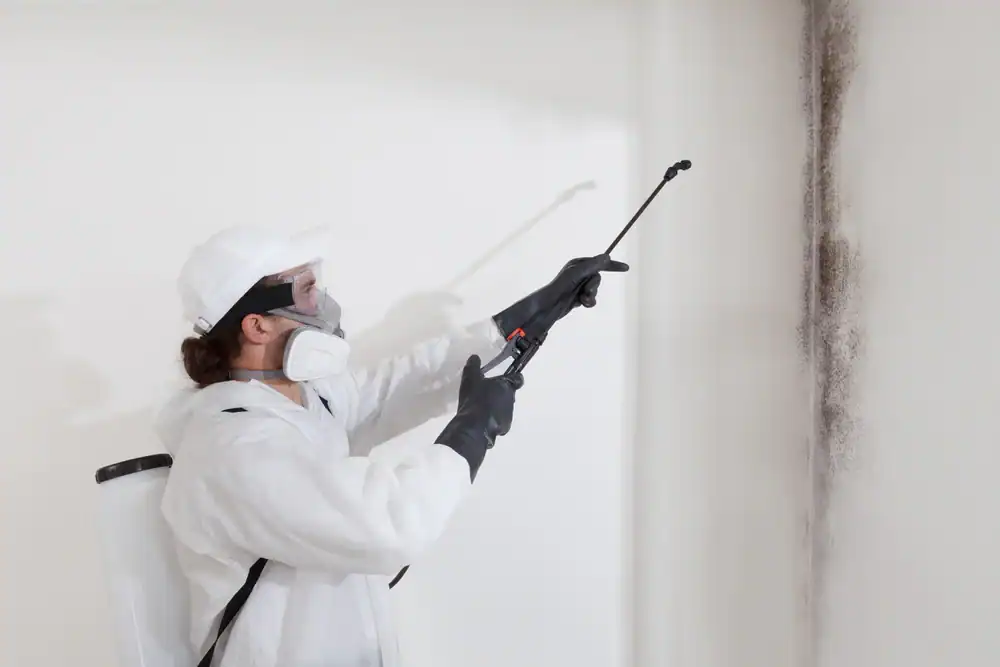
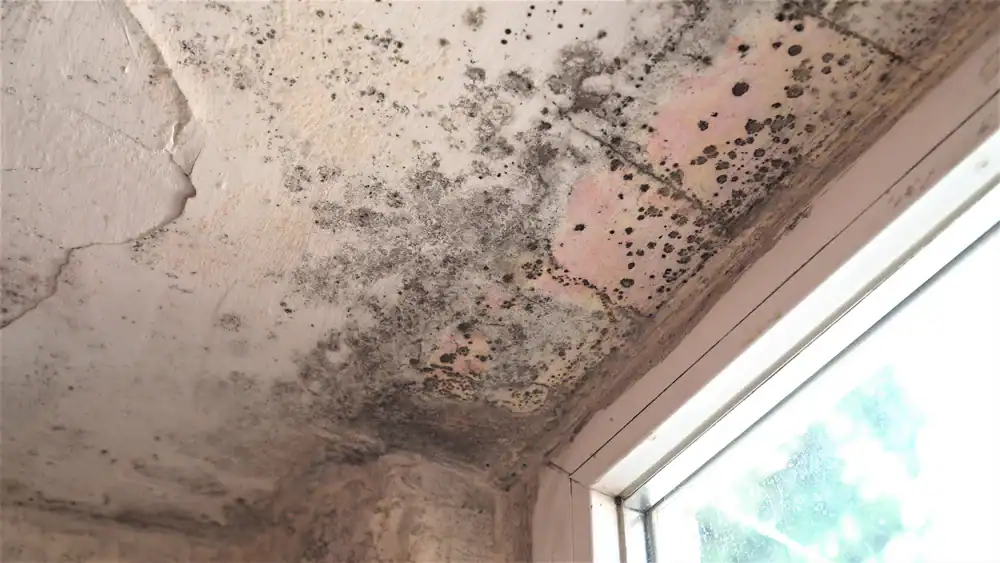
Mold doesn’t just sit there. It spreads through your HVAC system, into your walls, and throughout every room you’re trying to keep clean. You’re breathing it in while you sleep, and your kids are breathing it in while they play.
Professional mold cleanup means you’re not just wiping down visible spots. You’re eliminating the moisture source that caused it, removing contaminated materials properly, and treating areas where spores have already traveled. That’s how you actually stop it.
When the job’s done right, you’re not wondering if it’ll come back next month. You’re not smelling that musty odor every time you walk downstairs. You’re living in a space where the air quality isn’t making anyone sick, and the structure of your home isn’t quietly rotting away.
We’ve been handling mold problems in Kings Crossroads and throughout the Greensboro area since the early ’90s. We’ve seen what happens when moisture gets into crawl spaces during North Carolina’s humid summers, and we know exactly how fast black mold can take over after a pipe bursts or a roof leaks.
Our focus has always been indoor air quality. That means we’re not just treating the mold you can see—we’re going after the contamination in your HVAC ducts, sealing up the crawl spaces where humidity breeds growth, and making sure the problem doesn’t restart the moment we leave.
You’re dealing with a company that local HVAC contractors trust enough to refer their own customers to. That’s not something we advertise—it’s just what happens when you do thorough work for three decades straight.
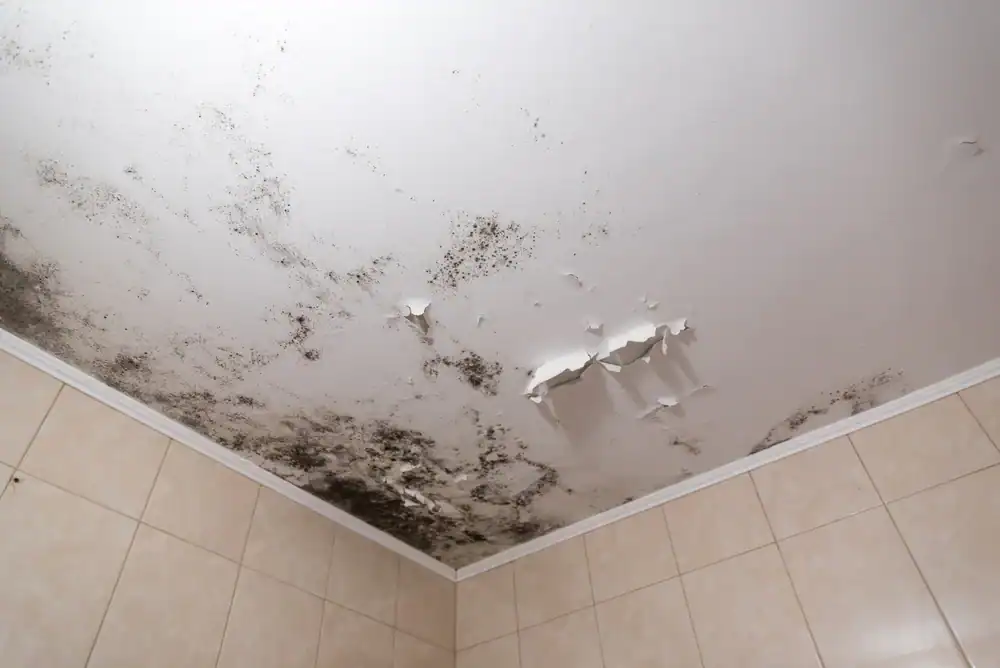
First, we inspect the affected areas and identify where moisture is coming from. Mold removal without fixing the moisture problem is pointless—you’ll just be dealing with new growth in a few weeks. We locate leaks, check humidity levels, and assess how far the contamination has spread through your ventilation system.
Next, we contain the work area to prevent spores from traveling to clean parts of your home during removal. We remove contaminated materials that can’t be salvaged, treat surfaces with antimicrobial solutions, and clean out your HVAC ducts if they’ve been compromised. This isn’t a surface-level wipe-down—it’s a complete elimination of the growth and the particles it’s already released.
Finally, we address the source. That usually means sealing and encapsulating your crawl space, fixing drainage issues, or improving ventilation in problem areas. You’re left with a home where mold can’t easily come back, and air quality that’s measurably better than it was before.
Ready to get started?
You’re getting a full assessment of your mold problem and the conditions causing it. That includes moisture testing, visual inspection of hidden areas like crawl spaces and attics, and an honest evaluation of what needs to be done. No upselling on services that won’t help.
The removal process includes containment, safe removal of affected materials, HEPA filtration during the work, and thorough cleaning of your ductwork if contamination has spread through your HVAC system. We’re also handling the prevention side—crawl space encapsulation, vapor barriers, and sealing entry points where humid outdoor air is getting in.
Here in Kings Crossroads, NC, you’re dealing with a climate that’s perfect for mold growth. North Carolina ranks in the top 10 states for mold problems because our temperatures stay between 60-80°F most of the year, and our humidity regularly pushes past 70%. That’s why moisture control isn’t optional—it’s the only way to keep mold from coming back after remediation. We’ve been managing these exact conditions for local homeowners since the ’90s, so we know what works in this area and what’s just a temporary fix.
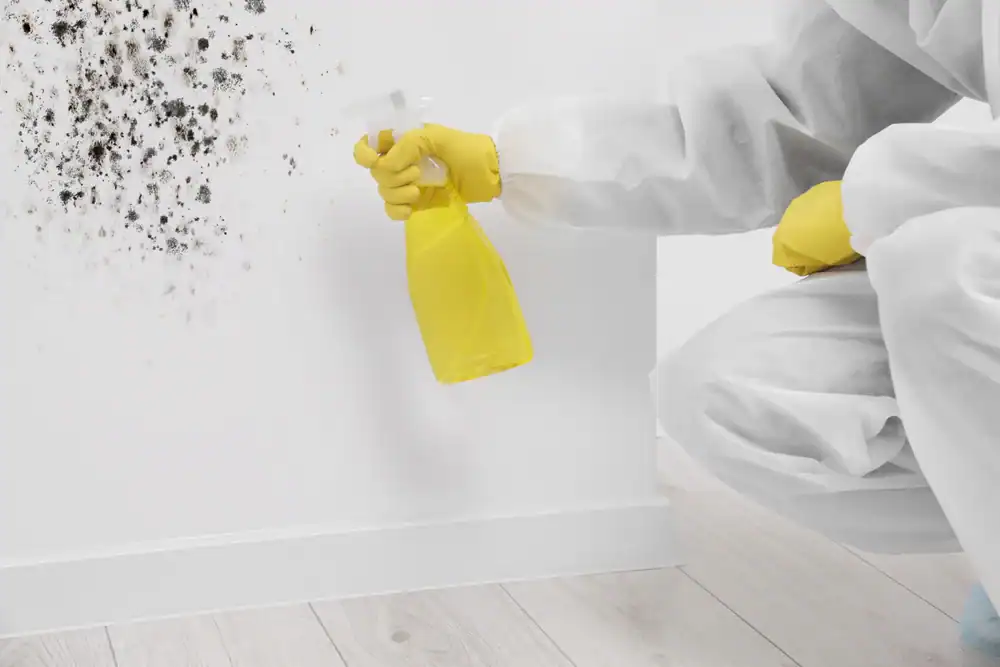
Mold can start growing within 24 to 48 hours after water exposure. That’s not a lot of time, and it’s why response speed matters so much when you’ve had a leak, flood, or pipe burst.
Once those first spores take hold, they spread fast. Within a week or two, you’re looking at visible patches. Within a few weeks, mold can spread throughout your entire house via your HVAC system—every time your heat or AC kicks on, it’s circulating spores into rooms that were never even wet.
If you’re seeing water damage, don’t wait to see if mold appears. By the time it’s visible, it’s already established. The best move is getting a professional assessment right away so you can dry things out properly and treat areas before growth starts. Waiting to “see what happens” usually means you’re dealing with a much bigger problem a month later.
Mold removal sounds like you’re getting rid of every single spore, but that’s not realistic. Mold spores exist everywhere—they’re in outdoor air, and they’re floating around your house right now even if you don’t have a mold problem. True “removal” of all mold isn’t possible.
Mold remediation is about bringing levels back to normal and eliminating active growth. That means removing contaminated materials, treating affected surfaces, cleaning your air ducts, and most importantly—fixing the moisture problem that caused it. If you don’t address humidity, leaks, or ventilation issues, you’re just going to have mold again.
The term “remediation” is more honest about what’s actually happening. You’re remediating the problem—getting rid of the harmful growth, reducing spore counts to safe levels, and preventing it from coming back. That’s a complete solution, not just a surface cleaning that looks good for a few weeks.
Black mold—specifically Stachybotrys chartarum—produces mycotoxins that can cause serious health problems, especially with prolonged exposure. It’s been linked to respiratory issues, chronic headaches, fatigue, and in children, potential neurological effects because their brains are still developing.
That said, any mold growth in your home is a problem. You don’t need to have the “toxic black mold” to experience allergic reactions, asthma triggers, or respiratory infections. All mold releases spores and particles that degrade your indoor air quality and can make you sick over time.
The danger isn’t just the mold itself—it’s what it indicates. If you have mold growing, you have a moisture problem. That moisture is also causing wood rot, attracting pests, and damaging your home’s structure. So whether it’s black mold or another species, the right move is getting it professionally remediated and fixing whatever’s letting moisture in. Don’t downplay it just because it might not be the “scary” kind.
Cost depends entirely on how extensive the problem is. A small, contained area like mold under a sink might run a few hundred dollars. A crawl space with widespread growth and necessary encapsulation can run several thousand. Whole-home remediation after flooding or long-term moisture issues can reach $10,000 to $30,000 in severe cases.
The size of the affected area, the type of materials involved, and whether your HVAC system is contaminated all factor into pricing. If we need to remove drywall, insulation, or flooring, costs go up. If we’re sealing and encapsulating a crawl space to prevent future growth, that’s an additional investment—but it’s also what keeps you from paying for mold removal again in two years.
Here’s what matters: get an honest assessment before you commit to anything. Any company that quotes you over the phone without seeing the problem is guessing. We’ll come out, evaluate what you’re dealing with, and give you a clear breakdown of what needs to happen and what it’ll cost. No surprises, no upselling on work that won’t actually help.
If it’s a tiny spot on a non-porous surface—like a little mold on your shower tile—you can handle that with proper cleaning products and ventilation. But if you’re seeing mold on drywall, wood, insulation, or anywhere in your crawl space or HVAC system, you need professional help.
Here’s why: mold growing on porous materials has roots that go deeper than what you can scrub away. Cleaning the surface doesn’t kill what’s embedded in the material. You’re also stirring up thousands of spores every time you touch it, and without proper containment and filtration, you’re spreading contamination to other parts of your home.
We use containment barriers, HEPA filtration, antimicrobial treatments, and proper removal techniques to actually eliminate the problem. We also identify and fix the moisture source, which is something most homeowners miss when they try to DIY it. If you don’t fix what caused the mold, it’s coming back—and usually worse than before. Save yourself the repeat work and health risk. Get it done right the first time.
If you have mold in your crawl space, it’s affecting your indoor air. That’s not a maybe—it’s how air flow works in your home. Up to 50% of the air you breathe on your first floor comes from your crawl space, and if that space is full of mold spores, moisture, and musty odors, that’s what you’re breathing.
You might notice a persistent musty smell, increased allergy symptoms, or respiratory issues that seem worse at home than anywhere else. Some people don’t notice anything at all until they get their ducts cleaned or have an air quality test done—and then they realize how bad it actually was.
Crawl spaces in North Carolina are especially prone to mold because of our humidity levels and temperature ranges. Dirt floors, poor ventilation, and moisture intrusion create perfect conditions for growth. If you haven’t had your crawl space inspected in the last few years—or ever—it’s worth getting someone down there to check. Most homeowners are shocked by what’s happening in a space they never look at. And if there’s mold, it’s not staying down there—it’s coming up into your living areas every single day.