

Contact Info
- Greensboro, NC 27406
- Call: 336-707-0498
- Text: 336-707-0498
-
Mon - Fri: 8am - 4pm
Sat - Sun: Closed
Contact Info
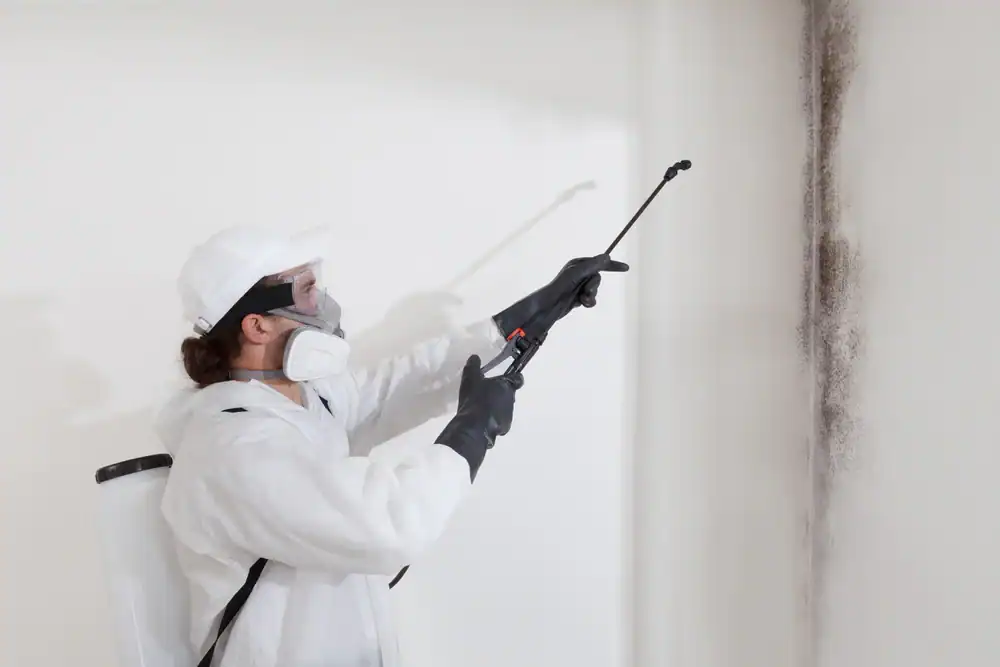
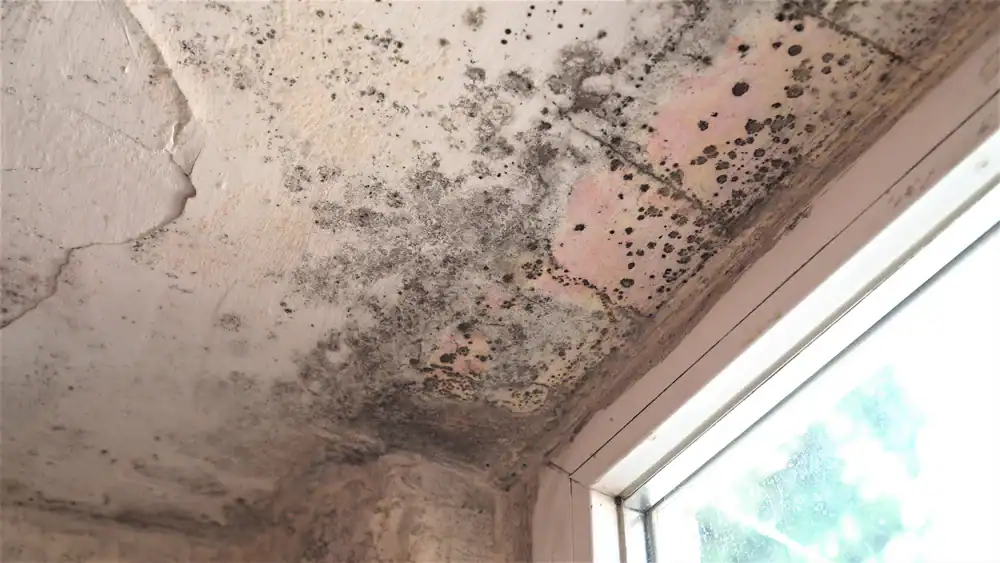
You’ve probably tried cleaning it yourself. Bleach, spray bottles, elbow grease. A week later, it’s back. That’s because surface cleaning doesn’t touch the moisture problem underneath, and mold spores spread faster than you can wipe them down.
Professional mold removal means finding where the water’s coming from—crawl spaces, leaky ducts, hidden condensation—and cutting it off. We use HEPA filtration to pull spores out of the air, antimicrobial treatments that penetrate porous surfaces, and moisture meters that show us what you can’t see. The goal isn’t just to make it look clean. It’s to make sure it doesn’t come back next month.
When mold’s handled right, you stop worrying about what’s growing behind your walls. Your air smells normal again. Your family isn’t coughing at night. And you’re not stuck in a cycle of temporary fixes that waste your time and money.
We’re based right here in Greensboro, and we’ve spent over a decade working in homes across Latham Park and the surrounding neighborhoods. Owner Rick Watson holds certifications from the National Air Duct Cleaners Association, and we carry an A+ rating with the BBB—not because we’re perfect, but because we show up, do the work right, and stand behind it.
Latham Park’s mix of older homes and newer construction means mold shows up differently depending on your foundation, your crawl space setup, and how your HVAC system handles humidity. We’ve seen it all. The homes near downtown with basements that flood every spring. The rentals with poor ventilation. The beautiful older houses with crawl spaces that haven’t been touched in decades. We know what works here because we’ve done it hundreds of times.
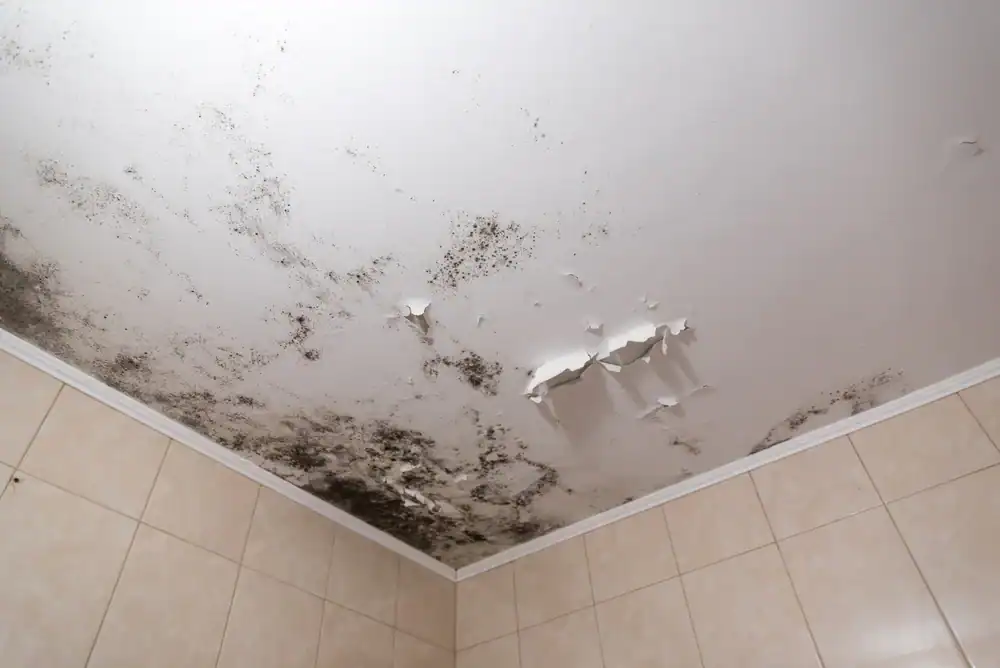
First, we come out and inspect the area. We’re looking for visible mold, but also moisture levels, airflow issues, and hidden problem spots like behind drywall or under insulation. We use infrared cameras and moisture meters to map out where water’s getting in, because if we don’t fix that, nothing else matters.
Next, we contain the area so spores don’t spread to clean rooms while we work. Then we remove contaminated materials that can’t be saved—drywall, insulation, anything porous that’s been soaked. Everything that can be cleaned gets treated with antimicrobial solutions and HEPA-filtered to remove airborne spores.
After removal, we address the moisture source. That might mean sealing a crawl space, fixing a duct leak, or recommending a dehumidifier for ongoing control. We’ll walk you through what caused it and what you can do to keep it from happening again. Then we document everything—photos, readings, scope of work—so you have records for insurance or future buyers if you ever sell.
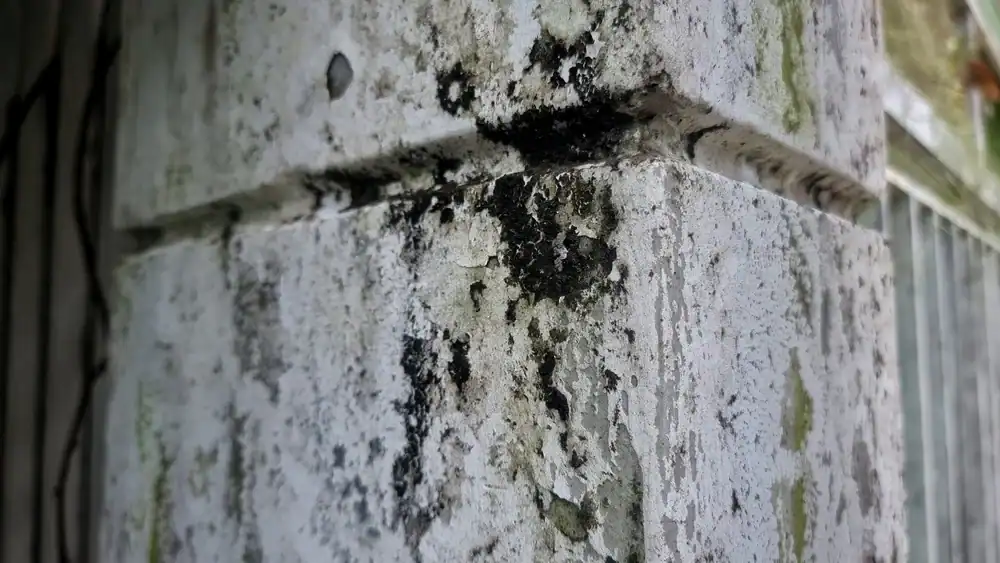
Ready to get started?
You’re not just paying for someone to spray and wipe. You’re getting a full assessment of your home’s moisture problems, containment to protect unaffected areas, HEPA filtration during the entire process, removal of contaminated materials, antimicrobial treatment of salvageable surfaces, and a clear plan for preventing it from coming back.
In Latham Park, crawl space mold is one of the most common issues we see. North Carolina homes are built with crawl spaces in over 77% of cases, and our humid climate turns those spaces into mold factories if they’re not properly sealed and ventilated. We specialize in crawl space encapsulation and treatment because it’s often the root cause of mold that shows up in your living areas.
We also handle mold that shows up after water damage—burst pipes, roof leaks, flooding. The key is speed. Mold starts growing within 24 to 48 hours of water exposure, so the faster we can dry things out and treat affected areas, the less damage you’ll deal with overall. If you’re filing an insurance claim, we provide all the documentation you need to support it.
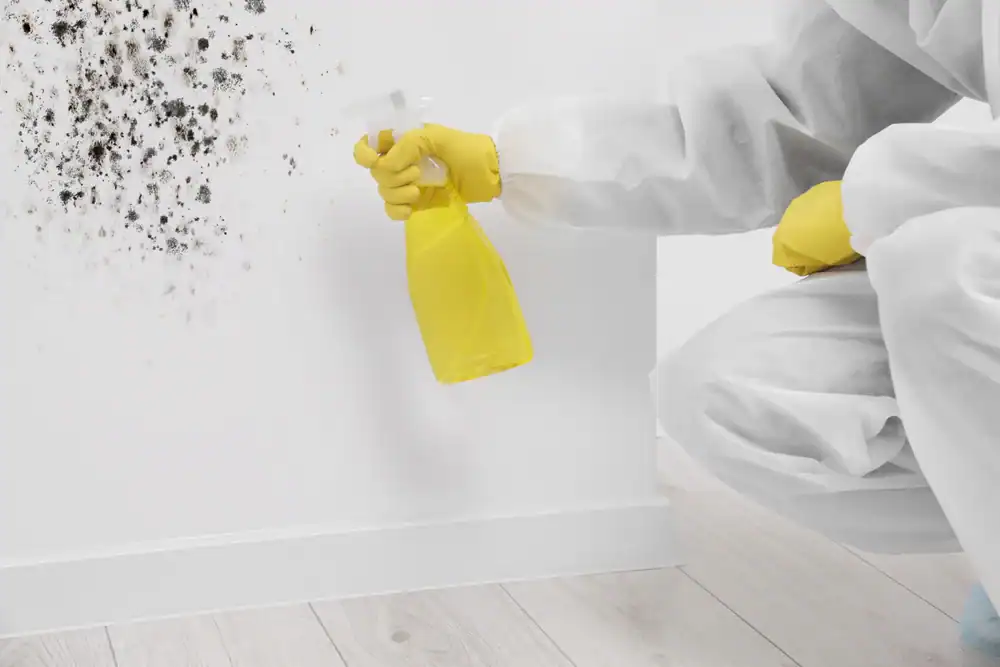
If the mold covers more than 10 square feet, if it’s in your HVAC system, or if it keeps coming back no matter how many times you clean it, you need a professional. Small surface spots on non-porous materials like tile can often be cleaned with the right products. But if it’s on drywall, wood, insulation, or anything porous, surface cleaning won’t work—the roots go deeper than you can reach.
You also can’t DIY mold that’s caused by a moisture problem you haven’t identified. Scrubbing visible mold while water’s still leaking behind your walls is like bailing out a boat without plugging the hole. It’ll keep filling back up. Professional removal means finding the source, eliminating it, and treating the contaminated areas with equipment that actually captures airborne spores instead of just spreading them around.
If anyone in your home has asthma, allergies, or respiratory issues, don’t mess around with it yourself. Disturbing mold releases spores into the air, and without proper containment and filtration, you’re making the air quality worse while you’re trying to fix it.
Most residential mold jobs take one to three days depending on the size of the affected area and how much material needs to be removed. Small jobs—like a bathroom or a section of basement—can often be done in a day. Larger projects that involve crawl spaces, multiple rooms, or significant water damage can take longer.
You usually don’t need to leave during the work, but we’ll contain the area with plastic sheeting and negative air pressure so spores don’t travel to other parts of your house. If the mold is extensive or if someone in your home is immunocompromised, it might make sense to stay somewhere else for a day or two. We’ll let you know upfront if that’s the case.
The timeline also depends on how long it takes to dry everything out. We can remove mold and treat surfaces fairly quickly, but if there’s standing water or soaked materials, we need to get moisture levels down before we can finish the job. Rushing it just means the mold comes back.
It depends on what caused the mold. If it’s from a sudden, accidental event—like a burst pipe or a roof leak during a storm—most policies will cover it. If it’s from long-term neglect, poor maintenance, or ongoing moisture issues you didn’t address, they probably won’t.
The key is documentation. Insurance companies want to see proof of the damage, the cause, and the scope of work needed to fix it. We provide detailed reports, photos, moisture readings, and a clear breakdown of what we’re doing and why. That documentation makes it a lot easier to get your claim approved.
Some policies have mold coverage limits or exclusions, so it’s worth checking your policy before you assume you’re covered. If you’re not sure, call your agent and ask specifically about mold remediation coverage. And if you do file a claim, don’t wait—mold that’s left untreated can void your coverage entirely if it leads to bigger problems down the road.
Mold removal means getting rid of visible mold growth. Mold remediation means bringing mold levels back to normal, natural levels—because mold spores are everywhere, and you can’t eliminate them completely. Remediation is the more accurate term for what actually happens during a professional job.
We remove contaminated materials that can’t be saved, clean and treat surfaces that can, filter the air to capture spores, and address the moisture problem so it doesn’t come back. The goal isn’t a sterile environment—that’s impossible. The goal is a safe environment where mold isn’t actively growing and spreading.
If someone’s selling you “complete mold removal,” they’re either overselling or they don’t understand how mold works. What you want is remediation that gets levels down to where they’re not causing health problems or property damage. That’s what we do, and that’s what actually works long-term.
Small jobs—like treating a bathroom or closet—usually run between $500 and $1,500. Medium-sized projects that involve a basement, crawl space, or multiple rooms typically cost $2,000 to $6,000. Large-scale remediation after flooding or extensive water damage can go higher depending on how much material needs to be removed and replaced.
The price depends on the size of the affected area, how accessible it is, what materials are contaminated, and whether we’re just treating surfaces or removing drywall, insulation, and flooring. Crawl space work costs more because it’s harder to access and usually requires encapsulation to prevent future problems.
We’ll give you a clear estimate after the inspection so you know exactly what you’re paying for. No surprises, no upselling. If insurance is covering it, we’ll work with your adjuster to make sure the scope matches what your policy allows. If you’re paying out of pocket, we’ll prioritize what needs to happen now versus what can wait.
Yes, if the moisture problem isn’t fixed. Mold needs water to grow, so if you’re still getting leaks, condensation, or humidity above 60%, it’ll come back no matter how thoroughly we clean it. That’s why moisture control is the most important part of the process.
After we finish remediation, you need to keep an eye on humidity levels, fix leaks as soon as they happen, and make sure your crawl space or basement stays dry. A dehumidifier helps in areas that tend to stay damp. Proper ventilation in bathrooms and kitchens makes a difference. Gutters and downspouts that direct water away from your foundation prevent moisture from seeping in.
If mold comes back in the same spot within a few months, it means something got missed—either a hidden moisture source or incomplete treatment. That’s rare if the job’s done right, but it’s why we document everything and explain what you need to do to maintain the results. We’re not interested in creating repeat customers by doing half the job. We’d rather fix it once and have you refer us to your neighbors.