

Contact Info
- Greensboro, NC 27406
- Call: 336-707-0498
- Text: 336-707-0498
-
Mon - Fri: 8am - 4pm
Sat - Sun: Closed
Contact Info
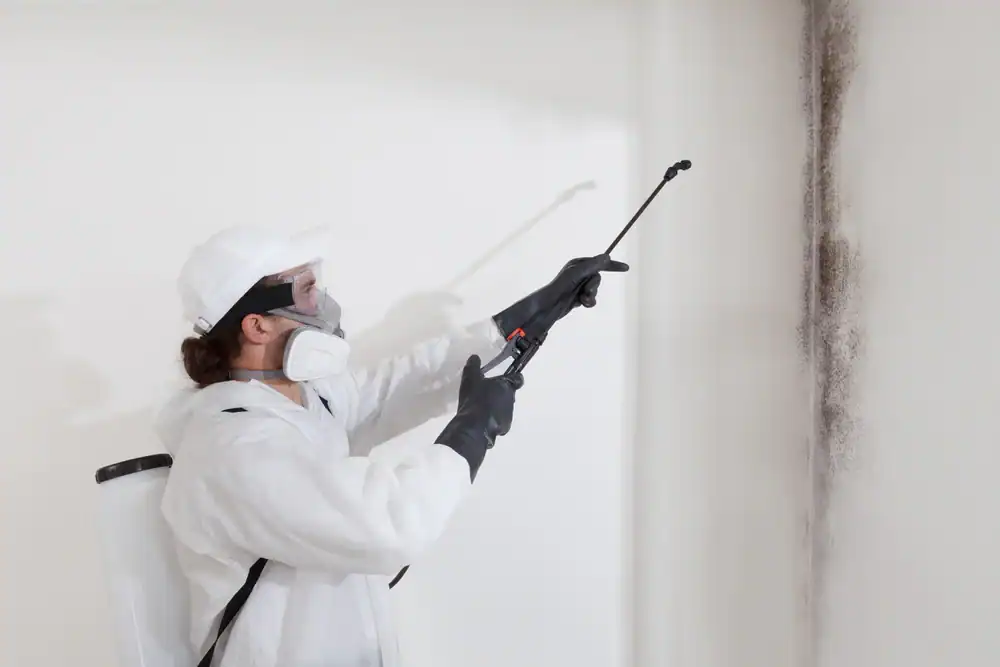
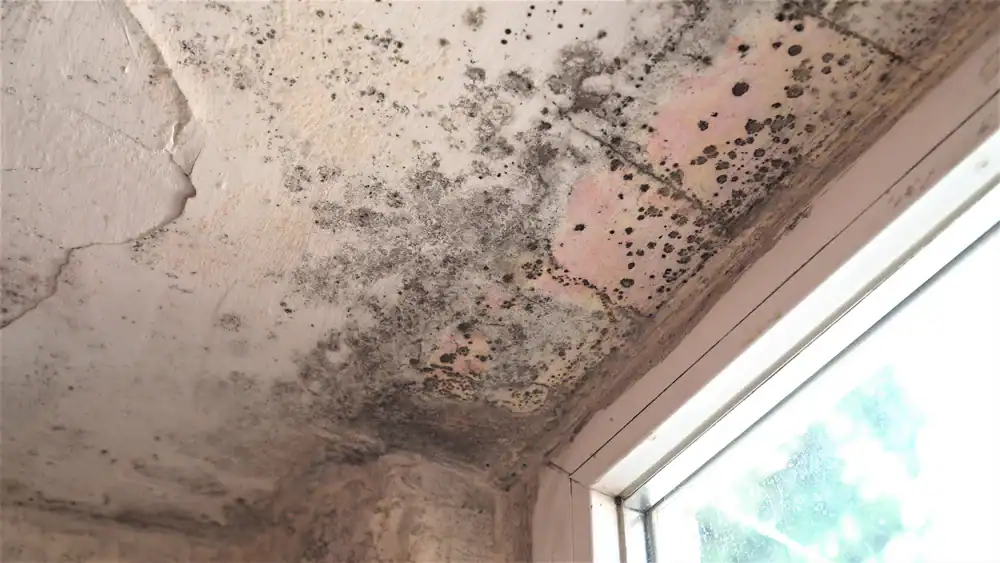
You stop worrying every time someone in your house coughs or sneezes. The musty smell disappears. You’re not wondering what’s growing behind your walls or whether buyers will walk away during inspection.
Mold doesn’t just sit there. In Mebane’s humid climate, it spreads fast—sometimes in as little as 48 hours. It moves through your HVAC system, gets into your crawl space, and affects air quality throughout your entire home.
Professional mold removal means containment that actually works, HEPA filtration that captures 99.97% of spores, and fixing the moisture problem so it doesn’t come back next season. You get documentation for insurance and future sales. Most importantly, you get your home back without the health risks that come with DIY attempts or surface-level cleaning that leaves the real problem untouched.
We’ve spent over 30 years handling mold remediation throughout the Greensboro area, including Mebane and Alamance County. We’re certified specialists with the equipment and training to do this work safely—not a general contractor who treats mold removal as a side job.
We understand what homeowners in Mebane deal with. The humidity here creates constant moisture challenges, especially in crawl spaces and basements. Homes built in the last 20 years aren’t immune—poor ventilation and water intrusion affect newer construction just as much as older properties.
You’re hiring people who show up with proper containment equipment, industrial-grade HEPA filters, and the experience to identify why the mold appeared in the first place. We work directly with your insurance company when coverage applies, and we document everything so you have records if you ever sell.
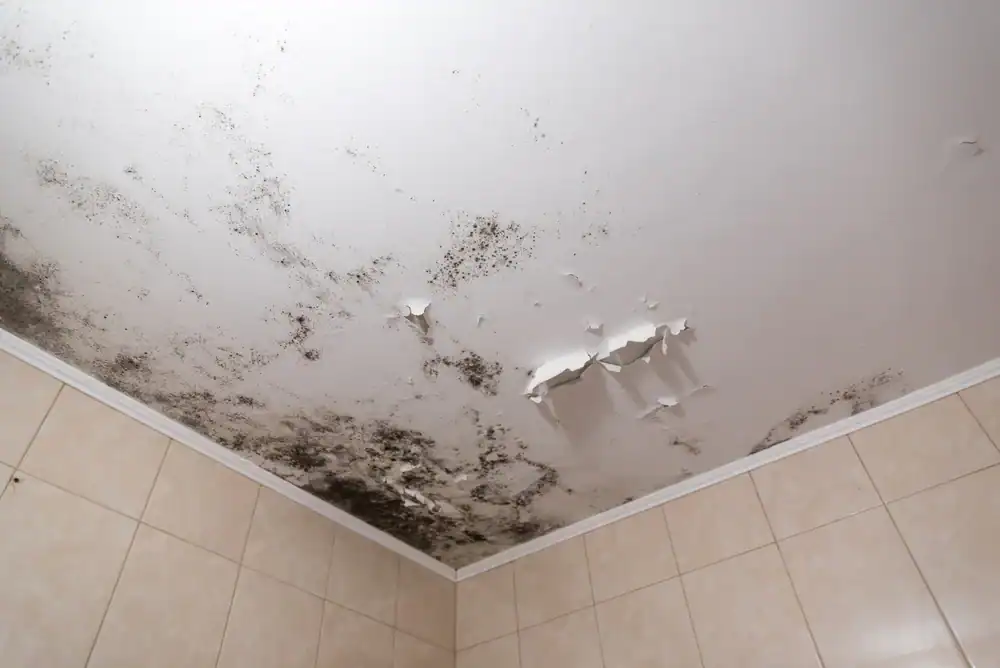
First, we identify where the moisture is coming from. Could be a roof leak, condensation in your crawl space, poor ventilation, or plumbing issues. If we don’t fix the source, you’ll have mold again in six months.
Next comes containment. We isolate the affected area with physical barriers and negative air pressure so spores don’t spread to clean areas while we work. This isn’t optional—it’s the difference between removing mold and redistributing it throughout your house.
Then we remove contaminated materials that can’t be saved and clean everything that can. We use HEPA vacuums and air scrubbers to pull spores out of the air. Porous materials like drywall or insulation usually have to go if they’re heavily affected—you can’t just wipe mold off and call it clean.
Finally, we treat and seal the area, verify air quality, and give you a detailed report. If it’s your crawl space, we typically recommend encapsulation to prevent future moisture problems. You’ll know exactly what we did, what we found, and what to watch for going forward.
Ready to get started?
You get a full inspection to map out the extent of contamination—not just the visible spots. Mold in one room often means hidden growth elsewhere, especially if your HVAC system has been circulating spores.
We handle the entire remediation process: containment setup, removal of affected materials, HEPA filtration, antimicrobial treatment, and moisture control. If your crawl space is the source—common in Mebane homes—we address the humidity issues and can encapsulate the space to prevent recurrence.
Our work includes air duct cleaning when needed, since your ventilation system can harbor mold and spread it every time your heat or AC runs. We also coordinate with your insurance company and provide documentation for claims. You’re not navigating that process alone.
The goal isn’t just removing what you can see. It’s restoring your indoor air quality, eliminating health risks, and making sure the problem doesn’t come back after the next heavy rain or humid summer. Mebane’s climate means moisture control isn’t optional—it’s essential for any long-term solution.
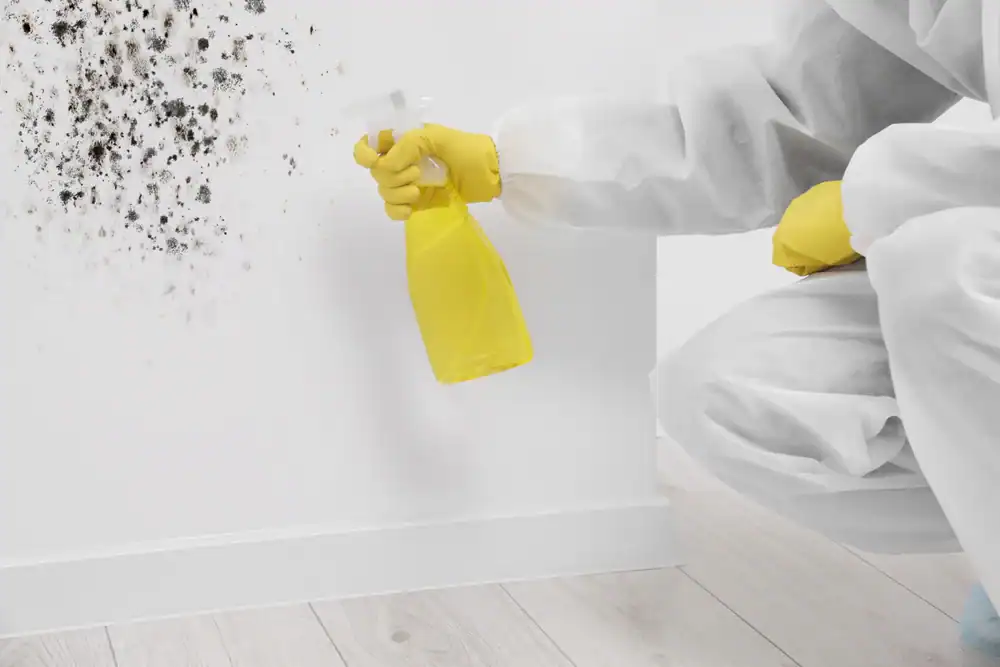
We prioritize fast response because mold spreads quickly in our humid climate. Most situations get assessed within 48 hours of your call, and we start remediation as soon as we’ve identified the scope and moisture source.
Timing matters with mold. The longer it sits, the more it spreads and the more materials get contaminated. Fast response means lower costs and less damage to your home.
That said, we don’t rush the actual work. Proper containment, thorough removal, and complete air filtration take time. Cutting corners just means you’ll be calling someone back in a few months when it returns.
It depends on what caused the mold. If it resulted from a sudden, covered event like a burst pipe or storm damage, most policies provide coverage. If it’s from long-term neglect or maintenance issues, probably not.
We work directly with insurance companies regularly and can help you navigate the claims process. We document everything—photos, moisture readings, scope of damage—so you have what adjusters need to make decisions.
Even if insurance doesn’t cover it, addressing mold now prevents bigger problems later. Structural damage, health issues, and decreased home value all cost more than professional remediation. And if you’re selling, undisclosed mold problems can kill deals or lead to legal issues down the road.
Remediation is the correct term because you can’t remove every single mold spore from a property—they’re everywhere in normal amounts. The goal is reducing contamination to safe levels and preventing regrowth.
Professional remediation means containment to prevent spread, removal of heavily contaminated materials, HEPA filtration to capture airborne spores, and fixing the moisture problem that caused it. Surface cleaning alone doesn’t work because mold grows into porous materials.
DIY mold removal often makes things worse. Scrubbing visible mold without containment releases thousands of spores into your air. Using bleach on porous surfaces like drywall or wood doesn’t kill roots deep in the material. You need proper equipment, training, and an understanding of building science to do this correctly.
We look for signs beyond visible growth: musty odors, water stains, warped materials, and moisture readings that indicate problems. Thermal imaging can reveal temperature differences that suggest moisture behind walls.
Crawl spaces are common culprits in Mebane homes. Poor ventilation, ground moisture, and humidity create perfect conditions for mold growth that spreads through your HVAC system. We inspect these areas thoroughly because that’s often where the real problem lives.
Sometimes we recommend testing to identify mold types and concentration levels, especially if you’re experiencing health symptoms but can’t locate visible growth. Testing isn’t always necessary, but it provides concrete data for insurance claims and helps us understand the full scope before we start remediation.
Small surface mold on non-porous materials like tile or glass can be cleaned if you catch it immediately and address the moisture source. But most mold situations involve more than what you see on the surface.
The risk with DIY is disturbing mold without proper containment or protection. You release spores throughout your home, expose yourself to high concentrations, and often miss the underlying moisture problem. What looks like a small patch on drywall usually extends into the wall cavity.
If the affected area is larger than about 10 square feet, involves your HVAC system, or resulted from contaminated water, you need professional help. Same if anyone in your home has asthma, allergies, or respiratory issues. The health risks and potential for making it worse outweigh the cost of doing it right the first time.
Prevention is about moisture control. We identify and fix the source—whether it’s a leak, condensation, poor ventilation, or drainage issues. Without addressing why the mold appeared, remediation is just a temporary fix.
In crawl spaces, we often recommend encapsulation: sealing the space with vapor barriers and controlling humidity. For homes with ventilation issues, improving airflow and adding dehumidification makes a significant difference. In Mebane’s climate, these aren’t luxuries—they’re necessary to prevent recurrence.
We also educate you on maintenance: monitoring humidity levels, addressing leaks immediately, ensuring proper drainage around your foundation, and watching for early warning signs. You’ll know what to look for and when to call before a small moisture problem becomes a major mold issue.