
Contact Info
- Greensboro, NC 27406
- Call: 336-707-0498
- Text: 336-707-0498
-
Mon - Fri: 8am - 4pm
Sat - Sun: Closed
Contact Info
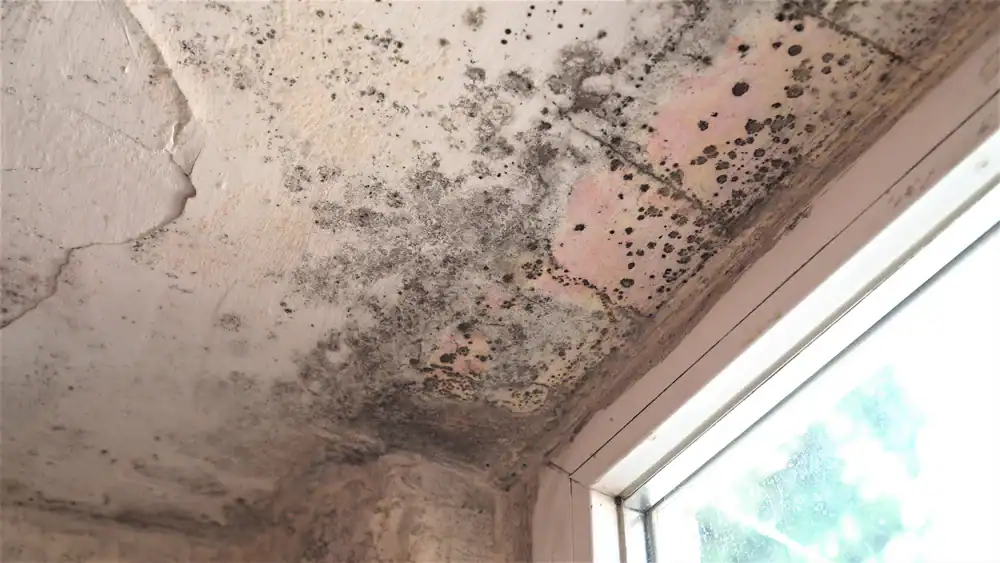
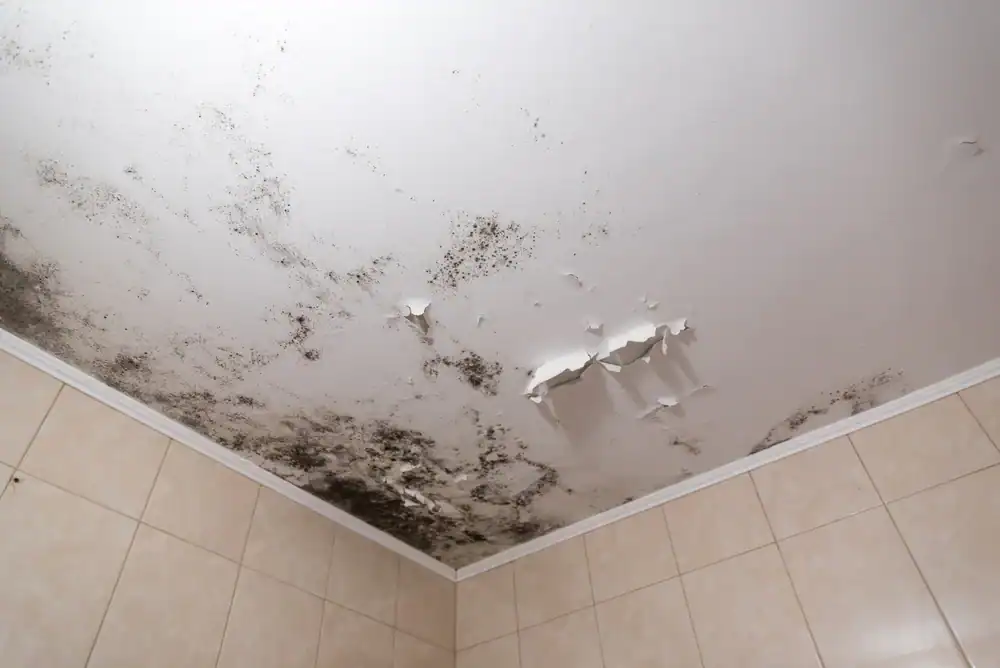
You’ve probably noticed the smell first. That musty odor that won’t go away no matter how much you clean. Maybe you’ve spotted dark patches in your bathroom, basement, or crawl space. Or maybe someone in your house has been coughing more, dealing with allergies that seem worse indoors than out.
Mold isn’t just unsightly. It affects your air quality every single day. And in Mount Zion’s humid climate, it spreads faster than most people realize.
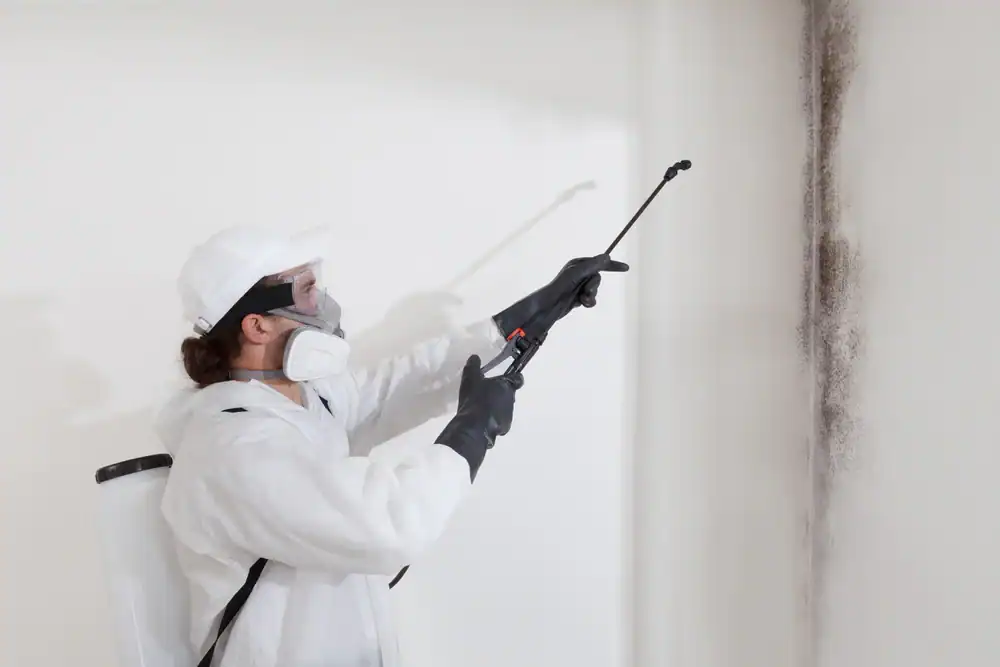
Professional mold removal means more than scrubbing visible spots. It means finding hidden growth in your HVAC system, behind walls, and in crawl spaces where moisture builds up. It means treating the source, not just the symptoms. When the job’s done right, you’re left with clean air, no odor, and a home that actually feels healthy again.
We’ve been improving indoor air quality across the Greensboro area for over 30 years. We’re NADCA certified, which means our team meets national standards for air system cleaning and mold remediation.
Mount Zion sits in one of North Carolina’s most humid regions. That means crawl spaces stay damp, HVAC systems pull in moisture, and mold finds plenty of places to grow. We’ve seen it all, and we know how to handle it without cutting corners.
Rick and Noah Watson lead our crew. Both hold ASCS and CVI certifications. They’re not just experienced—they’re trained to spot problems most people miss and fix them before they turn into expensive disasters.
First, we inspect your property. That means checking obvious spots like bathrooms and basements, but also crawl spaces, attics, and your HVAC system. Mold hides where moisture collects, and we know where to look.
Once we’ve identified the problem areas, we contain them. This keeps spores from spreading to clean parts of your home during removal. Then we remove the mold using professional-grade equipment and techniques that actually work—not just surface cleaning that lets it grow back in a few months.
After removal, we treat affected areas to prevent regrowth. But here’s the part most companies skip: we address the moisture problem that caused the mold in the first place. That might mean improving ventilation, fixing drainage issues, or encapsulating your crawl space. Without controlling moisture, mold will just come back.
You’ll know the job’s done when the smell is gone, the air feels different, and you have documentation of what we found and fixed.
Ready to get started?
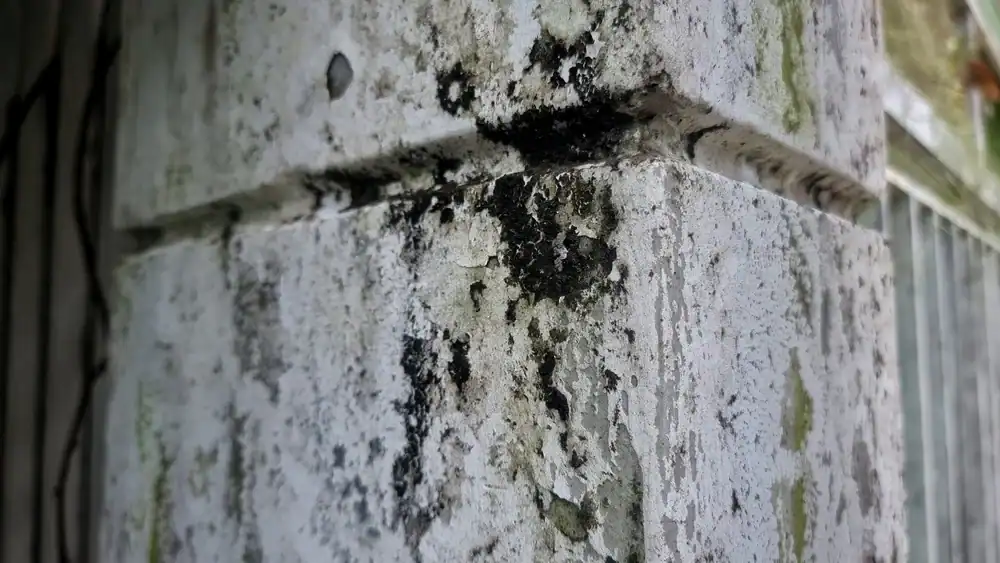
Our mold remediation services cover the full scope of the problem. We handle black mold removal, which requires extra care due to potential health risks. We clean HVAC ducts where mold spores circulate through your entire home. And we treat crawl spaces, which are often the primary source of moisture and mold growth in Mount Zion homes.
North Carolina’s climate makes this work more complex than in drier states. With average humidity over 70%, mold thrives here. Temperatures between 60-80°F create ideal conditions year-round. That’s why our approach focuses on long-term prevention, not just quick fixes.
We also work with insurance companies when water damage has caused the mold growth. We document everything, take photos, and provide the paperwork you need for claims. Most homeowners don’t realize their policy might cover professional mold mitigation—we help you figure that out.
Every job includes a thorough inspection, complete removal, moisture control recommendations, and a follow-up plan. You’re not guessing whether the problem is solved. You’ll know.
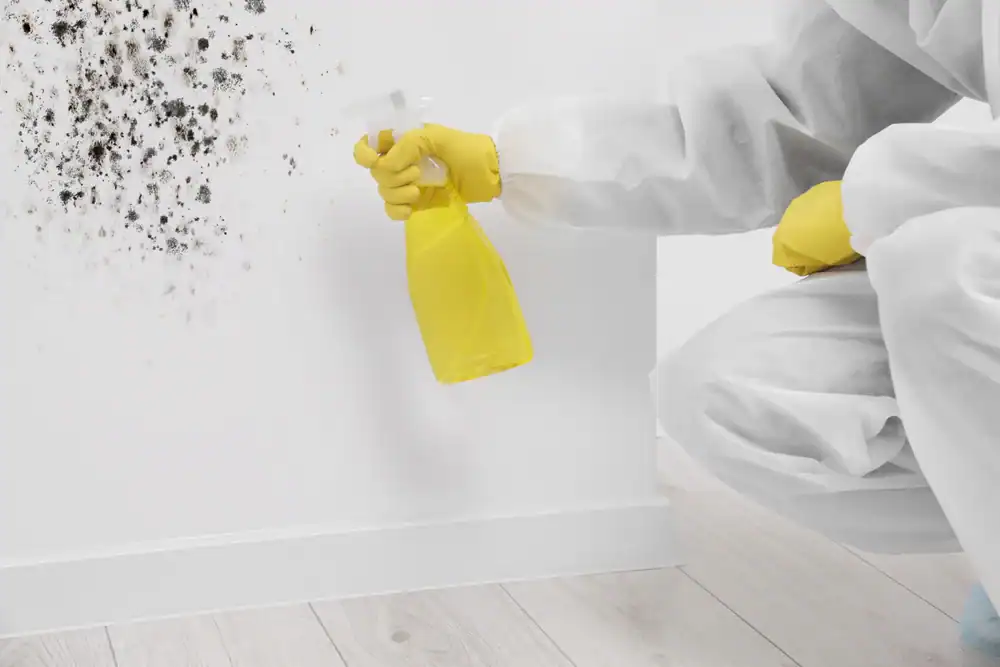
If you can see mold, smell that musty odor, or if anyone in your home is experiencing unexplained respiratory issues, you likely have a problem worth addressing. Visible mold on walls, ceilings, or in bathrooms is obvious. But hidden mold in crawl spaces, behind drywall, or in HVAC systems is harder to detect.
Here’s a good rule: if the affected area is larger than about 10 square feet, or if mold keeps coming back after you clean it, call someone who knows what they’re doing. DIY methods work for small surface mold, but they don’t address the root cause. And if you’re dealing with black mold or if anyone in your home has asthma or allergies, don’t mess around—get it handled professionally.
The other sign people miss is persistent humidity or condensation. If your windows fog up regularly, your crawl space feels damp, or certain rooms always feel muggy, you’ve got moisture issues that will lead to mold growth. Catching it early saves money and protects your family’s health.
Mold removal sounds like you’re getting rid of every single spore, but that’s not realistic. Mold spores exist everywhere—they’re in outdoor air, and they’ll always find their way inside. True “removal” of all mold is impossible and honestly, not necessary.
Mold remediation is the accurate term. It means bringing mold levels back to normal, safe levels and eliminating the conditions that let it grow out of control. We remove visible mold growth, clean affected materials, and most importantly, fix the moisture problem that caused it. That’s what actually solves the issue long-term.
Think of it this way: removal is treating the symptom. Remediation is treating the cause. Anyone promising to eliminate every trace of mold forever is either confused or lying. What matters is getting levels back to normal and making sure your home doesn’t create the perfect environment for mold to thrive again. That’s what professional mold abatement actually accomplishes.
Most residential mold jobs take between one and five days, depending on the extent of growth and how many areas are affected. A single bathroom with surface mold might be done in a day. A crawl space with extensive contamination, plus HVAC cleaning, might take a full week.
The timeline depends on several factors: how much mold there is, where it’s located, what materials are affected, and whether we need to remove drywall or other building materials. We also need time for proper drying after treatment. Rushing this part is how mold comes back.
Here’s what slows things down: hidden mold behind walls, contaminated insulation that needs removal, or structural issues that need repair before we can treat the area. We’ll give you a realistic timeline after the inspection. And if we find additional problems during the work, we’ll let you know immediately—not after we’ve already started tearing things apart. Time-sensitive doesn’t mean rushed. It means done right, as quickly as possible.
It depends on what caused the mold. If it’s from a sudden, accidental event like a burst pipe or storm damage, most policies will cover remediation. If it’s from long-term neglect, poor maintenance, or gradual moisture buildup, probably not.
Insurance companies look at the source. Water damage from a covered event usually means mold cleanup is covered too. But if your crawl space has been damp for years and you never addressed it, that’s considered a maintenance issue. Same goes for slow leaks you ignored or humidity problems you didn’t fix.
We work with insurance companies regularly. We document everything, provide detailed reports, and help you understand what’s covered. Our advice: file the claim and let the adjuster make the call. Don’t assume you’re not covered. And don’t wait to start the remediation process—mold gets worse fast, and delays can give insurance companies a reason to deny coverage. We’ll help you navigate the paperwork and get the documentation you need, regardless of whether insurance covers it.
For small areas—less than 10 square feet of surface mold on non-porous materials—you can handle it yourself with the right supplies. Use a proper respirator, not just a dust mask. Wear gloves and eye protection. Clean with detergent and water, then dry the area completely. Don’t just spray bleach and call it done.
But here’s where DIY becomes a bad idea: if the mold is in your HVAC system, crawl space, or behind walls. If it’s black mold. If it keeps coming back. If anyone in your home has respiratory issues. Or if you’re dealing with water damage that’s affected insulation, drywall, or structural materials.
The problem with DIY mold cleanup is that you’re treating what you can see, not what’s causing it. You might scrub the bathroom ceiling, but if moisture is coming from the attic or a roof leak, it’ll grow back. And disturbing mold without proper containment spreads spores throughout your house, making the problem worse. Professional remediation costs money upfront, but it actually solves the problem instead of just making it look better temporarily.
North Carolina’s humidity is the main culprit. Mount Zion sits in a region where average humidity stays above 70% most of the year. Add temperatures between 60-80°F, and you’ve got perfect conditions for mold growth. It’s not a matter of if moisture will cause problems—it’s when.
Crawl spaces are the biggest issue in this area. Most homes here have crawl spaces that aren’t properly sealed or ventilated. Moisture from the ground evaporates up into your home, creating damp conditions where mold thrives. HVAC systems pull in that humid air and spread spores throughout the house. Basements, attics with poor ventilation, and bathrooms without exhaust fans are also common problem spots.
Climate change is making this worse. Heavier rainfall and more persistent humidity mean moisture problems that used to be seasonal are now year-round. If your home was built more than 20 years ago and you’ve never had crawl space encapsulation or upgraded ventilation, you’re at higher risk. The good news is that once you control moisture through proper ventilation, encapsulation, and dehumidification, mold stops being a recurring nightmare.