

Contact Info
- Greensboro, NC 27406
- Call: 336-707-0498
- Text: 336-707-0498
-
Mon - Fri: 8am - 4pm
Sat - Sun: Closed
Contact Info
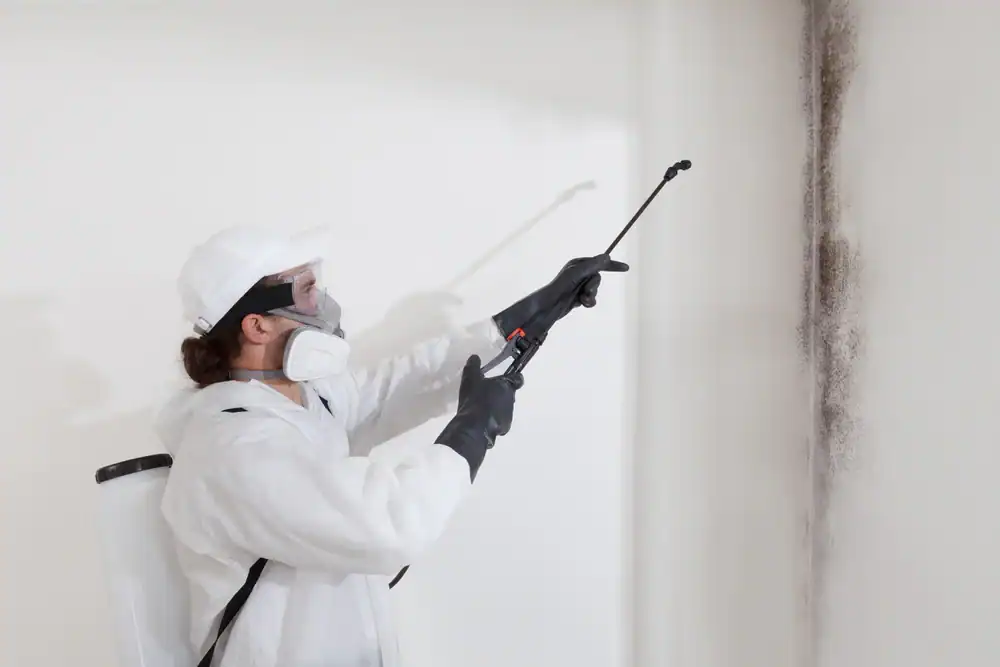
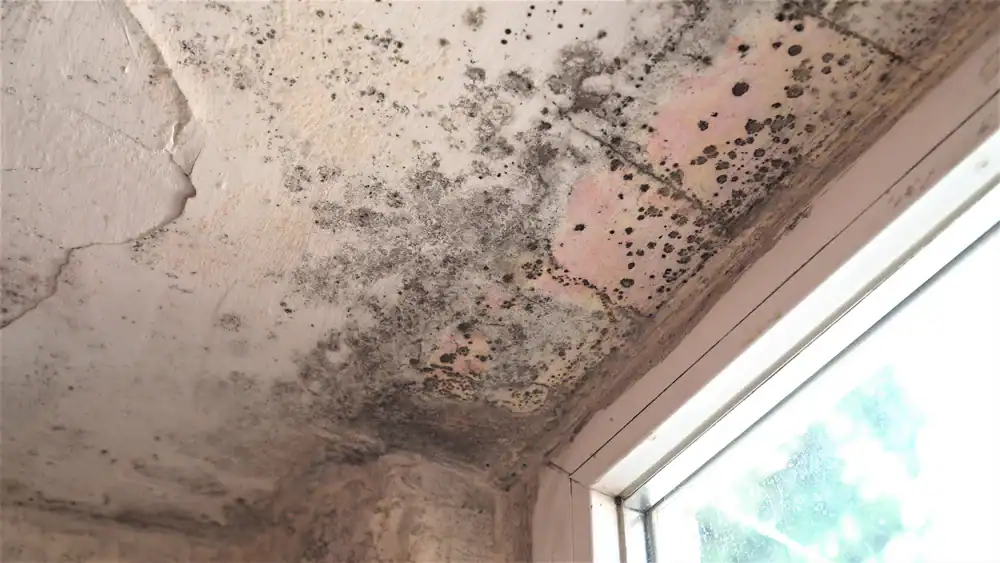
You shouldn’t have to wonder if the air in your home is making your family sick. That musty smell in the crawl space, the allergies that won’t quit, the dark spots creeping up the basement walls—these aren’t things you can ignore and hope they go away.
Mold removal means more than scrubbing visible spots. It means finding where moisture gets in, eliminating the mold completely, and making sure it doesn’t grow back in three months. North Carolina’s 70%+ humidity levels turn crawl spaces and poorly ventilated areas into mold breeding grounds faster than most homeowners realize.
When you handle mold the right way, you stop the spread before it damages your home’s structure or triggers respiratory problems. You get your air quality back. You stop second-guessing whether that cough is allergies or something worse.
The difference between a surface clean and professional mold remediation is the difference between a temporary fix and actually solving the problem. One leaves spores behind to regrow. The other removes the source, controls the moisture, and gives you a home where you can breathe without worry.
We’ve spent over 30 years handling mold problems in Greensboro and surrounding areas like North Hyde Park. We’ve seen what North Carolina’s humidity does to crawl spaces, HVAC systems, and homes that weren’t built with proper moisture barriers.
We’re not new to this. We’ve cleaned out crawl spaces with inches of standing water, removed black mold from ductwork that was making entire families sick, and encapsulated foundations to stop the cycle for good. Our team knows the difference between cosmetic mold and the kind that’s eating through your floor joists.
You’re not getting a national franchise that trains technicians in a week. You’re getting local professionals who understand why North Hyde Park homes struggle with moisture, what it takes to fix it correctly, and how to prevent the same problem from happening again next summer.
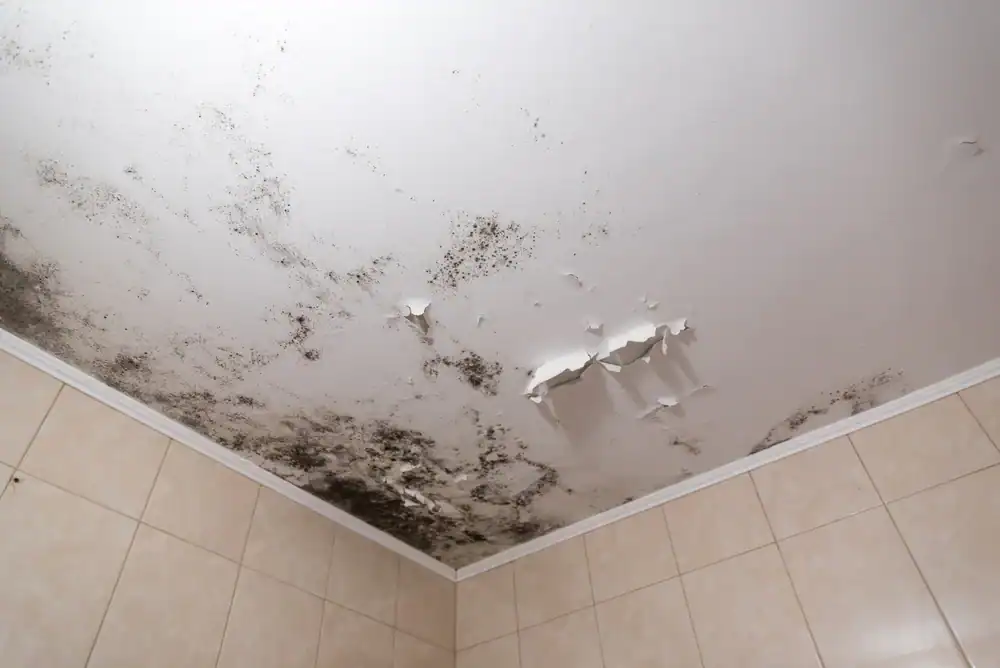
First, we inspect the affected areas and the places you probably haven’t checked—crawl spaces, behind walls, inside ductwork. Mold grows where you can’t see it, and surface cleaning misses the actual problem. We use moisture meters and thermal imaging to find every source.
Next comes containment. We seal off the work area so mold spores don’t spread to clean parts of your home during removal. This step separates professional mold remediation from DIY attempts that end up contaminating more areas than they fix.
Then we remove the mold using HEPA filtration and antimicrobial treatments that kill spores at the root. If materials like drywall or insulation are too damaged, we remove and dispose of them properly. Dead mold is still allergenic—it has to come out completely.
Finally, we address the moisture source. That might mean encapsulating your crawl space, fixing drainage issues, improving ventilation, or sealing entry points where humid air gets in. Without this step, you’re just waiting for mold to come back.
You’ll know the job is done when the musty smell is gone, the air feels different, and you’re not wondering what’s growing under your house anymore.
Ready to get started?
Professional mold cleanup means handling every part of the problem, not just the parts you can see. You get a full inspection that identifies all affected areas and moisture sources. You get containment that prevents cross-contamination during the removal process. You get HEPA filtration and proper disposal of contaminated materials.
In North Hyde Park and throughout Greensboro, crawl space mold is one of the most common issues we handle. Over 77% of North Carolina homes have crawl spaces, and most weren’t built with adequate moisture control. That means mold, wood rot, and air quality problems that affect your entire house. Our crawl space encapsulation services seal out moisture permanently, which is the only way to stop mold from returning.
You also get duct cleaning when needed. Your HVAC system pulls air from your crawl space and circulates it through every room. If there’s mold down there, you’re breathing it upstairs. We clean the entire ventilation system to remove spores, allergens, and the debris that’s been building up for years.
The difference between our mold abatement services and a quick cleanup is that we fix what caused the mold in the first place. Moisture control, proper ventilation, and structural repairs when necessary. That’s what keeps your home mold-free long-term, not just until the next humid season.
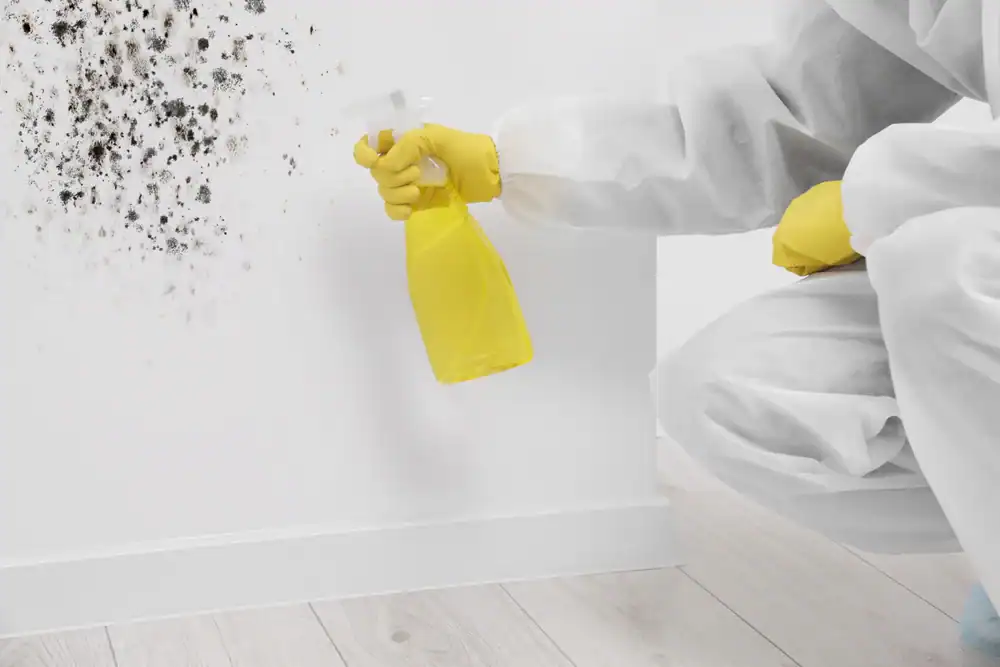
Mold starts growing within 24 to 48 hours after water exposure in North Carolina’s humid climate. That’s not a lot of time to react, especially if you don’t realize there’s a leak or moisture problem in the first place.
Once mold takes hold, it spreads fast. Spores travel through air and settle on any damp surface—wood, drywall, insulation, fabric. Within a week, a small patch can turn into a significant contamination problem that affects multiple areas of your home.
This is why water damage and mold removal need to happen quickly. The longer you wait, the more expensive and invasive the remediation becomes. If you’ve had any flooding, plumbing leaks, or roof damage, getting a professional mold inspection right away can save you from a much bigger problem down the road.
No. Spraying visible mold with disinfectant or bleach doesn’t remove the allergens or toxins, and it definitely doesn’t kill the roots growing into porous materials like wood and drywall.
Even dead mold spores trigger allergic reactions and respiratory problems. If you’re wiping down a surface without removing what’s underneath or addressing the moisture source, you’re just temporarily hiding the problem. The mold will come back, often worse than before.
Professional mold remediation removes contaminated materials, treats affected areas with antimicrobial solutions, and eliminates the moisture that allowed mold to grow. Surface cleaning might make things look better for a few weeks, but it doesn’t solve anything. If you’re dealing with more than a tiny spot on a non-porous surface, you need proper removal and moisture control.
Black mold exposure commonly causes respiratory issues like coughing, wheezing, throat irritation, and nasal congestion. About 10% of people have allergic responses that include sneezing, runny nose, and scratchy throat. For people with asthma, mold is a major trigger—over half of asthmatics have respiratory allergies to mold that can cause serious asthma episodes.
Long-term exposure can lead to chronic sinus infections, fatigue, headaches, and skin irritation. Children, elderly family members, and anyone with compromised immune systems face higher risks and more severe symptoms.
The tricky part is that mold grows in places you don’t see—inside walls, under floors, in crawl spaces and ductwork. You might not realize mold is causing your symptoms until you get it removed and suddenly everyone in the house feels better. If your family has persistent respiratory problems or allergies that don’t respond to normal treatment, hidden mold could be the reason.
Mold removal typically costs between $10 and $30 per square foot, depending on the extent of contamination, where the mold is located, and what materials need to be removed. A small bathroom might run $500 to $1,500, while extensive crawl space remediation with encapsulation can range from $3,000 to $8,000 or more.
Accessibility matters. Mold in an open basement costs less to remove than mold behind walls or in tight crawl spaces where our technicians need specialized equipment and more time. If structural repairs are needed—replacing floor joists, removing damaged insulation, or fixing drainage problems—that adds to the total cost.
The real question isn’t what it costs to fix it now, but what it costs if you don’t. Mold damages your home’s structure, destroys property, and creates health problems that lead to medical bills. Catching it early and handling it correctly is always cheaper than waiting until it spreads through half your house. Most homeowners who get professional mold remediation wish they’d done it sooner.
It depends on how extensive the contamination is and where the mold is located. For small, contained areas, you can usually stay in your home as long as the work area is properly sealed off with containment barriers.
For larger jobs—especially if mold is in your HVAC system or multiple rooms—it’s often better to stay elsewhere for a few days. Professional mold abatement involves removing contaminated materials, running air scrubbers, and using antimicrobial treatments. Even with containment, there’s dust and disruption you probably don’t want to be around.
If anyone in your household has respiratory issues, asthma, or mold allergies, leaving during the work is the safer choice regardless of the project size. We’ll give you a clear timeline and let you know what makes sense for your situation. Most jobs take two to five days from start to finish, depending on the scope of work and drying time needed afterward.
Control moisture. That’s the entire answer. Mold needs moisture to grow, so if you eliminate the water source, you eliminate the mold problem.
In North Hyde Park, that usually means addressing crawl space humidity with proper encapsulation and vapor barriers. It means fixing drainage issues so water doesn’t pool around your foundation. It means making sure your gutters work, your HVAC system drains correctly, and any plumbing leaks get repaired immediately.
Ventilation helps too. Bathrooms and kitchens need exhaust fans that actually vent outside, not into the attic. Crawl spaces need controlled airflow or complete encapsulation. Dehumidifiers can help in problem areas, but they’re a band-aid if you haven’t fixed the underlying moisture source. The best mold prevention is building science—understanding how air and water move through your home and stopping problems before they start.