
Contact Info
- Greensboro, NC 27406
- Call: 336-707-0498
- Text: 336-707-0498
-
Mon - Fri: 8am - 4pm
Sat - Sun: Closed
Contact Info
You stop waking up congested. The musty smell in your basement disappears. Your kids aren’t coughing as much, and you’re not worried every time someone opens the crawl space door.
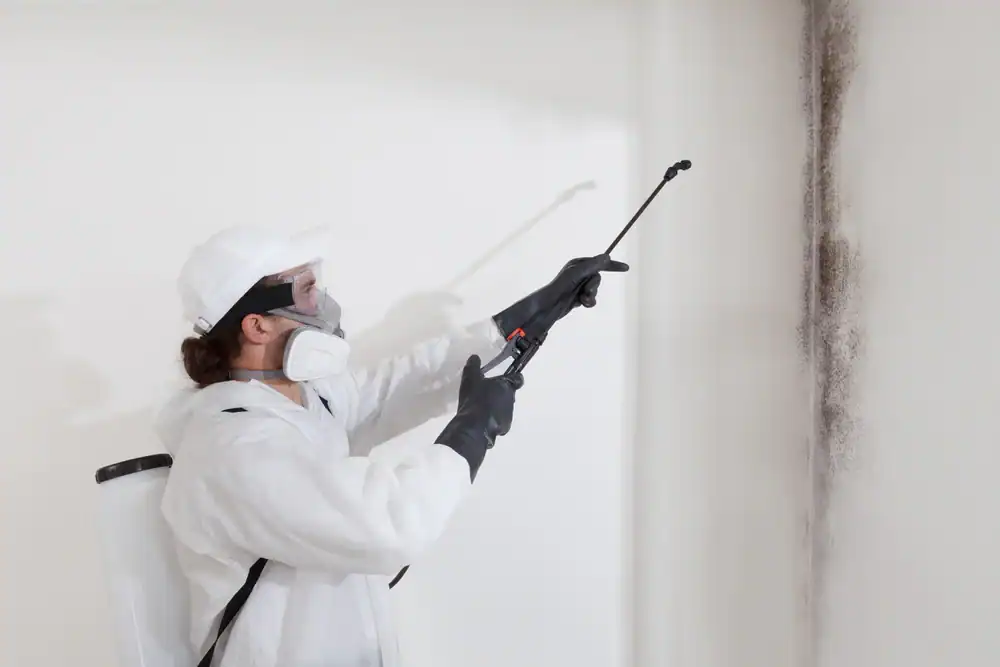
That’s what proper mold remediation does. It removes the contamination, eliminates the moisture source, and gives you back a home that feels safe.
North Carolina’s humidity creates perfect conditions for mold growth—especially in crawl spaces where over 77% of homes in this area are vulnerable. When moisture gets trapped under your house, mold spreads fast. It gets into your HVAC system, your air quality suffers, and suddenly you’re dealing with health symptoms you can’t explain.
We don’t just scrub visible mold and call it done. We find where the moisture is coming from, seal it off, treat the affected areas with IICRC-certified methods, and make sure it doesn’t come back. You get documentation for insurance or resale, and you get a home that’s actually clean—not just covered up.
We’ve been helping homeowners in Ogburns Crossroads and the surrounding Greensboro area deal with mold, moisture, and air quality issues for years. We’re IICRC-certified, which means we follow the same protocols insurance companies and health inspectors expect.
We’ve seen what happens when mold gets ignored. We’ve also seen what happens when it gets handled wrong—by well-meaning homeowners with bleach or by companies that don’t address the moisture problem. Both end up with mold coming back.
Our team knows North Carolina’s climate. We know crawl spaces. We know how humidity works in this region, and we know how to stop it from turning your home into a breeding ground. You’re not getting a national franchise or a one-size-fits-all approach. You’re getting people who live here and understand what your home is up against.
First, we inspect your property with moisture meters and infrared cameras to find where the problem is actually coming from. Mold doesn’t just appear—it needs moisture. We locate the source, whether it’s a crawl space issue, a roof leak, or poor ventilation.
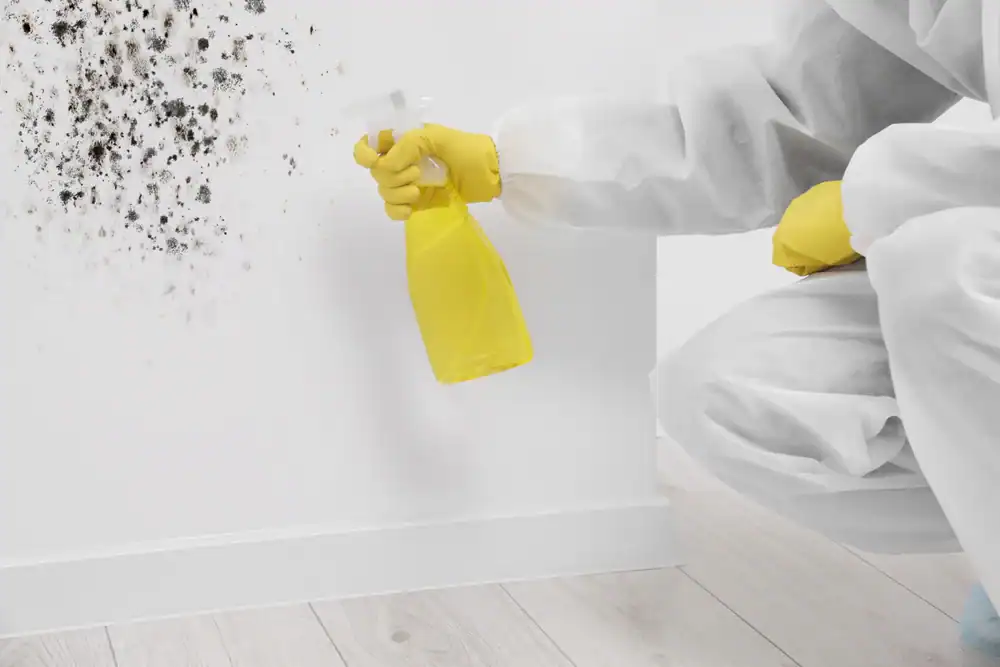
Next, we contain the affected area so mold spores don’t spread during removal. We use negative air pressure and physical barriers to keep contamination isolated. Then we remove the mold using HEPA filtration and antimicrobial treatments that meet industry standards.
After removal, we address the moisture problem. That might mean encapsulating your crawl space, installing a dehumidifier, or sealing entry points where humid air gets in. Without this step, mold will return. We also clean your HVAC system if needed, because mold spores love ductwork.
Finally, we test the air quality to confirm the mold is gone and provide documentation. You get a report you can show your insurance company, your real estate agent, or just keep for your own peace of mind. The whole process usually takes a few days depending on the size of the problem, and we keep you informed the entire time.
Ready to get started?
Our service includes a full inspection with moisture detection, containment setup, mold removal using HEPA vacuums and antimicrobial treatments, and air quality testing. We also handle crawl space encapsulation when needed, which is critical in this area.
Ogburns Crossroads sits in a region where average humidity regularly exceeds 70%. That’s high enough to cause mold growth in any space that isn’t properly sealed or ventilated. Your crawl space is the most vulnerable area, and it’s also the one most homeowners never check until there’s a problem.
We seal crawl spaces with vapor barriers, install dehumidifiers rated for North Carolina’s climate, and ensure your HVAC system isn’t pulling contaminated air from below your house. We also clean ductwork if mold has spread into your heating and cooling system, which happens more often than people realize.
You also get documentation that meets insurance and real estate standards. If you’re selling your home or filing a claim, you’ll need proof the work was done right. We provide that. And if you’re just trying to protect your family’s health, you get the peace of mind that comes with knowing the job was done by certified professionals who won’t cut corners.
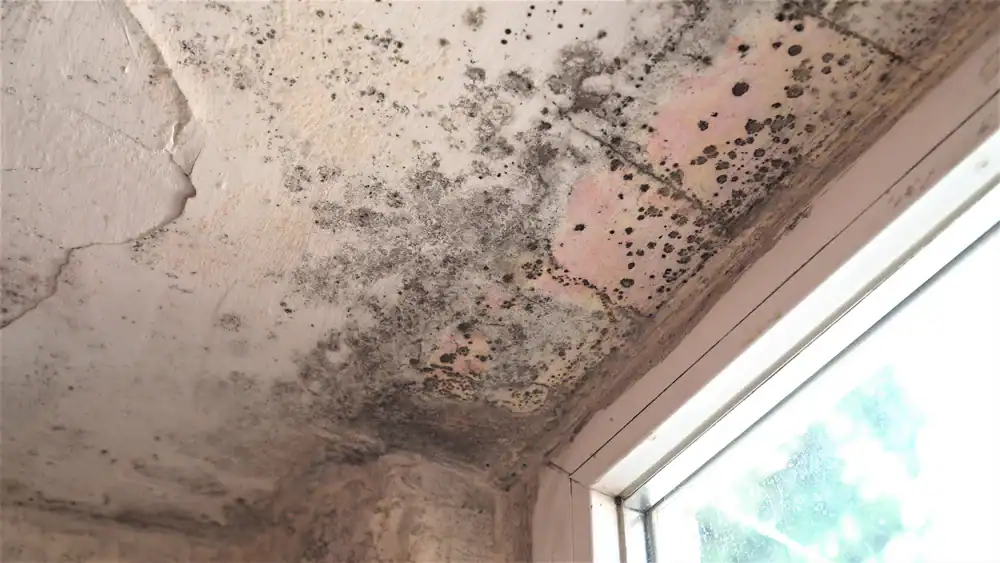
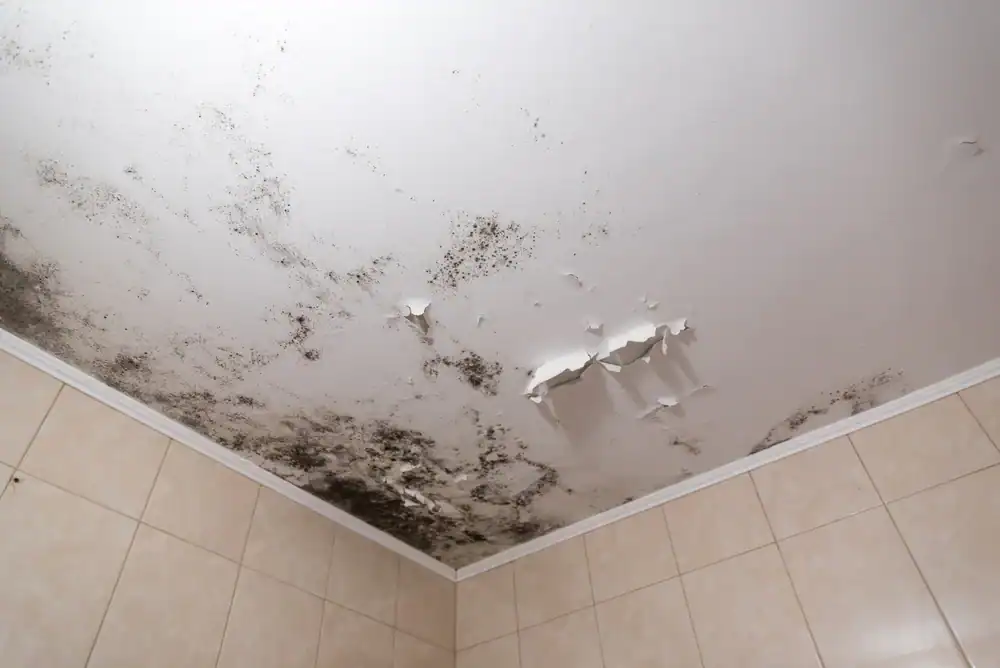
If you’re smelling something musty, seeing discoloration on walls or ceilings, or dealing with persistent sinus issues and morning congestion, you likely have mold. Normal humidity doesn’t cause those symptoms.
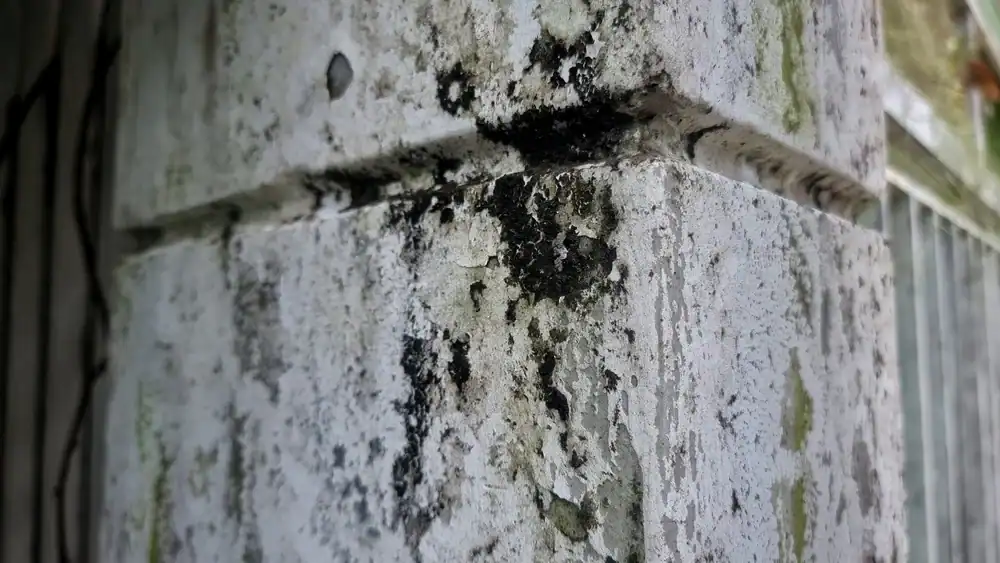
Mold needs moisture to grow, and in North Carolina, that’s not hard to come by. But the smell is usually the first sign. It’s a damp, earthy odor that doesn’t go away even after you clean. You might also notice dark spots in corners, around windows, or on basement walls.
Health symptoms are another indicator. If multiple people in your home are experiencing respiratory issues, allergies, or unexplained coughing, mold exposure could be the cause. One in twelve adults and one in eleven children in the U.S. have asthma, and mold is a common trigger. The only way to know for sure is to get an inspection with moisture testing and air quality analysis.
Bleach kills surface mold, but it doesn’t remove the allergens or toxins that remain. Even dead mold spores can trigger health problems, and bleach won’t address the moisture issue that caused the mold in the first place.
Most DIY approaches also miss hidden mold. If you’re only treating what you can see, you’re ignoring what’s behind the drywall, under the flooring, or in your HVAC system. Mold spreads through spores, and disturbing it without proper containment can make the problem worse by spreading contamination to other areas of your home.
Professional mold remediation follows IICRC S520 protocols, which include containment, HEPA filtration, antimicrobial treatment, and moisture control. We also test the air afterward to confirm the mold is actually gone. If you’re dealing with black mold or a large affected area, trying to handle it yourself puts your health at risk and often costs more in the long run when the problem comes back.
Most residential mold remediation projects take two to five days depending on the size and location of the contamination. Small areas like a bathroom or closet can often be handled in a day or two. Larger problems involving crawl spaces or multiple rooms take longer.
Whether you need to leave depends on the extent of the mold and where it’s located. If we’re working in a contained area like a basement or crawl space, you can usually stay in your home. If the contamination is widespread or involves your HVAC system, we might recommend staying elsewhere during active removal to avoid exposure to airborne spores.
We use containment barriers and negative air pressure to keep mold spores from spreading during the work. Once removal is complete and we’ve addressed the moisture source, we run air scrubbers and test the air quality before giving you the all-clear. You’ll know exactly what to expect before we start, and we’ll work around your schedule as much as possible.
Crawl spaces in North Carolina are exposed to high humidity, poor ventilation, and ground moisture—all perfect conditions for mold. When warm, humid air meets cool surfaces under your home, condensation forms. Add in dirt floors or minor water intrusion, and mold spreads quickly.
Over 77% of homes in this area have crawl spaces, and most weren’t built with proper moisture barriers. That means ground moisture evaporates into the space, humidity levels stay high, and mold grows on floor joists, insulation, and subflooring. If your HVAC system pulls air from the crawl space, those mold spores end up circulating through your entire home.
We prevent this by encapsulating the crawl space with a heavy-duty vapor barrier that seals off ground moisture. We also install dehumidifiers rated for North Carolina’s climate and ensure proper ventilation or sealing depending on your home’s design. Once the space is dry and sealed, mold can’t grow. It’s the only long-term solution that actually works in this region’s humid conditions.
It depends on what caused the mold. If it resulted from a sudden, covered event like a burst pipe or storm damage, most policies will cover remediation. If it’s from long-term neglect, high humidity, or lack of maintenance, they typically won’t.
Insurance companies want to see documentation that the mold resulted from an unexpected incident, not gradual moisture buildup. That’s why it’s important to file a claim quickly after water damage and get professional remediation started. The longer you wait, the harder it is to prove the mold came from a covered event.
We work with insurance companies regularly and provide the documentation they require, including photos, moisture readings, and detailed reports of the work performed. We can also help you understand what your policy covers before you file a claim. Even if insurance doesn’t cover the full cost, addressing mold now prevents bigger expenses down the road—including structural damage, health issues, and loss of property value.
Proper mold remediation includes air quality testing after the work is complete. If a company doesn’t test the air or provide documentation, you have no way to verify the mold is actually gone. You should also see evidence that the moisture source was addressed, not just the visible mold.
Look for a detailed report that includes before and after photos, moisture readings, and clearance testing results. The company should explain what caused the mold and what they did to prevent it from returning. If they only cleaned the surface and didn’t seal your crawl space, fix a leak, or install a dehumidifier, the mold will come back.
We follow IICRC standards, which means containment, removal, treatment, moisture control, and verification. You get a written report with test results showing the air quality meets safe levels. We also warranty our work, so if mold returns due to something we missed, we’ll address it. That’s the difference between a real remediation and a temporary cover-up.